Have you ever thought about how a fresh makeover might ignite a whole new vibe for your brand? Imagine upgrading your style like giving your favorite outfit a cool new twist, you keep the parts you love, but add a spark of modern energy.
In this quick guide, we share a simple, step-by-step plan to breathe new life into your logo, tone, and online presence. We break it down so you can see how a smart rebranding strategy can pull in new customers and sharpen your place in the market.
Small, intentional tweaks can completely change the way your audience connects with your brand. So why not explore a few fresh ideas and see what magic happens?
Step-by-Step Rebranding Strategy Plan for Successful Brand Transformation

Rebranding is all about giving your brand a fresh twist. It involves updating key elements like your name, logo, tone, and website. Whether you’re doing a complete overhaul or just a few tweaks, the goal is to refresh your image and sharpen your spot in the market. A solid rebrand plan not only builds your brand’s value but also draws in new customers and makes you stand out from the competition.
This process is like tuning a musical instrument, everything from your message to your visuals needs to be in perfect harmony. By following a clear, step-by-step approach, you ensure no detail is left behind, and your brand transformation feels smooth and intentional.
-
Identify the need for change
Start by spotting shifts in market trends and listening to customer feedback. It’s that moment when you think, "I need something new to connect with today’s audience." -
Audit your current brand
Take a good look at your existing assets, tone, and website. Ask yourself where you can improve to stay relevant. -
Define your target audience
Be clear about who you want to reach. When your rebrand speaks directly to the right people, it resonates much more. -
Refine your brand story
Update your narrative to reflect your values and goals better. A relatable story builds a stronger emotional connection with your audience. -
Design a new visual identity
Rework your logo, choose a modern color palette, and pick typography that feels fresh. Think of it as dressing your brand in a new outfit that’s both stylish and practical. -
Develop a messaging framework
Craft clear and consistent messaging that mirrors your renewed brand personality. Every word should ring true to who you are now. -
Plan your rebrand rollout
Map out how you’ll share the new look both inside your team and with your customers. A well-planned launch can make all the difference. -
Measure outcomes
Set simple goals (like customer engagement and sales impact) to see how well your rebrand is doing. It’s like keeping score in a fun, ongoing game.
By sticking to a thoughtful, structured plan, you make sure every change feels right and purposeful. This deliberate strategy helps your brand not only evolve smoothly but also makes a real impact in the marketplace.
Auditing Your Brand for a Corporate Image Overhaul Plan

Start by taking a hard look inside your company. Do some internal reviews and market research to figure out exactly where your brand stands. First, list out all your existing assets like logos, taglines, and online presence. Then, chat with stakeholders to get a real feel for your brand. Ask team members and leaders for their honest opinions. Compare your brand to your competitors using simple tools, such as a SWOT analysis (which breaks down your strengths, weaknesses, opportunities, and threats) and customer surveys. Think of it as checking your brand's pulse, each insight helps sharpen your overall image.
Conducting the Strategic Brand Audit
Kick things off by gathering every piece of your visual and messaging puzzle. Hold open sessions with employees and loyal customers to hear what they think. Sit down with key decision makers and document their thoughts. Also, take a look at your competitors to see how your design, message, and market presence stack up. Direct customer feedback is gold, it shows you what clicks and what needs a rethink. This method is a lot like how Chargify and SaaSOptics came together to form Maxio. It’s a clear sign that a detailed audit lays the groundwork for a solid, unified brand identity.
From Audit Insights to Objectives
After collecting all that valuable data, turn your findings into clear, measurable goals. Look for spots where you can tweak your message or reposition your brand. For example, if feedback points to a need for more engaging social media content, make that your focus. Set specific KPIs (like metrics that track your performance) and align them with your bigger business targets. This data-driven strategy not only fine-tunes your brand image but also gears you up to stand out in a competitive market.
Crafting Brand Narrative Evolution in Your Rebranding Strategy
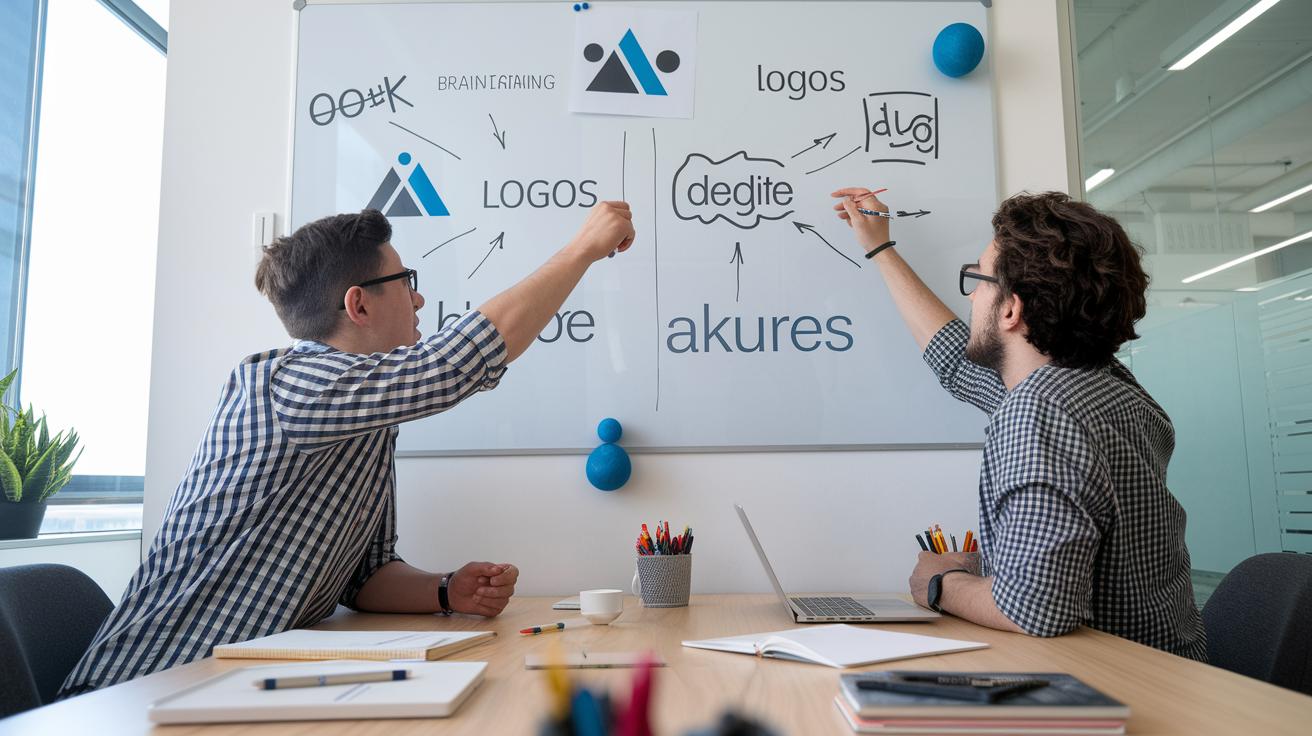
Give your brand a fresh start by blending your mission and vision with a clear, catchy tagline. Think of it like updating your wardrobe with a stylish twist that still honors your classic look. For instance, consider a tagline like "Fuel tomorrow's ideas today" to spark excitement and forward-thinking energy.
Team up with key folks, from team members to loyal customers and creative marketing experts, to shape your story. When you get everyone’s input, you keep your core message alive while adding inspiring new layers. Imagine setting off a brainstorming session with a prompt such as "Picture each idea as a stepping stone to our brand's future." It’s a great way to kickstart vibrant discussions that breathe new life into your brand narrative.
Lay out your messaging pillars clearly. Highlight the real benefits for your customers along with the feelings and consistency in your tone. Build on what you already have by sprinkling in fresh details about your voice, tagline, and stakeholder input. Think of it like curating a favorite playlist: every track adds meaning, starting with a bold opener like "Break the mold, start anew" to grab attention right away.
Visual Identity Transformation: Logo Redesign Methodology and Refresh Framework

Visual identity goes way beyond a simple logo. It’s all the elements, from colors and fonts to images and design assets, that work together to tell your brand’s story. A fresh visual identity makes your brand look modern and appealing, whether it’s on-screen, in packaging, or on print materials. This updated look not only grabs attention but also builds trust and recognition with your audience.
Switching to a sleeker, more flexible design can really modernize a brand. Take LG’s move from a 3D to a 2D logo or Nokia’s smoother update in 2014 as examples. They show how simplifying the design, while staying true to the brand’s core, can resonate across different platforms. It creates a crisp, unified look that lingers in the minds of customers.
The redesign journey starts with a creative brief that lays out your vision and design goals. From there, you move to the prototyping stage, where your early ideas take shape into tangible designs. Along the way, keep a steady flow of feedback from team members and customers to fine-tune the visuals. Finally, in the finishing phase, make sure the new logo, color scheme, and fonts work seamlessly across all marketing channels. This methodical process ensures that your refreshed visual identity is as practical as it is striking.
Rebranding Strategy: Fresh Look for Success

When you're gearing up for a rebrand, think of it like planning a big product launch. First, you need a clear checklist. That means locking in your new visuals, updating core messaging, and refreshing your website, social profiles, and all marketing materials. It also involves prepping your team with focused training sessions. And don’t forget, getting marketing, design, PR, and IT on the same page is key, synchronized releases across both owned and paid channels can really spark an instant buzz.
Next, roll out the rebrand in phases. Start with an internal launch so that your employees can get comfortable with the fresh identity. Then, try soft market tests by showing your new look to a select group of customers in a controlled environment. Keep an eye on feedback through engagement data and customer comments. This approach lets you mix genuine excitement with targeted tweaks, ensuring your launch shines even brighter.
Finally, bring everyone together for a full-scale public rollout. Regular check-ins and cross-team meetings help every department, from marketing to IT, stay aligned. This unity ensures your brand’s new look is consistently reflected, both online and offline. A well-executed, coordinated launch not only maximizes reach but also builds genuine excitement in today’s competitive market.
Tracking and Measuring Brand Sentiment in Your Rebranding Strategy

Measuring how people feel about your refreshed brand is key to knowing if your new look is really connecting with your audience. It’s like checking the temperature of a room during a lively party, each number, whether it’s brand awareness, sentiment score (how happy or sad people feel), customer engagement, or revenue lift, shows you if things are heating up or if you need another tweak.
Keeping an eye on these signs through surveys, social listening tools (platforms that scan social media for mentions), Net Promoter Scores (ratings of customer satisfaction), and web analytics gives you real-time feedback. This hands-on method helps you adjust your messaging to match what your audience actually thinks and feels, so you can steer your brand confidently in the right direction.
Essential Metrics and Tools
| Metric | Description |
|---|---|
| Awareness | How many people recognize your refreshed brand |
| Sentiment | The overall feeling customers express through surveys and social listening |
| Engagement | The interactions your brand gets across different platforms |
| Revenue Lift | The financial boost attributed to your rebrand |
Popular tools to help measure these include Google Analytics (which tracks website visits), Brandwatch (that monitors what people are saying online), and SurveyMonkey (a simple way to gather customer opinions). These resources make it easier to fine-tune your strategy and keep your brand image strong and upbeat.
Real-World Rebranding Strategy Case Studies and Lessons
Real-world rebranding cases show both incredible wins and valuable lessons learned the hard way. When done right, a rebrand can boost a company’s presence in the market, but a rushed change might leave customers confused, kind of like updating your favorite app without making it clear what’s new.
| Company | Year | Outcome | Key Lesson |
|---|---|---|---|
| Zoom | 2020 | Expanded communications platform | Smart innovation that meets user needs |
| Duolingo | 2020 | TikTok rebrand with 38% click-through rate | Engaging content wins hearts and clicks |
| Gap | 2010 | Quick logo reversal | Listening to customers saves the day |
| Xfinity | 2015 | Rebrand failed to address service issues | Consistent messaging builds lasting trust |
These examples remind us that every rebrand is a careful dance between vision and execution. Take Zoom, for instance, they expanded thoughtfully, matching their new look to what customers really needed. And then there's Duolingo: their TikTok makeover wasn’t just about a fresh look; it was designed to make users click with an impressive 38% rate.
On the other hand, Gap’s sudden logo change and Xfinity’s disconnect between flashy visuals and lingering service problems show what happens when ideas aren’t fully tested or customer feedback is ignored. Think of a rebrand like perfecting a new product prototype, you tweak, test, and adjust until every element, from the visuals to the messaging, feels just right for your audience.
Final Words
In the action of transforming brand identity, the post broke down a clear rebranding strategy, from a comprehensive audit and a renewed brand narrative to a modern visual update and a smooth rollout. It highlighted practical steps, valuable KPIs, and real-world lessons that show how each phase builds lasting impact.
By keeping a disciplined plan, marketing teams can spark new energy, drive better outcomes, and redefine their competitive edge. Every detail, when aligned, sets the stage for a thriving brand future.
FAQ
Q: What are some effective rebranding strategy resources?
A: Effective rebranding resources—such as strategy examples, templates, PDFs, frameworks, and checklists—offer clear guidance on refining your brand identity, updating your visuals, and aligning messaging to capture a refreshed market image.
Q: What does the 3 7 27 rule of branding mean?
A: The 3 7 27 rule of branding means that you have 3 seconds for an impression, 7 seconds to engage interest, and 27 seconds to make a lasting impact on your audience’s mind.
Q: What are the 5 C’s of branding?
A: The 5 C’s of branding usually refer to clarity, consistency, creativity, credibility, and connection, guiding you to develop compelling messaging and a recognizable, trustworthy visual identity.
Q: What are the steps involved in rebranding a company?
A: Rebranding a company involves auditing your current identity, defining your audience, refining your brand story, redesigning visuals, updating messaging, executing a coordinated rollout, and tracking stakeholder response.
Q: What are the four types of branding strategies?
A: The four types of branding strategies often include full rebrands, partial updates, sub-brands, and co-branding methods, each designed to adjust your brand’s market position based on growth goals and customer needs.
Q: How should a website be updated during a rebrand?
A: Updating your website during a rebrand requires integrating refreshed design elements, updated messaging, and new visuals to create a cohesive, modern online presence that aligns with your new brand identity.
Q: What options exist for creating a rebrand logo?
A: Creating a rebrand logo can involve traditional design methods or using AI-powered logo makers, both focused on generating dynamic, scalable visuals that accurately reflect your updated brand personality.