
Ever think one simple insight could be your marketing game-changer? Numbers might just be the secret sauce. Two-thirds of marketing leaders (64%, to be exact) trust hard data over gut feelings, and that’s lighting up some seriously smart campaigns.
Today, we’re chatting about two trends that are shifting the marketing scene, real-time behavior tracking (watching what people do online as it happens) and personalized ads that speak directly to customers. Imagine these trends as a fresh playbook that helps you connect on a whole new level.
So, ready to see how solid data can turn your strategies into real wins?
Top Data-Driven Marketing Trends for 2025

A whopping 64% of marketing execs agree that ditching guesswork for data is the way to go in 2025. In one study, nearly two-thirds of industry leaders confirmed that using real-time insights can really boost a campaign. It’s clear that hard numbers are taking the guesswork out of strategy.
Today, a single purchase might involve anywhere from 20 to 500 touchpoints. That means brands need to create smooth, connected experiences across websites, mobile apps, and social media. For example, a retailer could tweak its website messaging on the fly by watching how customers behave in real time. Quick insights like these are turning data into an instant win for marketing.
Personalization is now the name of the game. Eighty percent of consumers expect brands to cater to their unique needs, and if they have one bad experience, 66% are ready to jump ship. That’s why strong data management is key, especially as companies shift from relying on third-party data (info from outside sources) to first-party data (info gathered directly). Picture a brand that launches personalized ads right when a user interacts with its site; that’s modern marketing in action.
Nearly 93% of marketers are pouring resources into AI and automation to hit the right targets and enhance user experiences. With AI tools that deliver live insights, teams can predict trends and adjust strategies even before a campaign fully kicks off. It’s like turning raw data into a clear roadmap for future success.
Overall, digital trends show that artificial intelligence and smart personalization are reshaping how customers experience brands. New stats suggest that these data-driven insights not only sharpen ad targeting but also lay the groundwork for nimble, strategic campaigns. This blending of technology and creativity is setting up a smarter, more responsive marketing scene in 2025.
Leveraging Predictive Analytics Advertising in Data-Driven Marketing

Predictive analytics advertising is all about making your ad campaigns smarter. It works in four simple steps. First, marketers dream up a theory, maybe they imagine that a small tweak in messaging on Facebook could drive a surge in clicks (you know, just by switching up the ad copy!). Next, they launch a targeted ad campaign for around three months, using statistical models (think of these as friendly math tools) to predict outcomes. This lets them adjust bids and creative ideas before a big rollout.
Then comes the look at the numbers, click-through rates, sales boosts, and other key data. You might see that a slight change in the ad’s image gave a noticeable jump in sales. Finally, all these insights help guide a smart shift in budget allocation to squeeze out maximum value.
On top of that, using call tracking and AI-driven conversation analytics refines the approach even further. These tools scan real-time customer chats to pick out high-value leads so marketers can seize opportunities quickly.
- Start by forming a theory based on what you expect your customers to do.
- Test this idea with a well-aimed ad campaign.
- Track outcomes like click-through rates and sales boosts.
- Adjust your budget and strategy to get the best results.
This step-by-step approach clears the path to better predict campaign performance and optimize ad spend long before going all in.
Integrating AI Marketing Innovations into Data-Driven Strategies

Nearly 93% of marketers use AI tools, but not many talk about the adjustments needed to make new tech work with tried-and-true methods. For example, one retail brand moved from manually fine-tuning campaigns to relying on AI for personalized experiences. When they made the switch, their old software didn't immediately sync with the smart algorithms, so they had to upgrade things gradually.
One company began by testing an AI system that managed bids for a single product. They tweaked bids in real time by keeping a close eye on user engagement. Fun fact: a mid-sized retailer boosted efficiency by 15% after using predictive analytics (tools that help forecast trends) to adjust inventory levels on the fly. This shows that reacting in real time can unlock new opportunities compared to clinging to outdated strategies.
Implementing AI also means bringing together team members who understand both technology and creative ideas so insights can turn into action. Here are a few simple steps to get started:
| Step | Description |
|---|---|
| Assess Compatibility | Review your current systems and spot integration challenges. |
| Pilot Test | Try a small-scale test using select AI features to measure impact without a full overhaul. |
| Train Teams | Equip both tech and creative teams to interpret AI insights for smarter campaign tweaks. |
These targeted steps help avoid unnecessary overlap and ease the shift from old routines to a more flexible, AI-powered marketing approach.
Driving Personalization Through Data in Modern Marketing Trends

Most marketers depend on data to understand what customers really do. Ninety-six percent use data to get a read on customer behavior, but only 17% turn these insights into messages that feel like they were made just for you. Think of it like having all the ingredients for a perfect recipe but not actually cooking the meal. For instance, imagine a retailer noticing that a group of customers checks mobile apps for seasonal deals. That insight could trigger a quick, friendly push notification, something like "Exclusive flash sale just for you", yet only a few teams take that extra step.
Marketers rely on tools like CRM platforms and web analytics (tracking tools from providers like Google and Adobe) to carve up their audiences and follow what people do online. But even with these powerful insights, only a small number of marketers fine-tune their messages to really speak to their customers. There's a noticeable gap between collecting data and using it to create that personal connection.
Constructing Omnichannel Data Integration Frameworks for Marketing
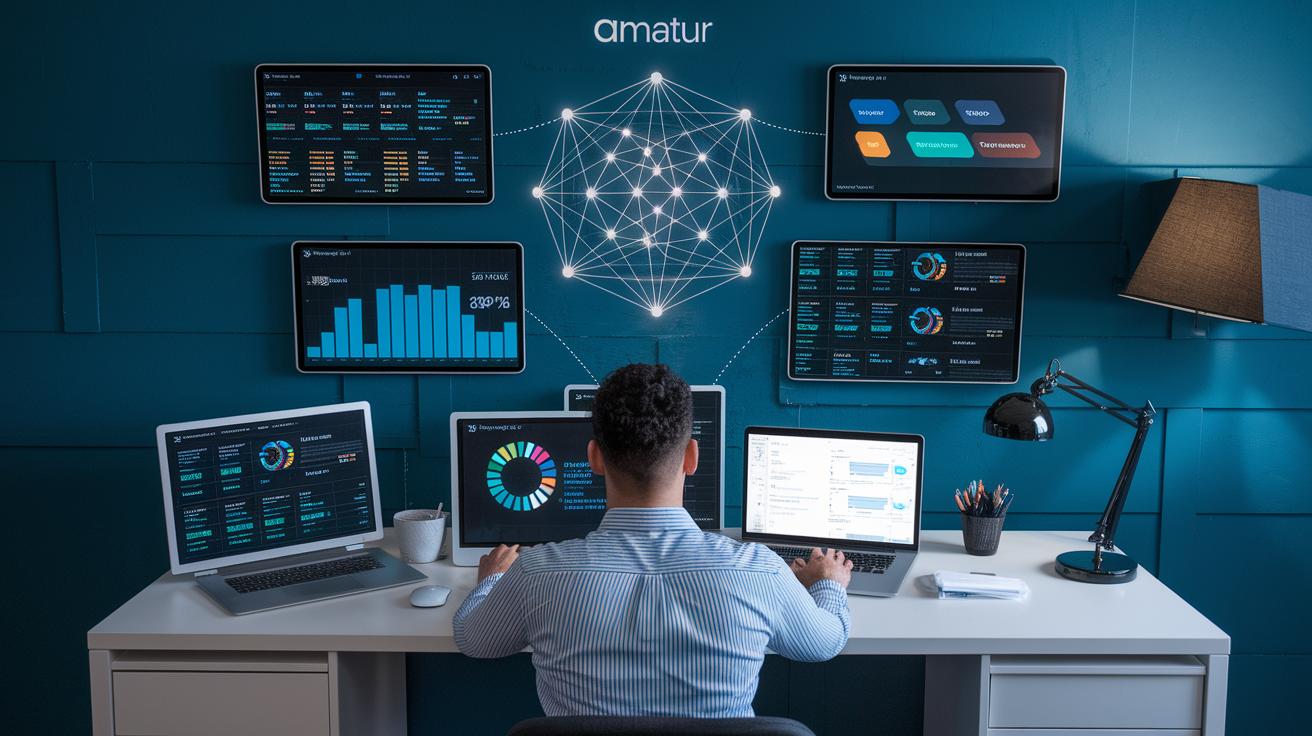
When teams work in isolation, it’s easy to miss important insights hidden within different data sets. Bringing everything together across marketing, sales, and customer service creates a clear picture of your customers. Picture blending detailed records from CRM systems (which store customer contacts and histories) with insights from web analytics tools like Google Analytics or Adobe Analytics. Now, add mobile app metrics, transaction logs, and call tracking data to brighten the full customer journey.
One practical tactic is to use Customer Data Platforms and ETL tools (these tools help convert and move your data) to pull all your bits of data into one central hub. This creates one solid source of truth that your teams can trust. Imagine tracking a website visitor as they slowly become a loyal customer by tagging every step using data from multiple channels. Such a blend not only makes internal communication smoother but also leads to more precise performance tracking and personalized messages.
Key takeaways:
- Consolidate high-value data sources like CRM systems, web analytics, mobile app metrics, transaction records, and call tracking.
- Use Customer Data Platforms and ETL tools to merge and clean up your data.
- Develop dashboards that capture the full customer journey and help steer your future actions.
| Data Source | Purpose |
|---|---|
| CRM Systems | Holds customer history and contact details |
| Web Analytics | Tracks user behavior online |
| Mobile App Metrics | Measures engagement on apps |
| Transaction Records & Call Tracking | Offers insights into sales performance and customer conversations |
Building this integrated approach helps break down data silos, steering your campaigns with a cohesive, actionable view.
Evaluating Performance Metrics in Data-Driven Campaigns

Did you know nearly 72% of marketers say that data-driven tactics boost efficiency? Yet, about 25% admit they don’t examine their data each month. This gap shows there's a real need to keep a regular watch on your insights.
Key metrics make all the difference. Think about click-through rate (the share of people clicking your links), conversion rate (the portion that goes on to buy), return on investment (profit compared to what you spend), and customer lifetime value (the long-term income each customer brings). For instance, one campaign discovered that when ads netted a 5% click rate, conversions noticeably improved. One number can sometimes reveal a hidden opportunity.
Keeping data clean is crucial. Regularly reviewing your sources and tidying up your datasets prevents skewed insights and expensive errors. Plus, using a KPI dashboard that shows these stats live helps your team spot problems early.
- Check your data sources every month
- Keep a clear, user-friendly dashboard that highlights key metrics
- Regularly clean and verify your datasets
By following these simple steps, you can turn raw figures into clear, actionable insights, allowing you to continuously refine your campaigns and steer toward smarter spending.
Adopting Advanced Martech Solutions and Automation in Data-Driven Marketing
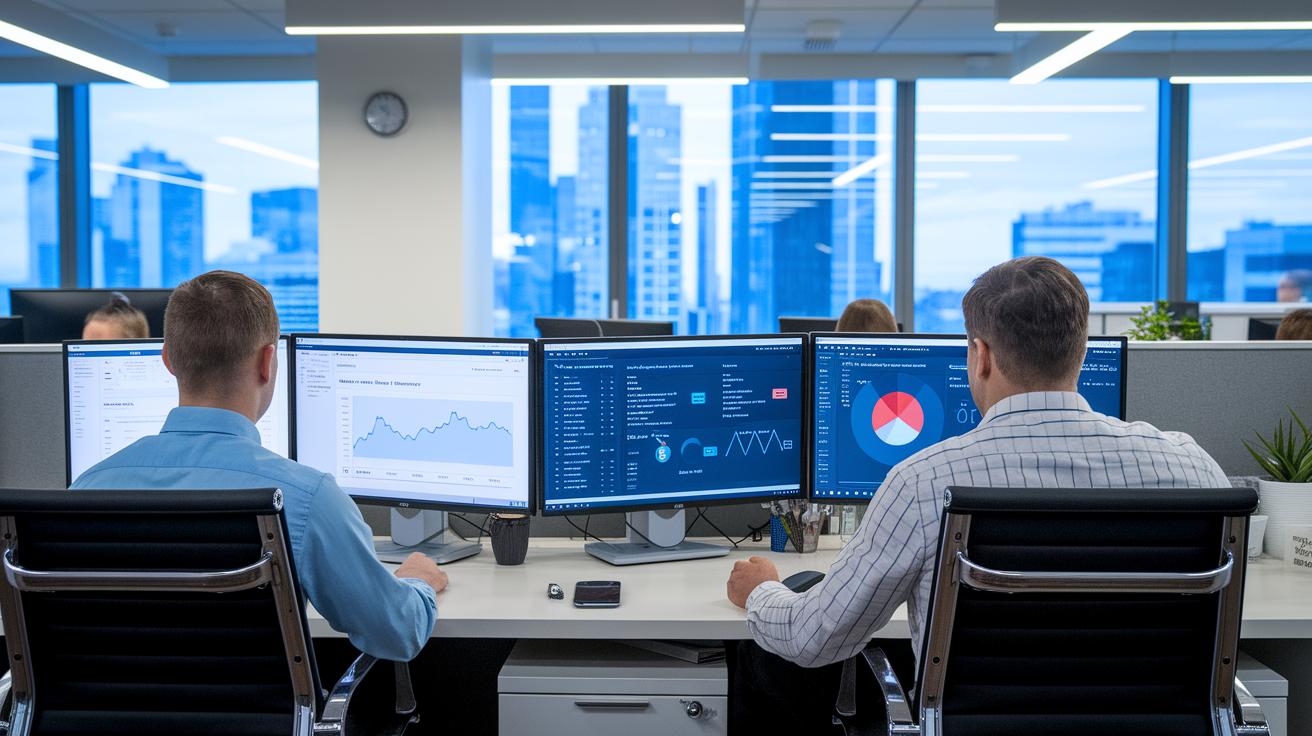
Modern marketing tech is moving at a breakneck pace, and having a strong martech stack (a collection of digital marketing tools) is key to staying ahead. Many brands now rely on platforms like Adobe Real-Time CDP, AI-powered segmentation engines (that is, systems that group audiences using smart algorithms), and interactive dashboards that really bring a campaign to life. Automated email and ad workflows let teams react fast when audience behavior shifts, turning raw numbers into usable insights.
Time pressure and disconnects between departments can make adopting these new tools a bit tricky. Teams might wonder if the data is solid and if the results can back up strategic choices. The trick is to choose platforms that grow with your business and to set up a clear plan that links all systems, from collecting data to tracking performance.
Training your team on data governance is another smart step. When everyone knows how to handle data securely and efficiently, the process runs smoother. For example, during a test run, marketers might quickly see better ad targeting and more accurate reports, which can boost their confidence in the system.
Adopting these advanced martech solutions can redefine your marketing approach. In the end, it streamlines operations, sharpens decision-making, and leads to more responsive campaigns and measurable growth.
Final Words
In the action, we covered emerging data insights that power personalized ad targeting, predictive insights, and real-time cross-platform integration. We highlighted how AI streamlines campaign optimization and boosts ad performance through sharp algorithms and automation.
The blog dissected how unified data builds stronger performance metrics and drives omnichannel synergy. It all circles back to data-driven marketing trends that inform every step toward a smarter, more agile strategy. Positive shifts lie just ahead.
FAQ
What is a data driven marketing trends pdf?
A data driven marketing trends pdf is a document that compiles key insights, statistics, and examples on how customer data shapes marketing tactics. It offers marketers a quick and clear reference.
What are some data driven marketing examples?
Data driven marketing examples include using AI for personalized ads, real-time behavior analysis, and integrating data across channels. These examples show how smart data use can boost campaign effectiveness.
What is a data driven marketing trends ppt?
A data driven marketing trends ppt is a slide presentation detailing charts, case studies, and statistics that explain how customer insights drive marketing strategies. It simplifies complex data into clear visuals.
What do data-driven marketing statistics indicate?
Data-driven marketing statistics indicate how customer insights are transforming campaigns through improved ad targeting, efficient spending, and personalized experiences. They highlight the growing importance of analytics in marketing.
What defines a data-driven marketing strategy?
A data-driven marketing strategy revolves around using customer information to inform all decisions, from creative ads to website tweaks. It relies on analytics and real-time data to refine campaign performance.
What were the data driven marketing trends in 2021?
In 2021, data driven marketing trends emphasized increased AI adoption, personalized customer experiences, and seamless cross-channel data integration while balancing third-party and first-party data for refined targeting.
What were the data driven marketing trends in 2020?
In 2020, data driven marketing trends focused on real-time insights, automation, and robust performance metrics. Marketers shifted to more effective data tools while meeting rising consumer expectations.