
Ever thought a single email could forge a real connection? Personalized marketing is so much more than just adding someone's name in a message. It's like creating a custom playlist that fits a customer's unique taste. When brands tune into genuine interests, say, noticing a love for beauty tips on social apps, they can craft messages that truly resonate. This thoughtful approach builds customer loyalty and boosts engagement, turning everyday emails into memorable experiences that people love to share.
3. personalized marketing Elevates Consumer Engagement
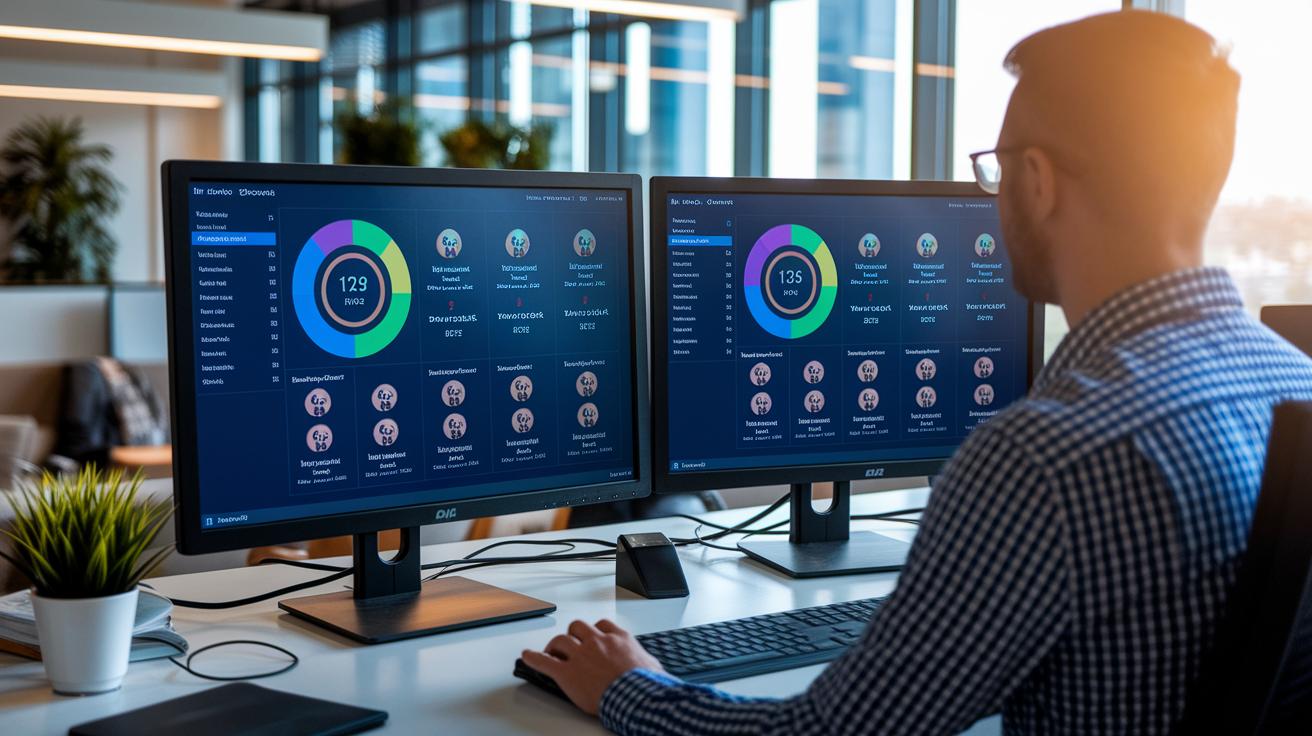
Personalized marketing goes beyond simply adding a customer’s name to an email. It tailors content, offers, and experiences based on real customer behaviors and unique preferences. Think of it like diving deep into digital clues, like when a customer starts checking TikTok for beauty tips, and then using those insights to craft campaigns that truly click. For instance, did you know that personalized emails can lead to six times higher transaction rates than generic ones?
By leaning into a data-driven approach, brands ditch generic messaging and embrace tailored interactions that boost engagement and loyalty. This way, every campaign delivers the right message at just the right moment, which can quickly lift conversion rates. Marketers rely on trusted data sources, like first-party information from customers or even syndicated insights, to fine-tune creative ideas and messaging flows that truly resonate.
A few standout benefits include:
| Benefit | Description |
|---|---|
| Increased Engagement | More interactive, dynamic content that grabs attention |
| Improved Conversion Rates | Targeting based on behavior predictions |
| Cost-Effective Campaigns | Smart spending by maximizing marketing budgets |
| Enhanced Loyalty | Personal touches that make every customer feel valued |
Imagine planning a customer journey like creating a perfect playlist for a special evening. Each message is like a handpicked track, chosen based on customer mood and the right timing for a purchase. This careful curation doesn’t just boost open rates, it builds lasting customer relationships.
Personalized marketing turns raw data into clear, actionable insights. Each interaction feels like a one-on-one chat rather than a broad broadcast, making your marketing strategy feel personal and impactful.
Advanced AI-Driven Audience Segmentation for Personalized Marketing
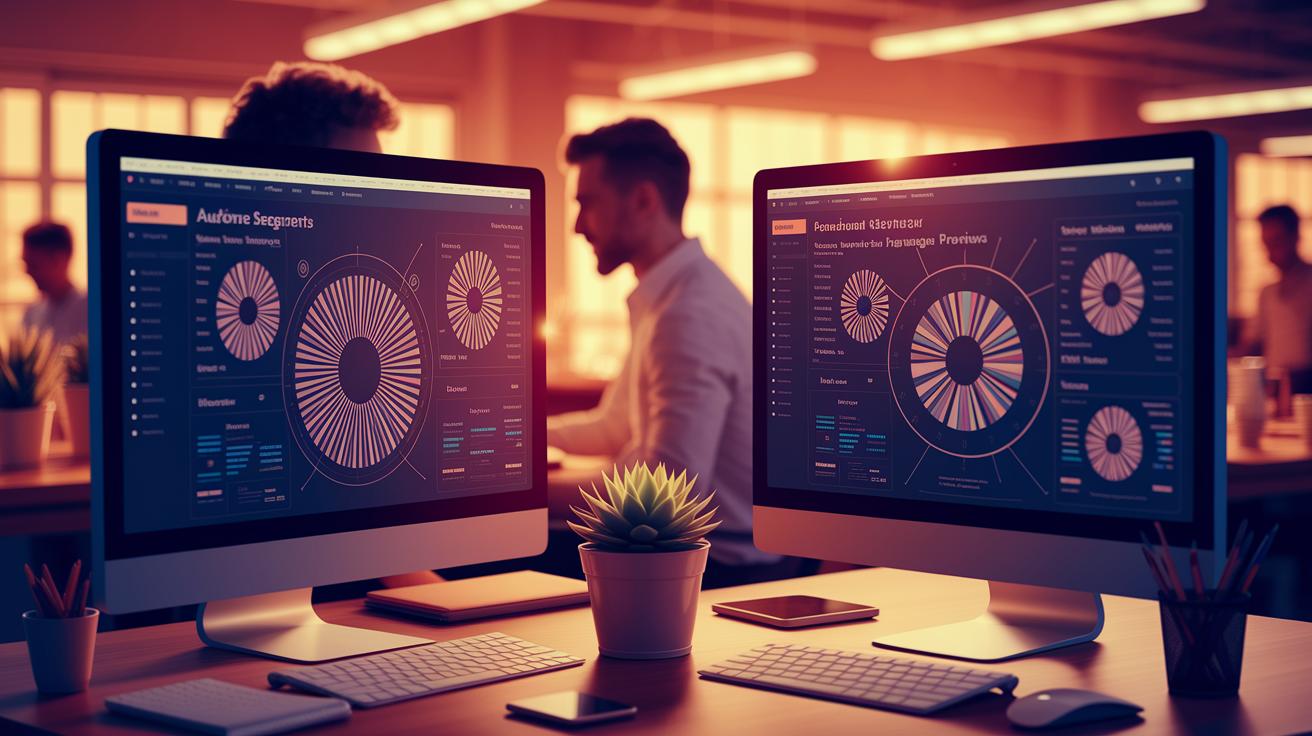
AI-driven audience segmentation is like mixing the perfect cocktail of clean first-party, zero-party, and syndicated data to build trustworthy customer profiles that fuel your hyper-focused marketing efforts. Imagine noticing every digital move, a click on a product video or scrolling through a particular section, and turning those moments into clear, actionable groups. With behavioral data as your guide, each campaign can hit the target with crafted messages that truly resonate.
This method is all about precision. It matches signals from platforms with extra independent data to double-check every insight. For example, while platform and publisher cues might quickly hint at new trends, the independent data steps in to confirm these signals. As a result, marketers can tailor messages that sync perfectly with consumer interests, leading to a noticeable boost in engagement, whether that means interactive messages for video lovers or timely alerts based on recent online behavior.
The tools behind this strategy are essential. They dig into enormous datasets and fine-tune the information into neat, precise segments. These systems keep you on your toes, offering real-time insights while supporting ongoing testing and tweaking. This way, every campaign stays as effective and relevant as possible in today’s bustling, data-driven marketing environment.
Dynamic Content Customization Techniques in Personalized Marketing

Imagine your content morphing in real time as soon as someone interacts with it. This is more than just a clever trick, it creates a spark of excitement. Picture receiving an email that includes a video, explaining exactly how a product fits into your day. Start with a surprising stat, like how personalized email subject lines can boost open rates by nearly 29.5% (that’s almost a 30% jump)!
Dynamic content isn’t set in stone. When a user clicks a product link, the next message might show a brief demo video or even a special, time-sensitive offer. In short, the content evolves right then and there, as if it were reading the customer’s mind. Marketers are tapping into this creative flux to forge genuine connections. Think of it like this: one moment, a user is browsing similar products, and the next, they get a suggestion that fits just right.
Campaign tactics include:
- Custom video messages that walk you through product benefits
- Tailored product recommendations based on recent searches
- Targeted social media outreach spotlighting current offers
- FOMO messages nudging you to act before the moment slips away
Altogether, these dynamic techniques turn run-of-the-mill ads into lively, interactive experiences that deeply resonate on a personal level and ignite customer engagement.
Automated Communication Tools for Personalized Marketing Campaigns
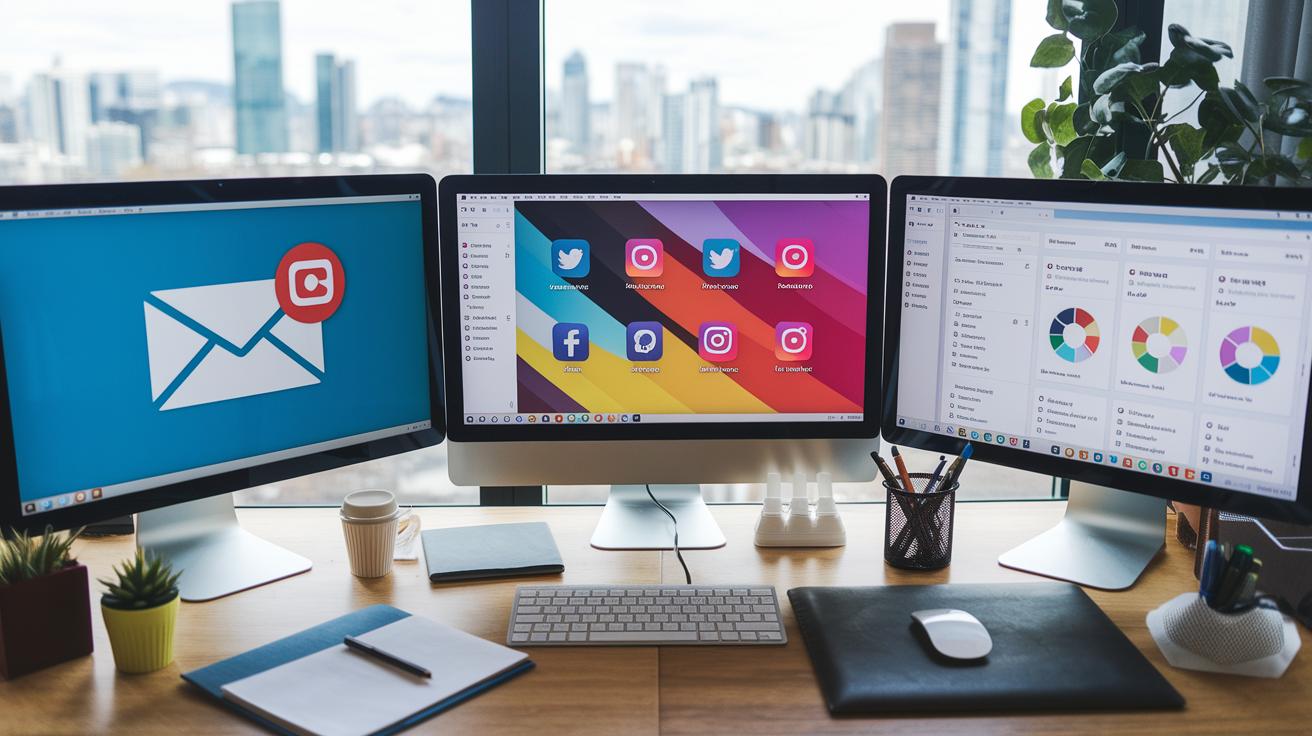
Imagine a toolkit that sends the right message at just the right time, across every channel imaginable. These automated communication tools blend AI (artificial intelligence), automation, and a range of channels like email, mobile, social, and even direct mail to create truly personal interactions. They bring together systems like CRMs, customer data platforms (CDPs), and marketing automation software to craft customized customer journeys in real time.
These platforms let you personalize every message so that each email, text, or social post feels like it was made just for that person. Picture a retail brand that automatically follows up with personalized messages after a customer’s first purchase, boosting repeat visits and building strong brand loyalty.
Beyond personalization, these tools help you reach customers wherever they are. For instance, a well-timed reminder might pop up on a mobile device during lunch and be reinforced later with a social media post. And with conversational messaging, ordinary interactions can quickly turn into engaging dialogues.
In practice, using these integrated platforms means you can keep your messaging consistent across every touchpoint while scaling your campaigns with ease. This approach not only drives results by aligning closely with what customers want but also makes it easy to test and refine your strategy, ensuring that every communication truly counts.
Measuring Personalized Marketing Success: Metrics and KPIs

Knowing which numbers count is a game changer. For instance, a personalized subject line can lift open rates by almost 30%, a clear sign that standing out really does matter. Marketers keep a close eye on these figures to see if campaigns are truly grabbing the consumer's attention. And here’s the fun part: emails that speak directly to someone often spark six times more transactions than generic ones.
Optimizing conversion rates means tracking customers at every twist and turn of their journey. Experts monitor everything, from customer satisfaction (which can jump by 16% when interactions feel personal) to sales, which might see nearly a 20% boost when messages are dialed in just right. Consider this: over two-thirds of shoppers are ready to jump ship if they feel ignored, while more than 60% are likely to buy from brands that deliver a tailored experience.
Key steps to supercharge your campaign metrics include:
Focusing on these metrics not only shines a light on campaign performance but also serves up smart, actionable insights, helping ensure your personalized marketing efforts always hit the mark.
Ethics and Customer Privacy Considerations in Personalized Marketing

When marketers respect customer privacy, they start by setting clear rules about how data is handled. They follow guidelines like GDPR (General Data Protection Regulation) and CCPA (California Consumer Privacy Act) so that customers always know how their information is used. Picture a brand stating plainly, "We use your details only to share things you truly care about." This kind of openness, especially when dealing with data that customers share directly, builds solid trust.
In personalized marketing, ethics isn’t just a tactic, it’s a vital part of forging long-term loyalty. Most digital marketing leaders (about 63%) admit that tailoring experiences can be tricky, and only a small slice (around 17%) lean on AI for safe, privacy-respecting strategies. By keeping ethical practices front and center, companies reduce risks and ensure customer happiness.
At the end of the day, using data responsibly and getting proper consent doesn’t just improve a campaign, it makes every marketing effort more respectful and honest.
Case Studies of Successful Personalized Marketing Campaigns

GroupM Malaysia’s campaign shows us how smart use of data can outshine old-school methods. By diving into detailed market behaviors, including factors like ethnicity, they sharpened their targeting like never before. Imagine a marketer saying, "We used trusted datasets to fine-tune our customer segments." It’s all about using the right data to expand your reach.
Another story comes from brands that began sending custom video messages. This shift boosted engagement by about 30%. When you send a personalized video right when it matters most, it strikes a chord with customers. Think of a major retailer that saw a 40% jump in repeat buys after swapping generic emails for videos made just for each viewer.
Closer looks at campaign successes consistently reveal that tailored messages grab attention and boost revenue. Research shows that when brands speak to individual behaviors, the message feels friendly and spot-on, leading to happier, more loyal customers.
These real-world cases remind us of the power of diving into details. When you mix consumer data with creative storytelling, you bring campaigns to life. With well-informed insights, your content becomes more than just a message, it becomes a memorable experience that builds trust and long-lasting customer relationships.
Future Trends in Personalized Marketing

Predictive consumer modeling is really shaking things up. Today’s smart AI tools help brands understand what customers might do next (kind of like predicting the weather, but for buying habits). Check this out: one brand discovered a major product shift was coming way too late because they hadn’t jumped on predictive models. This new focus lets marketers make quick, real-time decisions and ditch one-size-fits-all strategies.
Interactive video outreach is also taking off. Imagine custom video clips that instantly change based on what you click or watch. Marketers are experimenting with different versions just to see which one wins over audiences. These real-time tweaks mean every message you see feels spot-on.
AI-powered multivariate testing is another game-changer. In simple terms, it analyzes several creative elements at once, like testing different recipes for the perfect dish. More marketers are turning to tools like cluster analysis (grouping similar customers) and machine learning to map out journeys and unearth those super relevant insights. The result? Campaigns that not only hit the mark but personally resonate with you.
Looking ahead, events like SAP Connect, running through 2025, are set to showcase the latest in omnichannel automation. This means digital customization is becoming a mainstream way to craft experiences that truly connect. Embracing these trends ensures you meet your customers exactly where they are, every time and on every channel.
Final Words
In the action, this post broke down key strategies for personalized marketing. It covered everything from data-driven approaches and AI segmentation to dynamic content creation and clearly measured success.
We talked through ethical guidelines and shared campaign case studies that show real results. Looking ahead, the focus remains on innovative trends and automated tools that empower marketers to craft engaging, targeted messages. The insights provided offer a solid foundation for making smart, data-informed decisions in the world of personalized marketing.
FAQ
What is meant by personalized marketing?
Personalized marketing customizes offers, content, and experiences using customer data insights to meet individual needs and behaviors, boosting engagement and customer loyalty.
What are some examples of personalized marketing?
Personalized marketing examples include custom email subject lines, targeted social ads, dynamic website content, and tailored video messages that speak directly to the customer’s interests.
What types of personalized marketing exist?
Types of personalized marketing cover email personalization, dynamic website experiences, targeted social media outreach, and automated messaging that adjusts based on real-time behaviors.
What are the benefits of personalized marketing?
Personalized marketing boosts engagement and conversion rates, improves budget efficiency, and builds stronger customer relationships by delivering relevant experiences at the right time.
What elements define a good personalized marketing strategy?
A solid personalized marketing strategy relies on detailed customer data insights, precise audience segmentation, dynamic content customization, and the use of AI to refine and automate messaging.
How does AI personalization marketing work?
AI personalization marketing uses algorithms to crunch customer data, segment audiences, and deliver real-time, tailored content that meets individual behaviors and preferences.
What are the 4 D’s of personalization?
The 4 D’s of personalization often refer to focusing on Data insights, Dynamic content adjustments, Delivery timing, and Decision-making processes that shape tailored customer interactions.
How do personalized marketing campaigns work?
Personalized marketing campaigns work by gathering customer data, segmenting audiences, and using automation tools to deliver relevant messages across multiple channels.
What is personalized advertising?
Personalized advertising tailors promotional content based on consumer behaviors and preferences, ensuring ads feel relevant and timely, which in turn boosts click-through and conversion rates.
How does personalized marketing integrate with influencer, social media, and internet marketing?
Personalized marketing weaves into influencer, social media, and internet marketing by using targeted messaging and data insights to create content that resonates uniquely with audiences across various digital channels.