Ever thought a marketing analysis tool might be your secret weapon? Picture this: easy-to-read reports that transform raw numbers into eye-opening insights.
This tool brings together info from your website, social channels, and CRM systems (basically a database that tracks customer interactions) so you know at a glance what’s working and what needs a little extra polish.
It even syncs up with popular platforms like Google Analytics 4 (a tool that tracks website visits) and Search Console. This means your team can jump on changes fast, making tweaks on the fly.
Simply put, it powers your campaigns by serving up smart, fact-based insights for quick, effective decisions.
marketing analysis tool fuels campaign success

A marketing analysis tool collects info from sources like website analytics, social media channels, and CRM systems (customer relationship management tools) so teams can make smarter, fact-based decisions. It hooks up with platforms such as Google Analytics 4 and Search Console to track key user actions and campaign results. This straightforward, numbers-first approach gives marketers a clear picture of customer interactions and helps them fine-tune their strategies.
Automatically gathering and crunching data from different online spots, these tools turn huge piles of information into simple, easy-to-read reports. They spotlight which campaigns are hitting the mark and flag areas that could use a little extra love. This lets teams react fast and boost overall campaign performance.
Key features include:
- Multi-source data integration
- Real-time dashboards
- Automated reporting and alerts
- AI-powered insights (using artificial intelligence for trend spotting)
- Customizable KPIs (key performance indicators that matter most to your business)
- Predictive analytics modules
- API and BI platform connectors (for seamless sharing between systems)
Using these tools, marketers can fine-tune their campaigns with real precision. Multi-source data integration and real-time dashboards make it a breeze to track every customer touchpoint, so any crucial change doesn’t go unnoticed. Automated reports and alerts let teams jump on performance shifts as soon as they happen. Plus, AI-powered insights and predictive analytics modules help uncover trends that might otherwise fly under the radar, while customizable KPIs let you set the exact metrics your business needs. And those API and BI connectors? They ensure smooth data flow between all your systems.
Imagine this: one team saw a 15% faster reaction to market shifts after dialing in their real-time dashboard. That quick response supercharged their campaign results. It’s proof that turning raw data into clear, actionable steps can really propel your marketing success.
Comparing leading marketing analysis tool platforms

When you're checking out these marketing tools, it helps to look at how well they work and how easy they are to use. Marketers love tools that mix rock-solid performance, detailed numbers, and a user-friendly design. Some of these tools let you dive deep into huge data sets, while others give you powerful analytics without needing any coding skills. The main idea is to get precision data, room to grow, and smooth integration with your current systems, all while staying within budget.
You want a tool that not only meets your tech needs but also boosts your campaign’s overall performance. It’s like setting up your favorite playlist: the right mix of features makes the whole experience sing.
| Tool | Key Feature | Starting Price |
|---|---|---|
| Improvado | 99.99% SLA & extensive metrics | Custom |
| ThoughtSpot | AI-driven, no-code insights | Custom |
| Domo | 1,000+ connectors, BI integration | Usage-based |
| Google Analytics 4 | Free event tracking, GA360 upgrade | Free/Custom |
| Supermetrics | Simplified Sheets exports | $69/mo |
Looking at these features alongside your budget can make all the difference in choosing a tool that not only tackles your marketing needs but also takes your campaign performance to the next level.
marketing analysis tool pricing and cost-effective options
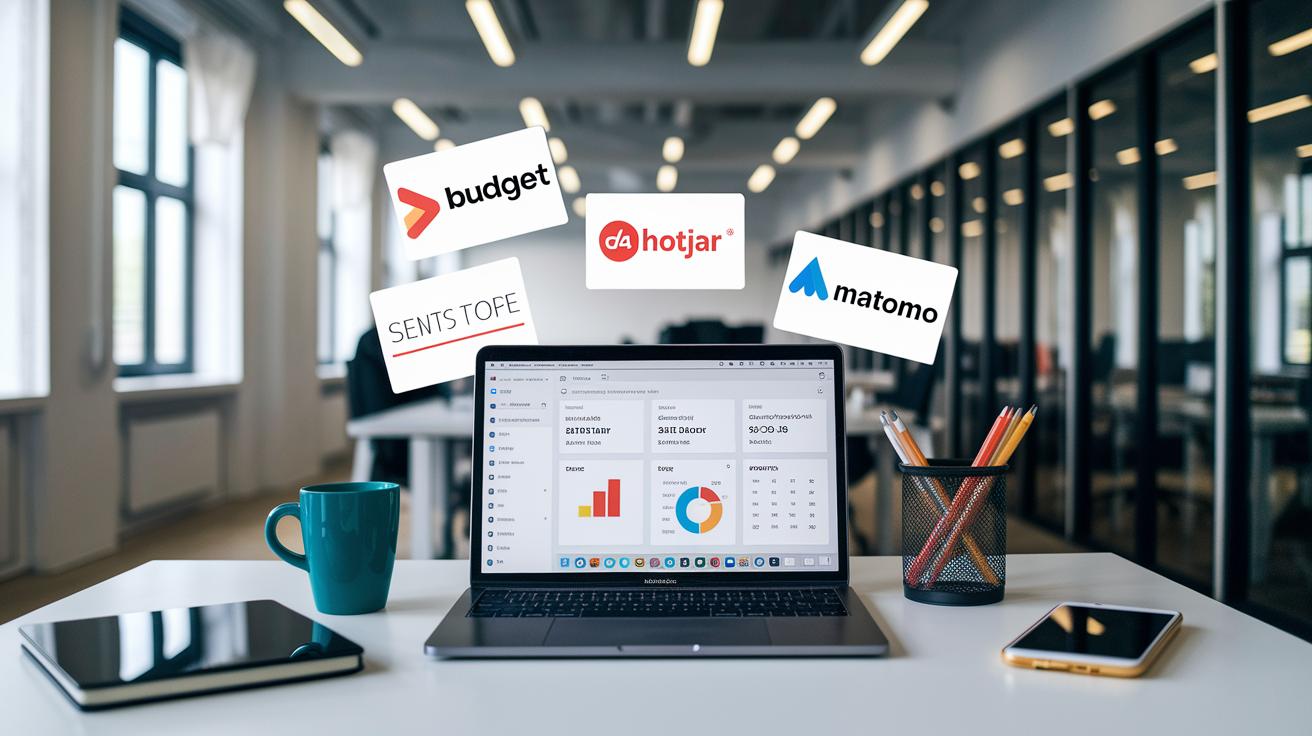
When choosing a marketing analysis tool, it’s really about finding that sweet spot between functionality and cost. There are plenty of affordable options that deliver solid data collection and reporting, making them perfect for both startups and bigger companies on tight budgets. With budget-friendly picks, your team can try out effective methods before committing to fancy platforms. And as your data needs grow, you can always upgrade your tech mix slowly.
Here are a few standout options:
-
Google Analytics 4
This free tool tracks event-based activity (think of tracking clicks and page views) and gives you the basic insights without extra expense. -
Hotjar Basic
A no-cost solution that provides heatmaps and session recordings to help you see how users behave on your site. -
Heap Free Starter
It delivers core behavioral insights at zero cost, so you can keep an eye on how your customers interact without spending a dime. -
Matomo Open Source
With no licensing fees, this option lets you own all your data, making it ideal if you want full control over your analytics.
When deciding, weigh the depth of features against your budget restrictions. This way, you invest in a solution that fits both your analytics needs and your financial limits.
Integrating a marketing analysis tool with your marketing stack

Linking your marketing analysis tool to your stack is key for pulling together data from sources like your CRM, email platforms, social sites, and even offline channels. Imagine it as syncing up your favorite band where each instrument, be it web traffic, sales stats, or campaign goals, plays its part to create a smooth, unified sound.
Getting the integration up and running usually means connecting your current platforms, mapping out essential fields, and setting up automated data pipelines (this process cleans and organizes your data, much like setting the tempo for a live performance). Think about how satisfying it is to see scattered numbers come together on one clear, organized dashboard that reflects your marketing goals.
With one dashboard providing real-time reports and alerts, your team gets fresh updates right when they need them. That means less time checking manually and more time making quick adjustments on the fly, ensuring every campaign tweak is backed by reliable, up-to-date data.
marketing analysis tool success measurement and case studies

Marketing analysis tools can seriously cut down on manual work, saving teams anywhere from 80 to 100 hours a week. Marketers have seen spend drop by as much as 30% when these platforms help them spot areas that aren’t performing well. And get this, more than half of companies report revenue growth when they lean on data-driven campaign evaluations. One interesting case mentioned that a mid-sized firm doubled its decision-making speed once it brought in automated reporting features.
Take a retail brand, for example, that started using Domo to bring all its metrics into one spot. They aimed to simplify reporting and slash the time needed for quarterly updates. With real-time dashboards and automated report generation, they cut report prep time by a whopping 90%. This allowed them to fine-tune their ad spending and boost campaign performance, with one manager noting, "Our workflow now feels like a well-rehearsed play, where every number counts."
Then there’s the story of a SaaS provider that switched to Mixpanel to better understand and keep its users engaged. Their goal was to dive deep into customer behavior and tweak product features based on those insights. By adding targeted A/B testing (comparing two versions of a web page or app feature to see which performs better) and personalized alerts, they enjoyed a 15% lift in retention and got a clearer picture of customer journeys. This shows that with the right tools and follow-up actions, smart decisions can lead to meaningful results.
Advanced analytics techniques in marketing analysis tools

Today’s marketing analysis tools have become real powerhouses. They come packed with smart features that give teams a clear edge. For example, predictive lead scoring, imagine it as a smart nudge, figures out which prospects are likely to engage, helping marketers focus on high-value opportunities.
Attribution models like multi-touch and last-click methods shed light on which customer interactions really matter. Picture a tool that spreads value across every step of the customer journey, showing how each touch influences results. And if you have unique data, some platforms let you import custom models using Python or R (programming languages for data analysis), so you can fine-tune predictions to fit your needs.
AI-driven demand forecasting is another standout. It sends early signals about market shifts, giving teams a chance to adjust their strategies before trends fully take hold.
But it doesn’t stop there. Advanced segmentation techniques also play a key role. With cohort and RFM (Recency, Frequency, Monetary value) analyses, you can break down your audience into meaningful groups and spot behavior patterns that guide smarter campaign choices. Tools that bundle A/B testing results let you compare options easily, almost like sampling two versions of a favorite recipe, to see what resonates best.
Altogether, these techniques form a sophisticated toolkit that refines campaign strategies and boosts overall marketing performance.
Selecting the right marketing analysis tool for your business

Finding the perfect marketing analysis tool is like choosing a partner that gets your campaign vision. You’re looking for something that powers up your data-driven strategy, pulls together clear marketing insights, and tracks how your audience is engaging, all in a way that fits your unique goals.
Business size & data volume
For small to medium-sized businesses, you need a tool that handles a lighter flow of data with easy, straightforward pricing. On the flip side, big enterprises deal with vast amounts of information and need robust support. Think of it as a local online shop using a simple dashboard versus a multinational firm crunching millions of data points with heavy-duty analytics.
Required connectors & integrations
The ideal tool should connect seamlessly with everything you’re working with, from your CRM and ad platforms to social media and even offline systems. Imagine setting up your favorite app where every key element, like email campaign results or e-commerce sales, comes together in one clear, unified report.
Budget, pricing & support
Budget is a big factor here. Sometimes a free trial or a low-cost monthly plan works great, especially if you’re just testing the waters. Other times, you might opt for a subscription that offers more advanced features and top-notch support. I once tried a demo plan where the customer service really made a difference, it was like having an extra hand when you need it most.
User skill level
Some tools are as intuitive as a smartphone app, making them super easy to use. Others might require a bit more technical know-how, like understanding SQL or some coding. It’s important to consider your team’s comfort level with technology so you pick a tool that's a natural fit right from day one.
Final Words
in the action, we explored how a marketing analysis tool collects data and drives decisions by bringing together metrics from web, social, and CRM platforms.
We highlighted core features like real-time dashboards, automated reporting, and AI-powered insights that simplify campaign tracking.
The post compared top platforms, budget-friendly options, and integration tips while showcasing real-world success stories and advanced analytics techniques.
All these insights work together to help you make informed decisions and boost your competitive edge. Keep experimenting and stay inspired!
FAQ
What are marketing analysis tools?
Marketing analysis tools are software that gather data from your web traffic, social media, and CRM platforms. They enable data-driven decisions by revealing trends and refining your campaign strategies.
What are the 5 C’s of marketing analysis?
The 5 C’s typically include Company, Customers, Competitors, Collaborators, and Context. They help you review both internal and external factors to better shape your marketing strategies.
What is the best marketing analytics tool?
The best marketing analytics tool is one that fits your unique needs. It should offer features like multi-source data integration, real-time dashboards, and AI-powered insights to drive smarter campaign decisions.
Where can I find a list of marketing analytics tools?
A comprehensive list of marketing analytics tools is available online. These lists cover options from free tools like Google Analytics to more advanced platforms, helping you compare features and pricing.
How can free marketing analysis tools benefit my business?
Free marketing analysis tools like Google Analytics offer core tracking and reporting features. They provide valuable insights into website performance and user behavior without an upfront cost.
What are some marketing analytics techniques?
Marketing analytics techniques include multi-source integration, real-time reporting, predictive analytics, and segmentation methods. These methods assist in fine-tuning campaign strategies and measuring marketing success.
Can you provide examples of marketing analytics in action?
Examples include tracking website visitor behavior, analyzing social media engagement, forecasting trends, and measuring conversion rates. These actions help optimize campaigns and boost return on investment.
How do tools like Google Tag Manager and Google Search Console enhance analytics?
Google Tag Manager simplifies the addition of tracking codes without extra coding, while Google Search Console monitors website performance in search. Together, they support clearer insights and seamless data integration.
What roles do Google Ads, Google Trends, and Google Search play in marketing analysis?
Google Ads drives targeted paid traffic, Google Trends highlights current search interests, and Google Search monitors organic performance. Together, these tools provide a well-rounded view of your digital marketing efforts.