Tired of playing the guessing game when it comes to marketing? Many strategies miss their mark because they lean too heavily on gut feelings.
Predictive analytics serves up hard facts by mixing past data with today’s trends (think of it as checking yesterday’s numbers and today's online buzz). It’s like using each data point as a key ingredient in your favorite recipe.
With so many decisions still made on intuition alone, it’s time to blend your experience with clear, solid insights. Let’s make every campaign one that truly makes a difference.
How Predictive Analytics Drives Better Targeting and ROI in Marketing Campaigns

Predictive analytics in marketing mixes old data with real-time insights from customer databases and ad platforms to predict what customers might do next. It takes past purchase records and campaign results, helping marketers spot trends that point to which strategies work best. Think of it like preparing your favorite meal, each data point is an ingredient that, when combined just right, makes a winning recipe.
Right now, only about 53% of marketing decisions lean on analytics, meaning many still depend on a hunch. Predictive analytics steps in here, flagging opportunities like potential churn risks and signaling which channels, say, paid search or display ads, can bring the best returns. This shift means marketers move away from simply looking back at results and start forecasting in real time, setting the stage for smarter budget decisions that drive a better return on investment.
When models use live data, conversion rate predictions become much sharper. Teams can pick the exact customer segments they should target for the best results. This more focused approach not only boosts engagement but also sharpens the overall campaign performance. Consider this: more than half of marketing efforts trip up simply because they rely on gut feelings instead of data-driven insights. By embracing predictive analytics, businesses swap uncertainty for confident, strategic actions that fine-tune targeting and ultimately enhance ROI.
Data Integration and Preparation in Predictive Analytics for Marketing Campaigns

Predictive models start with raw data. Marketers gather information from everyday tools like Shopify, Google Analytics (a tool for tracking website data), TikTok Ads, and email platforms. Bringing these sources together is like assembling a puzzle where every piece matters.
Next comes cleaning the data. You remove duplicates and fix errors so that the messy information becomes something you can actually use. It’s a bit like sorting through a cluttered drawer until only the right tools remain. This cleaned-up data sets the stage for predictions that are both accurate and actionable.
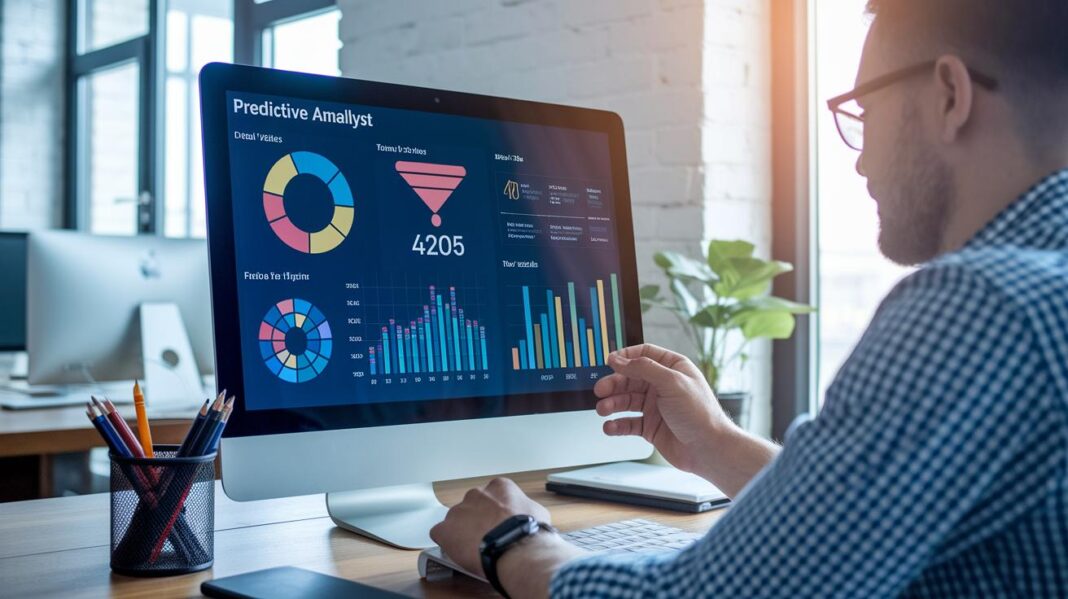
Then, you connect your refined data to visualization tools like Looker Studio or Power BI (software that turns numbers into visuals). These tools bring hidden trends to light. Ever notice how clear, simple charts can make the buzz of a campaign’s performance pop? If you’re interested in how large datasets power predictive models, take a look at "Leveraging Big Data for Consumer Insights" (https://adruckus.com?p=2436).
A high-quality dataset paves the way for real-time modeling and spotting trends as they emerge. With smooth data mining and smart CRM insights through prediction, marketers can design strategies that really hit home and boost their ROI. In short, organized, clear data is the foundation for smarter, measurable campaign strategies.
Modeling Techniques and Tools in Predictive Analytics for Marketing Campaigns

Predictive analytics in marketing mixes tried-and-true statistical models with modern machine learning methods. This combo helps teams shift from mere guessing to making clear, data-backed decisions. Regression models, which forecast trends, are the workhorses for sales predictions. Meanwhile, classification methods (techniques that sort data into fixed groups) pinpoint churn risk so marketers can step in before losing a customer. Clustering groups customer behaviors, making it easier to segment your audience. Add time-series forecasting, which tracks trends over time, and neural networks that uncover hidden patterns, and you have a strategy that really packs a punch. One strategist even noted that a smart classification tool flagged a churn risk early on, letting them rework their message and keep a key customer.
Next up, tools like Sitefinity Insight blend historical data with real-time signals to predict how the next quarter might look. These AI-driven platforms work alongside machine learning strategies to transform huge amounts of data into actionable insights. Automated lead scoring, which ranks prospects based on current CRM activity, comes into play as well. This not only sharpens targeting but also streamlines budget allocation, paving the way for campaigns that hit the mark every time.
| Modeling Technique | Primary Use |
|---|---|
| Regression | Sales forecasting |
| Classification | Churn risk detection |
| Clustering | Behavioral segmentation |
| Time-series forecasting | Trend analysis over time |
| Neural networks | Complex pattern recognition |
This powerful mix of algorithms offers clear, precise predictions that guide everything from content strategy to lead prioritization. For example, a regression model might predict that a targeted email campaign could boost sales by about 10% in a single quarter. This shows how forecast modeling and predictive algorithms can work together to drive tangible, measurable growth.
Case Studies Illustrating Predictive Analytics for Marketing Campaigns

Predictive analytics is now a powerful ally in creating sharper strategies across many industries. Real-life examples show how these data-driven models can fine-tune campaigns and deliver better results. By digging into historical data, companies can spot the key areas that need tweaking and turn insights into measurable success.
Take a look at these examples:
-
E-commerce: Retailers used inventory demand models to understand buying patterns. This smart approach cut stock shortages by 20%, ensuring popular items are always available when customers need them.
-
SaaS: Teams working with software subscriptions used churn prediction tools (tech that flags potential cancellations) to monitor support ticket volumes. This helped them catch potential issues before accounts canceled within 30 days.
-
B2B: Marketers used lead scoring to rank accounts based on activities in their CRM (customer relationship management) and email engagements. This focus on high-interest prospects boosted conversion rates by 15%.
-
Social media: By projecting engagement rates, marketers were able to better allocate spending on posts that were performing well. This allowed them to capture audience attention in real time and make the most of every advertising dollar.
These cases show how custom predictive models let marketing teams adjust plans confidently. Transforming raw data into real, actionable insights gives businesses a clear edge, one that turns smart planning into a solid return on investment.
Measuring ROI and Key Metrics in Predictive Analytics for Marketing Campaigns

Predictive analytics takes raw model results and transforms them into clear ROI by connecting forecasts with the key numbers that matter. Marketers keep an eye on metrics like customer acquisition cost, lifetime value, and retention rate (the percentage of customers who stick around) to see if their efforts are really paying off. It’s like turning abstract data into tangible digits, showing which marketing moves boost returns and which ones need a tweak. Imagine a model pointing out that spending on paid search might boost your sales conversion by 12% more than display ads. Fun fact: a smart predictive model once found that shifting just 5% of the budget into a hot-performing channel lifted overall sales conversion rates by 10% in a single quarter.
With clear ROI estimation methods, marketers can fine-tune budgets based on what the numbers say. When a campaign’s predicted ROI tops the customer acquisition cost, it’s a strong hint that it’s time to invest even more. Techniques like sales conversion projections break down which channels bring in the most revenue so teams know exactly where to focus their energy for the biggest payback.
Visualization dashboards step in to turn all those complex details into easy-to-understand reports. Tools like Consumer Insights Dashboards (click here for more details: https://adruckus.com?p=2385) transform raw numbers into clear charts, making it simple for everyone involved to track marketing ROI in real time. This clear picture lets teams adjust their tactics quickly, ensuring every dollar spent is driving growth and making a real difference.
| Key Technique | Benefit |
|---|---|
| ROI Estimation | Guides smart budget reallocation |
| Performance Measurement | Highlights the channels that truly perform |
| Sales Conversion Projections | Pinpoints immediate wins |
When you turn those numbers into actionable strategy, you create a roadmap for ongoing success. This is how predictive analytics not only quantifies results but also lights the way for smarter, more focused marketing efforts.
Best Practices and Next Steps in Predictive Analytics for Marketing Campaigns

Start by setting clear, specific goals for what you want your predictive models to achieve. Think of it like planning a road trip, ask yourself, "Where exactly do I want to go?" For instance, if you're looking to spot customers on the brink of leaving, imagine having the power to spot red flags before issues escalate.
Next, keep a constant check on your models. Compare what you predicted with what actually happens. If your model forecasts a 15% revenue increase but you only see a 10% uptick, that's your cue to tweak and fine-tune the process.
It helps to have a regular routine for monitoring your model's performance. Set up simple checkpoints that remind you to review each marketing campaign. Here’s a handy breakdown:
| Step | Description |
|---|---|
| Set Goals | Decide on clear outcomes, like reducing churn or boosting revenue. |
| Validate Outcomes | Regularly compare your predictions against real results. |
| Monitor & Adjust | Keep an eye on performance and adjust thresholds as needed. |
Also, tap into the insights from your sales and customer service teams. Their first-hand experience can sharpen your predictive approach and ground the numbers in real customer sentiment. One marketer mentioned it’s like getting a much-needed reality check that ties the abstract figures back to what customers are really saying.
Lastly, stay flexible with your planning. Think ahead about possible shifts in customer behavior and budget needs. This forward-thinking mindset keeps your strategy robust and ready for any market surprises.
Final Words
In the action, we explored how predictive models turn raw data into smart decisions. We broke down steps for data gathering, modeling techniques, and real-world campaign wins. Each section showed how refining processes leads to smarter targeting and boosted ROI. The blog revealed how well-structured analytics can spark meaningful growth. Next, use these insights to shape understanding and strategy. Stay curious, keep testing, and let predictive analytics for marketing campaigns guide your next big move.
FAQ
What are some examples of predictive analytics in marketing campaigns?
Predictive analytics in marketing campaigns use historical data and real-time signals to forecast behavior. Examples include retail inventory forecasting, SaaS churn prediction, and optimizing social media engagement.
What are the best predictive analytics tools, apps, or resources for marketing campaigns?
The best predictive analytics tools in marketing involve AI-driven platforms and statistical models. Top resources include industry-leading platforms, innovative apps, and insightful books that guide campaign strategy.
How is predictive analytics used in marketing?
Predictive analytics in marketing uses historical and real-time data to forecast customer actions, allowing campaigns to target specific segments more effectively and drive better ROI through proactive planning.
What is predictive analytics in marketing in 2025?
In 2025, predictive analytics in marketing is defined by AI-powered forecasting, real-time consumer insights, and automated lead scoring that refine personalization and improve targeting efficiency.
What are the four types of marketing analytics?
The four types include descriptive analytics (what happened), diagnostic analytics (why it happened), predictive analytics (what might happen), and prescriptive analytics (what to do next).
How does Coca-Cola use predictive analytics?
Coca-Cola uses predictive analytics by analyzing historical trends and customer data to forecast demand, fine-tune advertising strategies, and allocate budgets wisely, resulting in smarter marketing initiatives.