Ever wonder if companies stand for social values for profit or principle?
Woke advertising is turning heads by linking brand messages with the causes that really matter to people. It sparks lively debates, nudges consumer choices, and even makes brands take a long, hard look at their own practices.
By blending social awareness into their marketing, brands spark genuine conversations that shape public opinion.
In this piece, we dive into the mechanics of woke advertising and explore why its bold social stance keeps changing our everyday landscape.
Understanding Woke Advertising: Definition and Significance
Woke advertising is a fresh marketing approach that connects brands with today's social trends. It uses everyday themes like diversity and inclusion to hit home with both regular consumers and business buyers.
Often, companies shape their messages to really match what society cares about, even if their internal actions don’t completely keep up. Imagine a famous brand running a campaign with a message like "We stand with you" to celebrate equality, even while its own hiring practices might not fully reflect that promise.
At its core, this strategy turns staying socially current into a kind of financial asset. When a brand seems to support progressive causes, it not only grabs attention but can also steer customers' buying choices. It’s about showing that the company is on the same wavelength as its audience.
Marketing teams dive into woke advertising to spark conversations, build buzz, and sometimes even shift public views. In a vivid marketplace buzzing with new trends, this approach draws people in by weaving social awareness into everyday marketing dialogue.
Woke Advertising in Action: Case Studies of Socially Conscious Campaigns
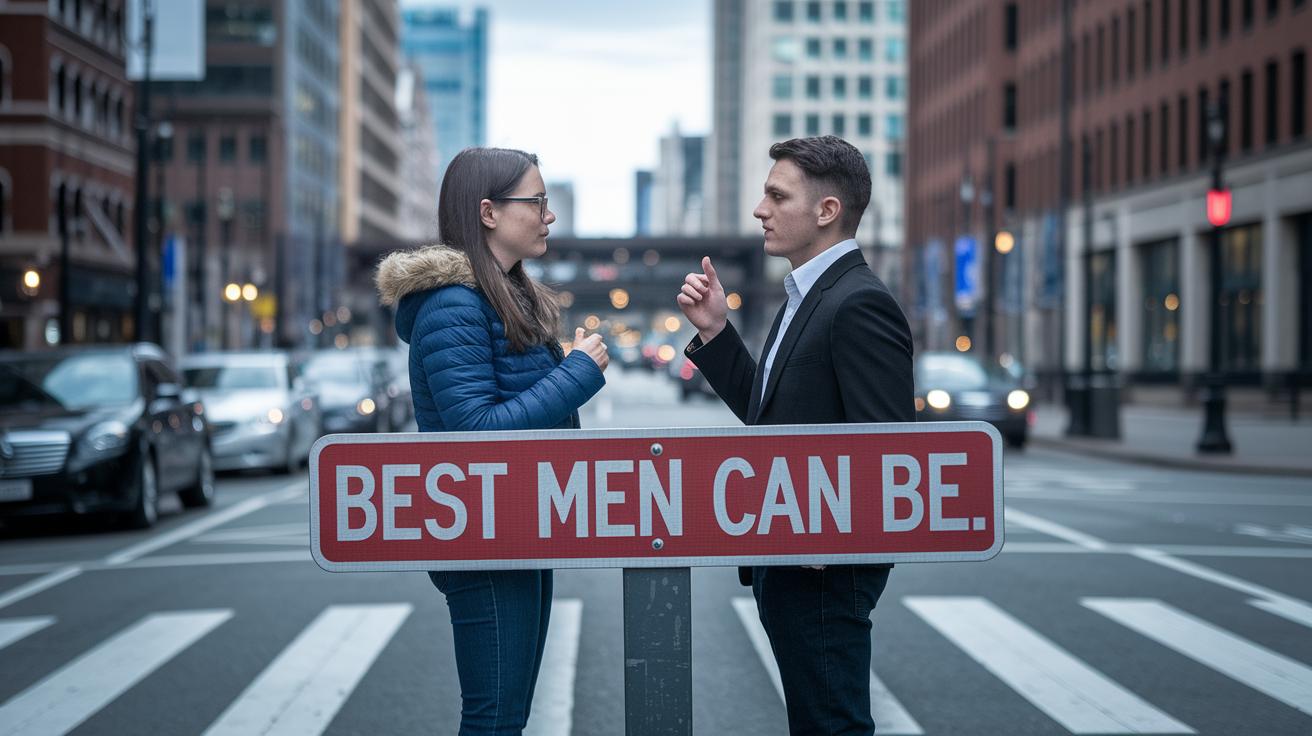
Let’s dive into the story of Gillette’s “The Best Men Can Be” campaign from January 2019, it was a turning point in what folks call woke advertising. Gillette shook up old ideas about masculinity, urging other companies to take a hard look at their own values. The message was bold. People cheered it, others fired back with sharp criticism, Piers Morgan even remarked on January 14 that it caused quite a stir and split opinions, sparking a lively debate on what authenticity means in social messaging.
Before Gillette made its public stand, a bunch of Australian brands had quietly supported LGBT and Indigenous communities. They did it in subtle ways, like sponsoring local events or community programs, rather than launching fiery political campaigns. One brand even ran a simple ad that read, "Celebrating diversity," keeping things low-key. Imagine this: before jumping on the activist bandwagon, some companies were already backing important local causes without fanfare, a reminder that meaningful support doesn’t always need to be loud.
Then there’s Pepsi’s 2017 campaign with Kendall Jenner. What was meant to be an inspiring call for unity quickly fell flat, with many viewers feeling the ad trivialized real social struggles. It’s a classic case of trying to capture the buzz but missing the mark on some very serious issues.
These examples show how tricky it is for brands when they try to align their message with social and political values. The successes, along with the missteps, highlight that if you’re going to dive into woke advertising, you really have to weave your corporate values into the fabric of the message. Otherwise, the risk is coming off as insincere rather than sparking genuine conversation.
Woke Advertising and Its Impact on Brand Image and Consumer Response
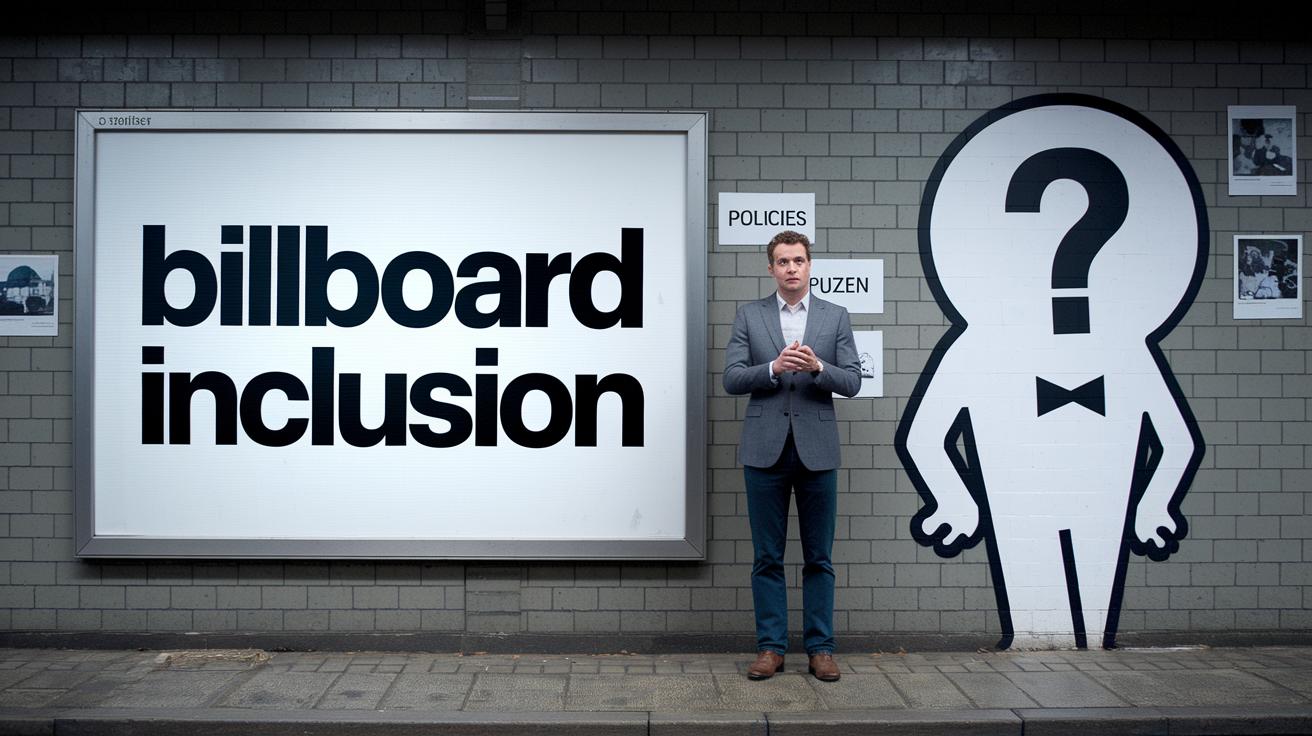
Woke advertising has a big effect on how people see a brand. When a company loudly champions social values, it instantly grabs attention. But if its actions don’t match its promises, trust takes a hit. Think of a firm that shouts, "Everyone matters!" yet falls short on its own policies. In that split second, smart consumers notice the gap.
This disconnect, often called diversity washing, is a real concern. It’s like listening to a heartwarming tale only to find out the details were exaggerated. Picture a brand proudly declaring, "We champion inclusion," only to follow up with lukewarm, surface-level community programs. When words and actions don’t align, audiences quickly see through the act.
Marketers still debate whether the backlash from such ads is a short-term setback or a long-term booster for loyalty. Some folks see a bold activist ad as a signal that a brand isn’t afraid to tackle hard issues, especially when solid actions back it up. Others feel put off, viewing these efforts as nothing more than shiny distractions on a product that lacks genuine substance.
- How consumers react to activist ads depends on whether those symbolic gestures have real substance.
- Genuine, follow-through actions build trust fast, reinforcing ethical brand messaging.
When a brand truly lives up to its promises of social change, it not only wins hearts and minds but also sees a boost in both loyalty and sales.
Woke Advertising Controversies and Backlash

Brands jumping into social messaging soon find out that people expect their words to match their actions. Instead of rehashing old case studies, the focus shifts to understanding the consumer mindset. When a brand's message comes off as out of sync with its actual practices, folks naturally begin to question its trustworthiness. Ever seen a company gush about social progress only to have no real follow-through? It makes you wonder if it's all just a savvy PR move.
At the same time, regulators are keeping a closer eye on claims of social progress. Nowadays, agencies look at both external messages and internal policies. For example, a brand might boldly claim, "We stand for change," while its internal documents suggest otherwise. This mismatch can spark regulatory probes and leave consumers feeling uneasy.
In the long run, a brand's reputation depends on more than just avoiding an immediate backlash. It rests on the true alignment between promises and actions. When there’s a gap, it leaves a lasting mark, making it hard for consumers to stick around.
- Consumers need a clear connection between what a brand says and what it actually does.
- With tighter regulatory scrutiny, brands must back up their claims with real, measurable steps.
- Building a solid reputation relies on consistent, verifiable progress rather than just catchy slogans.
Woke Advertising Best Practices for Inclusive Branding

Brands diving into woke advertising need to show that they practice what they preach. It all starts with taking an honest look at internal policies, the diversity of the team, and even how products are sourced. For example, one company took the extra step of combing through every process before launching their campaign. This simple action helps make sure what they say is backed up by real results.
A handy checklist is a great place to start:
- Double-check your company policies to make sure they match the social causes you’re promoting.
- Look at your team’s makeup to see if it reflects the inclusivity message you send out.
- Review your supply-chain practices to be sure your sourcing is ethical.
- Chat with community leaders to bring fresh, genuine insights into your strategy.
- Pledge to regular updates that show real, measurable progress.
Then, think about boosting your creative game by using frameworks like Nutcracker’s NX3. This approach blends strategy, creativity, and digital know-how (a fancy term that means using online tools effectively). It helps turn social ideas into actions that not only look good on paper, but also drive strong, measurable growth. Imagine designing your campaign like you’d make your favorite playlist, pick the best tactics, arrange them into a compelling story, and hit play, all while keeping your internal practices on point.
For those looking to really own their ethical brand spot, leaning on ideas like values based marketing can refine your game plan even more. The brands that walk the talk tend to build deeper connections with their audience and earn genuine trust.
| Checklist Item | Action |
|---|---|
| Policy Audit | Match internal processes with public messaging |
| Diversity Review | Ensure the team mirrors the inclusivity message |
Future Outlook of Woke Advertising: Trends and Innovations

Digital marketing is speeding up, and woke advertising is riding that wave. Marketers are leaning into programmatic channels (automated ad buying), social media buzz, and tech-forward platforms to share activist messages that grab your attention and spark real conversations. It’s a bit like crafting the perfect playlist, each ad segment is handpicked to click with today’s pressing social issues.
Brands are also sharpening how they measure true authenticity. Using real-time data and smart analytics, they now track how people feel about their campaigns and how deeply they engage. This hands-on, data-driven approach shows that what they say publicly really matches their behind-the-scenes values. In fact, some are even using digital ad trends to see how their performance stacks against the latest best practices.
Meanwhile, new innovations such as automated insights and closer ties between online ads and social metrics are reshaping the game. These tools bring clear measurements on the impact of activism-driven advertising. As these digital tactics grow more refined, the future of woke advertising looks set to be even more nimble, targeted, and connected with the communities it reaches.
Final Words
In the action, we saw how brands use social narratives to drive customer engagement. The post covered definitions and real-world case studies, showing both the wins and missteps in aligning values with action. It also broke down how genuine practices can shape consumer trust and loyalty. Looking ahead, emerging strategies and digital tweaks point to a more authentic future for companies. Woke advertising stands out as a dynamic tool for creating meaningful connections.
FAQ
What does woke advertising mean?
Woke advertising means brands use social issues in their messaging to show a modern, progressive image. It aims to connect with consumers through ethical narratives, even if it sometimes faces criticism for seeming insincere.
What is an example of a woke ad?
A common example of a woke ad is Gillette’s “The Best Men Can Be” campaign, which focused on challenging stereotypes and promoting social responsibility, sparking both praise and debate among audiences.
What is a woke brand?
A woke brand is one that aligns its public image with progressive social values, often promoting initiatives that support inclusivity and social justice, though success depends on genuine, internal practices matching the messaging.
What does woke washing mean?
Woke washing refers to brands adopting progressive messaging in their ads without making real changes internally. This practice risks hurting credibility when consumers spot a disconnect between words and actions.
What is the meaning of “go woke, go broke”?
The phrase “go woke, go broke” suggests that brands taking a strong stand on social issues might risk alienating some consumers, potentially hurting their sales, though outcomes can vary widely based on execution.
What is a woke advertising strategy?
A woke advertising strategy uses social and cultural narratives to engage audiences. It involves aligning campaigns with progressive values while ensuring messaging is backed by authentic business practices.
How has woke advertising evolved since 2021/2022?
Woke advertising evolved by embracing more digital tools and data-driven approaches. Over time, brands have refined their messaging to better connect with consumers while responding to feedback and controversy.
What causes woke advertising backlash?
Woke advertising backlash arises when consumers feel a brand’s social claims are superficial or contradictory to its actions. This gap between messaging and practice can lead to public criticism and damaged trust.