
Ever wonder how some brands turn simple clicks into loyal fans while others just don’t hit the mark? A solid digital marketing plan is like your trusted roadmap. It takes all those random efforts and turns them into smart moves. Think of it like setting up a fun road trip: you plan your stops, pick the best routes, and know when to switch gears.
In this chat, we walk you through the must-have elements of a winning digital marketing plan. It’s all about building trust and seeing real results. Let’s dive in and explore how you can put your strategy on the express lane to success.
Digital Marketing Plan: Definition, Purpose, and Key Benefits

A digital marketing plan is really your go-to roadmap for connecting with your audience. It lays out clear goals and easy-to-follow steps using channels like email, social media, online ads, and even SMS (that means text messages). Think of it like planning a trip, you know exactly which routes to take and which stops are important so you can reach your target audience effectively.
This plan also acts like a live conversation with your customers. When you get real-time feedback, you instantly find out what clicks with them and what doesn’t. That means you can tweak your strategy on the fly, much like adjusting a recipe as you cook. It’s all about keeping your messaging fresh and on point.
Plus, a consistent plan builds trust. Keeping your brand’s voice steady across every channel helps people recognize and believe in what you offer. Imagine refining a campaign right when customer insights nudge you toward a new trend, it keeps your business agile and competitive in today’s busy digital market.
what is a digital marketing plan: Winning Results
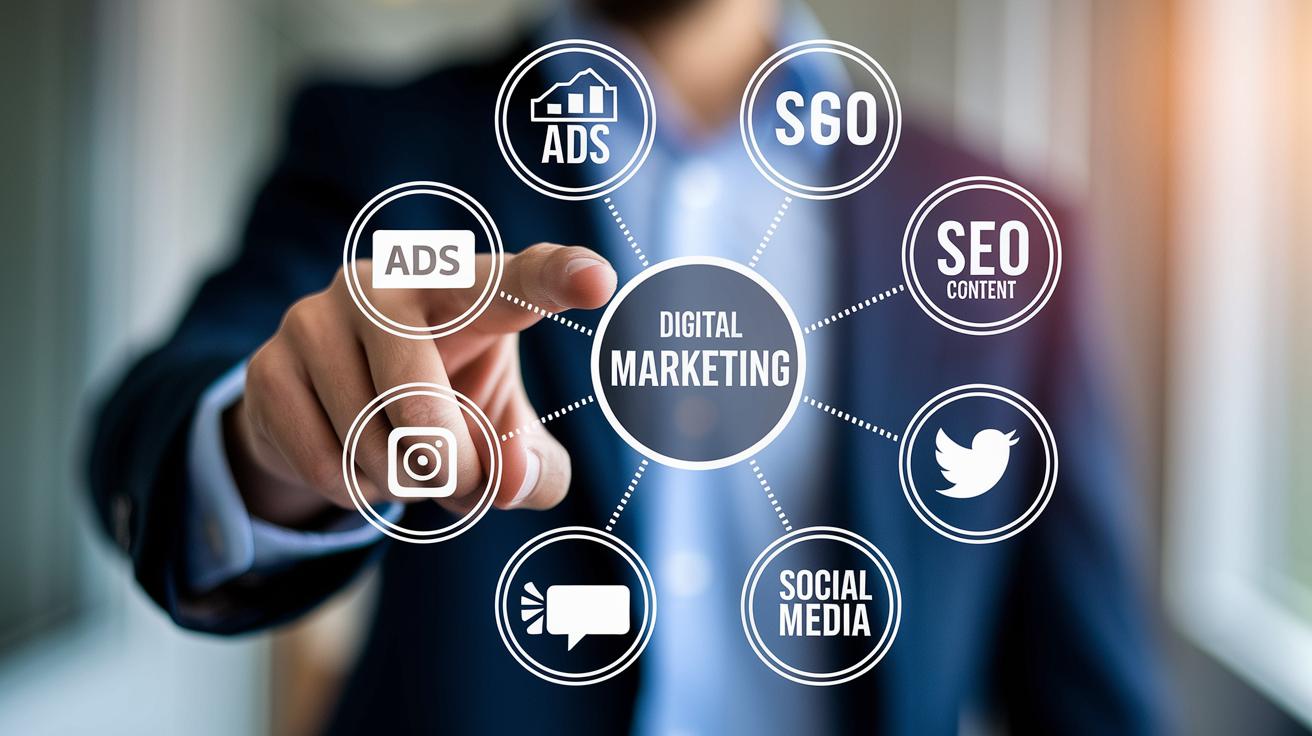
A digital marketing plan is like your roadmap to online success. It lays out clear goals and shows exactly how your company can reach its ideal audience through various channels. Think of it as planning a fun road trip where every stop, from social media to web ads, has its own purpose, all working in harmony for one big win.
• Online Advertising: This involves using display, search, and video ads to grab the attention of your target crowd. For a fresh burst of ideas, check out some marketing strategy examples at https://adruckus.com?p=212.
• Content Marketing: Here, you create engaging content powered by keyword research and SEO (making your site more searchable on Google).
• Email Marketing: This strategy focuses on writing emails that dodge spam filters and truly connect with readers.
• Mobile Optimization: Your website and content are tweaked to look and work great on mobile devices.
• Reputation Marketing: This builds trust by spotlighting positive customer reviews.
• SEO: By integrating targeted keywords and backlink strategies, your online presence becomes brighter and easier to find.
• Social Media Marketing: Engage with audiences on popular platforms like Facebook, Twitter, Instagram, and LinkedIn.
• Video Marketing: Captivate viewers with appealing, visual content that pops on today’s top platforms.
• Webinars: Host interactive sessions that are both educational and a great way to connect face-to-face with your audience.
• Web Analytics: Use real-time data to track performance, evaluate campaigns, and fine-tune your approach on the fly.
Each of these pieces comes together like parts of a well-oiled machine. I often think of it as creating the perfect playlist, each track has its moment, yet together they set the ideal mood for success. By blending innovative advertising, engaging content, and smart tracking, this unified approach not only drives targeted interactions but also builds measurable growth and lasting competitive strength in the digital world.
Market Research & Audience Segmentation in Your Digital Marketing Plan

Market insights and audience segmentation are the backbone of every digital marketing campaign. They help you tune into the pulse of your market by blending internal reviews with a look at what the competition is doing. In simple terms, you match what buyers are doing online with a clear plan for reaching them. This approach highlights your strengths while spotting opportunities for growth, keeping your strategy grounded in real market moves.
SWOT Analysis
Start by taking a good look inside your own operations. List out what really works and where things could use a refresh, kind of like checking which puzzle piece is missing. Think about it: your social media engagement might be a hit, even if your email responses could be quicker.
Then, step outside your door. Notice trends among customers and what rivals are trying out. This balanced view gives you a solid base for making smart decisions that keep your plan strong and flexible.
Competitor Analysis Techniques
When it comes to checking out the competition, there are loads of online tools at your disposal. For example, a marketing analysis tool (a fancy way of saying a tool that tracks digital moves) can help you see what competitors are up to and gauge their impact.
Digging into how your rivals perform doesn’t just keep you informed, it can spark fresh ideas for how to tweak your own strategy. Keeping an eye on these trends ensures your plan remains both current and creative.
Audience Segmentation Strategy
Breaking your audience into smaller, manageable groups is key. Think of it as creating mini-profiles, like sorting your favorite playlists by mood. When you really get to know these groups, you can tailor your messages just right.
By speaking directly to their needs, your digital marketing plan becomes more than one-size-fits-all. Instead, it turns into a series of personal conversations that drive real results.
Strategy & Tactics Development for a Digital Marketing Plan

Crafting a winning digital marketing plan is like piecing together a detailed blueprint where every channel plays its part. You mix content marketing, SEO, email outreach, paid search, and more into one harmonious plan. It’s like planning your ideal playlist, every track (or marketing channel) is carefully chosen to hit just the right note at the right time.
Imagine pairing a solid content strategy with engaging social media tactics and smart email planning, all while ensuring that your paid ads and mobile approaches move in sync. For example, your campaign might feature a strong video push on YouTube along with CRM-driven outreach (that’s a system to manage customer relationships) to echo your message at every touchpoint.
This integrated, multichannel approach means each tactic, from PPC (pay-per-click) campaigns to organic social engagement, plays a role in boosting your overall marketing impact.
| Channel | Key Tactics |
|---|---|
| SEO | Keyword research, backlink strategies, and optimized content creation |
| Segmented lists, personalized messaging, and automation flows | |
| Social | Organic engagement, influencer partnerships, and targeted ads |
| PPC | Optimized bids, performance tracking, and ad copy testing |
| Mobile | Responsive designs, SMS campaigns, and mobile-friendly content |
| Video | Platform-specific content, live sessions, and educational webinars |
By aligning every channel’s tactics with clear campaign goals, you create an environment where all efforts contribute to a unified message. It’s as if each marketing element is handpicked to harmonize at just the right moment, ensuring your digital strategy not only reaches your audience but also delivers results you can measure.
Goals, Budget Allocation & Timeline in a Digital Marketing Plan

Kick things off by setting clear SMART goals, that means goals that are Specific, Measurable, Achievable, Relevant, and Time-bound. Think of these goals as your campaign’s roadmap. For example, you might aim to boost website leads by 15% in just three months. This approach keeps everyone focused on tangible targets that you can actually track.
Next, let’s dive into budget allocation. This step is all about turning those goals into results by assigning funds wisely. You’ll want to split your budget across channels based on cost-per-lead estimates (the average cost you pay to get a new contact) and what past campaign data tells you. Picture it like filling up different parts of your campaign engine with just the right amount of fuel, each dollar helps drive performance and informs future tweaks.
Finally, build a solid timeline to hold everything together. Lay out launch dates, key milestones, and regular review points. This not only keeps your campaign moving forward but also makes it super clear when to check if you’re hitting your KPIs (key performance indicators) and tracking ROI (return on investment) effectively. In short, the timeline helps you stay nimble and adjust strategies as needed, ensuring every step is measured and meaningful.
Measuring & Optimizing Performance in Your Digital Marketing Plan

Key Performance Indicators
Choosing the right numbers to track is key to knowing how your campaign is doing. Marketers pick metrics, like conversion rates (the percentage of visitors who take a desired action) or engagement levels, based on clear goals. For instance, if boosting online sales is your mission, you might look at how many visitors end up making a purchase. By focusing on these numbers, you create a straightforward cycle of feedback that shows which channels are really driving results.
Analytics Tools & Real-Time Monitoring
Using web analytics tools is a must for understanding how users behave on your site. Platforms like Google Analytics (a tool that tracks website activity) let you see where traffic comes from, how engaged visitors are, and where visitors might be getting stuck. These dashboards serve up live data so you can catch trends as they happen. Imagine checking your website stats in real time and adjusting your campaign when click-through rates drop, it’s like having a pulse on your digital heartbeat.
Optimization & A/B Testing
Improving your digital marketing plan means constantly experimenting with new tactics. A/B testing lets you compare two versions of something, like a landing page or ad copy, to see which one clicks better with your audience. These small tests reveal what really resonates. By using what you learn from A/B testing and immediate data, you can fine-tune your strategy and boost ROI. Picture testing two styles of a call-to-action button and discovering that a direct message gets more clicks, then rolling out that style across your campaigns for better performance.
Evolving Your Digital Marketing Plan for Continuous Improvement

Don’t let your digital marketing plan get stale. Every few months, take a moment to review your key numbers and market shifts. When engagement or click-through rates drop, that’s your cue to dig in and rethink your channels. This regular check keeps your plan upbeat and ready to adapt, ensuring you’re always riding current trends.
Then, use what you’ve learned to fine-tune your approach. Test out new channels and adjust tactics to meet your goals better. For instance, if a fresh targeting strategy boosts conversions, make it a mainstay in your toolbox. Each update builds a sharper, more dynamic marketing plan that grows along with the fast-moving digital world.
Final Words
In the action, we explored what is a digital marketing plan by breaking down its core elements, from defining roles and benefits to listing essential components that keep brands connected with customers.
We examined market research, tactical strategies, budgeting, timeline organization, and the importance of measuring performance. We also touched on how continuous updates refine plan execution. This recap keeps the insight sharp and directly relevant to making informed, confident decisions in digital marketing.
FAQ
What is a digital marketing plan example?
A digital marketing plan example illustrates a structured blueprint that outlines goals, tactics, and channels like email, SEO, social media, and content marketing to drive brand engagement.
What is a digital marketing plan template (including PDFs and PPTs)?
A digital marketing plan template offers a pre-designed format that organizes strategies, budgets, and timelines. Files like PDFs or PPTs guide users step-by-step in building an effective plan.
What are the 5 main strategies of digital marketing?
The 5 main strategies include content marketing, search engine optimization (SEO), social media marketing, email marketing, and pay-per-click advertising (PPC), which work together to boost brand exposure.
How do you create a digital marketing plan?
Creating a digital marketing plan involves gathering market insights, setting clear, measurable goals, selecting key tactics across channels, allocating a budget, and continuously reviewing performance for improvements.
What is a digital marketing plan for small business?
A digital marketing plan for small business focuses on cost-effective strategies such as local SEO, social media, and targeted content to reach specific audiences and maximize returns with limited budgets.
What do you mean by a digital marketing plan?
A digital marketing plan is a detailed strategy that outlines marketing goals, tactics, and budgets across online channels, ensuring consistent messaging and effective customer engagement.
What are the 4 types of digital marketing?
The four types generally include content marketing, search engine marketing (SEM), social media marketing, and email marketing, each offering a distinct way to engage and grow an audience.
What are the 5 steps of digital marketing?
The five steps begin with market research, then strategy development, campaign execution, performance tracking, and finally, continuous optimization to enhance overall campaign effectiveness.
What are the 7 C’s of digital marketing?
The seven C’s refer to elements such as customer, content, channel, context, community, commerce, and collaboration, providing a framework to build and evaluate comprehensive marketing campaigns.
How do digital marketing, SEO, social media, content marketing, and web development work together?
Digital marketing integrates SEO, social media, content marketing, and web development into one cohesive strategy that boosts brand visibility, improves user experience, and drives targeted traffic.