Are you still holding on to outdated marketing methods, or are you keeping pace with modern trends? Picture traditional marketing as that dependable newspaper ad you trust, it brings a warm sense of familiarity and builds trust slowly but surely.
Now imagine digital marketing as a carefully curated playlist of online ads that delivers real-time insights. It gives you the pulse on how customers react right away, much like catching the buzz of a freshly launched campaign.
In this post, we'll dive into blending these two sides. By mixing time-tested reliability with innovative, instant strategies, you can boost your brand's reach and create a campaign that truly resonates.
traditional marketing vs digital marketing: One Smart Choice
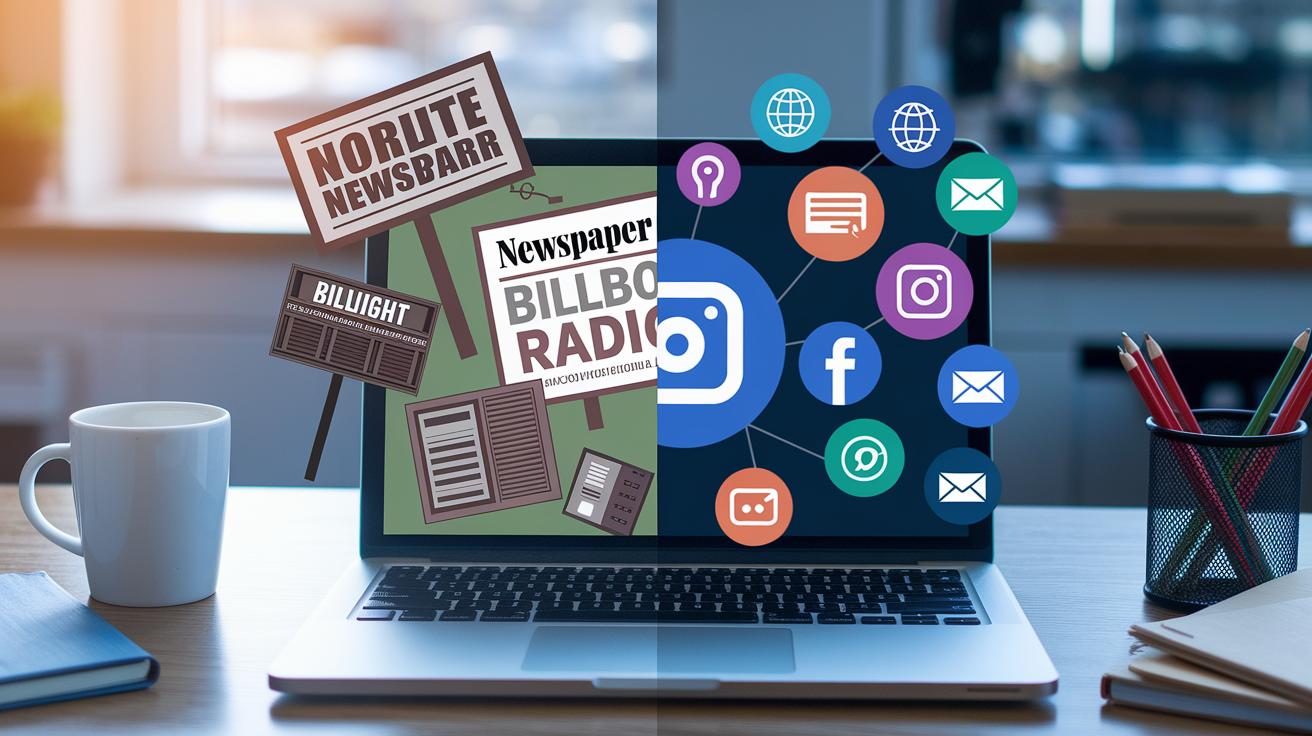
Traditional marketing sticks with offline channels that have been around since the mid-1900s. Think newspapers, magazines, TV and radio spots, direct mail, and outdoor displays like billboards and posters. These methods work through repeated exposure in familiar media, building trust and local engagement. For example, a bold, full-page newspaper ad has long been a go-to for reaching a wide audience without complicated tracking.
Digital marketing flips the script by using the internet and electronic devices to connect with people in real time. It covers things like search engines, social media, email campaigns, websites, and mobile apps. This approach lets you zero in on specific groups based on details like age, interests, or online behaviors. Imagine planning your campaign like curating your favorite playlist: pick the best tunes (creative content), arrange them to tell your brand’s story (strategy), and hit play (launch). Not only does this offer pinpoint targeting, but you can also see how people engage with your content instantly.
Budget trends show a clear split. Many businesses still allocate around 28% of their marketing budget to traditional channels because of their broad appeal and local trust. At the same time, digital spends are climbing thanks to their low costs, with digital ads sometimes costing just a few cents per click, and the fact that results are easy to measure. This head-to-head comparison highlights how both strategies bring unique strengths to the table, proving that a mix of traditional and digital can boost brand visibility and overall performance in today’s fast-moving market.
Common Offline vs Online Advertising Channels in Traditional vs Digital Marketing

Choosing the right channels is super important if you want to expand your reach and keep your audience engaged. It’s about blending the timeless appeal of traditional media with the precise, on-demand power of digital marketing, giving your campaign both a personal touch and measurable impact.
Traditional channels have solid, proven ways of connecting with people. Here are seven favorites that marketers have relied on for years:
- Print (newspapers and magazines)
- TV commercials and radio spots
- Direct mail pieces
- Telemarketing calls
- Out-of-home ads like billboards and transit spots
- Event sponsorships
- Guerrilla marketing tactics
On the digital side, modern strategies let you interact with your audience in a more direct and trackable way. Consider these eight digital methods:
- Paid social ads (sponsored posts on social media)
- Email campaigns
- Search engine optimization (SEO – boosting your site’s ranking on search engines)
- Content marketing (blogs, articles, etc.)
- Pay-per-click (PPC – ads you pay for when someone clicks them)
- Influencer collaborations (partnering with popular online figures)
- Banner ads
- Video pre-roll ads (those short clips before a video starts; click to learn more about interactive digital marketing content)
Mixing both traditional and digital channels helps you build trust and keep your messaging fresh. Offline media gives you local credibility and a human touch, while online tactics offer real-time feedback and measurable results. This balanced approach not only amps up your overall campaign effectiveness but also lets you fine-tune your strategy based on what your audience actually does.
Cost Analysis and ROI Measurement for Traditional vs Digital Marketing

When planning your marketing budget, it's important to know both how much you're spending and what response you can expect. Today, businesses look for cost-effectiveness that shows up as clear, tangible returns. For example, in 2024, you might pay around $750 for a full-page newspaper ad, while digital ads might cost about $0.03 to $0.05 per click (meaning you pay each time someone clicks your ad). Email marketing is another standout, often delivering around $36 in return for every $1 spent. Even telemarketing has improved, nearly doubling its conversion rate from 2% to 4.82% in just one year. And then there's AM/FM radio, which still grabs the attention of 76% of commuters. Many companies invest roughly 28% of their budgets in these classic channels to build that trusted brand presence.
| Channel | Typical Cost | ROI or Success Metric |
|---|---|---|
| Newspaper Ad | $750 (full-page) | Brand reach (Circulation-based) |
| Digital CPC Ad | $0.03–$0.05 per click | Click-through rate |
| Email Marketing | Variable (list size) | 36× ROI |
| Telemarketing | Cost per call | 4.82% conversion |
| Radio Ad | $200–$1,000 per spot | 76% commuter reach |
Looking at the numbers, digital marketing usually wins when it comes to keeping costs low and results measurable. The beauty of digital tools is you can track things in real time and tweak your strategy as needed. At the same time, traditional channels are still loved for their broad reach and ability to steadily build up your brand through repeated exposures. In short, while digital channels deliver direct, trackable responses, traditional ones offer that wider, more lasting brand presence. This balance helps marketers decide how best to allocate their budgets, using digital to drive cost efficiency and traditional methods to keep that familiar, trusted image.
Audience Targeting Capabilities and Measurement Techniques in Traditional vs Digital Marketing
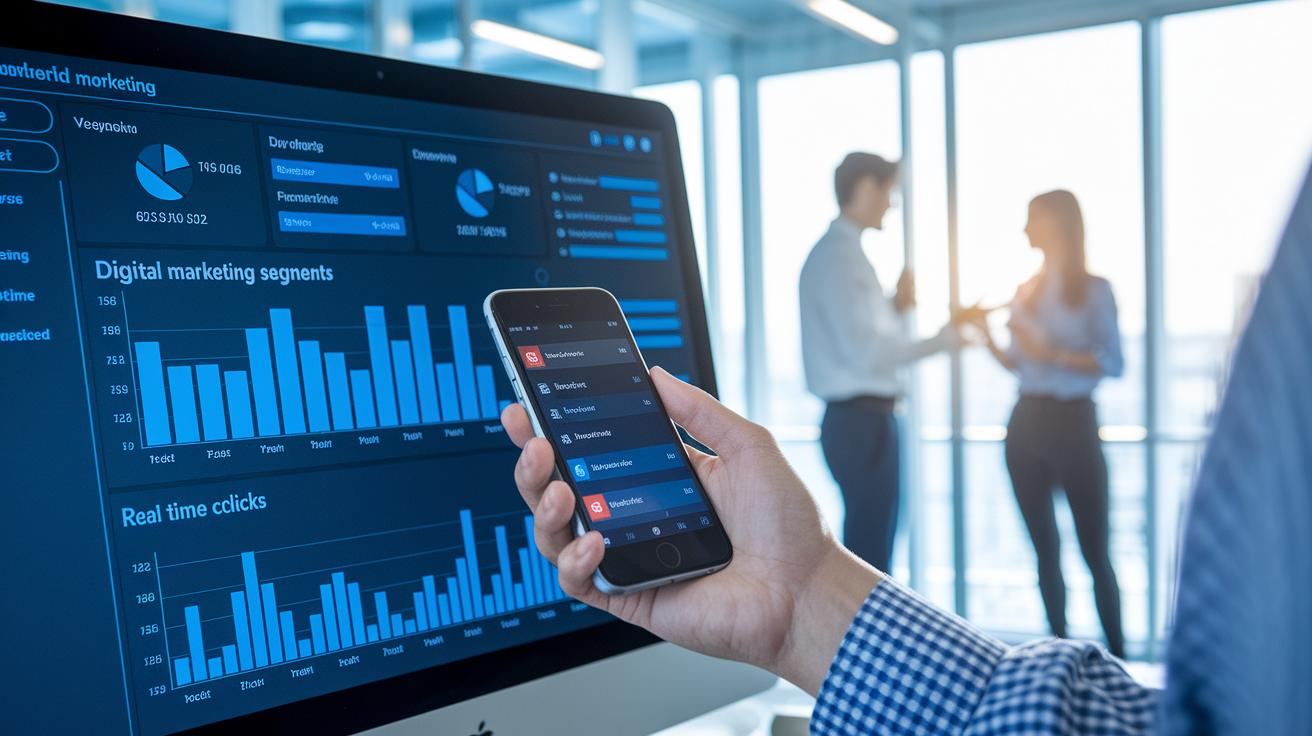
Digital marketing makes targeting feel almost magical. With tools that let you pick your audience, based on age, interests, or habits, you can watch how people click, share, or simply ignore your message in real time. Imagine setting up an ad and getting instant data, like knowing exactly when someone hits “buy now” right after seeing your post.
Traditional marketing, on the other hand, sticks with old-school methods. Think TV or radio ratings from studies like those by Nielsen or Arbitron, plus the good old mail-list surveys. These methods give you a broad picture of who sees your campaign, but they don’t offer the precise slices you get with digital tools. When you run a flyer or radio spot, you’re left waiting for survey results to see what worked.
These differences matter a lot when it comes to shaping your marketing strategy and budget. With digital methods, you can quickly adjust your approach based on up-to-the-minute feedback. Traditional marketing, though slower on insights, builds solid trust and a wide reach over time. Balancing both means you enjoy the benefits of instant data while also building long-term credibility with your audience.
Evaluating Key Advantages and Limitations of Traditional vs Digital Marketing
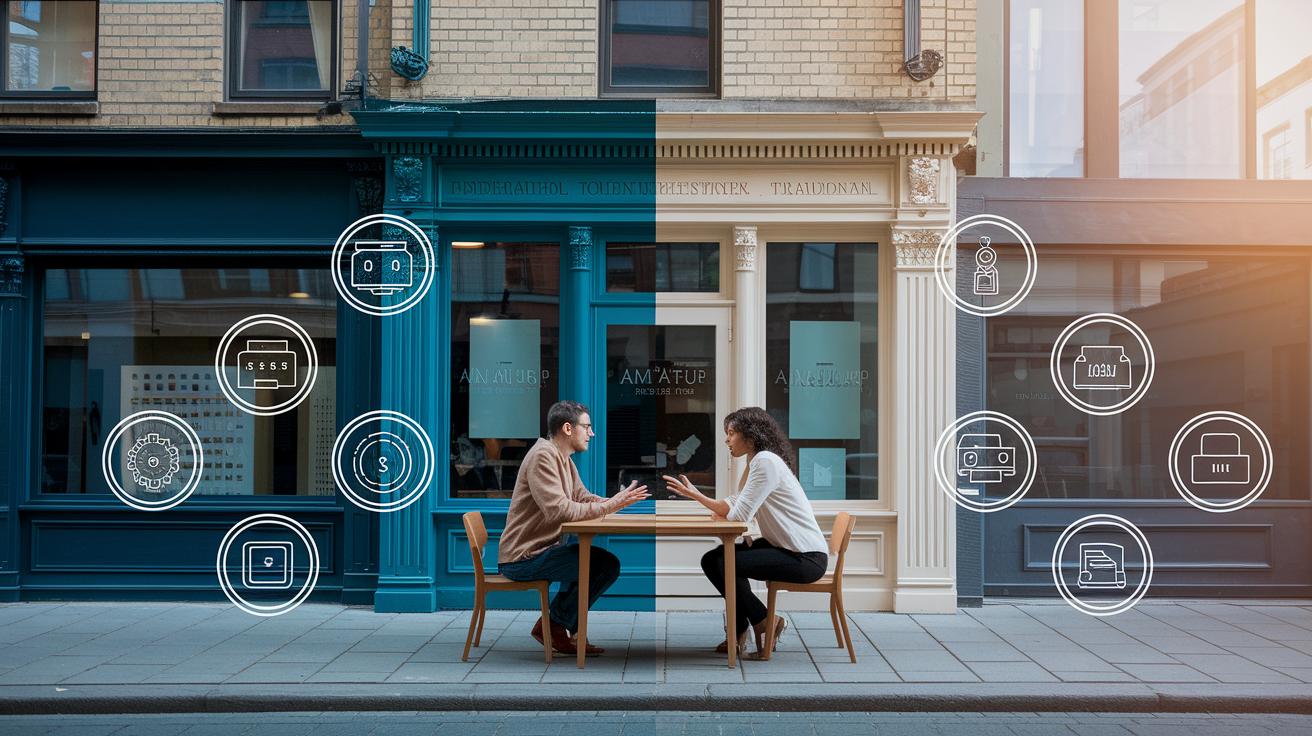
When you mix digital with traditional marketing, the result is a strategy that balances quick feedback with strong, lasting trust. Digital methods offer fast responses, cost savings, and targeting precision (like picking a song for every mood), while traditional strategies build credibility, lasting visibility, and deep community connections.
Digital marketing feels like having real-time updates. It lets you slice your audience into tiny groups and adjust your campaign on the fly, just like changing lanes when you spot a faster route. Plus, lower costs mean you get more bang for your buck without skimping on quality.
On the flip side, traditional marketing builds bonds over time, imagine spotting a friendly face in your neighborhood every day. It carries a rich legacy of tested techniques that work like a well-loved novel, ensuring your brand remains visible and trustworthy far beyond the online space.
That said, each approach has its quirks. Digital campaigns lean on consistent tech and can wobble when algorithms change unexpectedly, while traditional methods sometimes suffer from vague performance measures and steeper costs. Knowing these ins and outs helps you decide whether to go all in with one method or blend both for a campaign that truly resonates.
Best Practices for Integrating Traditional and Digital Marketing in Mixed Campaigns

Kick things off by setting your goals clearly. That means syncing up your creative message and planning campaigns that run smoothly on both traditional and digital channels. Set concrete targets, for example, boost local store visits with direct mail while ramping up online buzz with paid social ads. It’s like having a playbook (check out our digital marketing planning process at https://adruckus.com?p=2185) that helps merge print ads with digital moves like influencer posts and email blasts. This forward-thinking approach paves the way for a smooth blend that hits business goals in areas from law firms to hospitality.
Case Study: Waterloo Station Campaign
At Waterloo Station, eye-catching billboards grabbed attention while smart QR codes nudged offline visitors toward interactive digital ads. The campaign relied on real-time, data-driven tweaks that captured both foot traffic and online engagement. Marketers noticed solid boosts in response rates and conversions, proving that linking traditional outreach with digital follow-up really works. The key lesson? Keep your messaging flexible and nail the timing to maximize impact.
By combining the trusted feel of offline methods with the clear results of digital metrics, best practices naturally emerge. Think unified tracking systems, ongoing testing, and constant refinements. This integrated method offers actionable insights and steady feedback, helping teams fine-tune strategies and scale up efforts across channels, all while maintaining a strong, cohesive brand vibe.
Final Words
In the action, we explored how traditional marketing vs digital marketing stack up. We broke down offline channels and digital tactics, compared costs, and reviewed audience targeting tools. The discussion highlighted how each approach offers unique strengths, from broader reach to pinpoint targeting. We also shared best practices for mixing both methods to boost campaign performance and efficiency. The insights provided here aim to spark creative ideas and help craft strategies that work well, making your marketing efforts both smart and inspiring.
FAQ
What is the difference between digital marketing and traditional marketing?
The difference between digital and traditional marketing is that digital uses online channels with real-time tracking and analytics, while traditional relies on offline media like print and broadcast for broader, though less targeted, reach.
What is an example of traditional marketing?
An example of traditional marketing is a full-page newspaper ad. It builds brand awareness through familiar offline channels like print, TV, or radio, connecting directly with local audiences.
What are the 7 types of digital marketing?
The 7 types of digital marketing include social media marketing, email marketing, search engine optimization (which improves website visibility), content marketing, pay-per-click advertising, influencer marketing, and mobile marketing.
What are the 7 P’s of traditional marketing?
The 7 P’s of traditional marketing are product, price, place, promotion, people, process, and physical evidence, a framework that helps shape effective and consistent brand messaging.