
Ever wonder if modern digital trends could completely change the way your brand talks to customers? More than 1,700 marketers are already letting AI (that’s artificial intelligence) guide 70% of their campaign choices. It’s like having a savvy partner that picks the right moves. And just think, voice and visual searches are opening up fresh, natural ways to connect, almost like sparking a real conversation over coffee.
Privacy rules are getting stricter, pushing brands to rethink and tighten how they interact. Next, we’ll break down the top digital marketing trends poised to set the stage for a standout 2025. These shifts might just be the spark your brand needs to grow in a fast-paced market.
Digital Marketing Trends Overview for 2025

Digital marketing in 2025 is shifting fast, and the buzz is real. Over 1,700 global marketers now say that AI is making 70% of campaign decisions, a huge change from the days when teams spent endless hours perfecting ads by hand. This move toward smart automation and data-driven strategies is just the first step in a remarkable evolution.
Voice search is now a force to be reckoned with, clocking in at over 1 billion queries each month. It opens up fresh, natural ways for brands to connect with people. Then there’s visual search, imagine 10 billion image-based queries every month, sparking a creative challenge for marketers to use eye-catching visuals that truly grab attention. And let’s not forget social commerce: with sales expected to hit over $1 trillion by 2028, brands are now weaving smooth, in-app shopping experiences right into their social platforms.
Privacy is still firmly in the spotlight. With changes to iOS, stricter GDPR rules, and evolving policies around third-party cookies, brands are rethinking how they deliver that personal touch. With 73% of consumers craving hyper-personalized interactions, it’s all about zeroing in on the right audience while being mindful of privacy. As costs for managing ads climb, a unified, cross-channel strategy becomes even more essential.
These trends paint a picture of a digital marketing world where technology, consumer habits, and regulations are all converging. Marketers are encouraged to revisit their strategies and plug into innovative tools that keep pace with these exciting changes. Every move counts in today’s fast-paced, ever-adapting global market, so staying agile and investing smartly is key to success throughout 2025.
AI & Automation Trends in Digital Marketing

AI has truly reshaped the game in digital marketing. In 2024, marketers embraced AI like never before, using it as a go-to tool for generating content and fine-tuning campaigns. Ever noticed how one tweak can shift an entire campaign? Well, now AI powers everything from smart targeting to predictive insights, making campaigns quicker and more precise. Consider this surprising fact: "In 2024, over 70% of digital marketing strategies incorporated AI-driven decisions, transforming how brands plan and execute campaigns."
Integrating these new AI tools into established workflows isn’t always smooth sailing. Some teams struggle to merge traditional methods with fresh, tech-driven processes. Even so, the benefits speak for themselves. Tools offering dynamic creative adjustments and smart bidding (automated setting of your ad prices) are already injecting energy into campaigns, making them both agile and effective.
Looking ahead, experts predict that AI-powered strategies could soon drive up to 75% of all marketing efforts. This shift is sparking advances in areas like automated campaign management and real-time bid tweaks. Imagine launching a campaign where the system adjusts bids on the fly for each ad spot, optimizing your spend with barely a thought. It’s a clear sign of how AI is setting the stage for next-level advertising.
To learn more about seamlessly incorporating these tools, marketers can check out resources like the "AI Marketing Best Practices" page at https://adruckus.com?p=399. Here are a few main benefits they’re already enjoying:
- Faster campaign setup and management.
- Sharper targeting through machine learning (systems that learn from data to improve decisions).
- Real-time adjustments that boost efficiency and ROI.
At the end of the day, success in this space means balancing creative ideas with smart tech solutions. AI isn’t here to replace the creative mind, it’s here to amplify that creativity with data-driven precision. As traditional campaigns morph into dynamic, automated systems, expect to see performance gains that truly make a difference.
Content & Engagement Trends in Digital Marketing
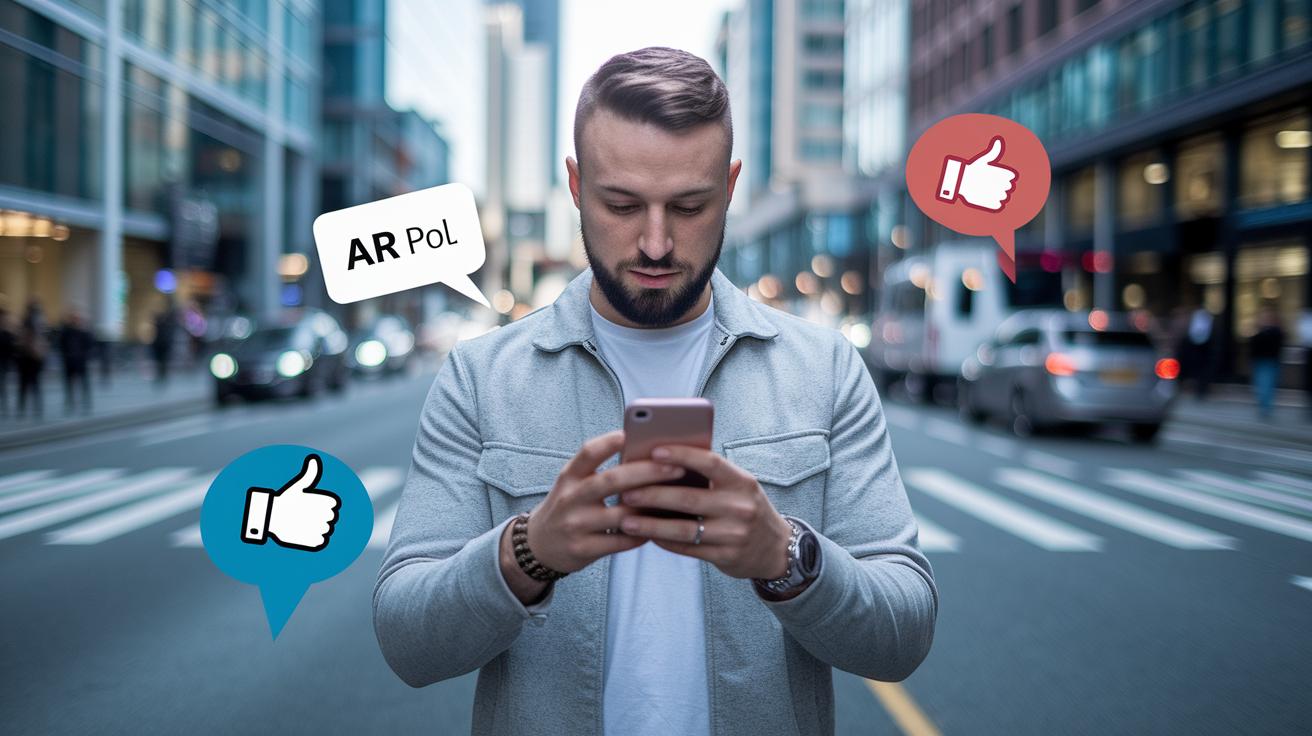
Visual storytelling is taking over these days. Short videos, live streams, and interactive graphics are lighting up platforms like TikTok, Instagram Reels, and YouTube Shorts. Marketers are rocking fast, eye-catching visuals to grab audiences on the fly. Imagine a 15-second clip that starts with a shock, a street performer suddenly turning into a brand ambassador. It’s all about that quick burst of creativity.
Social media still delivers the best bang for your buck, largely thanks to niche influencers. Micro-influencers, with follower counts from 1,000 to 100,000, are changing the game. Their honest and down-to-earth posts make connections feel personal and real.
Interactive formats, such as quizzes, polls, and AR filters (augmented reality effects that overlay graphics onto your surroundings), are making a splash too. These tools create small moments of engagement that invite you into a two-way conversation. They let brands share their story while turning the audience into co-creators of that story.
Brands are also getting smarter with flexible content plans and by encouraging content from their own fans. They’re quick to tweak their strategies, embracing short videos and vivid visual content, much like the success stories highlighted in Content Marketing Trends.
- Rapid video formats
- Live streaming sessions
- Interactive quizzes and polls
When creativity and interactivity join forces, engagement soars, building lasting connections that drive business success.
Personalization & Customer Journey Trends in Digital Marketing
Recent surveys show that 86% of marketers think customers enjoy a personalized experience, while 94% agree a personal touch really drives sales. But many teams still struggle because their data lives in different places and systems work in isolation. This gap makes true one-on-one (1:1) targeting a real challenge.
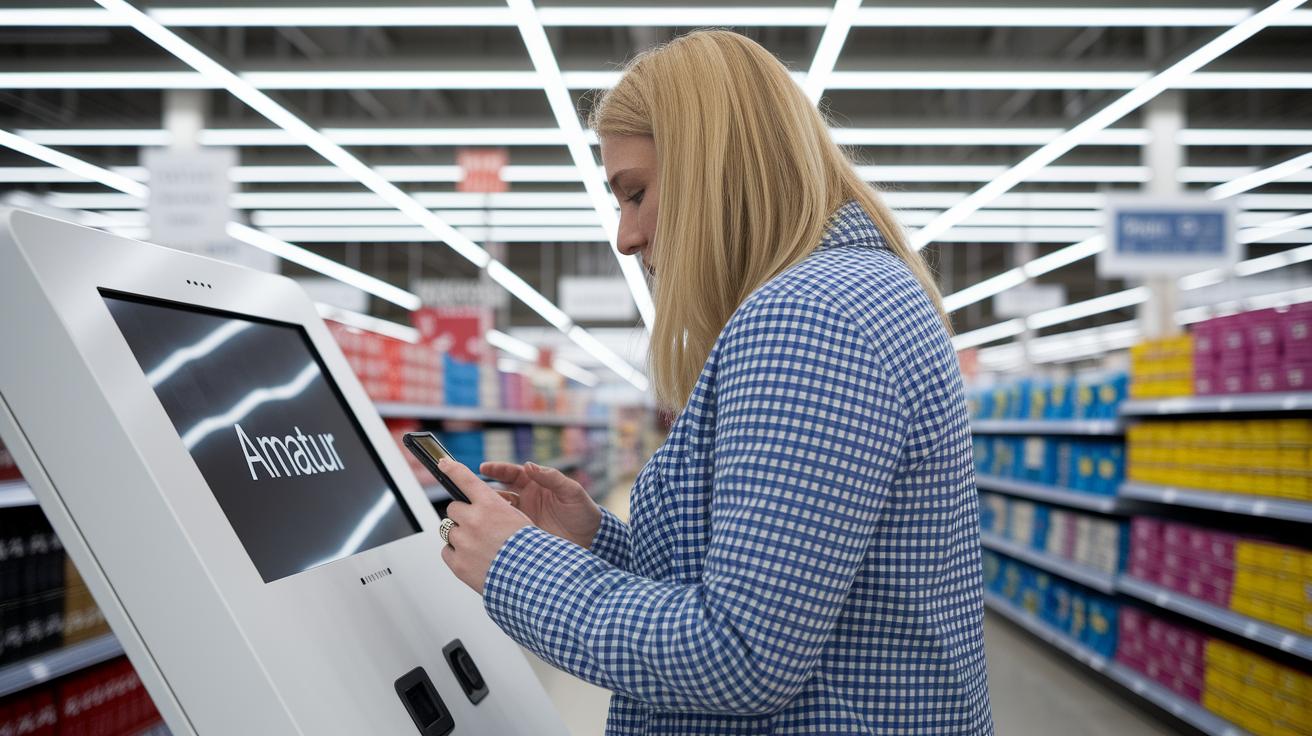
Today, marketers are going all in on hyper-personalization across every channel. They mix digital data with hands-on interactions to create a complete customer journey. Picture this: a shopper walks into a store and is greeted by name on a self-service kiosk, a smooth blend of online info and in-person service. This strategy makes customers feel special and helps build lasting loyalty.
Privacy is more important than ever, especially with new rules coming on January 27, 2025. Balancing custom experiences while protecting sensitive details can feel like walking a tightrope.
As brands work to connect digital platforms with in-store interactions, they can boost customer retention and build lifetime value. Key tactics include:
- Merging different data sources to create a unified customer view.
- Delivering real-time, personalized content on every platform.
- Using digital touchpoints like kiosks to enhance the in-store experience.
These trends are a wake-up call for teams to rethink their data strategies, aligning both digital and physical channels for a customer journey that’s personal yet privacy-conscious.
Emerging Tech & Innovation Trends in Digital Marketing

Augmented reality ads are making a big splash. Imagine scrolling through your favorite app and suddenly seeing a lifelike version of a new product right in your living room. When shoppers try virtual try-ons with AR (augmented reality, where digital images stack onto the real world), conversion rates can jump dramatically, turning curious glances into real actions.
Phygital activations mix the best of both worlds, blending offline and online experiences. Think about ordering a meal at McDonald’s using a self-service kiosk while also getting personalized digital offers based on past online activity. It’s like having the convenience of texting with a friend and the personal touch of a favorite local shop, all in one seamless experience.
Voice search is shaking things up too. With over 1 billion voice queries each month, customers are now using simple voice commands to search for products, making the buying process fast and easy. And let’s not forget visual search. With nearly 10 billion image searches happening every month, brands are getting creative by using captivating visuals that draw you in, almost like flipping through a digital photo album where every image tells a story.
Early experiments in the metaverse and virtual reality are also turning heads. Brands now create immersive virtual showrooms that bring the magic of a real store right into your home. It’s an entirely new way to interact with products, a bit like stepping into a live demo where you can explore each detail at your own pace.
Key innovations include:
- Augmented reality ad campaigns
- Integrated phygital activations
- Rising trends in voice and visual search
- Immersive metaverse and virtual reality experiences
These trends signal a future where digital marketing becomes more interactive, personal, and engaging, merging technology with everyday consumer experiences in the most natural way possible.
Analytics & Measurement Trends in Digital Marketing

Privacy updates like iOS tweaks, GDPR rules, and the phase-out of third-party cookies have turned traditional ROI metrics on their head. Today, marketers lean on first-party data (the info gathered directly from your audience) to build secure, privacy-friendly measurement systems that genuinely capture how users behave.
These shifts are nudging brands toward data-driven ROI models. With real-time bidding (live adjustments during the auction process) and algorithmic budgeting (automatically managed spend), companies can fine-tune their investments across several platforms to get the best bang for their buck.
Key moves include linking user actions across devices, whether that’s a phone, computer, or tablet, and adjusting campaign elements in real time. This dynamic conversion rate optimization sharpens your message and ensures that every dollar spent clicks into a well-orchestrated overall strategy. Picture a campaign that tweaks its creative assets exactly when needed, maybe an A/B test reveals that a bright call-to-action boosts clicks by 20%.
Now, the spotlight is on raising performance metrics in a seamless way across all channels. Marketers are diving deep into social analytics to track engagement, crafting a balanced ecosystem where each platform shapes the bigger picture.
- Cross-device attribution
- Dynamic conversion rate optimization
- Advanced social analytics
| Metric | Benefit |
|---|---|
| Real-Time Bidding | Optimizes spending quickly |
| Algorithmic Budgeting | Ensures efficient resource allocation |
Forecasting & Strategy Trends in Digital Marketing
Leading brands are setting up a 12-month roadmap to fine-tune their digital marketing efforts. In the early months, they’re investing in essential AI tools and smarter search strategies to boost campaign efficiency. Picture it like a musician tweaking their soundboard for a flawless live performance – AI helps hone in on the perfect keywords for a sharper target.
Then, from months three to six, the focus shifts to creating personal and engaging customer journeys. Brands are diving into social commerce and ramping up hyper-personalization, much like curating a custom playlist where every song perfectly matches the listener’s vibe.
Finally, in the latter half of the year, the spotlight falls on polishing cross-channel campaigns. This phase sees experiments with AR/VR experiences and advanced measurement techniques (methods that accurately gauge customer engagement). Marketers are also emphasizing sustainable brand positioning and partnering with micro-influencers, all wrapped up in an ethics-first approach that helps them stand out.
| Phase | Focus Areas |
|---|---|
| Months 1-2 | Investing in AI tools and search improvements |
| Months 3-6 | Embracing social commerce and hyper-personalization |
| Months 7-12 | Optimizing across channels with AR/VR pilots and refined measurements |
In a nutshell, a dynamic and flexible strategy like this ensures brands remain agile in a fast-changing digital landscape. It’s all about staying ahead, making smart tweaks, and truly connecting with customers along the way.
Final Words
In the action, our post highlighted key trends for 2025. We explored how AI and automation refine campaign management, how engaging content transforms brand stories, and how personalized journeys boost customer loyalty. We also dissected emerging tech like AR/VR and the shift toward smarter analytics. Each of these elements plays a role in reshaping strategies for top digital marketing trends. The road ahead is full of opportunities, and every insight brings you one step closer to turning these trends into successful marketing wins.
FAQ
What are the digital marketing trends for 2025?
The digital marketing trends for 2025 include AI automation, privacy-first personalization, and interactive content. Marketers are using voice and visual search along with cross-channel integration to boost campaign performance.
What are some key examples of recent marketing trends?
Recent marketing trends feature short-form videos, interactive graphics, and hyper-personalized campaigns. These elements drive engagement by combining live-streaming, agile planning, and AI tools to create genuine consumer interactions.
What do digital marketing PDF reports typically cover?
Digital marketing PDF reports cover data-driven insights like advanced AI strategies, content innovation, privacy shifts, and social commerce growth. They provide clear examples and practical tips for optimizing marketing efforts.
What is the future of digital marketing in 2030?
The future of digital marketing in 2030 anticipates immersive ad experiences with AR/VR, enhanced AI personalization, and smooth integration across all touchpoints. These advancements aim to create deeper, more connected consumer experiences.
What does digital marketing involve?
Digital marketing involves promoting brands online through methods like SEO, content marketing, and social media engagement. It uses data and technology to reach targeted audiences, boost visibility, and drive business growth.
What is social media marketing?
Social media marketing uses platforms such as TikTok, Instagram, and YouTube to share content and interact with customers. It focuses on building communities, engaging audiences authentically, and driving conversions through creative storytelling.
What is content marketing?
Content marketing centers on crafting and sharing engaging information like articles, videos, and interactive posts. This strategy builds trust with the audience by offering value and aligning with their interests, ultimately boosting brand loyalty.
What is search engine optimization (SEO)?
Search engine optimization (SEO) improves a website’s visibility on search engines by optimizing keywords, site structure, and relevant content. This approach attracts more organic traffic, helping consumers find content more easily.
How is artificial intelligence impacting digital marketing?
Artificial intelligence is transforming digital marketing by automating campaigns, personalizing experiences, and boosting ad targeting. Marketers leverage AI to analyze data, streamline strategies, and make informed, real-time decisions.