
Ever thought that a green claim might be a company’s secret weapon for growth? Today’s buyers want to see clear proof that a brand is truly eco-friendly, not just talking the talk.
New data shows more people are looking for signs of genuine green efforts. Companies are now mixing modern technology (tools that help measure results) with honest, ethical choices to win over eco-minded customers.
Next, read on to discover how these fresh marketing trends are turning ethical practices into powerful growth opportunities and reshaping the idea of a truly sustainable brand.
Key Trends Transforming Sustainability Marketing in 2025
More consumers are calling for real green changes. Ninety-three percent want a more sustainable lifestyle, and eco-minded shoppers are growing, from 22% in 2020 to 29% by 2030. This means brands feel the heat to back up their eco claims with real actions. Companies are now mixing ethical choices with smart tech to meet these high standards.
-
Authenticity & Transparency: Brands must share clear, honest details about their green efforts. When a company talks about its energy-saving moves, and even points out areas it’s still working on, it creates an honest, personal connection with you.
-
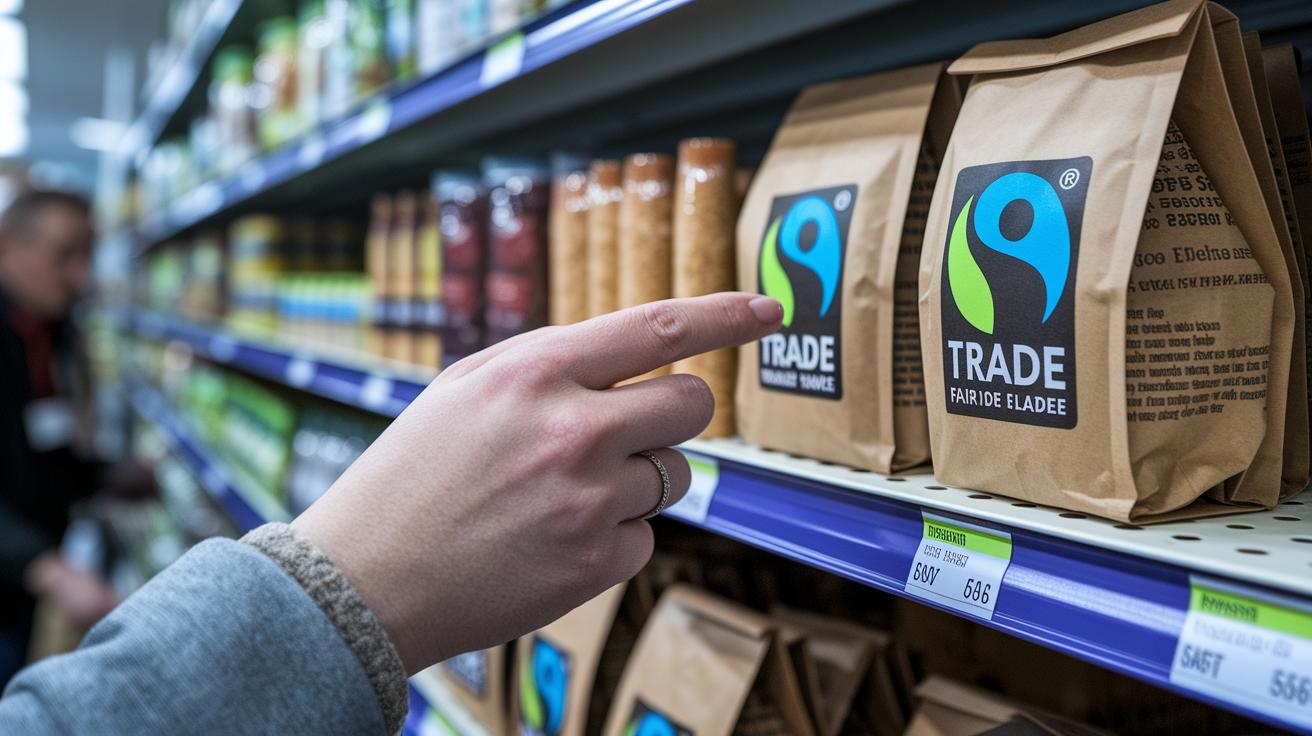
Eco-label Adoption: Trusted certifications like Fair Trade and USDA Organic are becoming clear signals in a sea of green promises. Seeing a Fair Trade label, for instance, lets you know the product has passed rigorous checks.
-
AI-driven Personalization: AI is changing the game by letting brands craft messages that feel hand-picked for you. Imagine getting a recommendation that ticks every box of your eco-values, all thanks to smart algorithms working behind the scenes.
-
Carbon-Market Integration: With the carbon market set to hit a $50 billion valuation by 2030, weaving carbon credits into marketing is taking center stage. Picture a campaign that shows each purchase helps lower emissions, it reassures you that your choice makes a difference.
-
Digital Footprint Reduction: Simple tweaks, like compressing media files, cutting down on autoplay videos, or using fewer high-res images, can save energy. These small changes make a big impact by reducing the digital footprint of a campaign.
Overall, these trends highlight a major shift toward accountability and care. They set fresh benchmarks where business growth isn’t at odds with protecting our planet.
Ethical Branding Practices in Sustainability Marketing
Fair Trade and USDA Organic still act as trusted badges for consumers. Now, there's a buzz around new certifications like Regenerative Organic. This fresh label means brands are taking extra care with how they manage soil and animal health. Imagine a food brand that proudly sports a Regenerative Organic tag. It’s like visiting a farm that naturally renews its soil and meets higher sustainability goals. This added mark offers tangible proof of ethical practices.
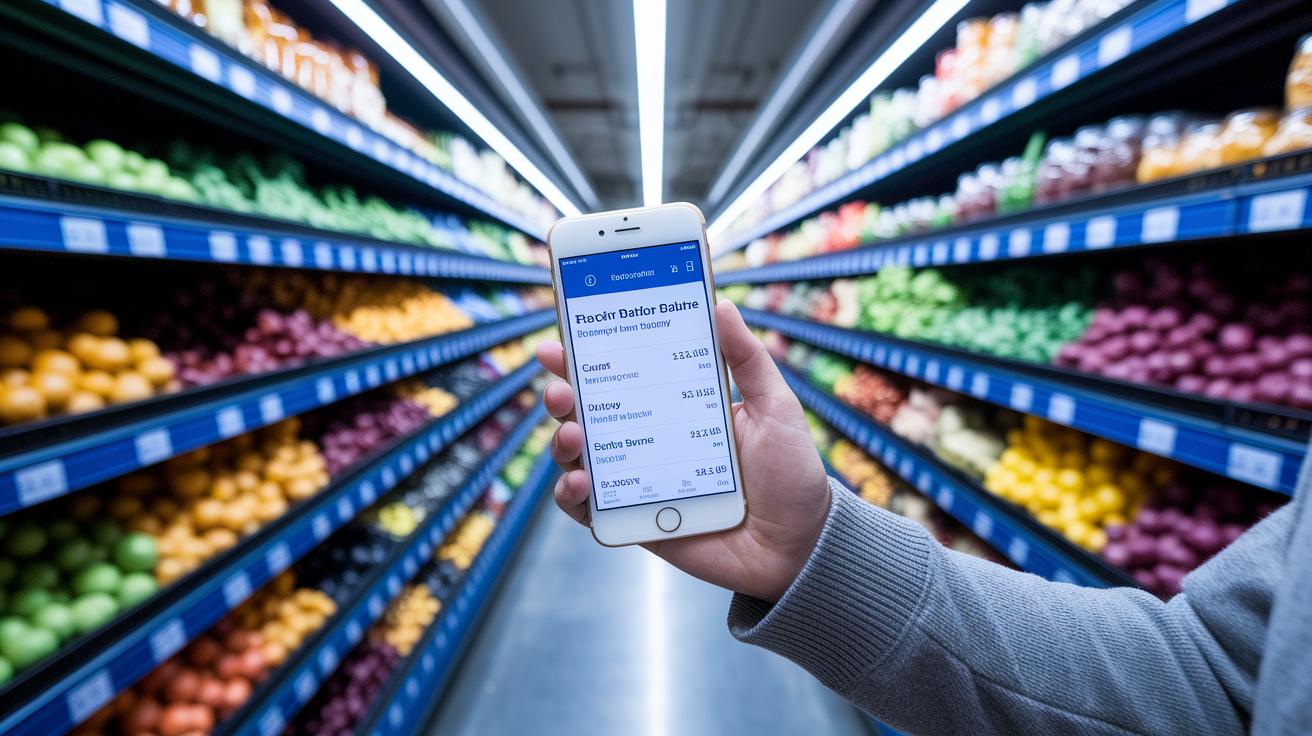
Then there's open reporting, now powered by blockchain (a secure tech for data sharing). Instead of old-school, static reports, brands now deliver real-time, verified updates. Picture a retailer using blockchain to map out every phase of a product’s journey. Think of it like an online display where scanning a code instantly shows trusted environmental impact data. This smart use of tech confirms claims and gives shoppers a clear view of brand actions.
These upgraded practices help build lasting loyalty. With certified, transparent data backing every claim, consumers feel confident and are more likely to return, knowing that ethics and reliability go hand in hand.
Case Studies: Brands Leading Sustainability Marketing Trends

We've handpicked these case studies for their fresh ideas, clear honesty, and real social impact. Each brand shows how a true commitment to sustainability can set them apart in the market and drive solid business results. By blending innovative products with social advocacy, these companies are leading the way in sustainable marketing.
| Brand | Key Strategy |
|---|---|
| The Woolmark Company | Promoting wool as a sustainable alternative to fast fashion |
| Thinx | Featuring eco-friendly menstrual solutions with a strong social impact story |
| Kind Socks | Focusing on ethical production and supporting worker welfare |
| Pangaia | Using cutting-edge materials science to boost environmental messaging |
| Nada Duele | Emphasizing cruelty-free manufacturing practices |
| Satya + Sage | Harnessing social media for engaging storytelling about sustainability |
These cases show that mixing ethical marketing with creative, green innovations builds consumer trust and fuels business growth. Marketers can learn a lot from combining genuine storytelling with sustainability, not just to polish a brand’s image, but to truly connect with eco-conscious buyers. It's a clear reminder: when you invest in real eco strategies, you're not just standing out, you’re igniting customer engagement and paving the way for lasting success.
AI Innovations Shaping Sustainability Marketing

AI is quickly changing how brands connect with eco-friendly customers. New advances in machine learning (when computers learn patterns), cybersecurity (the guard of your online info), and cloud computing (services delivered over the internet) are driving a shift toward messages that feel uniquely yours. Smart algorithms now break down audiences into tiny groups, letting brands speak directly to individual preferences. For example, imagine getting a campaign that highlights your personal green habits based on your online activity. Cool, right?
Dynamic personalization is a real game-changer. It means every interaction feels tailor-made, with content adjusting in real-time to match your eco values. When a campaign tweaks its visuals and wording just for you, a generic ad turns into a personal invitation to act sustainably. Plus, AI-driven campaign optimization fine-tunes everything, from creative assets and scheduling to targeting strategies. In simple terms, every campaign speaks to your tastes while cutting down on wasted data and ad spend.
Marketers need to keep sustainability goals front and center when using AI. Picture a company that refines its ad strategy and cuts campaign waste by 30% thanks to smart asset management. That’s a clear sign that integrating AI successfully supports both business growth and a healthier environment.
Carbon Neutral Campaign Design for Sustainability Marketing

Brands are stepping up their game by designing campaigns that not only drive growth but also care for the planet. They’re tackling both digital and physical carbon footprints with real, straightforward actions that show they care about our environment.
First, start with a footprint audit. This means taking a good look at the energy use and resource consumption of both online efforts (like ads where file sizes affect data use) and offline marketing tactics. It’s like checking your energy bill after a busy month.
Next, consider offset sourcing. In simple terms, this step involves purchasing verified carbon offsets (for example, supporting projects that plant trees) to neutralize any leftover emissions from your campaign.
Then, integrate clear carbon messaging into your content. By explaining the steps taken, perhaps by including a straightforward carbon calculator, brands can build trust and show they’re on top of their eco commitments.
After that, keep an eye on progress with ongoing monitoring. Regular updates with fresh metrics and analytics help ensure your campaign stays on track in reducing its environmental impact.
Finally, don’t be shy about public reporting. Sharing your campaign outcomes openly not only builds consumer trust but also underlines your accountability in climate action.
With mandatory offsets for international flights coming into effect by 2027 and the carbon market projected to hit $50 billion by 2030, it’s clear that meeting evolving regulations and rising consumer expectations is more important than ever.
Digital Strategies for Sustainability Marketing Footprint Reduction

Digital campaigns can devour energy with their large media files, autoplay videos, and sharp images. It’s much like forgetting to turn off the lights when you leave home.
Digital minimalism is all about quality over clutter. Trim down those extra bits of data to cut energy use. Think of it as crafting your favorite playlist, you only keep the tunes that really hit home. For instance, instead of loading every single image, select a handful of high-impact visuals that tell your story.
Reusing content is another smart move. Imagine turning a long blog post into an eye-catching infographic, then breaking it up into quick social media posts or a short video. Each step lightens the digital load while widening your reach.
| Technique | Action |
|---|---|
| Compressed media | Cut file sizes without sacrificing quality |
| Efficient code | Simplify website and ad scripts for faster loading |
| Sustainable hosting choices | Opt for servers that use energy responsibly |
Measuring Sustainability Marketing Trends: Tools and Metrics

KPIs are the backbone of a solid green marketing strategy. With 93% of consumers leaning toward sustainable lifestyles and adoption rates expected to jump from 22% to 29% by 2030, it’s clear that brands need real numbers to guide their decisions. These metrics work like a reliable compass, steering campaigns precisely, kind of like checking your car’s mileage before setting off on a long drive. Take carbon offset tracking, for example. With new rules requiring mandatory offsets for international flights starting in 2027, companies are under more pressure than ever to accurately report their green efforts.
| Metric | Description |
|---|---|
| Carbon Offset Volume | Measures the total carbon credits bought to neutralize emissions. |
| Sustainable Preference Share | Shows the percentage of customers who choose eco-friendly products. |
| Eco-Content Engagement | Tracks how people interact with green messaging across channels. |
| Transparency Score | Evaluates how openly brands share verified environmental data. |
Regular audits paired with third-party validation are essential to keeping these numbers trustworthy. Marketers need to keep reviewing and updating these metrics, ensuring the data reflects real-time performance. This hands-on approach not only shows that sustainable initiatives are working but also builds a strong foundation of accountability and consumer trust in green strategies.
Future Outlook: Forecasting Sustainability Marketing Trends

New rules and changing consumer behaviors are nudging brands to reshape their green marketing plans. With upcoming policies, like the 2027 rule for carbon offsets on international flights, both market guidelines and consumer expectations are shifting. Brands now face fresh challenges: more careful checks on eco-friendly claims and the need to plan for fast-changing regulations. Consumers, too, are increasingly asking for clear, honest eco-commitments.
- Circular-design frameworks: Think of it as designing products with reuse in mind. Picture a skincare line where each bottle is redesigned to be refillable. This simple idea helps cut down waste.
- Blockchain for supply-chain visibility: Imagine using a secure online system (blockchain) to track every step of a product’s journey, from raw materials to the final item. It’s like reading the product’s travel log, making its eco-claims trustworthy.
- AI-enabled sustainability audits: Consider a smart digital assistant using AI (artificial intelligence, a system that learns like a human) to keep an eye on how energy is used. It spots wasteful practices in real time, paving the way for fewer emissions.
Every business needs to start mapping out these challenges now. It’s all about continually tweaking strategies to meet both consumer expectations and new regulations.
Final Words
In the action, we explored the driving forces behind sustainability marketing trends, from growing consumer expectations and ethical branding to AI innovations that streamline campaigns. Each section broke down key shifts, offering quick tips like footprint reduction practices and reliable green certifications. We also highlighted successful case studies and measurement tools that help track progress. The insights shared here aim to empower you with actionable ideas and a fresh perspective, all while keeping the focus on sustainability marketing trends for a greener, brighter future.