Ever feel like your ads are falling behind because people’s habits keep changing? Billions of users scroll through apps each day, so brands need to get creative quickly.
Imagine this: every time you refresh your feed, it's like stepping into a lively market where fresh ideas grab your attention with each swipe.
In this post, we explore the new trends that are changing social media ads. We’ll chat about smart, creative tactics that help you give your campaigns a fresh start.
Social media advertising trends Spark Bold Tactics

Every day, billions of people log on to social platforms, reshaping how brands connect and convert. For example, Facebook hit 2.9 billion monthly users in January 2023, a clear sign of just how massive these channels are. Marketers are watching a real change as consumers turn to social sites for product discovery, research, and even purchasing.
Instagram is still leading the way with strong visual appeal, while Pinterest sparks creative ideas. Imagine scrolling through your feed and spotting a product with just one swipe. It feels like browsing and buying all at once, an in-app shopping experience that not only delights customers but can also boost returns.
Social media ads offer some great benefits. They let you connect directly with customers, reach them instantly, and send the right message at just the right moment. With mobile ad techniques evolving fast, brands can quickly jump on trends and adjust their messaging. It’s a bit like switching from old-school static ads to interactive ones designed just for mobile users who want fast, engaging content.
All in all, these trends show just how powerful social media advertising really is. If you’re curious about deeper insights into the digital ad world, remember: as consumer habits evolve, your strategies need to be both fresh and true to your brand.
Platform-Specific Social Media Advertising Trends
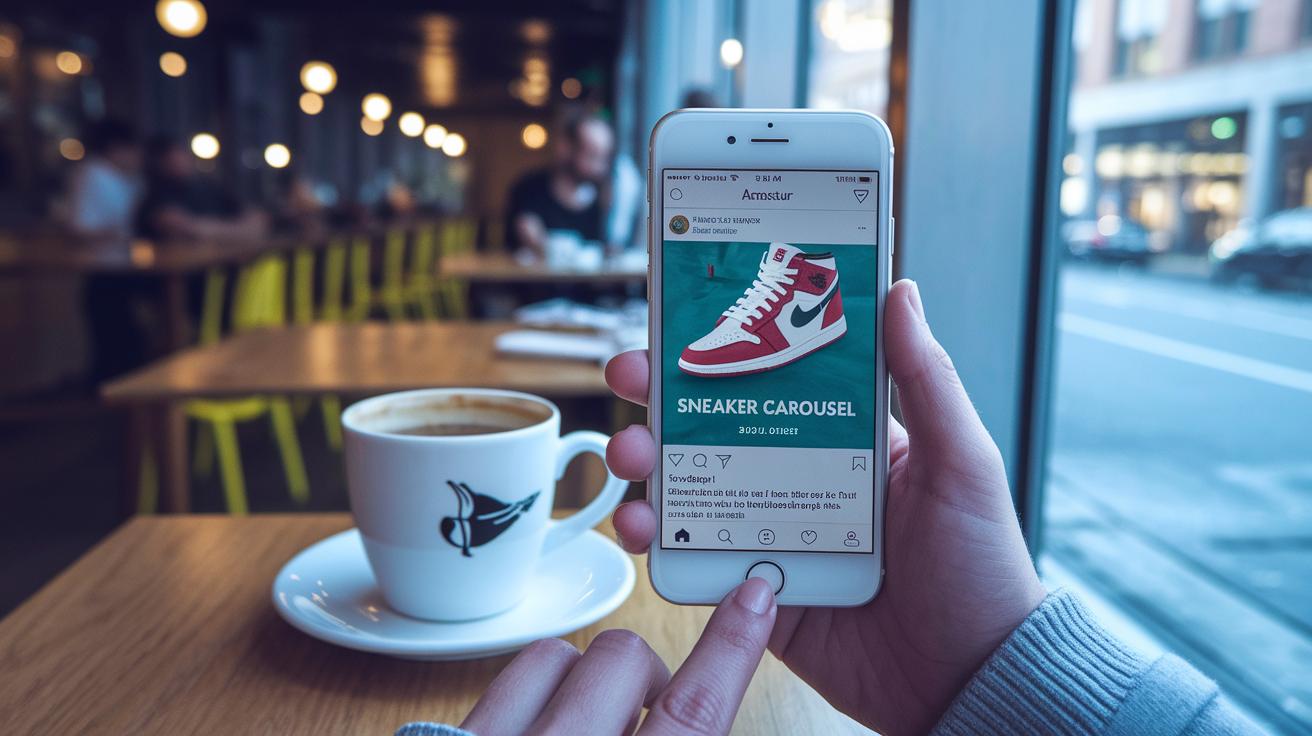
Facebook is still a marketing giant, hosting 2.9 billion monthly active users. It offers cool features like carousel ads, Reels, and Story ad options. Think about a carousel ad that lets you showcase different angles of a product, like a new sneaker collection where every slide reveals a fresh design or a standout feature. It creates an effortless, swipeable story that grabs attention.
Instagram is shaking things up by adding DM shares into its ranking mix along with the usual photo and video ads. This means campaigns feel more personal. Imagine a photo ad that invites you with a cheeky prompt: "Send us a DM to unlock an exclusive discount." Simple, yet it sparks direct conversations between brands and their followers.
TikTok is pushing the envelope by turning its platform into a sort of "everything app." It now features shoppable Lives and Spark Ads, which blend fun entertainment with quick shopping opportunities. Picture a lively live event where you can tap to buy products right on the screen, it's a dynamic, high-energy way to bring the store directly to your audience.
LinkedIn is coming into its own with a refreshed feed that now supports native videos and interactive ad cards. This evolution means brands can step away from the usual formal vibe and engage a broader crowd. Imagine embedding a quick poll in a video ad, inviting viewers to share their opinions in real time, it’s a neat way to boost participation.
Meanwhile, platforms like Threads and X are serving as creative testing grounds. They let brands experiment with tone, humor, and authenticity, offering a fresh space to try out innovative ad tactics. Each move on these platforms is a chance to mix things up and capture the lively spirit of today’s digital advertising landscape.
Emerging Technologies in Social Media Advertising Trends

Since 2024, AI-powered ad targeting has totally changed the game. Marketers are now using smart AI to whip up creative content and tweak campaigns on the fly. Imagine an ad that adjusts its message based on how viewers behave, almost like a digital helper that really reads the room. This high-tech approach cuts costs and boosts engagement at the same time.
Augmented reality campaigns have quickly become a hit. With cool AR overlays and try-on filters, landing pages transform into interactive playgrounds. Picture a user clicking on an ad and instantly trying on a virtual watch or pair of sunglasses from the comfort of home. It’s like flipping through a magazine where every image comes to life. A fun poll asking, "Which design fits your mood today?" can even invite immediate participation.
Interactive advertising tools like quizzes, polls, and shoppable stickers are sparking higher engagement and conversion rates. These features give brands the chance to mix creative content with data-driven strategies (think local SEO, which means optimizing your site for local searches).
All these emerging ad tech innovations set the stage for more personalized, effective campaigns. They prove that with smart, real-time interactivity, advertisers can completely transform the way they connect with their audience.
Creative Ad Formats Driving Social Media Advertising Trends

These days, creative teams are all about perfecting the process behind ad formats instead of just showing them off. When crafting a 15-second video, they map out a storyboard that kicks off with a bold, eye-catching hook. Imagine a burst of vibrant visuals coming together in seconds to grab your attention.
For user-generated visuals, the approach shifts to clear and fun prompts that encourage genuine contributions. A simple call to action like "Show your standout moment with our product" nudges people to share their real experiences.
Interactive ads get a lot of attention, too. Teams carefully plan every detail so that live interactions feel natural. They even script moments during live sessions, inviting viewers with cues like "Type your pick now!" during a quick Q&A.
Social commerce campaigns mix storytelling with seamless buying prompts. They wrap narratives up with urgent calls to action, say, "Drop your tap here for an instant style upgrade", to spark immediate interest.
| Ad Format | Creative Strategy Focus |
|---|---|
| Short-Form Videos | Bold storyboards with rapid hooks |
| User-Generated Visuals | Simple, engaging prompts for authentic content |
| Interactive Ads | Scripted live cues and natural Q&A prompts |
| Social Commerce | Narratives ending with direct purchase calls |
Data-Driven Insights and Performance Tracking in Social Media Advertising Trends

More and more, marketers are turning social advertising into true performance channels where every click matters. This means using real revenue numbers and key performance indicators (KPI – those critical figures that show campaign success) to guide every move. Imagine testing two different ad headlines, like "Unlock Savings Today!" versus "Discover Exclusive Deals!" to see which one truly grabs your audience’s attention.
Performance tracking tools have become the secret sauce for optimizing campaigns. Think about monitoring two varying call-to-action buttons in real time and then adjusting the design based on what the data shows. This on-the-fly tweaking not only sharpens your message but also helps you shift budgets efficiently.
Return on ad spend isn’t just another number on a report, it’s a clear snapshot of how profitable your campaign is. Using multi-touch attribution (a method that tracks every interaction a user has before converting) ensures that every single dollar is accounted for. It’s like building a multi-channel audience from your own data, constantly refining your strategy like comparing before-and-after snapshots of a creative makeover.
Even Instagram DM shares are making a name for themselves as key engagement metrics. When a customer sends a direct message in response to an ad prompt like "Message us for your exclusive discount!", it signals a strong connection that boosts conversion rates. With tools like A/B split testing and detailed analytics at your fingertips, marketers can hone their targeting strategies and elevate campaign performance.
Automation and Programmatic Buying Shaping Social Media Advertising Trends

Advertising on social media now feels like watching a live performance where every move is perfectly timed. Marketers can now lean on smart, AI-powered tools that tweak campaigns on the fly. Imagine a system that spots a lagging ad and instantly swaps it for one with a punchier headline, sort of like switching from a static snapshot to a lively video as viewer habits change.
Programmatic buying has turned audience targeting into a real-time art. Picture using a tool that sifts through live data in mere milliseconds to show your ad to someone who’s all ears. It takes the guesswork out of the bidding process, ensuring that every ad placement finds a ready and waiting viewer.
Dynamic creative optimization fine-tunes every ad element, headlines, images, and calls-to-action, to suit each viewer uniquely. Think of a fashion brand that shows you a headline saying "Fresh Styles, Just for You!" right when you’re scouting for the latest trends. These smart, automated tweaks help marketers stay nimble; they can pivot as swiftly as consumer interests evolve, making their strategies more responsive, efficient, and perfectly in tune with the buzz of the moment.
Practical Paid Media Strategies for Social Media Advertising Trends
Brands are moving away from cookie-cutter tactics and zeroing in on channels and audiences that really matter. Marketers are sharpening their focus by breaking audiences into specific groups based on interests. Imagine a campaign split into segments, one for outdoor lovers and another for tech enthusiasts, with each ad speaking directly to its group.
Next, there's a big push for cross-platform ad integration. Marketers are getting creative by reaching audiences across different feeds. Think of it like this: you see an Instagram ad, and later, a related remarketing ad pops up on Facebook. This coordinated reminder nudges you along your journey, ensuring you don’t miss out on a cool offer.
Then we have remarketing, a clever tactic to win back visitors who showed interest but didn’t buy right away. It might say something like, “Left something behind? Swing back for an exclusive deal.” This approach re-ignites interest by reaching out to those who already know about the brand.
Micro and nano influencer marketing is also on the rise. These influential voices tend to have very engaged, close-knit followings. Their personal touch works wonders, making them great partners to stretch a brand’s reach in a very targeted way.
Finally, unified omnichannel strategies round out the plan. By ensuring all channels share the same look and feel, brands make their messages stick. Combining precise audience targeting, well-timed remarketing, and smart cross-platform ads not only drives conversions but also builds a memorable brand vibe that lingers long after the first ad.
Forecasting Future Social Media Advertising Trends

By 2025, crisp short videos, social commerce (shopping right in your feed), user-made content, and real-deal influencer partnerships are set to guide ad spends. Marketers are already noticing that quick, engaging videos grab our attention better than ever, while social commerce smooths out the buying process. Picture a fun 15-second clip that not only entertains but also nudges you toward a quick purchase, it’s where style meets substance.
TikTok is quickly evolving into an "everything app." It’s rolling out new ways to shop right inside the platform, so brands need to expect fresh, interactive features to keep up. Imagine this: One recent 15-second TikTok video outpaced traditional ads on several platforms in just hours. Now, that’s impressive evolution.
Quick, agile forecasting is the name of the game. Niche networks and seasonal campaigns that really connect with cultural vibes require smart, data-driven predictions. Marketers are diving into real-time data to spot seasonal trends and changes in what consumers want. Meanwhile, private communities and emerging ad channels are creating new chances that demand fast adaptability. Think of planning your campaign like setting up your favorite playlist: choose the best tracks (ad formats), arrange them just right (targeting strategy), and press play (launch) for a smooth, on-trend performance.
Final Words
In the action, our discussion broke down cutting-edge methods from platform quirks to AI-enhanced tools. We covered how creative formats and performance insights shape the way brands build momentum and connect with audiences. We also pinpointed paid media tactics that spark immediate results and forecasted future shifts for smart planning. These social media advertising trends continue to gain ground, offering fresh strategies to keep your campaigns vibrant and effective. Keep experimenting and adapting, as every update can spark new success.
FAQ
Social media trends this week
Social media trends this week show a quick shift toward short videos and interactive posts that grab attention and boost engagement, reflecting what audiences are actively enjoying online.
Social media trends 2025
Social media trends 2025 hint at more AI-powered targeting, immersive AR experiences, and dynamic ad formats that will improve how brands connect with their audiences and drive results.
Current trends on social media research
Current trends on social media research focus on real-time data insights, innovative personalization techniques, and improved performance tracking tools that help marketers fine-tune their campaigns.
Social media marketing trends 2025
Social media marketing trends 2025 combine advanced automation and programmatic buying with creative influencer partnerships to create campaigns that are both engaging and efficient.
Current social trends
Current social trends indicate a shift toward interactive ad formats, increased short-form video content, and data-backed strategies that help brands engage meaningfully with consumers.
Google Trends
Google Trends offers an instant snapshot of what people are searching for, enabling advertisers to adapt their content and ad strategies based on real-time audience interests.
Social media trends for business
Social media trends for business highlight using data-driven insights, innovative creative formats, and automation tools to boost ad performance and maintain a competitive edge in digital marketing.
Social trends examples
Social trends examples include the rise of shoppable posts, engaging short-form videos, and interactive ad experiences that make it easier for consumers to discover and connect with brands.