
Ever notice how one clever ad can completely change the conversation? It’s true. Social media ads provide a stage where humor, creativity, and quick responses mix to create a buzz and build engagement. Look at brands like Aldi and Dunkin, they show that even small ideas can result in big wins. In this post, we break down the secrets behind these campaigns, giving you a clear look at how a creative twist in an ad can capture hearts and drive impressive results.
Real-World Social Media Advertising Examples Overview
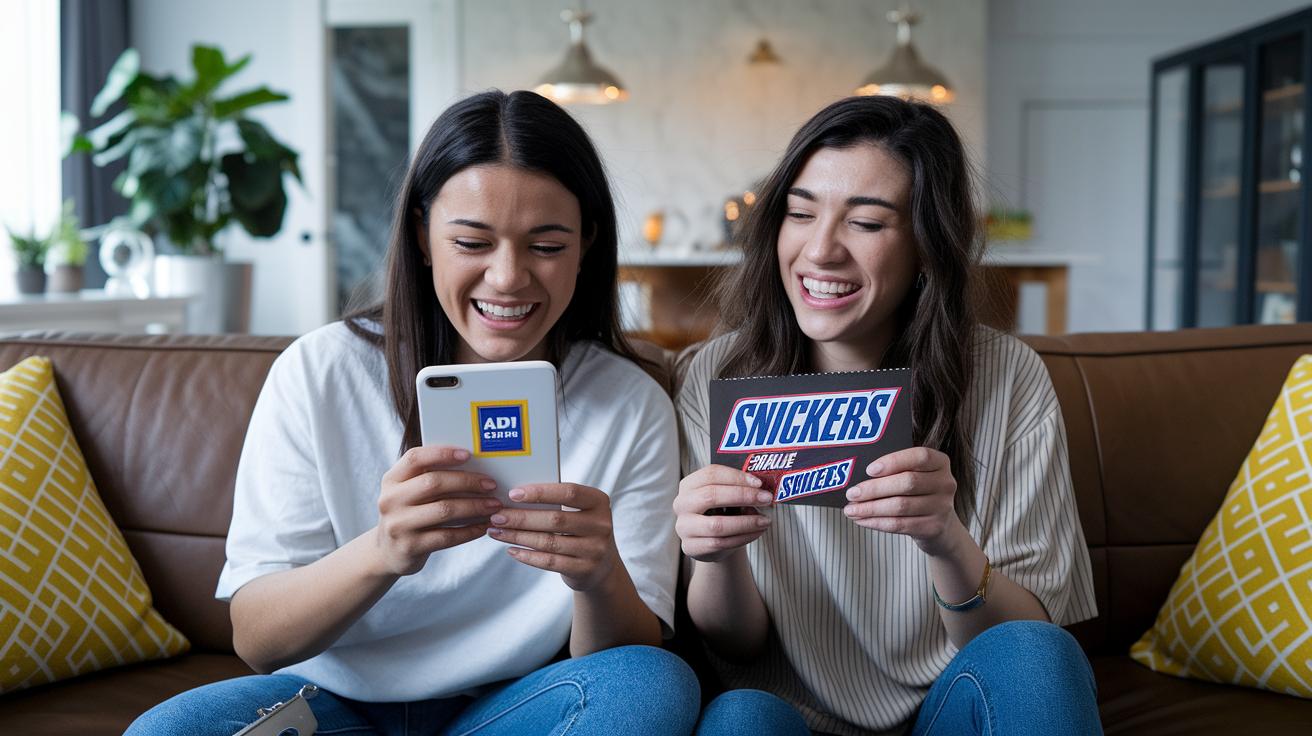
Across social media, campaigns are hitting the mark by mixing clever ideas with solid tracking. Take Aldi, for example. They call out competitors using humor that grabs attention fast. Then there's Snickers, which uses bright yellow text on a brown background to invite users to share their rookie mistakes in exchange for a chance to win Superbowl tickets. It’s a fun way to get people talking.
Coors Light, for instance, turned a real-life beer shortage during early COVID into a viral moment by promising extra beer when stocks ran low. Meanwhile, Coca-Cola keeps us warm during the holidays with ads that remind us of togetherness. Dunkin sends daily deal reminders that keep customers checking in, and Geico shakes things up on YouTube with a playful “Skip Ad” tactic that sparks plenty of conversation.
Apple Music’s TikTok campaign is another crowd-pleaser; its swooping visuals showcase a vast library of 60 million songs in a way that just feels alive. DiGiorno gets festive on Twitter with its #deliverdigiorno pizza giveaway, blending seasonal cheer with clever brand promotion. On a different note, Dollar Shave Club earns trust by offering self-care tips instead of always pushing promotions, and Wendy’s spices up its conversation with spunky “McRefund” tweets that show off its personality.
Then there are campaigns like Guinness’s precise Facebook and Twitter ads and Dove’s extensive #ShowUs initiative, which has gathered over 5,000 user photos. Moon Pie’s witty, snarky responses bring genuine smiles, and Friskies partnered with BuzzFeed on the #DearKitten video series, reaching more than 32 million views. Together, these examples prove that mixing a dash of humor, a sprinkle of seasonal themes, and hearty user engagement turns social media advertising into a true art form.
Platform Performance Snapshots and Cost Benchmarks

Major platforms offer a variety of audience sizes and cost structures that smart marketers can use to fine-tune their spending and boost campaign reach. These numbers show not only how big each audience is but also how cost-effective it is to advertise on each channel. For example, Facebook reaches around 2.11 billion users, while Instagram and YouTube attract viewers with their engaging visuals, even if their cost-per-click (CPC, which means how much you pay each time someone clicks your ad) rates are a bit higher. A low CPC on Twitter or a budget-friendly cost per thousand impressions (CPM, meaning the cost per thousand ad views) on Pinterest can help advertisers adjust their spending wisely. Even small moves, like switching platforms or shifting funds, can boost engagement and improve return on investment in a big way.
| Platform | Audience | Average CPC | Average CPM |
|---|---|---|---|
| 2.11 B (26.7%) | $0.97 | $7.19 | |
| 1.48 B (18.7%) | $3.56 | $7.91 | |
| YouTube | 2.56 B (32.4%) | $3.21 | $9.68 |
| 808.4 M (10.3%) | $5.26 | $6.59 | |
| 436.4 M (5.5%) | $0.38 | $6.46 | |
| 225.7 M (2.9%) | $1.50 | $3.50 | |
| TikTok | 88 M (11.2%) | $1.00 | $6.06 |
| Snapchat | 557.1 M (7%) | Swipe-up $0.57 | CPA $5.53 |
These benchmarks serve as a clear guide for marketers looking to pick the best platforms for their goals. By comparing audience sizes with average ad costs, you can balance widespread reach and cost-efficiency in your campaigns. Sometimes, focusing on platforms with lower CPCs or CPMs means quicker wins, while investing in premium channels might lead to deeper brand engagement over time. In short, a smart, data-driven approach makes sure every marketing dollar goes where it really counts.
Creative Campaign Highlights: Humor, Seasonal & Surprise Elements
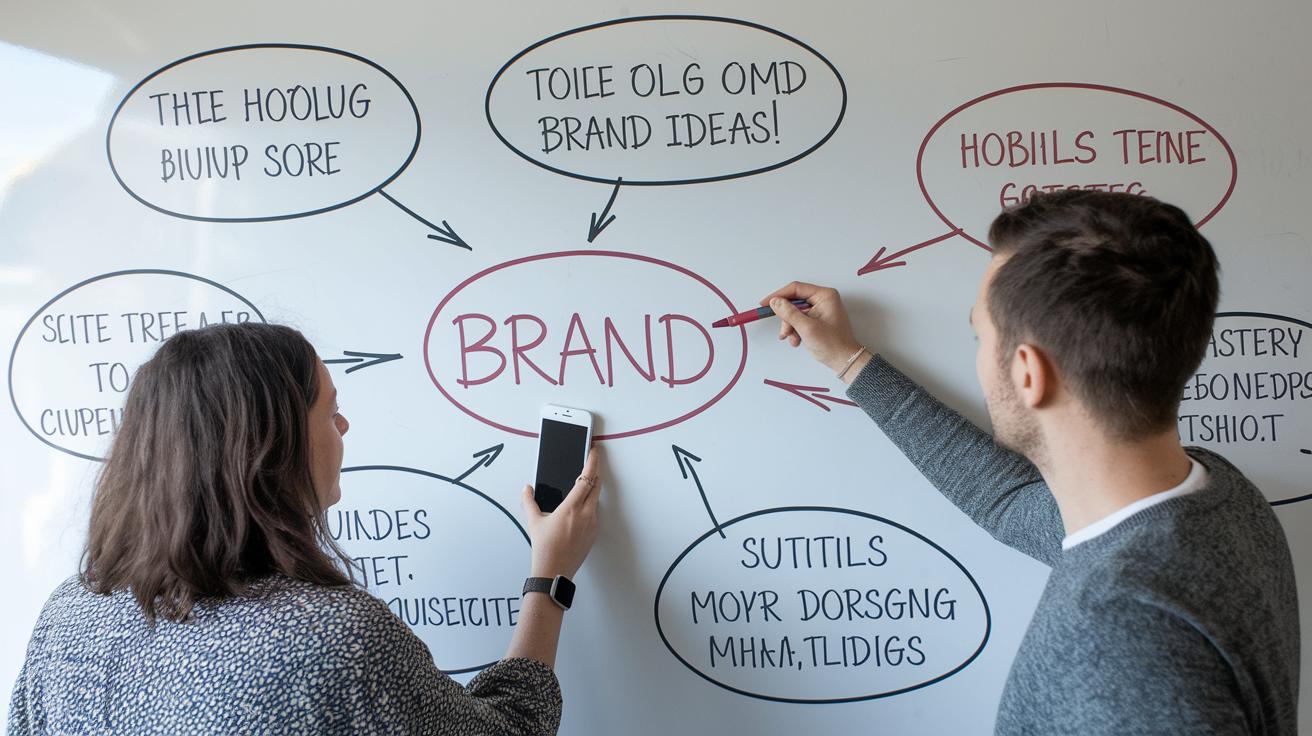
Creative ideas bring people closer to your brand. They create real connections and can boost how much people remember your brand by as much as 30%. Studies show that a bit of humor, timely offers, and seasonal messages really hit home with your audience.
- Humorous competitor call-outs: Try a playful jab at your rivals. A funny remark like, "We don't just offer low prices; we're downright cheeky," grabs attention and starts a conversation. For example, saying "We're not just on sale, watch us change the game" can spark more engagement.
- Playful user contests: Encourage customers to share their funny mishaps for a chance at a cool prize. This type of contest turns casual viewers into active members of your community.
- Timely market responses: When things suddenly change, like a supply gap or a shift in the market, a quick, witty message such as, "Short on stock? Let us brighten your day," keeps customer trust strong.
- Warm seasonal messaging: Use messages that feel like a friendly hug. A call like, "Celebrate together with shared moments," or "Gather around for a season of smiles," taps into shared feelings and builds lasting bonds.
Try these creative ideas in your next campaign to build real connections and see a measurable boost in engagement.
Data-Driven Optimization Strategies

When you launch a digital ad campaign, the first step is to set broad goals. Don’t jump straight into focusing on CPC (cost per click) or CPM (cost per thousand impressions) targets. Instead, decide what you really want to achieve, maybe you want to boost brand awareness or drive more sales. Rely on platform benchmarks from places like Facebook, Instagram, or LinkedIn to help shape your daily budget and set clear, realistic metrics. For instance, you might kick off a campaign with a goal like “Increase product inquiries by 20%,” then tweak your spending based on daily results.
Keeping your ads fresh means testing different creative ideas and designing for mobile users. Try running A/B tests on various visuals, headlines, and calls-to-action. It’s a bit like perfecting a recipe until you land on the perfect mix. Plus, using organic social metrics gives you a sneak peek at the content that naturally clicks with people, which can make your ads feel more like real conversations than just promotions.
Moving people from noticing your brand to taking action is easier with a multi-stage funnel campaign. Start with broad messaging to spark interest, then follow up with more targeted content to nurture your audience. Finally, push for conversions with enticing offers or discounts. And don’t forget to set up regular performance audits. This helps give algorithms time to optimize your setup and allows you to see which tactics are truly driving results. Regular reviews and segmentation can continuously boost your overall campaign performance.
Cross-Channel Integration and Automation Tactics

Kickstarting your advertising game starts with savvy automation. Imagine setting up your Facebook Lead Ads to flow straight into Google Sheets, transforming raw data into quick insights you can grab at a glance. And when you send LinkedIn conversion events directly over to HubSpot, every new lead finds its way neatly into your CRM. Picture this: an Instagram Lead Ads campaign that instantly updates your Mailchimp subscribers, like having a tireless on-call assistant. These smart integrations not only free up your time but also cut down on manual slip-ups, letting you dial in creative strategies and catch trends as they happen.
Mixing social ads with search campaigns can really boost your reach by hitting multiple touchpoints for deep retargeting. Syncing your TikTok lead generation with ActiveCampaign means fresh prospects get that timely follow-up, turning casual interest into real engagement. This technique weaves every channel into one smooth, unified marketing effort. Think of it like crafting a custom dashboard where all your data streams click together perfectly to drive targeted results.
In the end, this blend of cross-channel strategies ramps up efficiency and makes every single digital ad dollar count.
Leveraging User-Generated Content and Influencer Collaborations
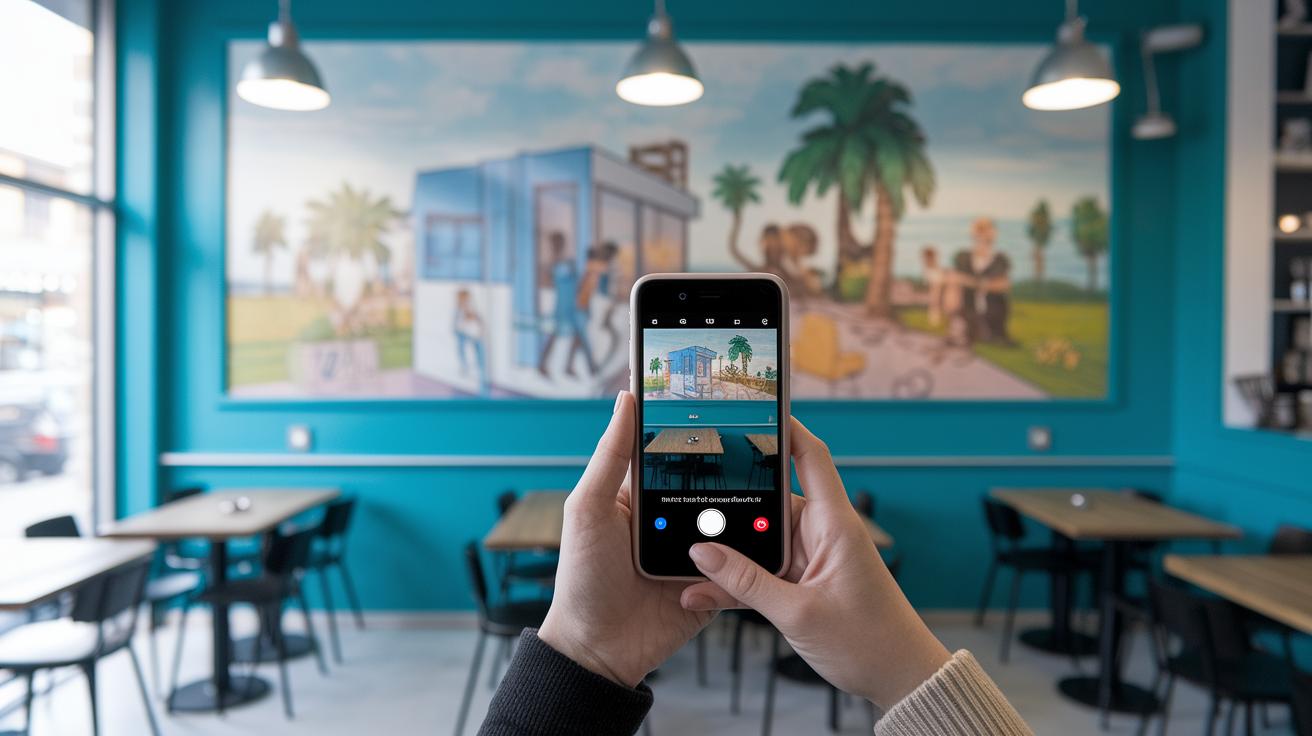
Brands are shifting away from tired ad campaigns in favor of genuine, organic connections that give customers a real voice. They’re letting people start the conversation, and this move is sparking buzz that feels both personal and lively.
Glossier's Community-Driven Launch
Glossier truly listened to its fans. They invited customers to share video reviews and Instagram stories, letting everyday feedback shape their product launches. Ever notice how one thoughtful comment can spark a whole redesign? That’s exactly what happened here.
Starbucks' Local Artist Engagement
Starbucks shook things up by partnering with local artists to reveal a behind-the-scenes look at their creative process on social media. This approach turned seasonal promotions into immersive experiences. Picture the rich aroma of fresh coffee mixing with bold street art scenes, an authentic snapshot captured on your phone!
LEGO's Fan Innovation Challenge
LEGO took fan engagement to a whole new level with a global online contest. By inviting users to submit their unique designs and vote for favorites, they turned dedicated fans into co-creators. It’s a clear call for creativity: submit your wildest brick ideas and see them transform into the next signature set.
Blending a clear brand message with genuine community creativity creates campaigns that truly resonate and turn everyday fans into passionate brand ambassadors.
Actionable Best Practices for Social Media Advertising Success

-
Start by focusing on just one platform. It’s like mastering one instrument before joining a band, learn its rhythms and boost your confidence before you add more.
-
Set big-picture goals first and then break them down into clear, simple targets, like boosting engagement or driving more sales. This helps you build your strategy step by step.
-
Use industry benchmarks (like CPC, which means cost per click, or CPM, cost per thousand views) as your budgeting guide. For instance, knowing that Facebook ads average around $0.97 per click can help you plan your spending.
-
Let real-world trends spark your ad ideas. If you notice a rush of comments on a post, that might be your cue to tweak your ad copy with a bit of fresh flair.
-
Remember that most people check their social feeds on phones. Design your visuals and copy for a small screen, think of your ad as a mini mobile experience that grabs attention and is easy to digest.
-
Try A/B testing different styles for headlines or images. It’s a simple way to figure out what really clicks with your audience and adjust your message for the best results.
-
Build campaigns that guide your audience step by step, from initial awareness to retargeting. Treat your content like a gentle nudge that leads potential customers closer to making a decision.
-
Give your campaigns time to work their magic. Allow algorithms a chance to learn from your ad’s performance; a little patience now can mean smarter targeting later.
-
Check in on your campaign regularly. A routine audit keeps you in tune with what’s working and where you can fine-tune your strategy based on live results.
Try weaving these tactics into your own ad strategy and watch your social media campaigns come alive!
Final Words
In the action, we explored a range of smart social media advertising examples, from creative ad techniques to structured data-driven strategies. Our review covered humor-infused campaigns, platform benchmarks, and innovative integration tactics that spark engagement and drive solid results.
We also broke down actionable tips for setting defined objectives, optimizing mobile designs, and fine-tuning full-funnel approaches. The insights shared aim to empower your next digital push with a clear, positive outlook on fresh trends in social media advertising examples.
FAQ
What is social media advertising and what are some examples?
Social media advertising represents paid promotional content on platforms like Instagram, TikTok, and Twitter. It includes creative campaigns such as Coca-Cola’s holiday-themed ads and Dunkin’s engaging daily deal reminders.
What types of social media advertising are there?
Social media advertising spans a variety of formats including video ads, image posts, sponsored content, influencer partnerships, and carousel ads. These formats help brands reach audiences effectively across different platforms.
What are social media advertising advantages and disadvantages?
Social media advertising drives brand visibility, precise audience targeting, and high engagement. It can also have challenges, such as increased competition and variable costs, requiring ongoing adjustments for optimal results.
What do the 5 3 2 and 5 5 5 social media rules entail?
The 5 3 2 and 5 5 5 rules outline content mix guidelines, balancing promotional material with curated and engaging content. This strategy ensures audiences see a healthy blend without feeling overwhelmed by ads.
How do I create effective social media ads and do social media marketing?
Effective social media ads start with clear campaign goals, creative mobile-friendly content, and regular performance tests. Marketers blend engaging visuals with budget-conscious strategies to stand out in competitive spaces.
What are some social media strategy examples?
Social media strategies can include influencer partnerships, targeted remarketing, and creative campaigns. Campaigns like Friskies’ viral video series and Dove’s diversity initiative serve as strong examples of this approach.
How much do social media ads cost?
Social media ad costs vary by platform—Instagram might have a higher cost per click compared to Twitter. Marketers use metrics like CPC (cost per click) and CPM (cost per mille) to manage budgets efficiently.
Where can I find social media advertising PDFs or resources?
Social media advertising PDFs and resources are available from industry blogs, marketing agencies, and online libraries that compile benchmark data, creative ideas, and campaign best practices.
What are some of the best examples of social media campaigns and ads?
Some top campaigns combine humor, seasonal elements, and surprise tactics. Notable examples include Aldi’s clever competitor call-outs, Snickers’ contest ads, and GEICO’s witty pre-roll videos that effectively engage audiences.