
Ever noticed how a quick tap on your favorite social app can completely change your shopping experience?
Social commerce is making it super easy for people to find products and buy them with just one click. Imagine scrolling through your Facebook or Instagram feed and suddenly landing on a page where you can make an instant purchase.
Marketers and business leaders are paying close attention as this trend grows. Experts even say that social shopping in the U.S. could soon reach over $100 billion.
In this post, we’re breaking down the key trends behind this shift and showing you just how much it’s changing our shopping habits.
Social Commerce Trends: Defining the Landscape and Measuring Growth

Social commerce is all about shopping right where you are. It allows you to find and buy products using your favorite apps like Facebook, Instagram, TikTok, and Pinterest, without ever leaving the feed. Imagine scrolling through Instagram, spotting a cool item, and with just one tap, you're taken straight to checkout. It’s a smooth, seamless experience.
Let’s look at some numbers. Over 5 billion people use social media, creating a huge audience ready for integrated shopping experiences. In the United States, the number of social shoppers is expected to grow from 96 million this year to around 104 million by 2025. And sales? U.S. social commerce is on track to surpass $100 billion by 2025, with Facebook alone anticipated to drive 64.6 million buyers in 2024. Remarkable, isn’t it?
Here are a few key takeaways:
- It combines discovering products with a streamlined, in-app checkout.
- It covers the entire journey, from noticing an item to sealing the deal, without the hassle of switching apps.
- Its growth is fueled by rising user engagement and the continual rollout of integrated shopping tools across various platforms.
Picture this: you're browsing your favorite app and catch a live demo of a must-have gadget, right when you need it. That’s the new retail command in action, merging discovery with a smooth buying process in today’s fast-paced market.
Social commerce trends: Captivating market insights

Facebook Shops is always finding new ways to make a connection. It now reaches over 3.5 billion users, letting brands engage with customers through in-feed storefronts that feel fresh and natural. Instagram too is stepping up its game, updating Threads, Stories, and Reels with shoppable tags that turn your casual scroll into an effortless shopping break.
Then there’s TikTok’s new Shopping Ads pilot. This emerging feature is projected to reach 48.8 million US users by the end of 2025, transforming your trend-filled feed into a lively marketplace where clicks can quickly turn into purchases.
On top of that, Shopify now syncs easily with social feeds, letting merchants organize their products as neatly as a curated gallery, quick to explore, and even quicker to buy. Pinterest isn’t far behind either; its shoppable Pins have seen a 75% jump in clicks over the past year, clearly showing that people are moving seamlessly from browsing to buying.
Overall, these platforms are reimagining the shopping experience with smart, app-based tools that make every interaction as natural as chatting with a friend.
Social Commerce Trends in Consumer Behavior and Engagement Patterns

Lately, shoppers are switching things up by leaning more on real-time chats and genuine recommendations. It’s a bit like a friend saying, “Hey, you’ve got to try these shoes, they feel amazing!” That kind of earnest advice truly sparks interest and builds trust.
User reviews and ratings now play a huge role in winning hearts. Studies even show that these authentic testimonials can lift conversion rates by up to 50%. Imagine someone sharing how a product made their daily routine smoother, it naturally connects with others looking for the same benefit.
Today, the average person spends about 2 hours and 30 minutes on social media each day. More screen time means more chances for those impulse buys. Plus, around 41% of consumers favor live chat support for quick answers while shopping online. Picture a responsive chatbot that instantly clarifies your sizing doubts, one quick chat and your order is in!
Key takeaways:
| Insight | Impact |
|---|---|
| Peer recommendations | Boost purchase confidence |
| User-generated content | Increases trust and conversions |
| Live chat support | Engages buyers and reduces hesitation |
Social Commerce Trends with Emerging Technologies: AR, NFTs, and Voice
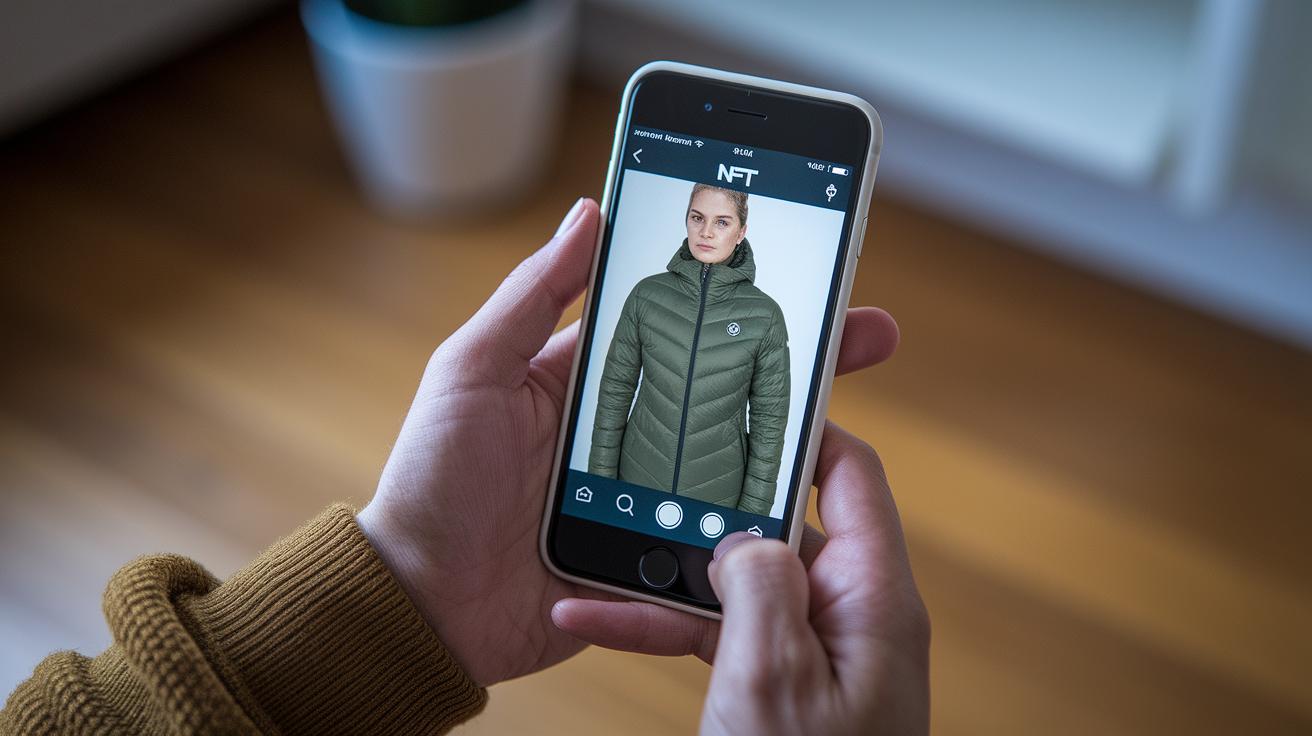
AR shopping is buzzing right now. Almost 75% of smartphone users will soon dive into virtual try-ons. Picture this: you’re in your living room, using your phone to see how a jacket fits, all from the comfort of your home. It makes shopping feel more fun and interactive.
Voice commerce is creating its own buzz too. By mid-2022, over 27% of US shoppers used their voice to pay for items. It’s like having a chat with your personal shopping buddy, just say, "Buy these sneakers," and they’re instantly added to your cart.
NFTs are stepping up in the world of product authentication as well. In 2023, about 15% of tech-forward brands began using NFTs to confirm that products are genuine. Plus, ethical badges are winning hearts, 67% of buyers feel more trust in brands that highlight sustainable practices.
These innovations aren’t just extra features. They’re changing the game by reshaping customer engagement and trust. In a digital marketplace that’s always shifting, they help make in-app shopping smoother and more secure.
Influencer-Driven Shopping Trends in Social Commerce

Influencer partnerships are changing the way we find products on our favorite social apps. Research tells us that 81% of people trust tips from influencers or friends, which shows just how strong that bond of trust can be. This connection is not just heartwarming, it’s boosting sales, with forecasts reaching $22.2 billion by 2025. Brands are using these partnerships to speak directly to us, creating a vibe that really sticks.
Big names like Lululemon are already ahead of the game, reaching over 5 million Instagram followers with content that feels personal and real. At the same time, micro-influencers are stepping up, generating engagement rates that are 60% higher than what you’d see from traditional celebrity ads. Their straightforward, everyday stories make you feel like you’re hearing a recommendation from a friend, which often makes you want to act right away.
Imagine scrolling through your feed and stopping at a post that says, "This new sneaker made my morning run unforgettable." It sounds like a friendly heads-up, not just a sales pitch, and that’s exactly what grabs your attention.
- Influencer tips build trust.
- A blend of big-name and small-scale influencer strategies drives genuine engagement.
- Real, down-to-earth content leads to quick action.
Live Video Selling and Shoppable Media in Social Commerce Trends

Live video selling is completely changing the way we connect with our favorite brands. Imagine tuning into a live stream where you can ask questions on the fly and click on checkout buttons without missing a beat. I read that live streams, complete with real-time Q&A and easy checkout options, can boost conversion rates by 30%, isn’t that something?
Shoppable media is fast becoming a game changer. One video demo even showed that 89% of viewers ended up buying, showing just how well dynamic visuals paired with direct shopping options can work.
TikTok’s shoppable live sessions jumped up by 150% this year, turning casual scrolling into real sales, while Pinterest video pins are drawing 45% more clicks, proving that interactive content really keeps people hooked.
Picture yourself watching a live product demo; with one quick tap, you’re whisked away to the purchase page and soon enough, you’re the proud owner of that product you just saw in action. This fun mix of entertainment and shopping is sparking fresh engagement and really pushing conversion rates upward.
- Real-time Q&A builds trust.
- Shoppable features trim down the buyer’s journey.
- Dynamic visuals capture and hold attention.
Data Analytics, AI, and Measurement in Social Commerce Trends

Digital marketing these days depends on smart data. AI tools that personalize experiences, using technology to tailor your interactions, are now making a huge difference. In fact, 75% of marketers are diving into these systems to boost customer satisfaction. Imagine every tap or scroll on your app being analyzed in real time, suggesting products like a friend who knows your style. It's like having a tailor-made shopping buddy that tweaks your feed exactly when you need a nudge.
Chatbots are really shaking things up too. They handle customer questions 24/7, which can lower cart abandonment by nearly 20%. Ever chatted with a digital assistant that feels as friendly as your local store clerk? This non-stop help smooths out the buying process and keeps shoppers engaged, no matter the time of day.
Modern analytics platforms now monitor key performance indicators across more than 30 social and messaging channels. Thanks to real-time dashboards, brands get instant insights into what's driving their revenue. Imagine a marketing team debugging their ad spend minute-by-minute to ensure every campaign nails its target. It's like having a live map guiding your strategy exactly when every second counts.
| Metric | Impact |
|---|---|
| AI Personalization | Improves customer experiences for 75% of marketers |
| Chatbot Support | Reduces cart abandonment by nearly 20% |
| KPI Monitoring | Real-time tracking across 30+ channels |
Future Forecasts and Strategic Recommendations for Social Commerce Trends

The coming years will completely shake up the way we shop online. Experts predict that by 2026, we’ll be stepping into a "socialverse" where Web3 tools (tech that uses blockchain), XR experiences (virtual and augmented reality), and decentralized marketplaces all mix together. US social commerce sales could climb past $150 billion by 2027, challenging everything we know today. Plus, platforms are making shopping a breeze with one-click checkout options. Over half of millennials already lean towards buying directly from ads, so this is a trend you just can’t ignore.
So what should you do? Start by getting ahead with these emerging technologies and try out shortcut checkouts. Imagine this: you get a simple app alert that opens up a one-tap purchase screen, turning a quick look at a product into an instant sale. This isn’t merely chasing the latest fad; it’s a savvy way to capture a digital-first audience that craves simplicity and speed.
Next, why not experiment with a more immersive shopping experience? Picture a virtual showroom where your customers can interact with products in a 3D world before making a purchase. Blending elements from the metaverse with XR demos might be just the breakthrough that sets your brand apart in this fast-evolving digital market.
Final Words
In the action, this article has highlighted social commerce trends from platform innovations and consumer behaviors to tech advancements like AR and live video selling. We've seen how influencer partnerships, data-driven insights, and emerging technologies reshape shopper experiences.
Each insight ties back to making informed marketing decisions. Actionable takeaways give a peek into the buzz surrounding current social commerce trends and show that embracing these shifts can bring a fresh perspective to your strategy. Here's to a future filled with dynamic retail success.
FAQ
What is social commerce and what are the current trends?
The social commerce trend refers to in‐app purchasing and interactive buying experiences on social platforms. It features shoppable posts, AI personalization, and immersive media, driving higher engagement and streamlined purchase journeys.
What are some examples of social commerce in action?
Examples of social commerce include in‐app purchasing via Facebook Shops, Instagram Reels with shoppable tags, TikTok Shopping Ads, and Pinterest shoppable Pins, enabling users to buy products within their favorite apps.
What platforms support social commerce?
Major social commerce platforms such as Facebook, Instagram, TikTok, and Pinterest incorporate shopping features like in‐feed storefronts, live videos, and catalog sync, offering users a seamless purchase experience directly in the app.
What social commerce statistics highlight market growth?
Social commerce statistics reveal US sales are expected to top $100 billion by 2025, driven by rising user engagement, increased in‐app purchases, and a growing base of digital shoppers across social media channels.
What types of social commerce models exist?
Social commerce models include influencer-driven promotions, live video selling, shoppable content, user-generated reviews, and integrated catalog experiences, each providing distinct methods for engaging customers in the digital space.
What are the predictions for social commerce’s future?
Predictions for social commerce forecast ongoing growth with unified checkout solutions, immersive experiences, and innovative tech features like AR try-on and AI personalization, ultimately making in‐app shopping more intuitive and engaging.


