Ever wonder if your marketing strategy feels like it’s missing a little spark? Omnichannel marketing is that secret ingredient. It mixes online and offline experiences, think social media, mobile apps, and in-person events, to create a consistent vibe that really grabs attention.
And the proof is in the numbers. Big brands are seeing smoother customer journeys boost sales and loyalty. In this article, we'll chat about how these fresh trends can give your growth a real kick and help you rethink the way you connect with your audience.
Omnichannel Marketing Trends: Energize Your Business
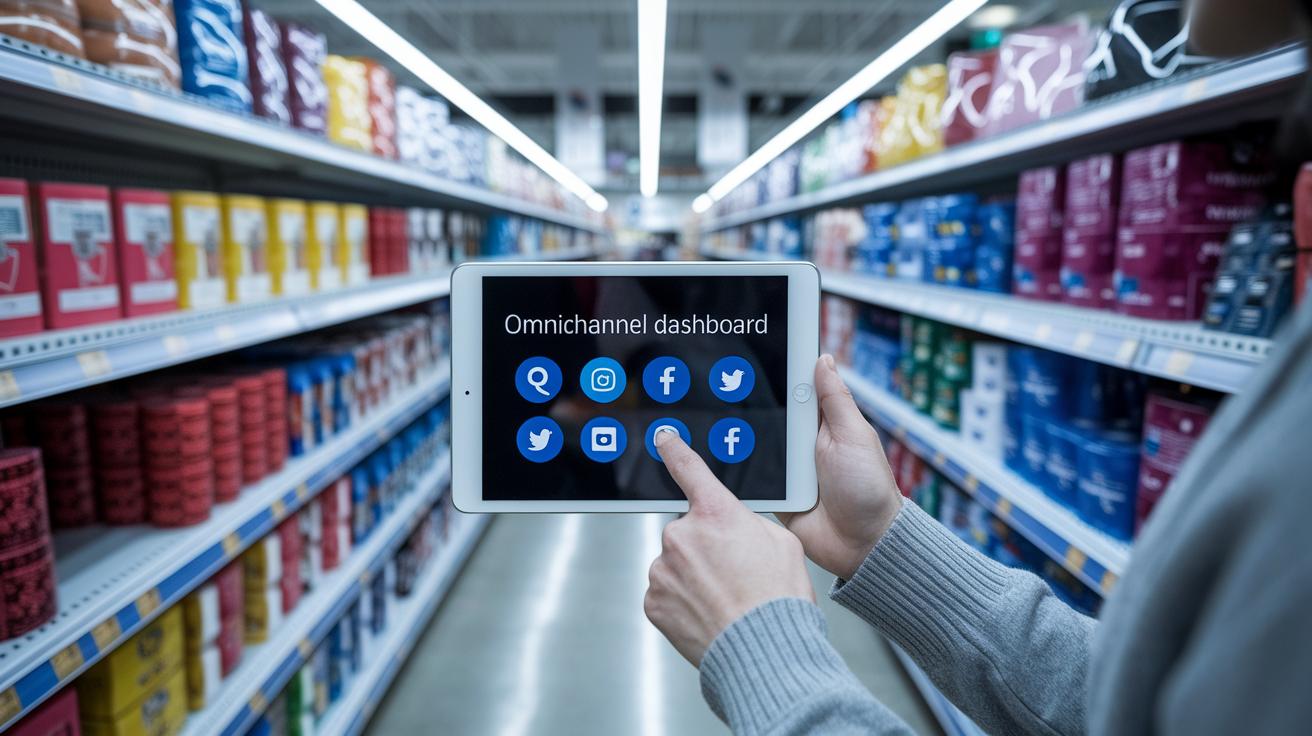
Omnichannel marketing is all about making every customer touchpoint feel smooth and connected. It mixes online and offline channels like email, social media, apps, websites, brick-and-mortar stores, and live events into one seamless journey. Big names like Starbucks and Nordstrom nail this strategy by syncing their mobile apps with in-store digital tools, ensuring every interaction speaks to individual customer tastes.
A look at the data tells the story. In 2024, social networks sway 74% of shoppers when they decide to buy, and 40% end up spending more if the experience feels personal. Ever noticed how a simple fact can grab your attention? Picture opening a piece with, “Nearly three-quarters of consumers trust their social feeds for buying ideas,” and you'll see why these trends pack a punch.
At the core of digital trends is the idea of a unified, frictionless experience. There's been a big surge in mobile commerce, too, experts predict it will drive 62% of ecommerce sales by 2027. This means brands must adopt smart channel strategies that gather continuous data and use real-time analytics to stay ahead. It’s like fine-tuning your radio to catch every nuance of the market buzz.
All these innovations come together to shape customer journeys that stick with you, each interaction is on point and memorable. Embracing an omnichannel approach doesn’t just drive growth; it builds lasting customer loyalty and gears brands up to thrive in a fast-moving market.
Artificial intelligence innovations in omnichannel marketing
More brands are hopping on the AI bandwagon to power up their marketing across multiple channels. These clever systems dig into customer data in real time so marketers can serve up product suggestions that seem almost magical. Picture this: a message that says, "Find a deal made just for you," much like how Netflix picks out shows you might love. That really shows how good AI is at crafting personalized messages.
Machine learning has become a must-have tool, letting brands really understand what people browse, buy, and say. It takes these insights and turns them into quick actions. And if you’ve ever chatted with a website support bot, you know it’s like having a friendly store clerk available day and night.
Voice commerce is another area where AI really shines. By 2025, voice assistants will take natural language commands for shopping, offering a hands-free experience that changes what customers expect. Tech-driven marketing models adjust on the fly, delivering custom content in an instant. Every touchpoint ends up feeling perfectly tuned to the customer.
Brands that jump on these innovations often see benefits right away. Quick support and spot-on recommendations mean higher conversions and customers who feel truly understood. In fact, this smart, tech-forward approach is reshaping marketing, fueling creativity and building lasting trust.
Personalization and customer journey mapping in omnichannel strategies
We start with customer data. Marketers pull insights from browsing history, cart abandonments, and past purchases to create messages that really hit home. Think about a campaign that opens with, “Based on your recent search, we think you'll love this offer.” It’s a straight-up shout out to data-driven personalization. And when you use consumer behavior analytics tools (tools that help decode customer actions), teams can break down audiences into neat, targeted groups.
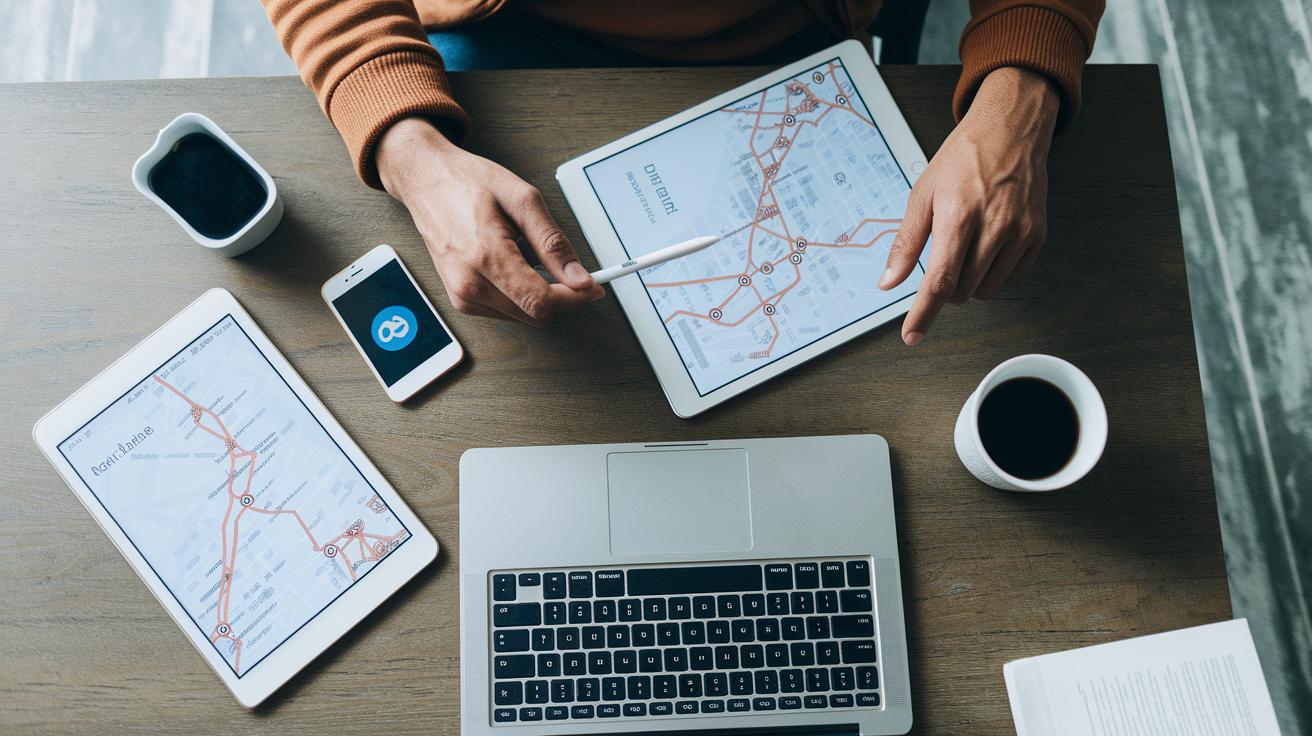
Next up is journey mapping. This is where raw data transforms into a visual roadmap of every customer touchpoint. Imagine sketching out a map where each stop marks an interaction, whether it’s an email, an app notification, a social media post, or even an in-store visit. This approach spots prime opportunities for tailored outreach that meets specific customer needs.
Testing remains key. When campaigns get fine-tuned continuously based on real-time feedback, mobile engagement jumps. Picture running two versions of a message, one that highlights free shipping and another that focuses on fresh arrivals. Often, one version can drive spending up by around 40 percent through those personalized tweaks.
And of course, team alignment is critical. When marketing, tech, and sales work in sync, every customer pathway comes together seamlessly, boosting revenue. It’s the powerful blend of journey mapping and data-driven marketing that creates a responsive, ever-evolving strategy tuned to real customer behavior.
Mobile and social commerce convergence in omnichannel marketing

Smartphones are the beating heart of digital shopping today, serving as the main doorway into ecommerce. Experts predict that by 2027, mobile purchases could make up 62% of all online sales, a clear sign that brands are shifting their focus to mobile-first strategies to reach the always-connected consumer.
Social media isn’t just for catching up with friends anymore. It’s quickly becoming a full-on shopping destination. By 2025, an estimated 110.4 million people may buy directly from these platforms, particularly in lifestyle, beauty, and fashion sectors. Picture scrolling through your favorite feed and stumbling upon a post that lets you grab a must-have accessory without switching apps.
Integrating mobile and social commerce means adding features like in-app checkouts and shoppable posts to create a super-smooth shopping experience. Ever noticed how effortlessly you can buy a trendy pair of sunglasses just by tapping an ad? That tiny interaction packs a punch, it’s the magic of seamless digital touchpoints turning a casual scroll into a quick purchase.
Keeping the message consistent across devices is another smart play for brands. Whether it’s a mobile banner or a live demo on social media, every touchpoint is designed to boost engagement and drive sales. By merging mobile-first approaches with the rising trend of social commerce, marketers are building a lively ecosystem that makes shopping as easy as a scroll and a swipe, energizing their business and perfectly capturing today’s consumer behaviors.
Streamlined omnichannel operations with composable commerce

Composable commerce is like a toolkit for modern businesses, using flexible building blocks to help brands manage huge product catalogs and sell across many channels. By March 2023, 72% of US retailers were already on board, and another 21% planned to jump in within a year.
This approach lets companies swap out parts of their systems quickly without doing a total overhaul. Imagine a puzzle: if one piece gets outdated, you just replace that piece while the rest of the picture stays perfect. For instance, think about updating your checkout in minutes instead of months.
Speed is just the beginning. Composable commerce also gives you clever ways to plan your sales channels so that you get products to market faster, while ensuring different systems work well together. It pulls all the moving parts into one smooth process, making operations agile and efficient across all kinds of industries.
Ultimately, this strategy helps businesses keep up with fast-changing customer needs. Marketers can use these flexible systems to cut out friction and create a smoother shopping journey. The result? A boost in overall performance that not only speeds up new feature launches but sets the stage for lasting business growth.
Local advertising and direct mail comeback in omnichannel marketing

Local digital ads teamed with direct mail are turning out to be a powerful mix for brands chasing more foot traffic and lively in-store moments. In 2024, about 97.2 million Americans (roughly 34.2% of consumers) used buy-online-pickup-in-store options. This shows that blending online ease with a real, touchable reminder can spark stronger customer response.
Imagine getting a postcard that casually invites you to check out a local deal while you're browsing online ads. Suddenly, the message feels personal, as if a friend just tipped you off to a hidden gem.
This approach fits all types of businesses, from luxury brands to neighborhood shops. Direct mail gives digital campaigns a tangible, human touch that cuts through the constant online clamor. Pairing smart local digital ads with a tailored mailed message not only cements the brand's voice but also lifts conversion rates by engaging people on different levels.
Retailers are embracing these multi-channel tactics to build a community-focused strategy that resonates with a wide audience. Every interaction, whether seen on a screen or held in your hands, works together to make the customer experience smoother and more connected.
Returns management and B2B omnichannel adoption

Streamlined returns are a real game-changer for keeping customers happy. With 76% of shoppers valuing free returns, retailers are overhauling their post-purchase strategies, often planning updates to their return policies in just six months. They’re focusing on simple, clear instructions, fast processing, and automated updates that keep customers in the loop. Imagine getting a friendly note saying, "Your hassle-free return is underway – expect a confirmation within minutes." It’s reassuring, builds trust, and ties right into a smooth, unified sales channel approach that supports top-notch customer care.
B2B companies are joining the trend too. Data shows that 83% of business buyers now complete most of their purchases online. Manufacturers and distributors are blending digital convenience with a personal touch, like following up an online order with a friendly, tailored call to discuss needs. This mix of digital efficiency and traditional service makes the whole shopping experience easier and more human.
| Key Tactics for B2B |
|---|
| Streamlined digital order management systems |
| Real-time inventory updates |
| Coordinated follow-ups through digital and offline channels |
Together, these strategies create a smooth, integrated promotion that meets modern buyers’ expectations. By syncing tracking across all channels, companies not only deliver a consistent experience but also build lasting loyalty.
Future directions for emerging omnichannel marketing trends
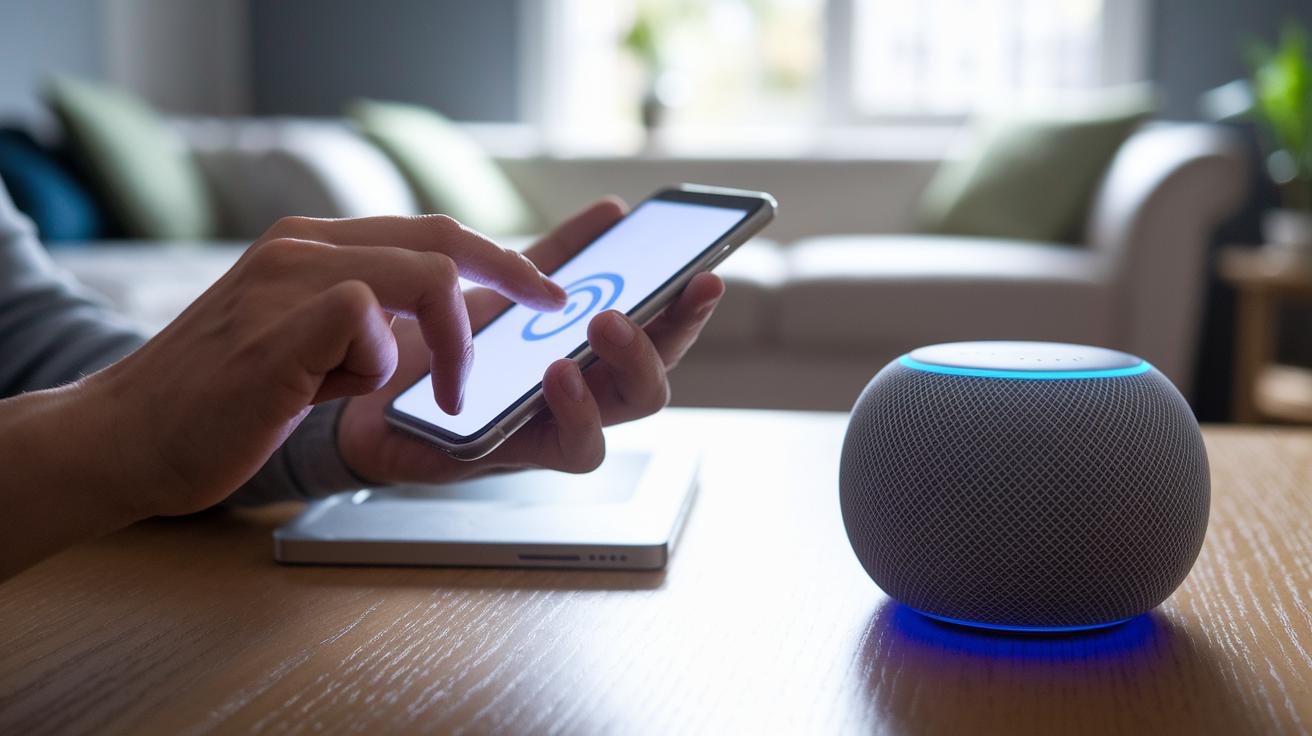
The digital marketing world is changing fast, and you can feel the buzz in every new trend. Brands are getting ready for voice-activated shopping, imagine saying, "Order my favorite outfit," and watching it come straight to you. This shift makes shopping feel more natural and hands-free.
AI is also playing a huge role in this journey. More tools are coming online to personalize your experience, suggesting products based on what you like and what you’ve looked at before. Picture a chatbot saying, "Hey, we thought you might love this deal based on your last search." It’s all about making interactions feel more real and tailored.
Social commerce is on the rise too. Shopping inside your favorite social apps is becoming simpler and more fun. At the same time, brands are focusing hard on how they handle your data. They’re working to balance those personalized touches with top-notch privacy measures.
And don’t be surprised if you see more virtual and augmented reality experiences soon. These new interfaces add an exciting, immersive twist to shopping, bringing customer engagement to life. In short, being quick on your feet and embracing forward-thinking ideas is the key to thriving in tomorrow’s market.
Final Words
In the action, we explored how omnichannel marketing trends blend online and offline channels to create a seamless experience. The discussion covered AI innovations, personalized customer journeys, mobile and social commerce convergence, and smart composable commerce strategies. We even touched on the local advertising resurgence and efficient returns management for a mix of B2B and consumer touchpoints. It’s clear that embracing these trends can power digital integration trends and push your strategy ahead. Keep pushing forward, exciting opportunities lie ahead!
FAQ
Q: What are some omnichannel marketing trends examples?
A: The omnichannel marketing trends examples include integrated online and offline channels, increased social media influence on purchasing, mobile-first strategies, and the use of AI to offer personalized experiences across various touchpoints.
Q: How have omnichannel marketing trends evolved from 2021 to 2025?
A: The omnichannel marketing trends evolved by shifting from simple channel integration in 2021 to embracing advanced personalization, AI-driven insights, mobile commerce growth, and voice command features predicted by 2025.
Q: What are the current omnichannel retail trends?
A: The omnichannel retail trends reflect strategies that combine in-store, online, and mobile interactions with social commerce and direct mail, fostering seamless, efficient shopping experiences and boosting customer engagement.
Q: What is omnichannel retailing?
A: The omnichannel retailing merges physical and digital channels, creating a unified shopping experience where consumers move effortlessly across in-store, social, mobile, and web platforms while receiving consistent brand messaging.
Q: What are the key news highlights about retailing and omnichannel marketing?
A: The news on retailing and omnichannel marketing spotlights major brands integrating digital and physical experiences, streamlining operations with modular platforms, and utilizing local advertising and direct mail to drive foot traffic and sales.