Have you ever thought about whether digital worlds can create real customer connections? Metaverse marketing gives brands a fresh twist on building genuine relationships, like chatting over coffee. Imagine customers walking into virtual showrooms that feel as inviting as your favorite local store. This approach not only boosts engagement, it can even lift loyalty by up to 25%.
In our post, we break down how gaming platforms, virtual venues, and digital collectibles work together to create memorable, interactive brand experiences.
Metaverse Marketing Strategies: Elevate Brand Impact

Metaverse marketing taps into interactive, 3D virtual spaces where users join in with digital avatars. It’s like blending the digital and physical worlds into one exciting experience. Imagine inviting customers into a virtual store where they can wander around and explore your products just like in a real-life showroom. It feels fresh, natural, and downright engaging.
This approach doesn’t just look cool, it brings real benefits. Immersive campaigns spark genuine emotional bonds, which can boost brand loyalty by as much as 25%. Plus, metaverse marketing lets brands zero in on niche audiences, keep them coming back, and create buzzing communities that make every digital encounter memorable.
- Embedding ads naturally within gaming platforms
- Bringing real-world marketing strategies into virtual realms
- Selling virtual goods for avatars
- Launching custom 3D venues for your brand
- Building deeply immersive brand experiences
- Offering NFTs as exclusive digital collectibles
By mixing these tactics, brands can set up consistent, engaging digital spaces that really connect on a personal level. It’s like recreating everyday interactions with a creative, tech-savvy twist that invites consumers to truly explore and interact in fresh, innovative ways.
Key Technologies Powering Metaverse Marketing Strategies

Virtual reality, augmented reality, blockchain, and AI are merging to create digital playgrounds that feel almost magical. They work together to build spaces where users truly experience digital immersion. AR sprinkles digital overlays so you can try on products as if you were in a real store, while VR crafts whole brand worlds that mimic physical spaces. Blockchain backs secure NFT ownership (that’s digital proof you really own something) and cool collectibles, which many brands love to offer. And AI? It ramps up customer support with smart chatbots and interactive, gesture-based training sessions that keep everything running smoothly.
| Technology | Function | Example |
|---|---|---|
| AR | Adds digital try-ons | 61% of shoppers prefer AR stores |
| VR | Creates immersive worlds | Virtual test drives |
| Blockchain | Secures NFT ownership | Encrypted digital collectibles |
| AI | Offers adaptive help | Gesture-based tutorials |
Investing in these tech tools isn’t cheap, and brands need to be ready to allocate real resources. It comes with its own set of challenges, from how to monetize the efforts to getting customer buy-in. Think of blockchain and NFT strategies (check out web3 marketing for more insights) as crucial building blocks for modern digital ownership. Companies are now striving to recreate lifelike product demos and service experiences in the metaverse. The real challenge is balancing investment with returns while keeping pace with rapid tech advances, making sure campaigns both captivate audiences and foster strong, engaged communities.
Crafting Interactive Consumer Experiences in Metaverse Marketing Strategies

Interactivity is truly the heart of metaverse marketing. When users engage with digital avatars, every click or gesture weaves a personal story. In short, it turns routine visits into adventures that spark genuine connection.
Avatar Customization
Personalization in digital worlds shines when avatars aren’t just blank templates. Users love tweaking their digital looks, whether it’s choosing a cool hairstyle or rocking a unique outfit from an exclusive drop. This personal touch not only celebrates self-expression but also builds a lively resale scene, with prized digital items turning into must-have collectibles. Imagine a special digital jacket that instantly transforms an avatar's style, a tiny change that can boost brand loyalty and set social chatter buzzing.
Virtual Community Hubs
Think of digital spaces as today’s favorite hangouts. They serve as modern meeting spots for live product launches, themed discussions, and fan-led events, much like real-life gatherings. These hubs pull people into immersive brand experiences and transform onlookers into active community members. Picture digital concerts, interactive workshops, and live product showcases happening in real time, all creating memorable touchpoints that keep everyone connected.
Mixing smart design with hands-on interaction builds strong brand bonds. And by using tools like consumer insight analytics (data that measures performance), marketers can refine experiences step by step. Every digital interaction turns into lasting community growth and makes the brand stand out even more.
Leveraging Influencer Partnerships in Metaverse Marketing Strategies
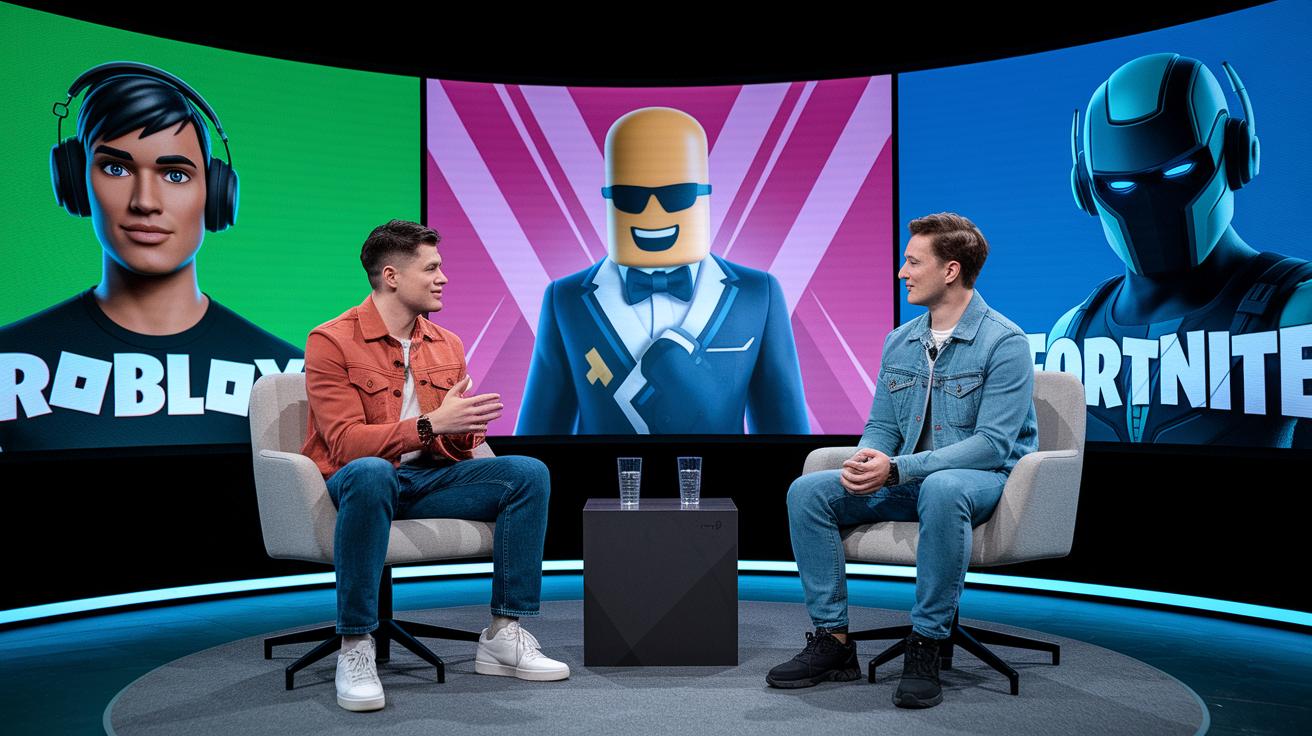
When you step into the metaverse, influencers become your trusted guides who really get the vibe of digital worlds. Brands should team up with individuals who have earned credibility on native platforms like Roblox and Fortnite. These influencers speak the language of their audience, creating genuine and lively engagement. They aren’t just selling a product, they’re sparking real conversations and building trust. Picture an influencer hosting a casual one-on-one chat about the latest digital avatar trends. That kind of honest interaction can build tight-knit, passionate communities that value personal recommendations.
Next, think about spicing up your marketing with branded events and custom avatar collaborations. Imagine influencers co-creating virtual concert experiences full of energy, much like the thrill of a live show, or hosting exclusive, limited-time product drops that make digital marketplaces buzz. Brands can even roll out collectible avatar skins that feel super special for early fans, giving them a sense of pride and belonging. This strategy not only boosts reach and trust, but also nurtures small, loyal communities that transform everyday digital encounters into meaningful connections.
Product Launch Techniques & Virtual Promotions in Metaverse Marketing Strategies

When launching a product in the metaverse, it all starts with a solid concept and choosing the right platform. Think of it like planning a live event. You figure out your goals, imagine who will join in, and pick a virtual space that feels both fun and real. Remember BMW’s virtual car launch in Decentraland? They invited users to take a virtual spin, making the experience feel almost like a real test drive. The trick is to build a digital space that looks and feels genuine, even adding cool AR overlays that give detailed demos.
Next, the focus shifts to bringing that idea to life with clear 3D modeling, creative storytelling, and immersive demos. This stage is all about letting creativity shine. Imagine a digital showroom where every piece is carefully crafted to engage visitors. With every click, someone can jump from a basic look to a deep dive into the product’s features, all wrapped up in a neat narrative that guides them smoothly through the experience.
Finally, it’s time to create some buzz by blending both virtual and real-world promotions. Sync your digital launch with live events and social media chatter to keep the excitement building. This mix not only boosts your reach but also keeps your message consistent across the board. In short, by coordinating your timing, visuals, and genuine storytelling, you naturally build brand trust and a lasting connection with your audience.
Measuring ROI & Analytics for Metaverse Marketing Strategies

When it comes to tracking ROI in metaverse marketing, setting clear goals is key. Marketers need to keep an eye on simple numbers like session length, engagement rates, user retention, virtual item sales, and even NFT resale volumes (NFTs are digital collectibles that can be traded). These figures can shine a light on how users behave online.
Advanced analytics tools are a game changer. They let brands watch immersive events in real time, imagine up to 2,000 users partying in a virtual space, and pull together dashboards that show important stats, like a 25% jump in brand loyalty or better conversion rates from trial to purchase. With immediate data, you can tweak your campaigns and balance your ad spend, mixing creative ideas with hard performance facts.
Next, refining your conversion funnel is crucial for boosting your brand’s metaverse impact. Start by looking at how digital assets move between users during interactive experiences. When you spot where engagement peaks or stalls, you're really getting to the heart of what works. Tracking these movements helps you see if your content strategy is really clicking and where users might be slipping up during the purchase process.
At the same time, listening to what your community is saying adds a personal touch to all those raw numbers. By blending hard data with genuine feedback, brands can fine-tune their calls-to-action, polish interactive elements, and smooth out every step, from a user’s first visit all the way to a final purchase. In doing so, you not only drive solid returns but also build lasting trust and deeper connections with your audience.
Case Studies: Metaverse Marketing Strategies in Action

Nike’s Nikeland on Roblox turned product interactions into a fun, game-like experience. They set up mini-games and offered cool, branded gear that caught the eye of younger audiences. The energy was contagious, a flood of community chatter and innovative digital ideas even opened up new ways to earn.
Gucci stepped into the metaverse with its Virtual Garden on Roblox, carving out a unique space where rare digital items were sold, and later, resold for a premium. This smart, controlled drop not only boosted the brand’s allure but also proved that a well-planned digital release can drive real, measurable results.
Fortnite surprised everyone by hosting live concerts featuring top musical artists. This clever mix of entertainment and branding cranked up engagement levels and deepened music partnerships. The shows saw a real spike in active user sessions and a noticeably brighter brand vibe.
Balenciaga brought luxury right into the gaming world by merging high-end fashion with gameplay. Avatars had the chance to wear digital versions of real-world items, sparking buzz and excitement among style-savvy users. The result was a rush in digital sales and a tighter connection with a trend-focused community.
Coca-Cola kept things playful on Decentraland with an interactive virtual vending machine. This engaging demo gave users a hands-on taste of the brand, mirroring the fun of a physical experience. It led to enthusiastic interactions and glowing feedback throughout the digital space.
BMW got creative by offering virtual test drives on a dedicated metaverse platform. These realistic vehicle previews not only recreated the feel of a traditional launch but also moved the needle on customer interest. It’s a standout example of how immersive digital experiences can lead to real-world buying intent.
Final Words
in the action, we broke down interactive ad campaigns, tech integrations, and story-driven product launches that capture today’s brand spirit. Small tidbits on AR, blockchain, and immersive metrics gave a clear sense of the underlying digital setup.
in the action, the analysis veered into inventive influencer events and real-world case studies proving that metaverse marketing strategies spark lively engagement and fuel business momentum. Cheers to future breakthroughs and bold campaigns!
FAQ
Q: Metaverse marketing strategies pdf
A: The metaverse marketing strategies pdf refers to a formatted guide that summarizes interactive tactics, real-world examples, and actionable advice for launching immersive campaigns in virtual environments.
Q: Metaverse marketing strategies examples
A: The metaverse marketing strategies examples include embedding ads in gaming platforms, creating virtual showrooms, and offering NFT collectibles that spark brand engagement and foster immersive consumer experiences.
Q: Metaverse marketing strategies 2021
A: The metaverse marketing strategies 2021 centered on using VR and AR demos along with virtual product launches, paving the way for brands to connect with tech-savvy consumers in engaging digital settings.
Q: Metaverse marketing examples
A: The metaverse marketing examples showcase methods like designing branded virtual venues, deploying AR pop-up stores, and using NFT-based incentives, all focused on boosting user interaction and brand loyalty.
Q: Best metaverse marketing strategies
A: The best metaverse marketing strategies merge native advertising in virtual worlds with interactive consumer experiences and NFT rewards, aiming to elevate brand presence and drive measurable audience responses.
Q: Metaverse marketing strategies 2022
A: The metaverse marketing strategies 2022 expanded on earlier tactics by incorporating blockchain integration, improved AR overlays, and refined social interactivity, which together enhanced genuine connections in digital spaces.
Q: Metaverse marketing PDF
A: The metaverse marketing PDF is typically a comprehensive document offering insights on planning, launching, and tracking virtual campaigns, complete with case studies and clear tactics for digital brand promotion.
Q: Metaverse marketing advantages and disadvantages
A: The metaverse marketing advantages and disadvantages include a boost in user engagement and immersive brand experiences, contrasted with challenges like high investment costs and the need for creative adaptation to digital norms.
Q: What is the metaverse marketing strategy?
A: The metaverse marketing strategy involves creating interactive digital experiences by blending VR, AR, and blockchain technologies to engage users in virtual environments while aligning tech innovations with brand messaging.
Q: What is the 3 3 3 rule in marketing?
A: The 3 3 3 rule in marketing means concentrating on 3 core messages, using 3 communication channels, and targeting 3 audience segments to simplify a strategy and enhance campaign clarity.
Q: What are the 5 C’s of marketing strategy?
A: The 5 C’s of marketing strategy refer to Company, Customers, Competitors, Collaborators, and Context, providing a solid framework to analyze market conditions and guide effective campaign decisions.
Q: What are the 4 marketing strategies?
A: The 4 marketing strategies consist of product, price, promotion, and place, which together address different aspects of market engagement and help create a balanced, compelling brand narrative.