Have you noticed how old advertising is getting a fresh twist? Marketers are teaming up with smart software and short videos that spark creative energy. AI tools (think of them as smart programs guiding spending) now help keep budgets in check, while niche influencers boost brand buzz with a focused approach.
Today’s buyers check out just a few content pieces before they decide, pushing brands to blend tech and art in innovative ways. These trends are redrawing the marketing playbook and lighting up campaigns across every channel.
Core marketing innovation trends Shaping the Future of Promotion

Marketers today are riding a wave of fresh ideas that completely shake up old-school advertising. We’re seeing trends like AI-powered tools (that means smart software which learns from data, with 88% of marketers planning to increase spending) and more focused budgets for niche influencers (84% expect to spend more). Short-form videos, which deliver the highest returns for 21% of marketers, prove the point. And think about this: nearly half of buyers check out three to five pieces of content before reaching out. It’s all part of a dynamic digital marketplace where constant upgrades redefine how we connect with customers. Want more details? Check out digital marketing trends.
Traditional methods are stepping aside as brands embrace a tech-savvy approach. Today’s success is about being on every channel and perfecting every customer touchpoint. Social media still holds huge sway, with 90% of Americans active on these platforms. And look out for the metaverse, a new, interactive world where brands are experimenting with cool, engaging experiences. It’s a call for marketers to rethink how they connect, blending smart technology with creative storytelling that really hits home.
In a world where adapting fast is key, these trends offer clear, measurable ways to boost growth while keeping your brand fresh and competitive.
AI-powered promotion and data-driven strategy in marketing innovation trends

Marketers are quickly jumping on AI insights to reshape their campaign game. They’re using advanced analytics platforms to pull data from both online and offline sources, then cooking it into refined datasets that help make smarter decisions. And when something goes off track, be it in data flow, campaign issues, or operations, automated alerts buzz in, giving teams a heads-up instantly.
A cool twist is the use of a dedicated AI Agent. This little helper uses machine learning (ML, which means teaching computers to learn) alongside natural language processing and deep learning to fix analytics challenges with just simple prompts. These smart tools are now part of our marketing analysis tool (marketing analysis tool), driving fresh changes in how campaigns are managed.
Below is an HTML table that lays out three core features, what they do, and the benefits they bring:
| Feature | Function | Benefit |
|---|---|---|
| Data Integration | Combines online and offline sources | Builds high-quality datasets |
| Automated Alerts | Monitors data and campaign flow | Ensures swift issue resolution |
| AI Agent | Uses ML, NLP, and deep learning | Simplifies analytics challenges |
These capabilities are making a real impact. For instance, case studies reveal that Chacka Marketing cut manual reporting time by 90%, and Software One scored a 3x return on investment with their analytics-driven campaigns. In fact, blending predictive analytics with automation is turning modern marketing strategies on their head, letting teams hit performance goals and fuel creative growth with solid, data-driven tactics.
marketing innovation trends spark creative growth

Hyper-personalized campaigns are completely changing the way brands connect with their customers. By using detailed data and AI-driven segmentation (that's artificial intelligence breaking the crowd into groups), these campaigns deliver messages that really hit home. Marketers can now design offers and content that match each customer's unique taste, boosting engagement and building loyalty. Imagine getting a message that feels made just for you, kind of like hearing your favorite playlist perfectly tuned to your vibe. It’s a real shift, turning everyday exchanges into meaningful connections.
Mobile campaign strategies and revamped social tactics are reshaping the customer journey across all channels. With a mobile-first approach, brands make sure every interaction on a smartphone or tablet is smooth and easy. Platforms like Instagram, Facebook, and TikTok now let you shop or engage directly within the app with just one tap. Plus, improvements in voice search and audio ads are catching on with the rise of smart speakers and personal assistants. This means you can interact with your favorite brand anytime, anywhere, keeping things both fun and seamless.
Using data ethically and personalizing experiences in real time is now the order of the day. New cookieless strategies (methods that work without traditional browser cookies) are in place to meet rules like GDPR and keep up with tech giants' changes. With most consumers favoring brands that show they care about their values, it's clear that transparency and respecting privacy are key. By handling data the right way, marketers build trust and boost a brand's reputation in an ever-changing market.
Immersive campaign experiences and metaverse strategies in marketing innovation trends
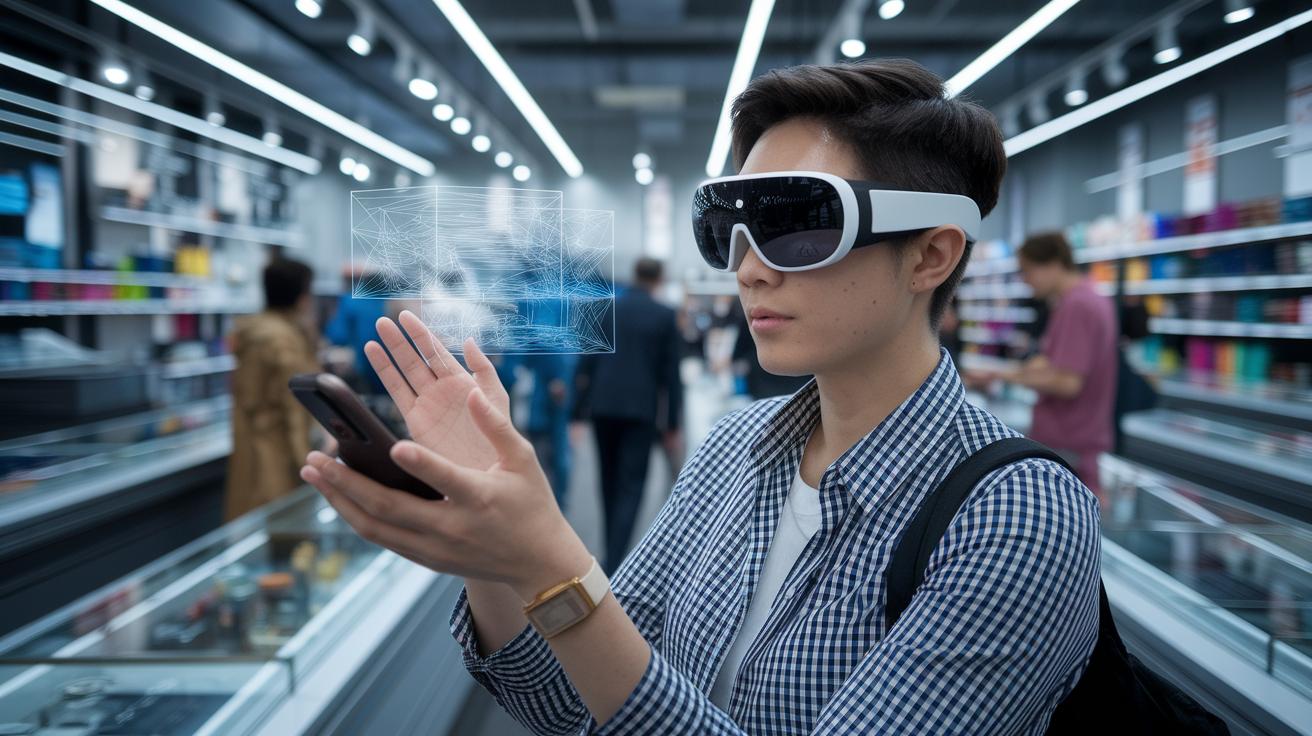
Marketing is buzzing with cool tech like augmented reality (AR, which adds digital elements to the world around you) and virtual reality (VR, offering full 360° tours). You can almost feel the energy when the digital mixes with the real, as AR boosts product visuals and VR pulls you into a fully branded experience.
The metaverse is another exciting trend. Imagine stepping into a digital playground where brands set up virtual showrooms and host lively events. Pairing these settings with game-style features, points, levels, and rewards, creates a fun way for customers to get involved and keeps them coming back for more.
Real-world brands are tapping into these immersive experiences to connect on a deeper level and gather clear performance insights. For example, some businesses create virtual storefronts, inviting you to browse just like you would in a real shop, while others stage live digital events. By tracking user activity, rewards use, and engagement time, marketers can see which parts of their campaigns really hit home. This blend of creative storytelling and solid data ensures that innovative ads deliver real value.
Evolving content creation and creative campaign advancements in marketing innovation trends

Marketing pros are now mixing interactive features with creative storytelling to really grab audiences. Imagine a video where you can click options, take live polls, and follow a smooth narrative that pulls you right in. For instance, start with a surprising fact: “In just 15 seconds, a playful moment can turn a casual glance into real engagement.”
User-generated content is getting a fresh twist as well. Instead of simple testimonials, brands are inviting customers to contribute to an ongoing story, one scene at a time. It’s like watching a live story unfold where every input brings a new vibe and builds genuine trust.
When it comes to measuring success, focus on more detailed metrics. Rather than just counting likes or shares, track how viewers complete sequences and interact with multiple parts of your story. This way, you get clear insights to sharpen your creative strategies and keep the interaction going strong.
ROI optimization methods and predictive analytics frameworks in marketing innovation trends

Advanced forecasting makes campaigns smarter. It blends past data with fresh insights to predict when your audience will be most engaged. Marketers now lean on smart algorithms (think of them as data tools with a brain) to pinpoint the best moments and properly allocate budgets. Imagine setting up your campaign like crafting a playlist, each data point is a hit song that builds your strategy. For example, if you notice a surge in mobile use at lunchtime, shifting your video ads to that period can really boost engagement.
Agile feedback has become the secret sauce for campaign success. By mixing live measurement techniques with constant monitoring, teams can quickly catch shifts in consumer behavior and adjust their strategies on the fly. One campaign even tripled its return on investment by capitalizing on real-time audience signals. It’s like tuning a radio until you catch just the right frequency.
New attribution models are adding an exciting twist in a cookieless world (cookies are those small files that track online habits). These fresh frameworks skip traditional cookies yet still offer rich performance insights. This means marketers can capture the subtle details of consumer interactions while keeping privacy in focus. As a result, targeting becomes more precise and strategy adjustments are built on strong, respectful data.
Final Words
in the action, the article showcased how core marketing innovation trends, from AI-driven insights and hyper-personalization to immersive campaigns and ROI optimization, are reshaping modern promotion. We reviewed data-backed strategies that mix creative content with advanced analytics, blending the buzz of short-form videos with emerging influencer tactics to fuel performance and engagement.
These trends provide marketing professionals with clear paths to smart, measurable tactics. The energy behind marketing innovation trends makes future campaigns both exciting and effective.
FAQ
What are some current marketing trends and emerging innovations?
The current marketing trends and emerging innovations include AI-powered personalization, short-form videos that drive high ROI, influencer collaborations, and omni-channel strategies that work together to boost brand engagement.
What are the marketing trends for 2025?
The marketing trends for 2025 indicate a shift toward cookieless strategies, meta engagement, and AI-driven promotions, all set to deliver more agile, personalized, and data-focused campaigns.
Where can I find a marketing innovation trends PDF?
A marketing innovation trends PDF often covers topics like AI initiatives, influencer partnerships, and digital strategy updates. Check trusted industry resource hubs for accurate and current documents.
How do digital marketing, social media, content marketing, and SEO drive innovation?
Digital marketing, social media, content marketing, and SEO drive innovation by expanding brand reach, fine-tuning targeted messaging, and leveraging artificial intelligence to create engaging, data-backed campaigns.
How is artificial intelligence transforming modern marketing strategies?
Artificial intelligence transforms modern marketing by analyzing data in real time, enabling personalized customer experiences, and optimizing targeting efforts, which leads to more adaptive and effective campaign execution.