
Ever thought about whether focusing only on your neighborhood is enough in this fast-paced digital world? Local marketing might just be your secret ingredient for connecting real businesses with real people.
Consumers are shifting habits, and more shoppers are using their phones to get the info they need. That means strategies like hyperlocal SEO (making your business easier to find by local search engines) and mobile ad tips can really turn your online storefront into a warm, inviting space.
With 83% of marketers planning local strategies soon, it’s a good time to rethink your approach. Maybe it's time to get closer to your community and make those local connections count.
Read on to see how these trends can boost regional success in an ever-changing market.
Key Trends in Local Marketing Strategies
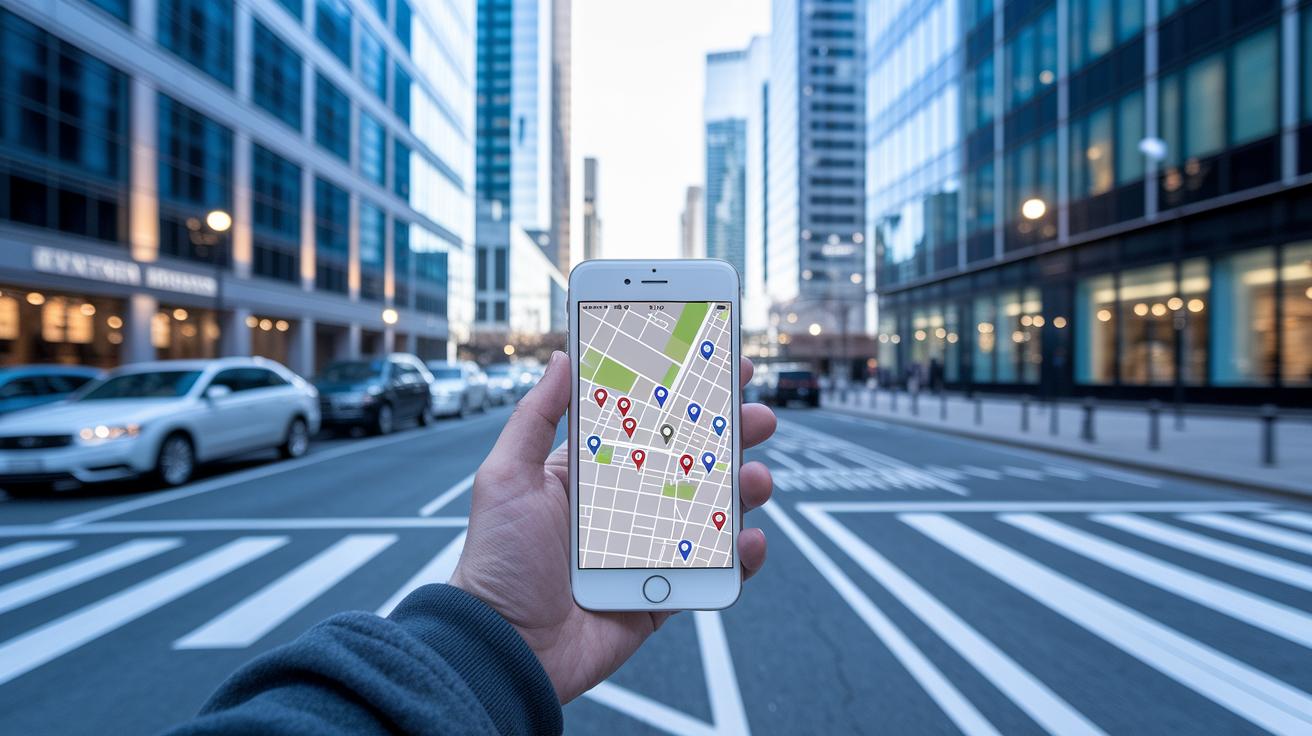
Keeping up with local marketing trends is super important these days, especially as consumer habits shift and digital competition heats up. With 83% of marketers already gearing up local strategies for 2025, businesses need to stay nimble and connected to their neighborhoods. Platforms evolve and expectations change fast, so really understanding regional digital engagement can be your ticket to nailing community outreach. Think of it like keeping your shop window just as inviting online as it is in the neighborhood – your audience is out there, and they value convenience and real relevance.
Let’s break it down:
- hyperlocal SEO – Focus on location-specific searches like “bakery near me” to get noticed locally. For example, tweaking your Google Business Profile for both main and extra categories can really boost your local presence.
- mobile marketing for local audiences – Since most people pull up info on their phones, targeted mobile ads and location-based notifications grab real-time attention.
- review optimization – Actively managing and encouraging reviews on sites like Google and Yelp builds trust and helps you climb the ranks in local searches.
- geo-targeted ad campaigns – Ads that pop up when potential customers are nearby can spark immediate store visits and drive conversions.
- localized content strategies – Writing blog posts on neighborhood happenings or crafting local guides helps link your brand with the community in a genuine way.
- community engagement tactics – Sponsoring local events or kicking off social media challenges for nearby residents creates a warm, inclusive vibe that keeps customers coming back.
Planning your year? Make these trends a central part of your strategy. Take a look at your current tactics and consider adding short-form videos, social ads, and customer referral programs to match today’s local habits. Mix in these targeted approaches, and you'll be in a great position to excel in regional searches while building lasting community relationships.
Innovations in Local SEO and Map Pack Ranking Techniques
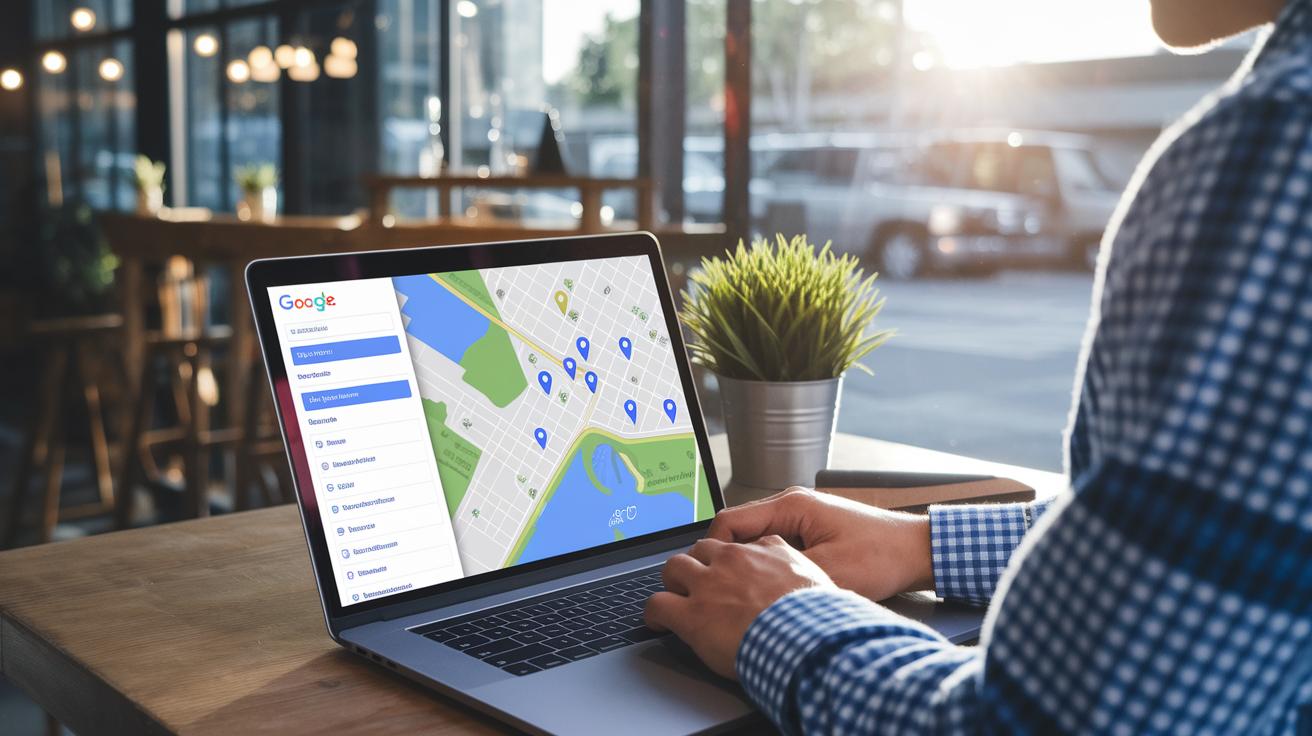
When you grab a spot in the map pack, you attract more clicks from local users who are ready to engage. Landing a position in Google’s local 3-pack puts your business front and center when folks search for nearby services, so you'll catch their eye. This boost in clicks can significantly improve your click-through rate, a key win as people decide which store to visit. The secret is simple: fine-tune your Google Business Profile and back it up with custom local content. For example, switching up your primary and secondary categories can quickly get you noticed.
| Tactic | Purpose |
|---|---|
| GBP category optimization | Enhances map-pack visibility by fine-tuning business classifications |
| Localized content creation | Drives engagement with neighborhood-related posts and guides |
| Structured data | Improves search understanding and prominence through markup |
| Citation building | Strengthens online authority via local listings |
| Performance monitoring | Tracks local search results with tools like Google Analytics |
Ready to get started? Begin with a close look at your current digital profile to spot what’s working and what isn’t. Review your profile and content to pinpoint areas that need a boost. Next up, add some structured data markup (that’s code to help search engines understand your site) and steadily build citations to strengthen your local authority. And don’t forget ongoing checks with tools like Google Analytics to fine-tune your tactics and keep dominating the map pack.
Hyperlocal Targeting Strategies: Geo-Targeted Ads and Community Engagement

Geofencing is a clever way to send ads based on a person’s location. Think of it as a friendly invite: when someone steps close to your business, they get a timely offer that might just persuade them to come in. Imagine a local diner reminding folks of a lunchtime special right as they pass by. This smart tactic pulls in foot traffic by catching nearby users at just the right moment. In fact, studies show that posts with a location tag get about 20% more engagement.
Best Practices for Geofencing Campaigns
- Define your radius: Pick a clear area that covers your neighborhood without going too broad.
- Craft timely offers: Develop promotions that are both relevant and immediate, such as lunch discounts or quick flash deals.
- A/B test creatives: Try out different messages and visuals and see which ones spark the most action.
- Measure visit lift: Check how many people actually visit your location after getting a geofencing alert.
Working with local micro-influencers makes the strategy even more powerful. When local influencers share geo-tagged posts on sites like Instagram and Facebook, it adds a dose of authenticity and naturally spreads the word throughout the community. This mix of precise ad placement and local endorsements turns casual viewers into loyal customers, giving your neighborhood outreach a real boost.
Community Advertising Trends and Event-Based Marketing in Local Zones

Local businesses are getting creative with face-to-face events. They’re hosting pop-ups, hands-on workshops, and even sponsoring community activities to create a buzz. Pop-up shops offer shoppers a one-of-a-kind experience, while interactive workshops let people learn something new and meet others in the process. And when local brands sponsor charity drives or block-party festivals, they’re not just marketing, they’re building strong bonds within the community. Take one local café, for example. They held an art fair that boosted their weekend sales by 25%. Their mix of art displays and special tasting sessions struck a chord with neighbors, paving the way for lasting customer loyalty.
Digital promotion is the secret sauce that amplifies these events even further. Business owners often run targeted social media challenges (imagine fun contests designed to grab attention) and keep their online event calendars up to date. This means the right local audience hears about the event at just the right time. Plus, by tracking reviews and digital metrics (like referral growth), businesses can see what worked and tweak their approach for next time. In short, blending hands-on events with smart digital strategies transforms local gatherings into powerful engines for community engagement and lasting business success.
Emerging Trends in Location-Based Consumer Behavior and Insight-Driven Campaigns

Since the pandemic, people’s habits have really shifted, and local brands are feeling the change. Folks today crave convenience and messages that speak directly to their neighborhood. More than half of Gen Z aren’t as loyal to the big, traditional names, which means local businesses need to step up and focus on what truly matters to nearby shoppers. Small businesses in the U.S. and Canada, for example, often have tight budgets, 33% spend less than $1,000 a month on marketing. With customers expecting more personalized attention, it’s key to send out messages that resonate with local needs. Imagine a local gym that discovered posts about community-specific workout events sparked 30% more engagement than generic ads, pretty powerful, right?
Breaking down audiences by local preferences allows brands to fine-tune their approach. Picture it like setting up a custom playlist: each song (or message) is crafted for a specific group. A downtown café might push trendy brunch menus to young professionals, while a suburban bakery highlights family-friendly events. Tailoring messages this way not only grabs attention but also builds a stronger connection with each micro-community.
Local analytics driven by real data are the secret sauce here. Many businesses use design tools like Canva or InDesign to create visuals that capture their unique local vibe, while about half lean on website analytics (tools that help track online behavior) to shape their strategies. Regularly checking performance data, just like in a detailed marketing analysis, helps them adjust content and budgets, ensuring every campaign lands perfectly with its local audience.
Performance Tracking and ROI Metrics for Local Marketing Trends

Essential metrics are the heartbeat of local marketing success, showing how well your efforts really connect with your community. We look at visits, conversions, and even bumps in foot traffic. These numbers give you a real feel for how your campaigns are sparking customer engagement. In fact, 60% of small businesses say ROI is their top measure, while 57% track sales and revenue closely. Keeping an eye on these basics helps you stay on course and invest in the strategies that truly work.
Imagine creating a dashboard that ties online lead forms directly to in-store sales, a central hub that pulls data from all your digital touchpoints. Tools like Google Analytics (which explains where your traffic comes from) and creative performance data from design analytics are used by 43% of businesses. Bringing these insights together lets you see the clear link between digital actions and physical visits, making it easier to adjust your local ad spend and search campaigns. With 49% of small businesses planning to boost their budgets in 2025, having a full view of every dollar spent is key.
Regular quarterly reviews of your dashboards make it a breeze to fine-tune your budget and refine your local marketing strategy. It's like a quick tune-up that keeps your marketing engine running smoothly.
Final Words
In the action, we unraveled key areas shaping smart digital strategies, from sharp local SEO and targeted ad campaigns to engaging community events and insightful consumer behavior. Our discussion highlighted:
• Hyperlocal SEO
• Mobile marketing for local audiences
• Review optimization
• Geo-targeted ad campaigns
• Localized content strategies
• Community engagement tactics
Keep these trends front and center in your annual plan. Embrace local marketing trends and watch your approach grow stronger every day.
FAQ
What are local marketing examples?
Local marketing examples include hyperlocal SEO, mobile campaigns for nearby audiences, and community events. These tactics help small businesses boost recognition and drive foot traffic in specific neighborhoods.
What does local marketing mean?
Local marketing means tailoring advertisements and content to target a specific area or community. This approach uses methods like geo-targeted ads and Google Business Profile enhancements to engage nearby customers.
What is a local marketing strategy?
A local marketing strategy blends digital tactics like local SEO, social media tailored to communities, and personalized in-store promotions. This combination helps build local trust and drives engagement efficiently.
What local marketing ideas work for small businesses?
Local marketing ideas for small businesses include sponsoring community events, leveraging customer referrals, optimizing your online presence, and using targeted social media ads. These actions can boost visibility and sales locally.
What are the types of local marketing?
Types of local marketing include digital advertising, local SEO efforts, event promotion, social media engagement, customer referral programs, and in-store promotions. Each type focuses on reaching and resonating with nearby customers.
What is local advertising and what are some examples?
Local advertising involves promoting your business using channels that target nearby audiences. Examples include local radio spots, community billboards, social media ads customized by location, and local newspaper features.
What are some current marketing trends right now?
Current marketing trends feature short-form videos, geo-targeted campaigns, review optimization, and hyperlocal content strategies. These trends help businesses connect more personally with their local customer base.
What is the 3-3-3 rule in marketing?
The 3-3-3 rule in marketing divides efforts into three parts: online presence, in-store experience, and customer engagement. This balance aims to optimize overall marketing impact across various channels.
How can I market locally?
You can market locally by optimizing your business listings, using geo-targeted ad campaigns, engaging with community events, and encouraging customer reviews. These steps help create a strong local brand presence and drive nearby traffic.