
Ever thought about whether public agencies can create the buzz of your favorite local band? Government marketing is shaking things up by using clever ideas to fire up community events while keeping the message crystal clear.
It’s all about knowing who really matters and using both offline and online tools to reach them. These agencies are mixing smart messaging with a diverse set of outreach channels that truly resonate with people. In short, this innovative approach is turning every communication into an engaging, must-hear moment.
Core Strategies in Government Marketing for Public Engagement

Government agencies use smart marketing to truly connect with citizens and drive progress. They set clear, measurable goals, like saying, "We want to boost community event attendance by 30% this quarter", which gives everyone a solid target to work toward.
Defining who you're talking to is the next big step. Agencies break the public into groups by age, location, or interests. Think of it like making a playlist: you choose the right song (or message) for each listener so that it really clicks.
Then, there's the power of reaching people on many fronts. Whether it's traditional mail, email updates, social media posts, or local events, blending these channels makes the message stick. For example, mixing engaging social media updates with clear email newsletters can help get the word out effectively, backed by data that tells you when and what to share.
Lastly, tracking the details is key. By watching website visits, social interactions, and email open rates, agencies know what's hitting home and what needs a tweak. In today’s fast-moving marketing world, clear goals, tailored messages, and a mix of channels create a dynamic recipe for successful public engagement.
Digital Marketing in the Public Sector

Government agencies are jumping on the digital marketing bandwagon to share important info with citizens and boost public interest. They’re using SEO (that means making sure key details show up when you search online) and PPC (pay-per-click, where advertisers pay only when someone clicks) to put timely messages where people can see them. They also work hard on web development so their sites work well on phones, are easy to navigate, and have a clear layout.
Official websites are meant to feel like a digital community center. Imagine this: "Imagine your government website as a welcoming square where every citizen finds clear directions and essential updates with ease." This friendly vibe not only makes it easier for you to find what you need but also builds trust.
Social media is another big piece of the puzzle. Agencies use curated posts, like those discussed in social media trends, to announce local events, share success stories, and answer questions as they come up. With things like blog posts, infographics, and engaging videos, complicated policies become as easy to understand as catching up with a friend over coffee.
Email campaigns are also getting a digital boost. Automated workflows send out newsletters and event invites to keep everyone in the loop without overloading their inboxes. You might even see an email titled, "Stay Updated: Your Weekly Government News at a Glance," sparking curiosity and conversation.
Targeted digital ads help reach the right groups by tapping into key data insights. With smart tweaks based on how well they’re doing, agencies can make sure their messages connect with a diverse range of people. In the end, these digital tactics work together, powered by data and constant fine-tuning, to keep the public engaged and informed.
Targeting Citizens: Audience Segmentation in Government Marketing

Breaking the public into smaller groups lets government agencies chat directly with each community. When agencies spot differences like age, where people live, or what they care about, they can create messages that really hit home. Case in point: one campaign saw a 40% boost in participation after tweaking messaging for younger residents instead of using one generic message for everyone.
When agencies sort citizens by basic facts like age or neighborhood, they’re keeping things real. They also look at what matters to folks, like public safety, health, or education. And they don’t stop there; knowing whether someone is a first-timer or a frequent participant can shape how the message is crafted. This smart segmentation not only raises awareness but also builds stronger community ties. Clear, personalized messaging makes it easier to share important initiatives, sparking more digital participation and driving higher attendance at local events and meetings.
Then, agencies launch tailored outreach using the best channels for each group. Whether updating via email, posting targeted content on social media, or engaging through local events, this cross-channel approach makes sure every message feels personal and easy to connect with.
| Segment | Key Features | Preferred Channels |
|---|---|---|
| Demographics | Age, location, income | Email, direct mail |
| Interests | Public safety, health, education | Social media, community meetings |
| Engagement Level | New, occasional, frequent users | Newsletters, targeted ads |
Compliance and Ethical Guidelines in Government Marketing

When government agencies talk marketing, they have to follow strict rules designed to make sure everyone is included. Every digital asset must meet Section 508 guidelines (this means it’s built to work for users with different abilities). Plain language is a must, not just a nice courtesy. For example, an agency might say, "We’re updating our website to improve readability," and then have a legal team check that every word fits all the rules.
Procurement messaging has its own game plan under the General Services Administration rules. Say an agency has a GSA Multiple Award Schedule, this opens the door to working with many government bodies. But, don’t get it twisted: these schedules don’t automatically start orders. So, any message related to such schedules needs to carefully navigate the government buying rules.
Every piece of government communication, whether it’s a press release or an ad campaign, goes through a legal red flag check. Picture a public service announcement that reads, "Join our new vaccination drive, information in plain language and fully accessible." Before it reaches the public, legal experts step in to make sure every part of that message follows regulatory requirements.
This thorough legal review builds trust with citizens and protects agencies from running into compliance snafus in their advertising and contract marketing strategies.
Government marketing: Dynamic Public Engagement Strategies
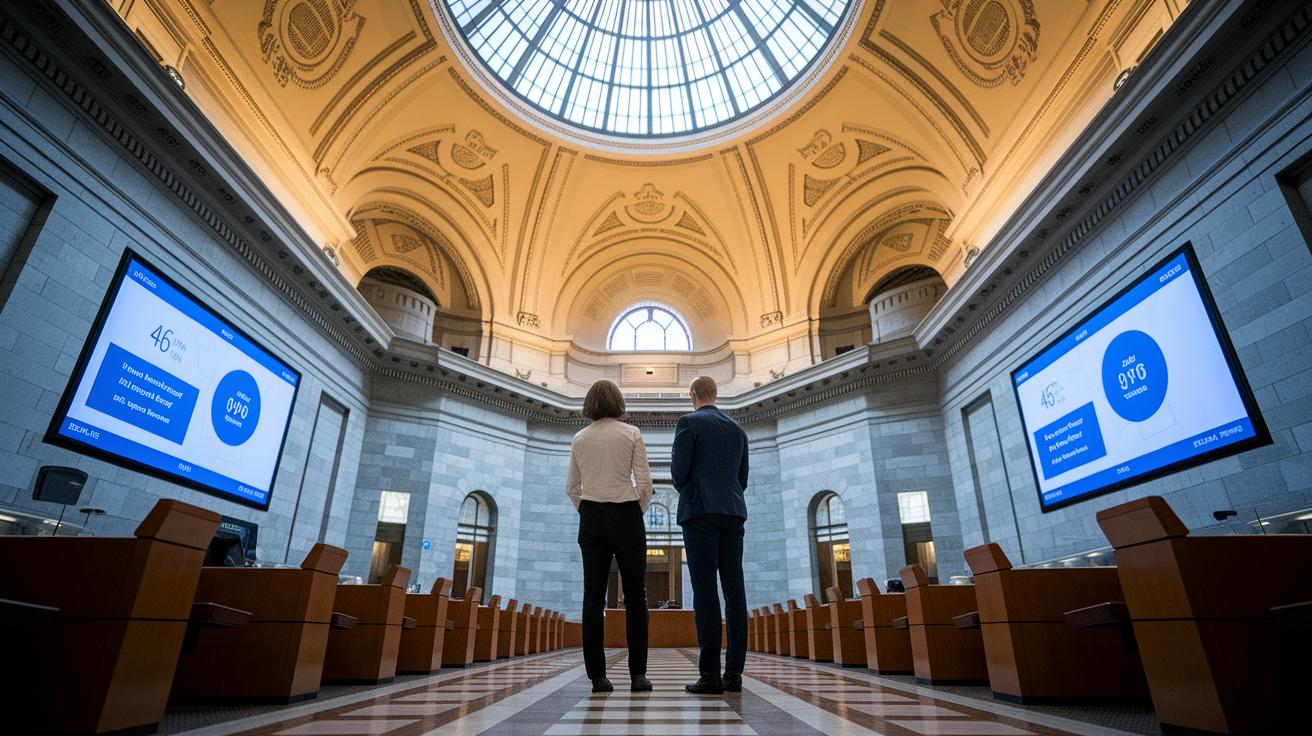
Success in government marketing means using digital strategies that deliver clear results and spark active citizen participation. For instance, one local government campaign boosted public engagement by 50% in just one year through targeted event posts and smart hashtag use. Picture vibrant posts that turn routine community updates into events everyone wants to attend, sparking lively conversations and filling local meetings with excited faces. This approach shows that setting clear goals, ensuring mobile-friendly content, and tracking every interaction are key ingredients for success.
Another state initiative took a different route with a localized email newsletter. By tailoring updates to the specific needs of each community, the newsletter achieved a 40% open rate. Imagine discovering that a simple, well-crafted email can transform everyday communication into a compelling call-to-action. This case highlights how precise message crafting and strategic segmentation can make all the difference.
Both examples point to a few best practices for effective public sector marketing. Setting measurable targets gives every campaign a firm foundation, while mobile-ready websites keep citizens connected anytime, anywhere. Engaging social media paired with clear, local messaging builds genuine community connections. Plus, by continuously monitoring performance, agencies can adjust strategies on the fly to meet public feedback. In short, when government agencies mix creativity with smart digital tactics, they do more than just inform, they energize the communities they serve.
Analyzing and Optimizing Government Marketing Campaigns

Government campaigns have one big goal: showing real results. When results matter, agencies lean on clear markers like website visits, social media interactions, and email open rates (a measure of how many people open an email). Picture this: a local council changed its event page and saw a 35% jump in web traffic, that’s the kind of tangible win you want.
Analytics platforms come into play by offering a monthly peek at what’s happening. Teams track simple metrics such as cost per engagement (the dollar amount spent for each user interaction) and cost per action (the expense tied to receiving a specific response) to figure out which messages click with the audience. Sometimes, you see social media posts creating a real buzz while search traffic hangs steady. It’s a clear signal to shift focus and spend where it works best.
Regular reviews of these performance snapshots pave the way for on-the-fly adjustments. When a channel isn’t pulling its weight, insights like these help teams quickly move resources to where they’ll have a bigger impact. For instance, if email campaigns are sparking more community participation compared to digital ads, it might be time to remix the campaign strategy.
Testing, learning, and adapting with these insights really empower agencies to fine-tune every part of their marketing efforts. Data-backed tweaks turn raw numbers into smart moves that elevate impact and boost citizen engagement.
Final Words
In the action, we unpacked key strategies driving public engagement, from defining clear goals and smart citizen segmentation to utilizing digital channels and ethical compliance.
We shared real examples that bring these tactics to life. Measuring performance and tweaking messaging with data keeps efforts fresh and responsive.
Keep these insights in mind when planning your campaigns, and let them serve as a boost in government marketing.