Have you ever stopped to think about what's next for social media? Right now, platforms are evolving at breakneck speed. People bounce from one app to another every month, and that's shaking things up.
Quick, snappy clips and smarter suggestions are changing the way your feed looks. Even those big-name sites have to keep up or risk fading away. Familiar corners of the internet still pull in views, but fresh communities are springing up and reshaping how brands and users connect.
Stick around as we break down these trends and explore what the future holds for social media.
Core Predictions for the Future of Social Media

Social media is evolving fast. Users now dip into about 6.8 platforms every month, making the scene more diverse than ever. Even big names like Facebook and YouTube still have huge followings, yet only around 3% of U.S. teens are big fans of Facebook these days. This clearly shows that platforms must adapt to different user groups and habits, always ready to innovate for both wide appeal and pinpoint engagement.
Short videos are still the real MVP, with 85% of viewers preferring clips that are just 15 seconds or less. At the same time, AI-driven personalization (that’s tech which tailors content just for you) is shaking up how content is made and ads are targeted. And with the rise of deep-fake risks, trust in content is more crucial than ever. Think of a campaign that tweaks its message on the fly, just like that quick clip which hooks you from the first second.
Social commerce is emerging as a true game-changer. In 2023, revenues soared to $571 billion and experts predict they’ll jump to $1.2 trillion by the end of 2025. As the creator economy grows, brands are feeling the pressure to rethink their strategies. They’re now mixing captivating visuals with authentic storytelling, because in today’s market, every second counts.
Emerging Platforms and Next-Generation Communication Tools in Social Media

Social media is shifting at a breakneck pace, and brands are diving into fresh digital hangouts to connect with all kinds of people. Marketers are especially excited about Instagram, expecting it to grab around 44% of the spotlight by 2025. They’re buzzing about new features like Edits, Trial Reels (short preview videos), and updated grid layouts that make editing and sharing feel entirely new.
Even though big names like LinkedIn, TikTok, and YouTube still draw huge crowds, there’s a surge in smaller, niche spaces where engagement feels more personal and dynamic. This trend has brands rethinking how they team up with influencers and shape their content. They’re now blending creative storytelling with quick, eye-catching visuals that hit home in real time.
| Platform | Projected Focus (%) |
|---|---|
| 44% | |
| 20% | |
| TikTok | 18% |
| YouTube | 11% |
| Emerging Platforms | 7% |
These numbers speak to a clear change in strategy for 2025. LinkedIn remains the go-to for professional connections, TikTok thrives on creative bursts, and YouTube is perfect for deeper dives into content, all while emerging platforms give brands the room to experiment and create a unique vibe.
Brands today are pouring resources into tools that make custom content creation and interactive features a breeze. This shift not only spices up the user experience but also fosters a stronger connection between brands and their audience. In short, the future of social media communication is all about staying agile, creative, and truly engaging.
AI and Machine Learning in Future Social Media Experiences
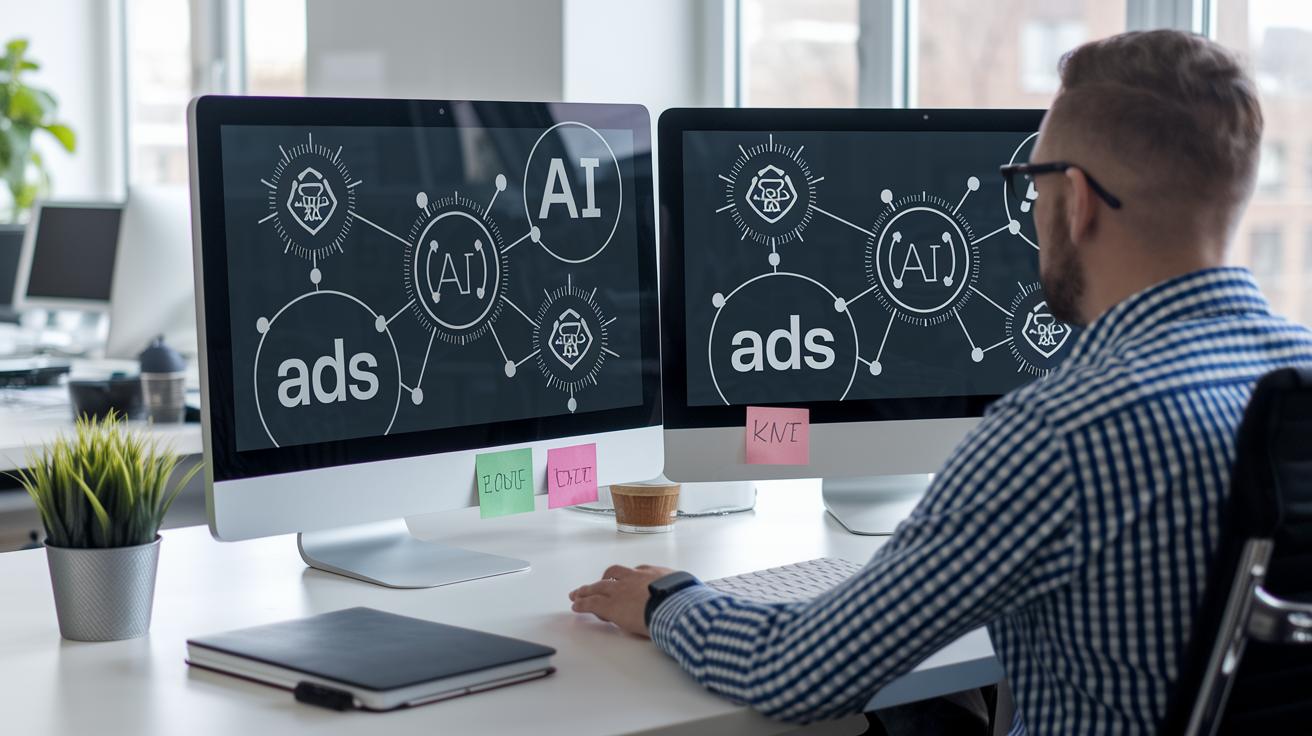
Artificial intelligence and machine learning are shaking up social media. Brands are ditching the old manual grind and switching to smart, automated systems. With Meta nabbing 63% of global social ad spending, it's obvious that AI-powered ad personalization is making waves. Think of tools that turn text into eye-catching images or whip up ad copy on the fly, they take the hassle out of content creation. This frees up creative teams to craft messages that truly connect.
- Personalized ad targeting
- Automated content creation
- Real-time moderation
- Campaign performance analytics
- Deep-fake detection and mitigation
Machine learning sharpens audience targeting and automates moderation, creating a safer space for users. It's like having a behind-the-scenes assistant that recommends what works best while keeping things clean and accurate. In the end, AI lets brands play more smart and creative, letting them focus on building genuine relationships with their audience.
Content Trends Shaping the Future of Social Media

The digital world is buzzing with a fresh twist, short, impactful stories that hit you fast. Marketers are turning to 15-second clips that grab your attention right away, creating little visual bursts that leave a lasting impression.
Interactive posts are also taking center stage. Think about swiping through a carousel where each image unveils a new chapter in a story. It’s not just about scrolling; it’s about diving into a deeper, more engaging experience.
At the same time, brands are mixing up video lengths to keep things exciting. They’re combining super-short clips with mini-series that add layers to the narrative. Imagine viewing a string of quick snapshots that together paint a rich, detailed picture, merging rapid-fire appeal with a touch of storytelling depth.
Building Authentic Communities and Engagement Models

In today's social media world, about 65% of users plan their interactions carefully, which shows a big need for real connections. Brands are switching things up by using online community tactics that focus on being open and dependable. Think of it like catching up over coffee, where every chat feels honest and down-to-earth.
More and more, people are choosing to just watch instead of joining the conversation. That’s why being clear and transparent is key. When real humans are behind the content and replies, trust builds naturally, something Accenture’s Life Trends Report 2025 calls the Hesitation Reflex, a clear sign that folks need authenticity and care before they dive in.
Smart AI chatbots (those are automated tools that respond quickly) have shown they work well since 90% of customers expect a reply in about 10 minutes. By blending these smart tools with a focus on community, brands can offer fast help while creating deeper, lasting bonds. This friendly mix makes online spaces feel more human, setting the stage for relationships that last.
The Rise of Social Commerce and Monetization Strategies

Social commerce is shaking up the way we shop online, turning your feed into a lively, interactive storefront. Experts say sales could jump from $571 billion this year to over $1.2 trillion by 2025. Imagine scrolling on your favorite app and suddenly spotting an ad that invites you to grab a must-have jacket with just one tap, it’s an instant switch from browsing to buying.
Brands are upping their game by mixing in-app purchases with partnerships with popular creators and clickable, interactive ads. Ever notice how a simple swipe on a carousel ad can reveal an exclusive deal? These fresh tactics are all about creating personalized, fun buying moments that truly connect with you.
By blending creative storytelling with direct shopping, the old lines between content and checkout are disappearing. Marketers now view social media not only as a place to share their brand but as a dynamic marketplace, where each impression has the power to spark an immediate purchase and build lasting customer bonds.
Privacy, Trust, and Ethical Challenges in Future Social Networks

Deep-fake tech is shaking up content authenticity, making trust a big deal. Users now expect clear, upfront details about how their data is collected and used. When new tricks to fool us pop up, transparency isn't just a nice-to-have, it’s a must. Social networks have to rethink their data ethics, fast.
Ever felt that pause online when something seems off? That’s the Hesitation Reflex kicking in. People want real connections and reliable info. They’re weighing the risk of lost privacy against the thrill of joining vibrant communities. It tells us that platforms need to work harder to secure our trust.
So how can we overcome these challenges? Platforms must embrace fair AI rules (that means clear, unbiased guidelines for smart tech) and sturdy cybersecurity. Regulators are already crafting policies that force companies to merge innovation with strict data protection. Building honest, safe spaces is key to keeping our online world engaging and secure. Ultimately, these steps pave the way for a future where trust wins.
Final Words
In the action, the blog broke down how evolving platforms and refined techniques are reshaping campaigns and community connections.
It highlighted how brief content, AI tools, and ethical practices are paving the way for practical strategies.
This discussion brings us a fresh look at the future of social media, inspiring a positive outlook on tomorrow's digital marketing opportunities.
FAQ
Q: What is the future of social media on Reddit?
A: The future of social media on Reddit is shaped by community-driven conversations and evolving discussion spaces, where diverse topics and authentic interactions continue to build dynamic, interest-based hubs.
Q: What does a social media essay about the future typically cover?
A: A social media essay on future trends covers AI personalization, short-form video content, interactive features, and shifts in influencer marketing, offering insights into evolving platform dynamics and monetization strategies.
Q: How will social media evolve between 2022 and 2025?
A: Social media from 2022 to 2025 is predicted to see rapid growth in social commerce, the adoption of AI for content and ad personalization, and a continued emphasis on short video formats and user engagement.
Q: What role will AI play in the future of social media?
A: AI in future social media will enhance content personalization, streamline automated creation, and improve moderation systems, leading to more efficient ad targeting and safer user experiences while maintaining content trust.
Q: What are some key predictions for the future of social media?
A: The predictions include a rise in niche platforms, transformative AI integrations, an expanding creator economy, advanced influencer models, and increased reliance on data-driven decisions and short-form engaging content.
Q: How will social media apps and influencers change in the coming years?
A: Social media apps will introduce immersive features and shoppable functions, while influencers shift towards data-backed, authentic content to better connect with audiences, making digital engagement more genuine and results-focused.
Q: What is the outlook for social media in 2030?
A: The outlook for social media in 2030 includes more immersive, AI-driven interactions with interactive content, evolving influencer models, and a strong focus on genuine digital experiences that redefine how users connect.
Q: What does the future hold for social media in 2050?
A: By 2050, social media may integrate advanced AI, augmented virtual spaces, and innovative communication formats, offering a radically transformed digital environment with immersive and adaptive interactive experiences.
Q: What does the 5 3 2 rule for social media imply?
A: The 5 3 2 rule implies a balanced approach to social media content where posts are distributed in a specific ratio to maintain engagement and variety across different types of interactions in campaigns.
Q: What comes next after social media?
A: After social media, future digital interactions are expected to incorporate emerging communication tools and immersive technologies that extend beyond traditional platforms, creating new ways for brands and users to connect.