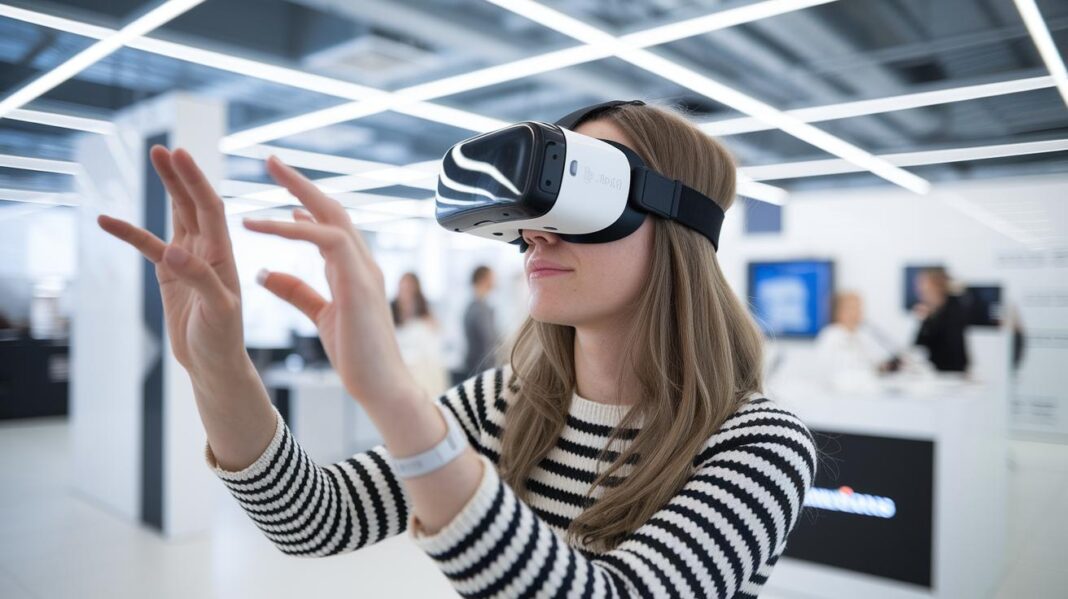
Ever wondered why some brand events stick in your mind? Experiential advertising goes beyond boring ads by pulling you into the brand’s very own story. Imagine walking into a lively fair where every booth tickles your senses and feels like a mini adventure. It’s not just a visit, it turns into a live performance that leaves you buzzing. In this post, we dive into how immersive advertising transforms product promotion into engaging, memorable experiences.
Understanding Experiential Advertising Fundamentals
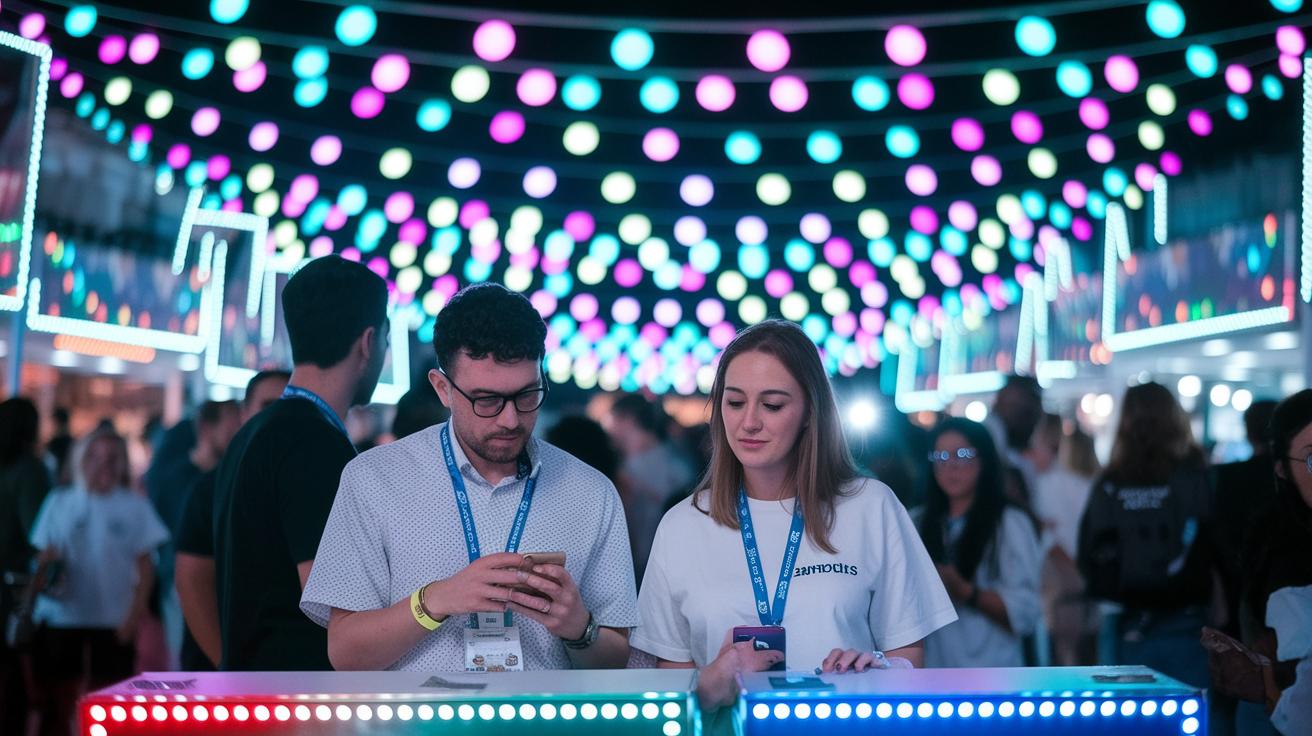
Experiential advertising is all about bringing a brand’s story to life through lively, interactive events. Rather than simply showing an ad, it creates moments where you and other consumers get right in the mix, connecting with the brand in a way that feels personal and unforgettable.
Imagine walking into a local fair where a simple booth surprises you by transforming into a hands-on workshop. That’s the kind of magic we’re talking about, turning product promotion into an engaging, real-life experience that sticks with you.
Live events and direct interactions naturally grab your attention. They spark emotions and leave lasting memories. In fact, when you’ve been part of an event where every sound, sight, and touch tells a story, the brand is much easier to remember later on.
The idea is to let people participate rather than just watch. It’s like putting together a mini live show where everything, from the music to the lighting, works in harmony to draw you in. Plus, marketers get firsthand feedback during these events, which can then shape future strategies in both digital and offline spaces.
When planning an event, focus on creating genuine experiences that resonate. Think about something as simple as a surprise street art performance that leaves the whole city buzzing with a brand’s vibe well after it ends. These little touches can convert everyday moments into lasting impressions.
Experiential Advertising Strategies for Immersive Brand Activations
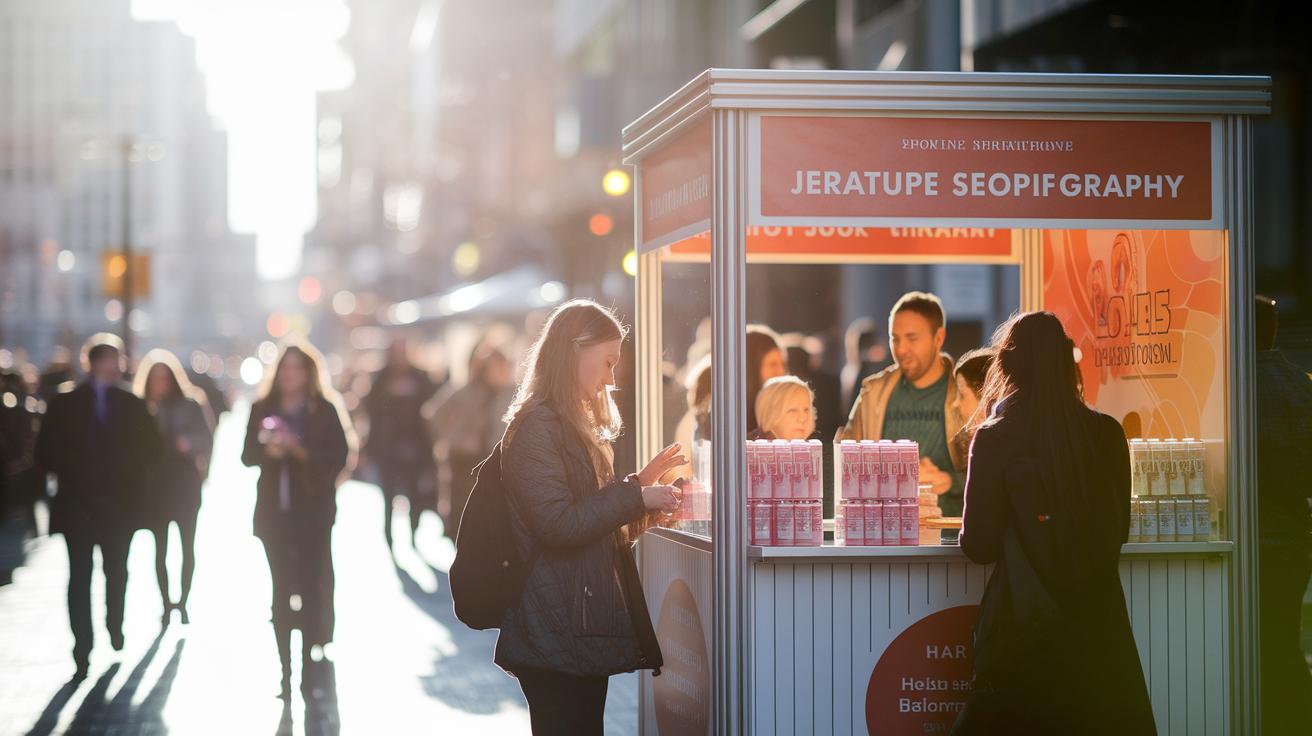
Brands are reimagining everyday venues into lively spots where everyone joins in. Rather than passive displays, these activations invite you to become part of the experience. Imagine a pop-up where you actually get to try out a product, transforming a simple moment into a lasting memory.
Personal connections are key. Picture a tasting booth that lets you sample a new snack while nudging you to post your reaction online right away. Here's an interesting tidbit: at one event, visitors spent an extra four minutes at an interactive photo wall, boosting social shares far beyond what standard ads can achieve. Moments like these deepen how strongly people remember a brand.
Smart, data-led choices ensure that these events pop up in places buzzing with people. For instance, setting up a pop-up in a busy downtown area during lunch can really ramp up the energy and participation.
Key strategies include:
- Branded live installations that call for spontaneous participation.
- Interactive sampling stations offering a firsthand taste of the brand.
- Data-driven timing that taps into high-traffic moments.
These ideas spark immediate excitement while turning everyday encounters into memorable experiences. By engaging you directly, brands build connections that go well beyond a quick glance, paving the way for long-term impact.
Experiential Advertising: Immersive Impact Excites
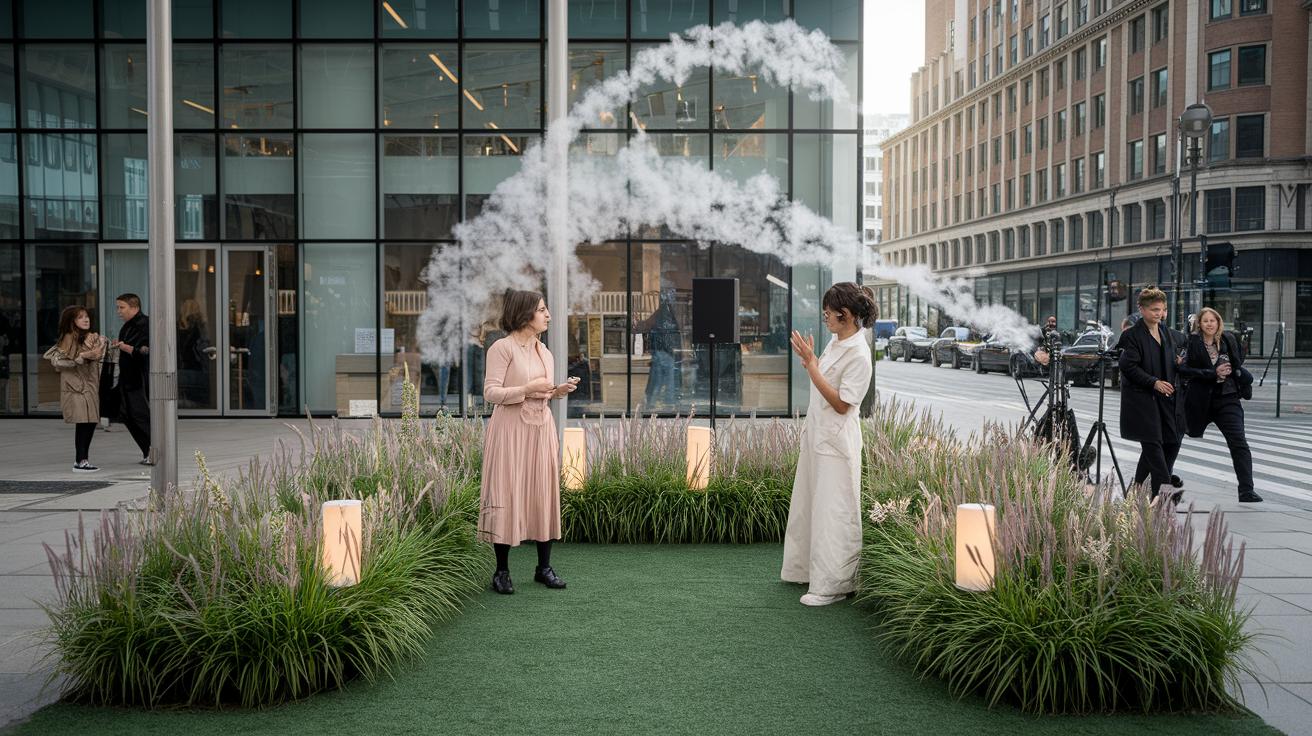
Live events that pull you in with every sense really stick with you. Picture this: you can feel, taste, hear, and even smell something all at once, and suddenly, those feelings become unforgettable memories. Imagine stepping into a pop-up garden where each fragrance whispers its own story, grabbing your attention instantly. It’s all about mixing touch and smell to turn a simple moment into a powerful, emotional experience.
Then there are those guerrilla tactics that add a burst of excitement. Think of surprise pop-up installations and ambient setups that catch you off guard in the best way. Imagine wandering through a busy city corner and stumbling on a booth offering live music and tasty flavor samples. People end up staying longer, chatting about it online, and sharing the experience with friends. These unexpected encounters not only hold attention but also spark a wave of genuine buzz and conversation about the brand.
Key creative event marketing tactics include:
- Interactive touchpoints that let you try the product firsthand.
- Ambient installations using light and sound to set a lively mood.
- Sensory experiences like live music that naturally invite social sharing.
By mixing sensory techniques with guerrilla-style surprises, every element, from a subtle aroma to a catchy beat, works together to grab the audience’s attention and keep the conversation buzzing.
Experiential Advertising Case Studies: Interactive Campaign Examples
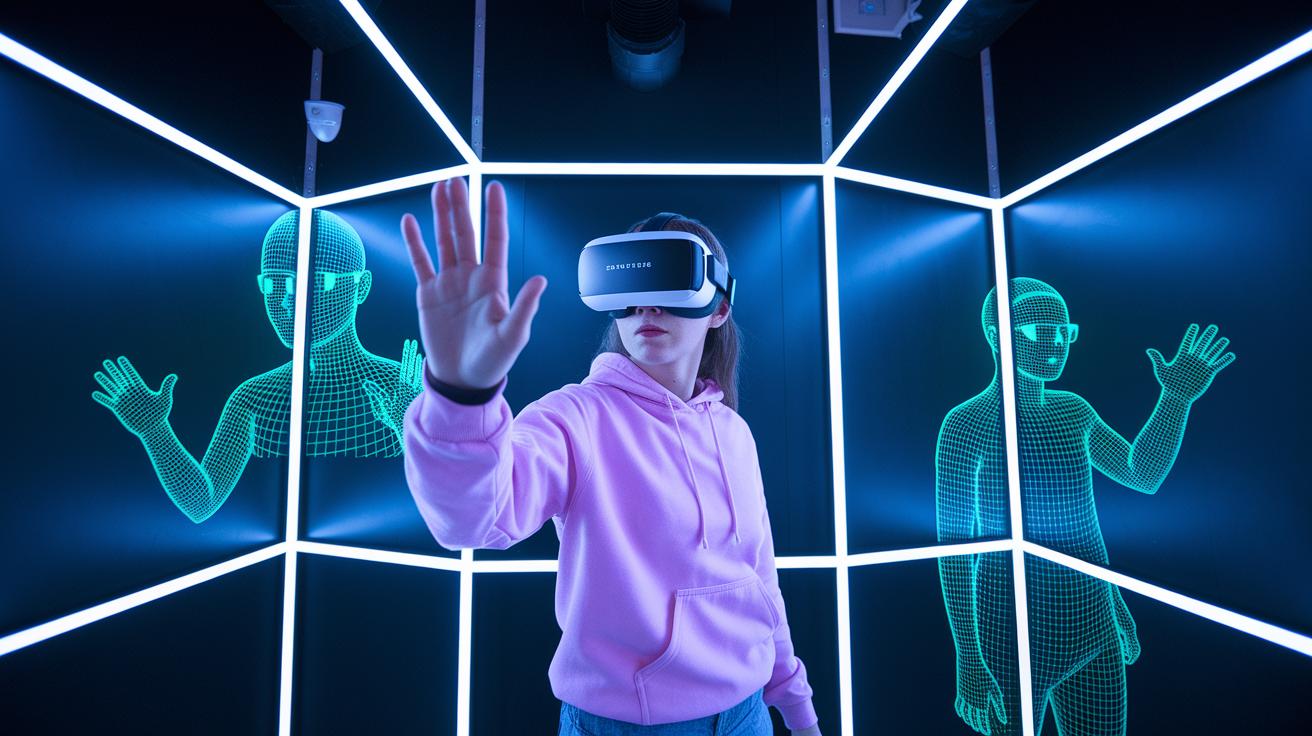
Red Bull Stratos shot consumer engagement to a whole new level, literally. They set up a record-breaking skydive that had everyone on the edge of their seats, sparking waves of global media chatter. Imagine witnessing someone plunge from 128,000 feet while your heart races with every second. This stunt shows how taking a bold, high-risk approach can light up the buzz long after the event is over.
Refinery29’s 29Rooms completely transformed an ordinary venue into 29 interactive installations, co-created with partners like Dunkin’ Donuts and Cadillac. Each space offered a unique moment that invited visitors to dive into the brand’s creative story. Picture walking into a futuristic room where every detail, from the lighting to the sound, combines to create an unforgettable sensory adventure.
Then there’s Coca-Cola’s FIFA VR Experience, which gave fans the chance to virtually play alongside soccer stars at the World Cup in Zurich. By connecting the physical excitement of sport with digital interaction, this campaign set a fresh benchmark for merging entertainment and innovation in a fun, engaging way.
Benefit Cosmetics also switched things up during lockdown by launching a virtual-media campaign that gamified makeup trials. Shoppers were invited to experiment with products online, turning a typically one-note experience into something playful and super engaging.
These examples highlight the power of dynamic storytelling, cutting-edge tech, and creative partnerships. Each case shows how interactive events can boost social sharing and build a deeper bond with consumers. For more insights, check out marketing campaign examples at https://adruckus.com?p=258.
Experiential Advertising Tech Integration: Digital-to-Reality and Virtual Simulations
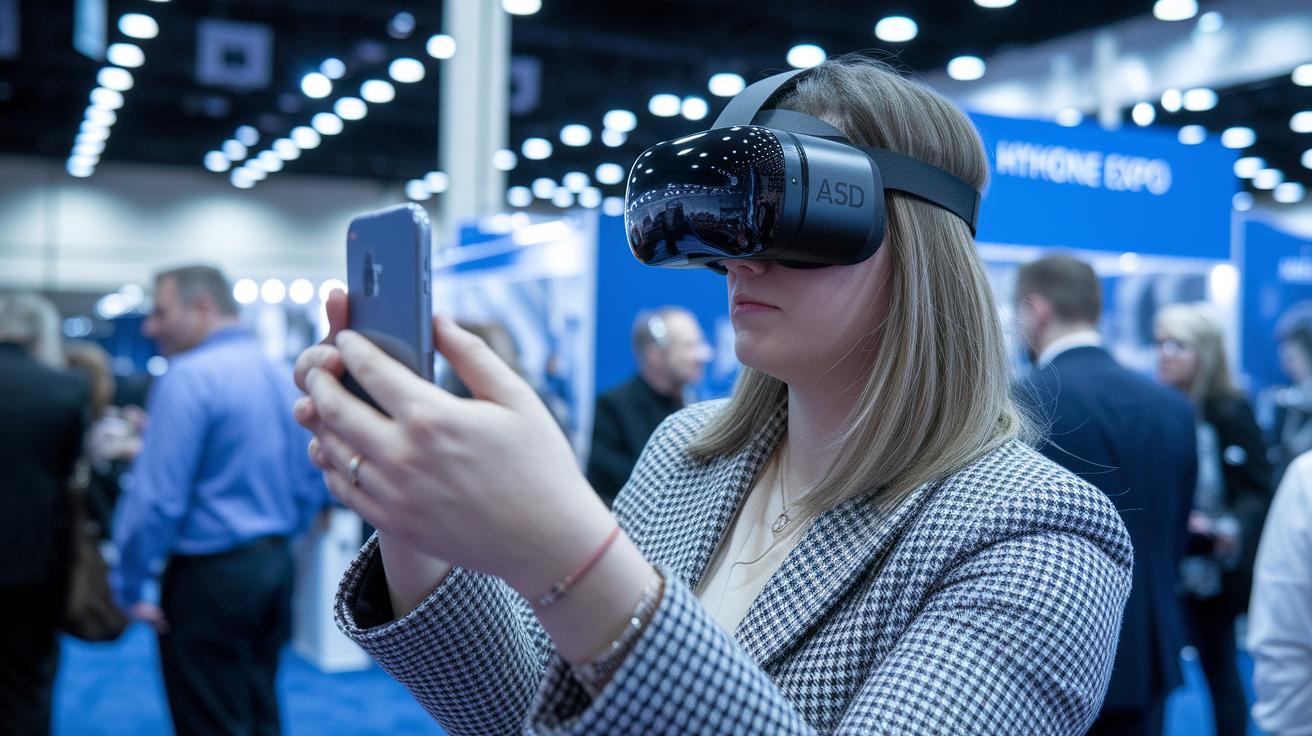
Brands are getting creative by blending real-world events with digital magic using mixed reality tools, like AR filters (augmented reality) and VR headsets (virtual reality) that transport you right into a live digital experience. Imagine stepping into an event, scanning a simple code, and watching a 3D model of a product burst into life, it’s as if you’ve entered a vibrant digital playground where every detail pops.
Hybrid events are bringing together the best of both worlds. Live panels mix with interactive digital elements so that whether you’re in the front row or watching from your couch, you feel the pulse of the conversation. For example, Facebook IQ Live combined real discussions with live online insights, making everyone in the room feel connected and engaged.
Then there’s the fun twist of the Rickmobile campaign from Rick & Morty. This pop-up car used real-time social data (listening to what people were saying online) to tweak its schedule while the event was in full swing. It’s a clever reminder that sometimes the audience holds the power to shape the moment as it unfolds.
Mobile apps add another layer of excitement by tracking interactions and inviting instant social shares. This means you can engage with the event as it happens, spreading the buzz naturally across your digital networks.
Key tactics include using AR and VR tools for immersive storytelling, tuning into social feedback to adjust live events, and integrating mobile features to extend a physical activation’s digital reach.
Experiential Advertising Metrics: ROI Tracking and Live Event Analytics

When you’re running an activation, keeping an eye on numbers like dwell time (how long people spend at a spot), lead capture rates (the number of potential contacts you gather), and social media mentions gives you a straightforward idea of how well your experience connects with the audience. For example, one campaign used QR-code scans at each pop-up station, and visitors ended up lingering about 30% longer than expected, showing a deeper engagement.
Real-time tracking is a total game changer. With wearable sensors and mobile check-ins, you get feedback as events unfold. This means you can catch a sudden surge at a booth and quickly adjust staffing or setup, making sure you capture every bit of the momentum.
After the event, comprehensive dashboards blend live data with follow-up sales metrics (sales figures recorded once the event wraps up) to give you the whole picture. Seeing a boost in sales alongside higher lead capture rates really lays out the event’s return on investment.
Key metrics include:
- Dwell time
- Lead capture rates
- Social media mentions
- Post-event sales lift
These insights not only confirm the campaign’s impact but also shape smarter strategies for next time, ensuring every activation is even more engaging.
Final Words
In the action, our discussion unraveled how experiential advertising brings marketing to life through live events and hands-on activations. We touched on creative tactics, sensory techniques, and tech integrations that turn audience engagement into memorable experiences.
Each section offered insights to drive smarter decisions and boost brand presence. Embrace these ideas and experiment with experiential advertising to spark genuine connections and drive your brand forward with positive momentum.
FAQ
What are some experiential advertising examples?
Experiential advertising examples include live, interactive events like pop-up activations, branded installations, and virtual reality experiences designed to make a memorable impact.
What is an experiential advertising strategy?
An experiential advertising strategy means planning immersive live activations and multi-sensory events that convert passive viewers into active brand participants.
What are the different types of experiential marketing?
Experiential marketing types include in-person brand activations, pop-up events, multi-sensory installations, and digital simulations that engage consumers directly.
What are the best experiential marketing campaigns in 2024?
The best experiential marketing campaigns in 2024 combine live events with digital integrations to boost brand recall, generate buzz, and create deep consumer connections.
What is an experiential marketing course, certification, or degree?
An experiential marketing course, certification, or degree provides practical training to design live brand activations, covering campaign planning, sensory techniques, and performance tracking.
How do I choose an experiential marketing agency or company?
Choosing an experiential marketing agency means reviewing their portfolio of live activations and tech-driven events to confirm they can deliver engaging, measurable experiences.
Where can I find experiential marketing PDFs and additional resources?
Experiential marketing PDFs and resources are available through industry publications, webinars, and marketing blogs that offer actionable insights and case studies.
What does the term “experiential” mean in advertising?
The term “experiential” in advertising refers to campaigns that invite consumers to interact directly with brands through live, hands-on events rather than static ads.
What is the biggest problem with experiential marketing?
The biggest problem with experiential marketing is keeping engagement consistent while accurately measuring the direct impact of live interactions on overall business results.
What are the 5 dimensions of experiential marketing?
The 5 dimensions of experiential marketing involve sensory stimulation, emotional appeal, physical interaction, cognitive engagement, and social participation to create a well-rounded experience.
What are some creative experiential event ideas and branding techniques?
Creative experiential event ideas include interactive pop-ups and photo walls that offer hands-on storytelling, while effective branding uses these experiences to amplify social conversations.
How does experiential advertising connect to digital marketing?
Experiential advertising connects to digital marketing by extending live interactions through AR, VR, and mobile apps, merging in-person experiences with online engagement.