
Ever wonder whether casting a wide net or zeroing in on a focused chat really makes a difference? Digital marketing feels a bit like running a busy online store, sending out emails, writing blogs, and placing ads that all work together to drive sales. On the other hand, social media marketing is all about lively, real-time conversations on your go-to platforms. This post lays out these two standout strategies so you can decide which might be the best fit for your business. Dive in and see how a multi-channel online approach stacks up against a tight, social-first vibe in winning over customers.
Comparative Overview of Digital Marketing vs Social Media Marketing

Digital marketing is a broad field that uses many online channels to get your message out there. Think of it like setting up a multi-stop shop online: you’ve got SEO (search engine optimization, which helps your website pop up on Google), blogs, email campaigns, PPC ads (pay-per-click, where you pay for each click), and even influencer partnerships. It all works by using data to figure out what grabs people’s attention. Interested in the latest buzz? Check out digital marketing trends (https://adruckus.com?p=149).
Social media marketing, however, zooms in on platforms like Facebook, Instagram, LinkedIn, and TikTok. It’s all about real-time engagement. Instead of casting a wide net, it focuses on sparking conversations, getting customer feedback, and creating interactive content that builds a lasting relationship with your audience.
- Scope: Digital marketing covers a wide array of tactics and channels, whereas social media marketing focuses solely on community platforms.
- Objectives: Digital marketing is built to turn leads into customers, while social media marketing is all about fostering interaction and nurturing brand loyalty.
- Content Formats: With digital marketing, you see blog posts, emails, and even detailed reports. Social media prefers posts, stories, and visually engaging content.
- Engagement vs Conversion: Digital marketing measures success by clicks and sales, while social media thrives on likes, shares, and comments.
- Budget Focus: Digital campaigns may invest in tools for SEO and PPC across various channels, but social media spending is concentrated on creative content and targeted ads.
Both approaches tap into the digital landscape, yet they focus on different goals. Digital marketing works to convert potential customers through multiple touchpoints, and social media marketing builds relationships through interactive content. In the end, whether you aim for quick conversions or long-term community building (or a blend of both) depends on your brand’s needs.
Core Channels and Tactics in Digital vs Social Media Marketing
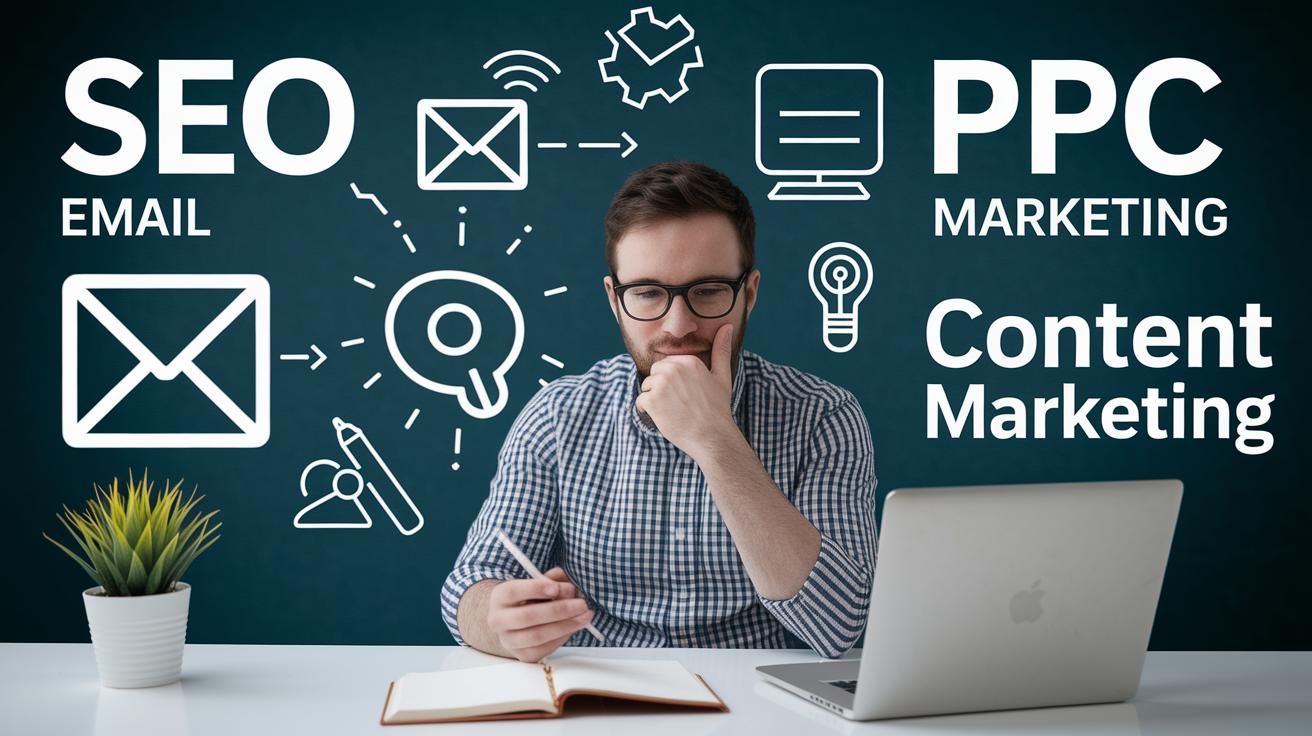
Digital and social media marketing are like two flavors that work together to get your message out there. They might use different routes and methods, but both need you to be clear on your goals first.
Digital Marketing Tactics
Think of digital marketing like setting up a well-tuned machine. You lean on SEO (making your website easy to find, like a helpful map), email campaigns that build a friendly rapport, and PPC ads (pay-per-click ads that display your message to interested eyes). Then there's content marketing, blogs, whitepapers, and videos that deliver useful info and help build trust. Imagine a campaign that uses targeted keywords to drive organic traffic while PPC ads capture those immediate clicks.
Influencer outreach is another key player. These trusted voices connect with their followers in a genuine way. And when you republish your content on reputable sites through content syndication, you extend your reach even further. Together, these tactics guide curious visitors down the path to conversion.
Social Media Marketing Tactics
On the social media side, the magic happens through a mix of organic and paid tactics. Organic posts, think interactive updates, live videos, and fun stories, spark conversation and build community. Picture a behind-the-scenes video on Instagram that instantly starts a buzz.
Paid social ads, meanwhile, target your ideal audience, expanding your message beyond just your current followers. User-generated content and influencer collaborations add that extra layer of authenticity. With trends shifting almost daily (for the latest, check out social media trends), these strategies keep
Metrics and ROI in Digital Marketing vs Social Media Marketing

Data is the heartbeat of every marketing effort. It shows you what your audience loves and what falls flat. Marketers lean on numbers like traffic sources, conversion rates (when visitors become customers), and engagement metrics (how users interact) to shape campaigns and boost returns. These insights drive everyday choices that lead to quick wins and lasting success.
| Metric | Digital Marketing Focus | Social Media Focus |
|---|---|---|
| Traffic Sources | Visits from organic search, paid ads (PPC), and email campaigns. | Clicks on posts, stories, and platform-specific ads. |
| Conversion Rate | Precisely tracked lead generation, sales, and sign-ups. | Actions prompted by interactive, engaging content. |
| Cost per Acquisition | Calculated through efficient SEO and PPC spending. | Measured via ad spend on targeted social campaigns. |
| Engagement Rate | Interactions on blogs, newsletters, and digital ads. | Likes, comments, shares, and video views. |
| Share Rate | Content reshares through syndication and blog integrations. | User-generated shares that boost organic reach. |
| ROI per Dollar Spent | Tracked with advanced analytics tools. | Influencer collaborations, sometimes earning around $5.78 per dollar. |
Each approach has its own vibe. Digital marketing zooms in on how different channels perform in driving conversions and keeping costs low. Meanwhile, social media marketing thrives on direct engagement and the ease of sharing content. Together, these metrics give marketers the tools they need to tweak strategies, wisely spend budgets, and spark the growth their brands crave.
Budgeting Essentials for Digital vs Social Media Marketing

Social media marketing is all about sparking interest fast. You’re investing in stunning visuals like videos, crisp images, and catchy posts, and you’re covering ad spots to boost your reach. It’s like setting up a colorful, short-term campaign that grabs attention, testing and tweaking the creative side to keep fans engaged.
Digital marketing, however, casts a wider net. Here, your budget might include spending on SEO software (tools that help your site show up higher in search results), pay-per-click campaigns that pull in immediate traffic, email marketing fees, and regular content for blogs or websites. Think of it as balancing both organic growth and paid boosts to reach your long-term goals.
In the end, it’s about striking the right balance. Marketers have to decide whether to lean into dynamic, interactive content or invest in solid technical tools that help convert interest into lasting engagement. It’s a mix-and-match approach that depends on your campaign’s unique goals.
digital marketing vs social media marketing: Winning Edge
Mixing targeted digital ads with lively social media posts makes your campaign feel connected and fresh. When these channels come together, your message stays strong and gives you new ideas to improve your plan.
Multichannel Campaign Structure
Syncing digital ads with social posts means your brand’s voice is clear on every platform. When a company coordinates its PPC (pay-per-click: you pay every time someone clicks) ads with friendly social media updates, the entire campaign flows smoothly. Imagine a brand that kicks off with a digital banner ad and then shares the same core message on social media. This kind of tight coordination not only broadens your reach but also helps your brand stand out everywhere.
Content Repurposing Techniques
Turning long blog posts into short, punchy social media snippets can really boost engagement. It’s like serving a bite-sized treat for those who prefer quick and easy insights. Picture transforming a detailed article into a carousel of simple slides, each one highlighting a key point. This method keeps your brand message consistent while fitting perfectly into the style of each social platform.
Unified Analytics and Tracking
Gathering all your data into a single dashboard gives you a clear look at how your campaign is performing across channels. By merging digital stats and social media metrics, you can quickly spot what’s working and what might need a tweak. Imagine a dashboard showing both your PPC click figures and social engagement numbers side-by-side. This integration makes it easy to adjust your strategy and sharpen your campaign’s impact.
Bringing digital and social strategies together builds a solid framework. By repurposing content and uniting your analytics, you craft a smooth brand story while staying agile in a fast-changing digital world.
Selecting Between Digital Marketing and Social Media Marketing

Start by getting clear on your campaign goals. If you're aiming for more leads and direct sales, lean on tactics like SEO, PPC (pay-per-click advertising), and email marketing. But if boosting your brand’s buzz and engaging your community is more your style, social media campaigns might hit the mark. First things first, jot down what success looks like for you, maybe it's higher conversion rates or more lively online chatter.
Next, take a good look at your audience. Check out who’s interacting with your brand, what the numbers say about their behavior, and listen to what they’re telling you. Which channels are really drawing in quality leads and sparking meaningful conversations? Think about how you’re targeting your crowd and guiding them toward a sale. This part is like piecing together a puzzle, you need each part to understand the bigger picture.
Finally, consider the resources and budget at your disposal. Reflect on past campaign wins and rough out how much each strategy might cost. A deep dive into your key performance indicators (KPIs) and a review of your current channels will show whether a mix of tactics is your best option. Combining strategies based on clear goals and solid performance data can simplify your decision-making and boost your overall campaign strategy.
Emerging Trends in Digital Marketing vs Social Media Marketing

AI is changing the game. Marketers now use smart algorithms (machine learning) to craft personalized experiences that really click. Imagine watching an ad that shifts its message just like your favorite unexpected TV twist, it’s all about timing and relevance.
Video is stealing the spotlight. Digital experts are pumping up high-quality video content to boost conversions, while social media thrives on quick stories and live feeds that hit you right in the moment. It’s like tasting a limited-time treat, you see it, you want it, and you act fast.
The line between browsing and buying is getting blurrier. Social commerce and augmented reality ads mix shopping with cool tech twists, while chatbots keep customer chats going round the clock. This means every campaign can be measured and improved on the fly, making both digital and social strategies not only creative but super effective.
Final Words
In the action, we explored digital marketing vs social media marketing, measuring key differences in strategies, tactics, and performance indicators. We broke down topics from core channels and tactics to budgeting essentials, offering a practical comparison for marketers.
This discussion highlighted how each channel supports distinct business objectives while still complementing one another. The insights shared here bring clarity to channel selection, encouraging confident, informed decisions in your next campaign. Keep experimenting and stay positive, great campaigns are just around the corner.
FAQ
How does digital marketing compare to social media marketing on Reddit?
The digital marketing vs social media marketing discussion on Reddit shows that digital marketing uses various online channels, while social media marketing strictly focuses on platform-based engagement and content sharing.
How do digital marketing and social media marketing salaries differ?
The digital marketing vs social media marketing salary comparison reveals that pay rates vary by role and experience. Typically, digital marketing roles carry broader responsibilities, which can lead to higher compensation.
What is the difference between social media marketing and digital marketing with examples?
The difference between social media marketing and digital marketing is that digital marketing uses SEO, email, and PPC, whereas social media marketing leverages posts and platform-specific ads. For example, email newsletters versus Instagram stories.
What do digital marketing and social media marketing courses offer?
Digital marketing and social media marketing courses provide skills in SEO, PPC, and social engagement. They offer practical training to boost online visibility and drive brand growth through tailored campaign strategies.
How does digital marketing differ from traditional marketing?
The distinction between digital marketing and traditional marketing lies in channel usage; digital focuses on online platforms with measurable outcomes, while traditional marketing relies on offline media like print and television.
What does a digital marketing course cover?
A digital marketing course covers strategies such as SEO, content creation, PPC, and analytics. It equips students with the tools to optimize online campaigns and drive conversions effectively.
What is the difference between digital marketing and social media?
The digital vs social media comparison explains that while digital marketing encompasses a range of online strategies, social media specifically targets audience engagement and community building on platforms like Facebook and Instagram.
What job opportunities exist in social media and digital marketing?
Social media and digital marketing jobs range from content creation to strategic planning. These roles demand creativity and analytical skills to design campaigns that bolster brand awareness and online performance.
What are the four types of digital marketing?
The four types of digital marketing typically include search engine optimization, content marketing, online advertising, and email marketing; each method contributes uniquely to attracting and converting online audiences.
What does the 5 5 5 rule for social media entail?
The 5 5 5 rule for social media advises posting five times daily, engaging with five users, and following five new accounts. This routine helps maintain consistent interaction and fosters a lively online community.
What distinguishes social media from digital media?
The difference between social media and digital media is that social media emphasizes interactive, user-generated content, whereas digital media covers all online content, including websites, emails, and digital ads.
How does a digital marketer differ from a social media manager?
The difference between a digital marketer and a social media manager lies in scope; digital marketers cover broad online channels like SEO and PPC, while social media managers focus on engaging audiences through specific social networks.