
Ever wondered if your digital marketing plan is really setting you up to win? Today’s approach blends tried-and-true tactics with new, exciting methods that feel like adding a fresh twist to an old favorite recipe.
Smart tech tools such as automated content (computer-assisted writing) and audience segmentation (grouping customers by interest) are changing the way we reach out to our audience. And when you mix careful planning with a few bold, creative moves, something exciting happens.
This blend can ignite real progress and help your digital campaigns shine. It’s like watching the buzz of a new campaign come alive over a good cup of coffee.
Core Digital Marketing Plan Trends to Update Your 2025 Strategy

Digital marketing trends today mix proven methods with bold, fresh ideas. The RACE framework, which stands for Plan, Reach, Act, Convert and Engage, breaks campaigns into 25 key parts that have driven results for over 15 years. If you’re shaping your 2025 plan, think of this framework as your go-to guide for choosing strategies that make a measurable difference.
Artificial intelligence and machine learning are now in the spotlight. These tools power automated content creation, like dynamic email campaigns, and smartly segment audiences to hit the right targets at just the right time. Ever notice how fast things evolve? Not long ago, voice search was a novelty, but now 35% of US households use smart speakers. This shift is prompting marketers to craft tailored content recommendations that boost engagement across digital channels.
In retail, technologies like AR and VR are transforming shopping into a full-on immersive experience. Virtual showrooms and interactive demos let customers explore products in ways that were once unimaginable. By combining enduring marketing strategies with today’s innovative techniques, brands can connect with wider audiences while also creating personal, memorable interactions.
At the heart of it all, blending solid fundamentals with breakthrough tech is reshaping campaign planning. Relying on data helps refine both budget choices and customer journeys. Ultimately, combining smart, innovative trends with tried-and-true tactics is essential for building a digital strategy that stands the test of time.
Digital marketing plan trends ignite success

Digital marketing plans are evolving as fresh content strategies and SEO improvements rewrite the rulebook. Think about short, engaging videos on YouTube, TikTok, and Instagram Reels, quick stories that grab attention. Imagine a 15-second teaser that sparks curiosity, much like a tasty snack that vanishes before you know it.
Hyper-personalization is stepping up its game by offering experiences tailored to each user. Picture your customer receiving a message that feels like it was made just for them, similar to how your favorite playlist aligns with your mood. And with search engines constantly tweaking their algorithms (the behind-the-scenes rules that decide who gets seen), marketers are fine-tuning content like chefs adding just the right pinch of seasoning.
Blending social commerce with solid SEO tactics is also shaking things up. Marketers are rethinking their strategies as social signals, those little nudges from platforms, increase organic traffic. For example, mixing user-generated content with tags that search engines love can suddenly boost online visibility. Staying ahead today means constant monitoring, measuring, and adjusting to ride the wave of ever-changing digital trends.
AI and Automated Response Systems in Digital Marketing Plan Trends

Artificial intelligence and machine learning are shaking up the digital marketing scene by mapping out customer journeys and automating key decisions. Marketers now rely on a data-driven approach that taps into five main AI strategies. For instance, predictive analytics works like a mini crystal ball, guessing what customers might do next. Personalized email campaigns hit home by feeling like they were made just for you. Real-time dynamic pricing, speedy content creation, and ever-ready chatbots all play their parts in this modern toolkit.
Automated response systems step in to make sure support and sales kicks happen instantly. With advanced chatbot services available 24/7, customers can get help whenever they need it. And when a customer shows interest, reactive sales activation makes sure nothing slips by unnoticed.
On another front, programmatic ad buying uses smart bidding (think of it like a real-time auction) to stretch every advertising dollar further. This approach cuts down on wasted spend by targeting ads based on live data, leaving more room for creative strategy. Machine learning adds the extra polish by fine-tuning targeting and tweaking campaigns just in time.
All in all, these AI-powered tools and automated systems are reshaping digital marketing. They make campaigns more agile, efficient, and truly tuned in to delivering value to customers.
Social Outreach Adaptaption and Influencer Partnership Growth in Digital Marketing Plan Trends
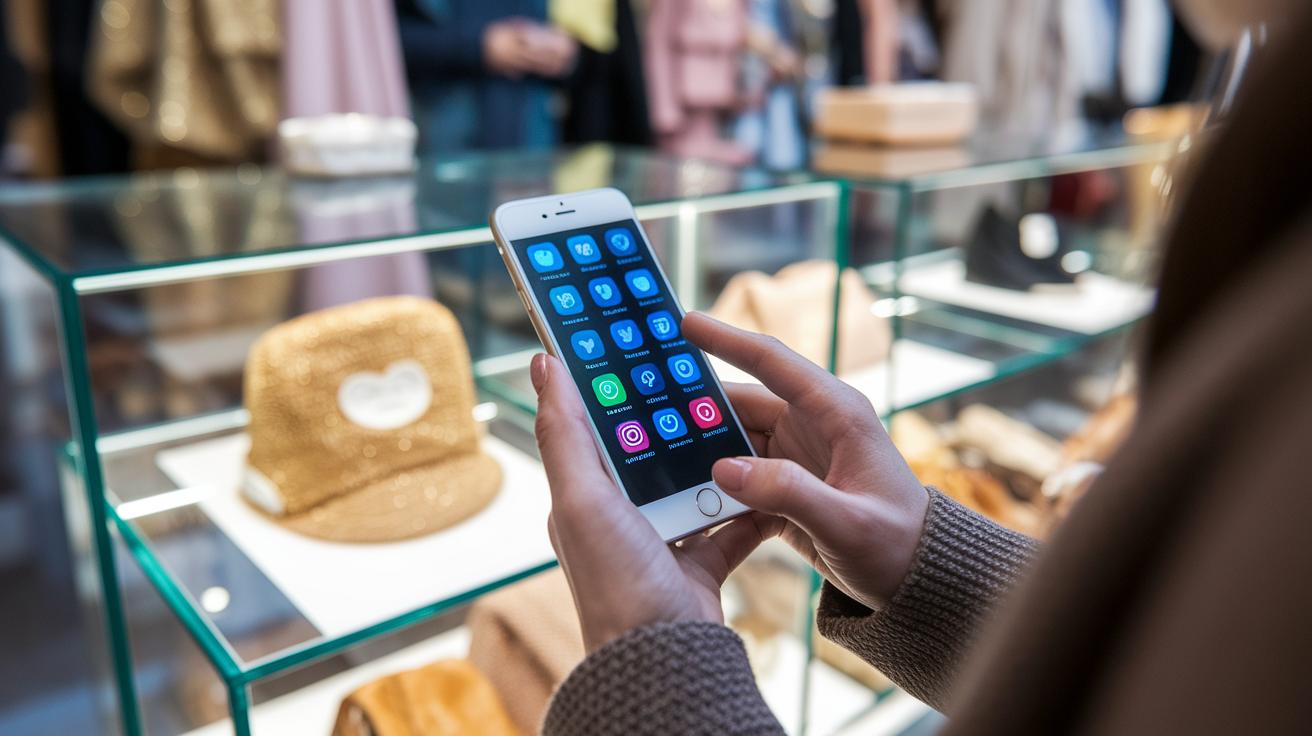
Social commerce on popular platforms like Instagram, Facebook, and Pinterest is redefining how brands connect with people. These channels let you browse and buy almost simultaneously, kind of like wandering through a beloved local shop and spotting something you simply have to have.
Partnering with influencers still creates genuine buzz, especially when reaching those niche groups that regular ads might miss. When an influencer gives you that behind-the-scenes peek, the brand feels warmer and more trustworthy. Plus, referral programs add a personal touch as happy customers spread the word to friends.
Real-time feedback from followers lets brands fine-tune their messaging on the fly. By keeping an eye on emotions and engagement, companies can make sure their promotions truly hit home. This blend of social commerce, influencer ties, and word-of-mouth sharing really boosts brand reach and powers smart digital marketing moves.
Immersive Technologies and Interactive Media in Digital Marketing Plan Trends
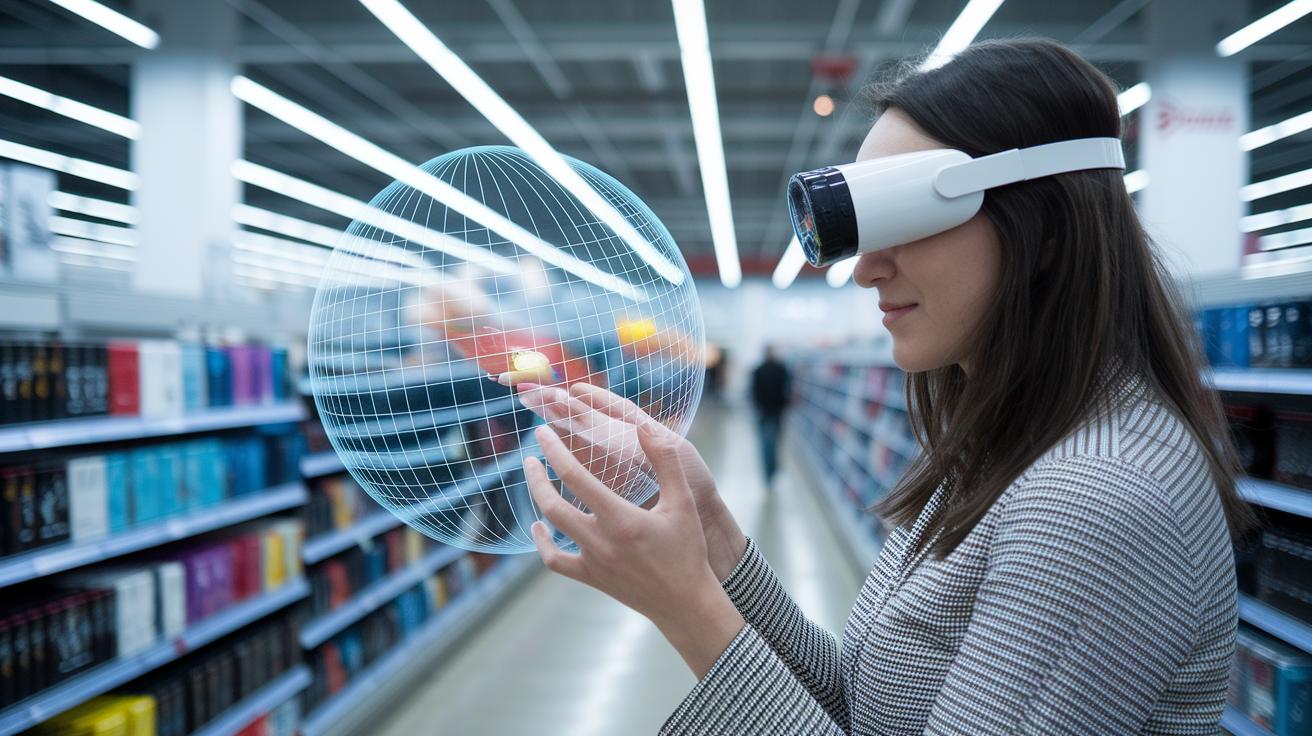
Augmented reality (AR) and virtual reality (VR) now lead the charge in retail technology. They mix virtual try-ons and digital showrooms with interactive tools to grab customer attention. Imagine scanning a product and instantly watching a 3D demo that you can spin around, like holding a gadget in your hand.
Interactive features such as shoppable video overlays and 3D product demos are reshaping the shopping experience. Picture a video where you can click on an outfit and zoom in on each accessory, making the experience as engaging as wandering through a live exhibit.
Marketers are now keeping an eye on how interactive media is adopted, checking which channels spark the most customer engagement. Early data reveals these immersive technologies keep visitors on a site longer and lead to higher click-through rates, showing that every interactive moment can help boost sales.
Performance Metrics and Conversion Optimization in Digital Marketing Plan Trends

When you move into the Convert stage of the RACE framework, you lean on more than 25 key performance indicators (KPIs, which are simple measures of how well your campaign works). Imagine having a live dashboard that tells you exactly how your campaign is doing, kind of like trying two ice cream flavors to see which one makes your day. For example, test two different call-to-action buttons and see if one boosts clicks by around 15%.
Mapping out your sales funnel can reveal where customers lose interest. When you see where people drop off, you know exactly what to fix, maybe you need to simplify the checkout process or make your mobile design smoother. These adjustments help clear the path to a purchase, reducing friction and driving more sales.
Measuring your return on investment (ROI) is like checking how every tweak in your campaign makes your spending more effective. When your dashboard shows a spike in engagement after a layout change, it’s a clear sign to invest more in that area.
Quick tracking of these performance metrics lets your team adjust campaigns on the fly. This flexible approach means every marketing dollar works hard to turn casual viewers into loyal customers.
Budget Allocation and Future Prediction Models in Digital Marketing Plan Trends

Imagine setting a family budget, where you mix everyday essentials with a few exciting upgrades. In digital marketing, that’s exactly what planning your budget feels like. Gartner Hype Cycles act like your trusted recipe book, helping you decide whether to sprinkle in innovative tech like AI (artificial intelligence) and AR (augmented reality) or stick with proven methods like the RACE framework. Think of it like choosing between a bold new dessert and your dependable main dish.
Balancing your spend also means having a little extra saved for those unexpected changes, like when new cookie policies or privacy rules pop up. It’s your safety net, similar to stashing cash for a surprise car repair. Predictive forecasting models come into play here, offering a sneak peek at future trends and guiding your decisions to keep your budget flexible.
Key tactics include:
- Evaluating spend between fresh tech innovations and your core strategies
- Adjusting your investments based on real-time ROI (return on investment) assessments
- Building reserves to handle shifts in privacy regulations
As you fine-tune your marketing strategy, check out insights on marketing technology for a deeper dive into budget implications. Predictive forecasting ensures every dollar works hard for you while keeping your plan agile for tomorrow’s market twists.
Final Words
In the action, we explored how the RACE framework and AI insights are reshaping campaigns. Immersive tech like AR and VR, alongside interactive media, is sparking fresh customer engagement while solid influencer partnerships refine social outreach.
Performance metrics and smart budgeting drive rapid improvements, creating agile strategies grounded in digital marketing plan trends. The synthesis of these insights paves the way for efficient, confident decision-making and thriving marketing strategies.
FAQ
Q: What are the recent trends in digital marketing, including forecasts like 2025 and 2030?
A: Recent trends in digital marketing highlight rising use of AI, immersive technologies, agile SEO updates, and personalized content—trends detailed in digital marketing plan trends PDFs and examples that look toward 2025 and even 2030 predictions.
Q: What does the 70‑20‑10 rule in digital marketing mean?
A: The 70‑20‑10 rule in digital marketing means investing 70% of your budget in proven tactics, 20% in mildly innovative ideas, and 10% in experimental strategies to balance risk and reward.
Q: What does the 3‑3‑3 rule in marketing imply?
A: The 3‑3‑3 rule in marketing implies structuring content and messaging into three balanced parts—covering core brand values, product benefits, and customer testimonials—to drive engaging and diverse communication.
Q: How do digital marketing, social media marketing, content marketing, SEO, and AI work together today?
A: These components blend to form integrated strategies where engaging content, refined SEO tactics, interactive social media, and AI-driven insights work collectively to boost campaign performance and audience engagement.