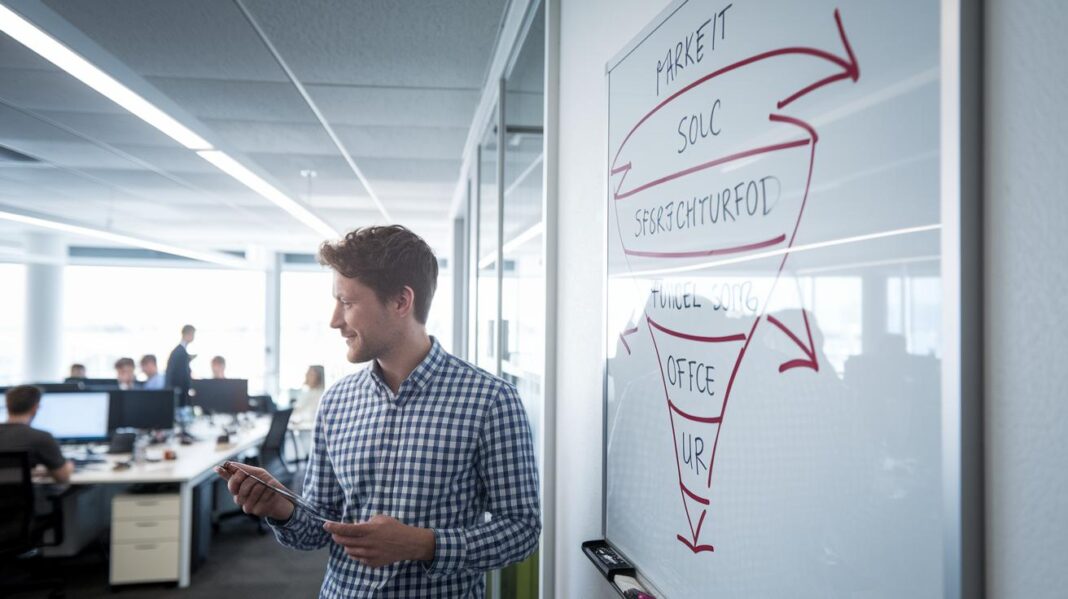
Isn't it wild how marketing keeps changing? In 2022, Google rolled out 729 algorithm updates that really shook things up.
Marketers had to switch gears fast to keep up with a whole new world of platforms and devices.
Today, fresh digital trends spark growth and push brands to get smarter with their paid media strategies. This story shows how companies are adapting in a market where every detail, from search to social, plays a big role in boosting engagement and driving success.
Digital marketing industry trends Spark Fresh Growth

Back in 2022, Google rolled out 729 algorithm updates that really flipped the script for brands. Companies had to pivot fast on big platforms like Google, YouTube, Amazon, and Pinterest. Consumers now jump between roughly 10 different sources and devices in a blink, so marketers are shifting to flexible, all-around paid media strategies. One marketer even shared that tweaking their approach mid-campaign gave engagement a clear boost.
The digital market is moving at lightning speed, demanding fresh ideas and quick adjustments. Thanks to NP Digital’s mix of services, like paid media (that's advertising you pay for), influencer marketing, digital PR, content production, and website development, brands now have a robust toolkit to tackle these challenges head-on. Imagine a campaign that flows effortlessly from a striking social ad to a well-thought-out PR piece, keeping its message crystal clear at every turn.
Looking ahead to 2025, many experts predict that tighter budgets will push everyone toward smarter, ROI-focused strategies. Marketers are feeling the squeeze to get every dollar working its hardest and to blend paid, earned, and owned channels just right. In this fast-changing scene, staying nimble and tuned into major trends is more important than ever.
Key trends to watch:
- Frequent algorithm updates pushing the need for platform-proof strategies
- Consumers hopping across devices, demanding full-funnel campaigns
- The seamless integration of paid, earned, and owned media channels
- Budget pressures that drive a laser focus on return on investment
- The importance of visibility across search, social, and e-commerce networks
AI-Powered Campaign Shifts in Digital Marketing Industry Trends
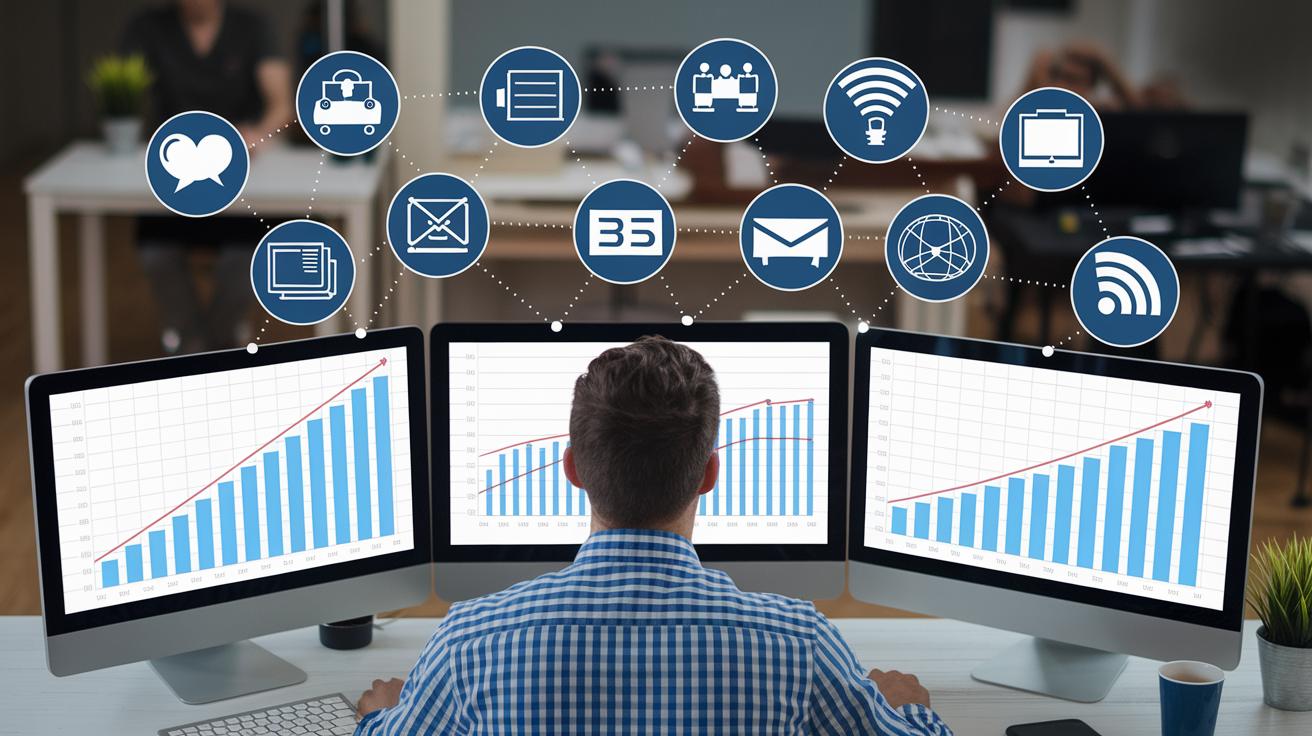
AI Content Generation vs Data Utilization
At first, AI was all about cranking out content super fast, like coming up with an ad slogan in seconds. Marketers loved how it could instantly generate copy such as "Experience magic with every click." Now, however, the focus is shifting from speed to insight. Today, AI digs deeper to uncover what really drives audience engagement, turning plain text into detailed, data-powered messages.
It’s a noticeable change. Instead of just spitting out words, AI now looks at customer behavior to adjust campaign strategies in real time. Imagine tweaking your headline on the fly as you see new user patterns emerge. This shift shows that AI enhances strategy while still leaving plenty of room for human creativity.
A lot of pros say that even though AI use skyrocketed in 2024, putting it to work well still comes with some challenges. Think of it like balancing a high-tech tool with good old creative instinct. With 73% of consumers wanting personalized experiences and 94% noting a positive impact on sales, joining AI smarts with human intuition really pays off. Tools like ai marketing highlight this mix by offering insights that back up content teams.
Plus, advanced analytics add another helpful layer. They let marketers continuously fine-tune messaging, keeping campaign strategies as lively and adaptive as the market itself.
Predictive Analytics and Real-Time Feedback
Predictive models now give us live insights into campaigns. Marketers can see changes as they happen and adjust ads on the spot based on performance data. For instance, if you notice a sudden spike in engagement, you might quickly swap out a creative piece, kind of like replacing a flat note in a favorite song.
Real-time feedback means teams can make quick decisions. A live update like "Your click-through just jumped by 2% in minutes" pushes you to adjust while the trend is still hot.
Omnichannel Integration Trends in the Digital Marketing Industry
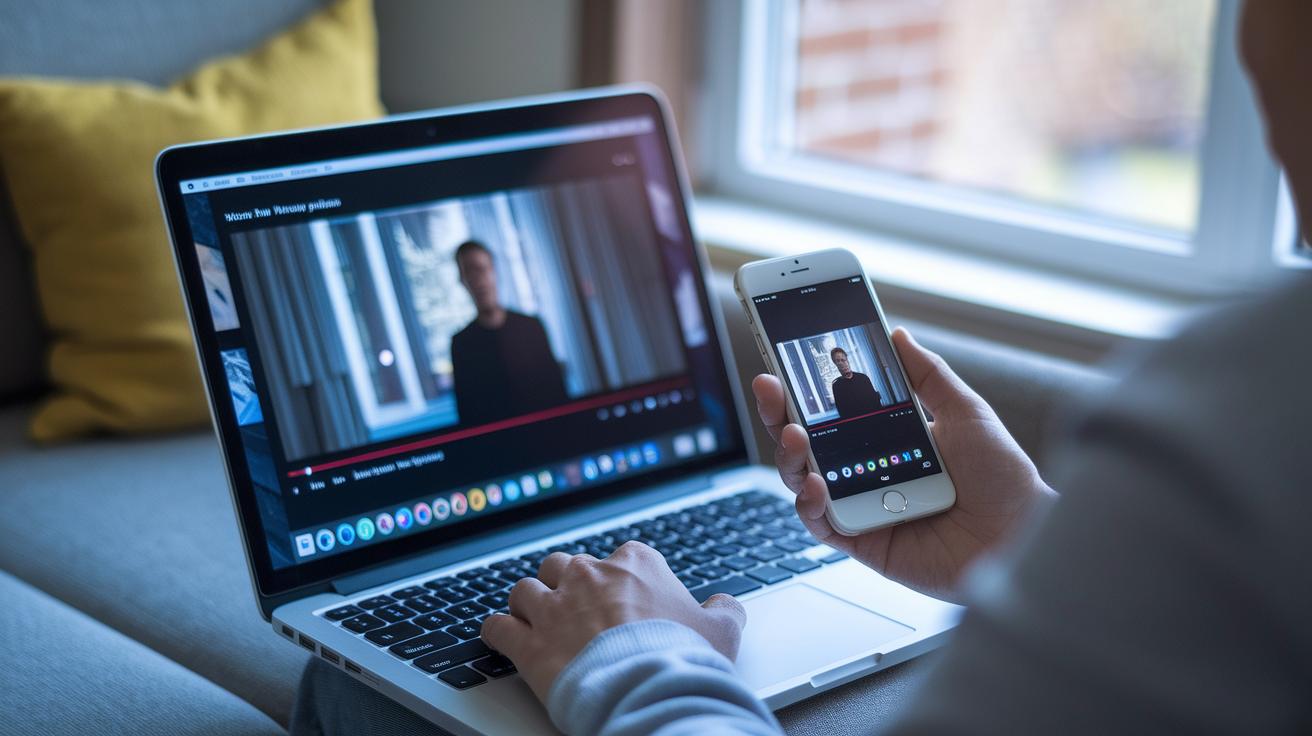
Today’s world is fast and ever-changing. Over 90% of users switch devices mid-journey, so brands really need to deliver a smooth experience every step of the way. Imagine reading a blog post on your laptop and then instantly checking out a related video on your phone, no interruptions, just pure flow.
Marketers are getting creative by merging search, shopping, and content into one continuous story. They blend paid ads (those you buy), earned buzz (word-of-mouth), and owned content (your own channels) so every touch feels part of the same narrative. Ever noticed a search ad that perfectly complements a social post? That kind of sync makes the customer journey feel natural and connected.
Mobile users are shaking up strategies, demanding interactive, in-app experiences. Social media, renowned for its engagement, keeps pushing brands to try new things like native content and live sessions. Marketers now study every little interaction, using that insight to fine-tune campaigns across all devices. When every channel tells the same story, campaigns turn into dynamic narratives that reach people wherever they are.
| Channel | Primary Metric | Key Strategy | Example Platform |
|---|---|---|---|
| Search | Click-through rate | Zero-click optimization | |
| Social | Engagement rate | Native content | Meta |
| Mobile | Session duration | App-first design | In-app ads |
Advanced Content Strategies and Video Content Revolution in Digital Marketing Industry Trends
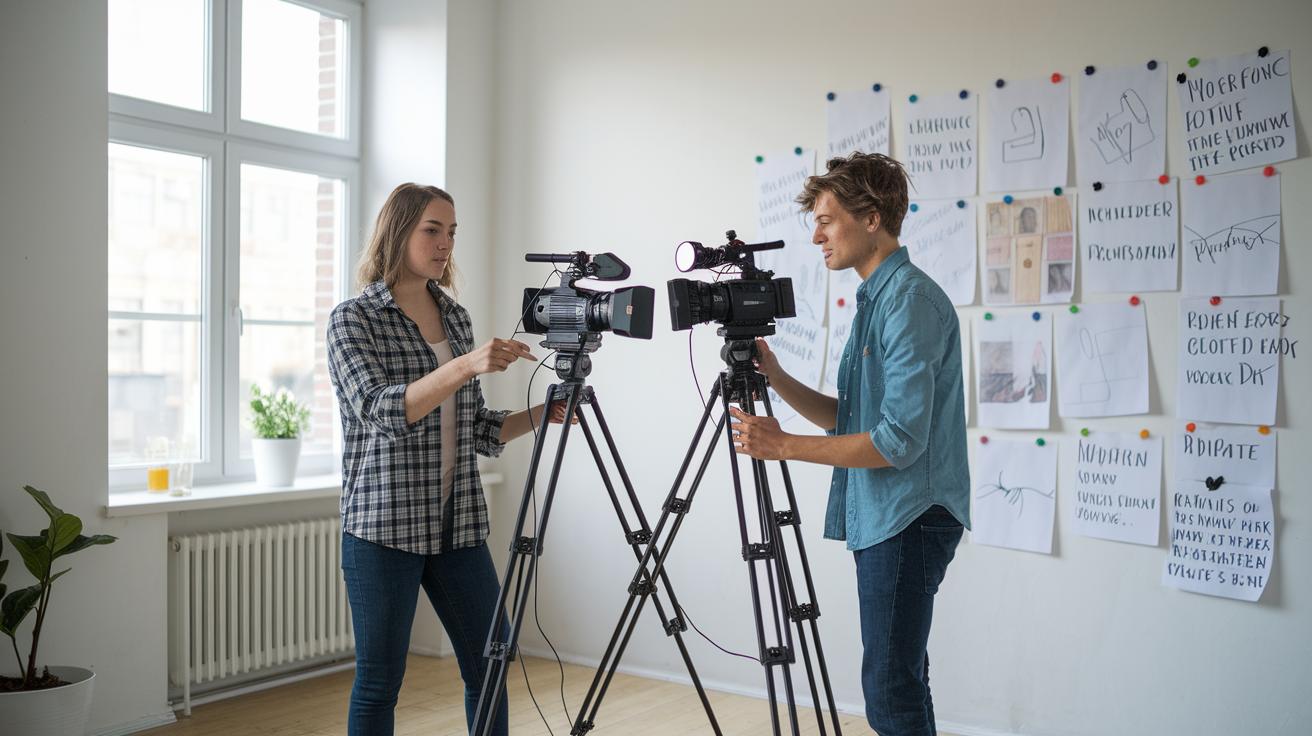
Smart brands are breaking free from old-school ads and trying fresh, exciting tactics. They’re turning to short, punchy videos, live streaming, and vibrant image-led stories to share their brand’s journey. Think about it, ever notice how a simple 15-second clip can triple conversion rates compared to a static ad? This approach transforms social feeds into digital storefronts, sparking a mini-revolution in creative advertising.
Niche influencers are stepping into the spotlight, too. These trusted voices help brands connect with specific crowds by sharing genuine, value-driven messages. Picture an influencer sharing a personal moment that makes the brand feel relatable and real. Such collaborations not only capture attention but also build lasting relationships with consumers over time.
Personalized advertising is another big winner in today’s market. With 86% of marketers incorporating custom messages (and 94% crediting it for better sales), it’s clear that tailoring your message really works. Marketers are now trying out interactive media like live Q&A sessions, which spark immediate, personal connections and let viewers feel heard in real time.
By mixing video innovation with advanced content strategies, brands are finding fresh ways to grab attention. They’re using smart tools and creative storytelling to deliver campaigns that truly resonate. Safe to say, these innovative methods are lighting up the digital marketplace and driving impressive, measurable results.
Emerging Technologies Shaping Digital Marketing Industry Trends

Sense search is changing the game for brands aiming to boost their SEO. More people now search by talking or snapping a picture instead of typing keywords. A marketer might casually share, "Our new voice search approach boosted our product page visits by 30% overnight." It shows how a quick tweak can lead to real results. And with answers popping up directly on search pages, brands have to keep their tactics fresh to stay on top.
The rollout of 5G is sparking new ways to use AR (augmented reality) and VR (virtual reality) in marketing. Faster mobile speeds mean brands can launch immersive campaigns like virtual store tours and interactive stories. Imagine exploring a digital showroom that feels almost like the real thing. These tech breakthroughs spark creative ideas, drawing audiences in exciting new ways.
With frequent SEO updates, Google made 729 changes in 2022, there’s always something new to learn. Marketers are constantly fine-tuning their campaigns, much like perfecting a recipe. This constant evolution not only keeps brands competitive but also creates a smoother, more engaging journey for users by blending smart tech with responsive strategies.
Sector-Specific Innovations in Digital Marketing Industry Trends
Retail and e-commerce are currently in a state of vibrant change. Brands are doubling down on digital transformation and tweaking their promotion strategies to stand out. Social commerce is booming, with revenues expected to hit $1 trillion by 2028. Data from services like Ubersuggest shows that smart product listings on big marketplaces such as Amazon and Pinterest are making a real difference. It's a clear sign that keeping up with innovation is key to winning in a crowded market.
Travel companies are also shifting gears. With tighter budgets, these brands are embracing dynamic pricing (where prices change based on demand) and full-funnel marketing tactics to attract cost-conscious travelers. Their goal? To deliver a smooth, hassle-free booking experience. This change shows how digital trends can be adapted to stretch every dollar without sacrificing customer satisfaction.
Pharma companies are on a similar journey of change. They are moving toward clear and honest messaging that builds trust, even while working under strict regulations. The focus now is on forming genuine connections with people. This fresh approach isn't just about meeting rules, it’s about building credibility and loyalty in an increasingly digital world.
Fashion brands are rethinking how they tell their stories. Gone are the days of traditional ads. Now, creative storytelling meets advanced social commerce techniques to forge a stronger online presence. Influencers and sustainability messages are taking center stage, resonating with today’s savvy consumers. This evolution in fashion marketing perfectly mirrors the broader trend of aligning brand values with innovative, digital strategies.
Future Outlook and Forecasts for Digital Marketing Industry Trends
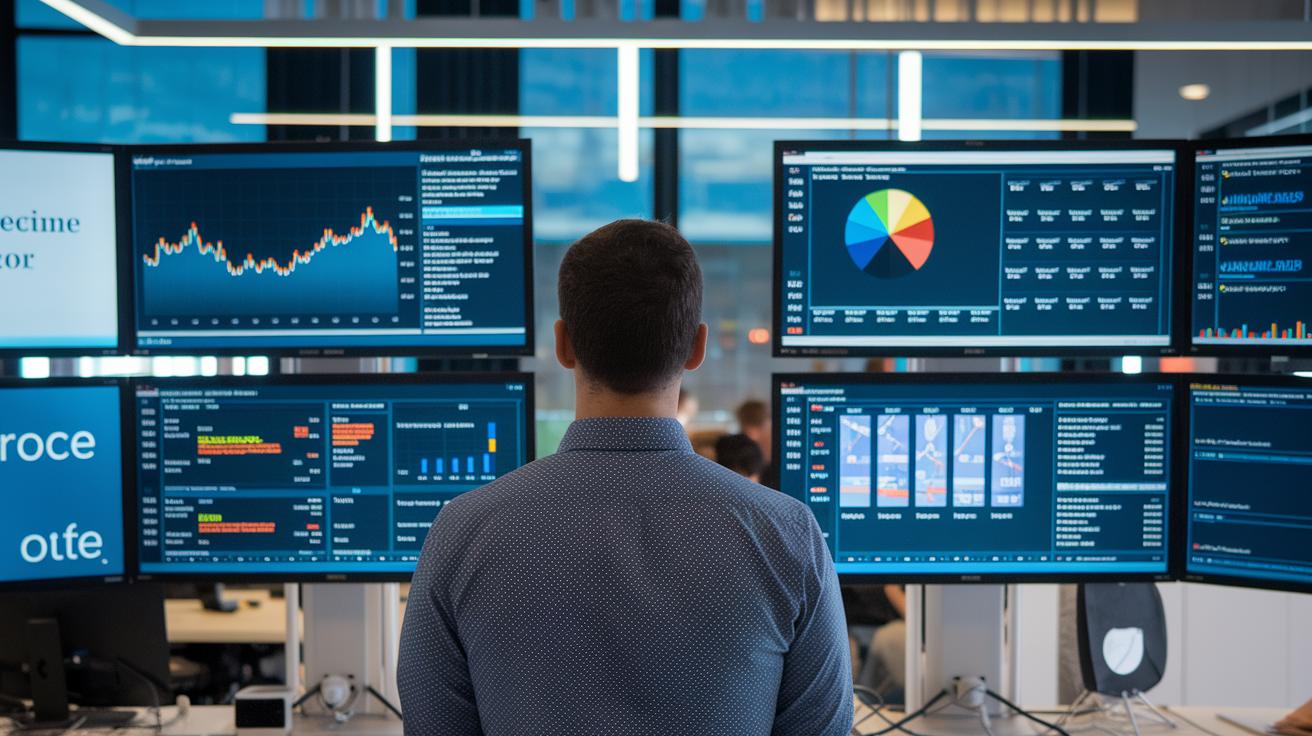
Marketers today are working with tighter budgets and turning to AI-powered personalization (using smart machines to tailor content) to make every dollar count. Data from 1,700 global marketers shows that every spend must deliver results you can measure. Imagine tweaking your campaign on the fly, switching from a plain banner to an ad with interactive visuals, to boost performance through real-time analytics and conversion rate optimization.
B2B marketing is also on the move as evolving buying teams look for quick, content-driven methods. Advanced content strategies combined with predictive analytics (tools that forecast trends) let brands change their message instantly to improve return on investment. One marketer even updated a content piece halfway through a campaign, showing how a flexible approach can really pay off.
Online platforms and social commerce are bringing together creative ideas like interactive visuals and sustainability messaging into one smart strategy. This mix of purposeful creative touches with real-time tweaks helps brands grab new online opportunities and keep a close eye on campaign performance.
This all-in-one perspective encourages marketers to mix creative strategies with predictive analytics. By doing so, they’re ready to grab future opportunities and tackle any challenges that come their way.
Final Words
In the action of exploring today's market, this article unpacked essential insights on algorithm changes, AI-driven tactics, multiple channel strategies, advanced content, and emerging tech. Each section shared a glimpse into how brands can keep pace while staying creative in a competitive space. The discussion helps clarify how budget shifts and data play a role in shaping smart, actionable strategies for all marketing teams. Embrace digital marketing industry trends and let these insights guide your next bold step. Stay creative and keep moving forward.
FAQ
Q: What are the new trends in digital marketing for 2025?
A: The trends in digital marketing for 2025 include platform-proof strategies, full-funnel techniques for cross-device journeys, and a mix of paid, earned, and owned media to boost efficiency and ROI.
Q: How can I access digital marketing trends in PDF format?
A: Digital marketing trends PDFs compile insights like algorithm changes, consumer behavior shifts, and integrated channel strategies to provide a clear, accessible snapshot of industry evolution.
Q: Is the digital marketing industry growing?
A: The digital marketing industry is growing as brands adapt to shifting consumer behaviors and tighter budgets, pushing for more strategic, data-driven campaigns and efficient cross-platform approaches.
Q: Is AI replacing digital marketing?
A: AI is boosting digital marketing by providing data-driven insights and automation; it works alongside human creativity rather than replacing it, helping optimize campaigns and personalize customer experiences.
Q: What is the 70 20 10 rule in digital marketing?
A: The 70 20 10 rule in digital marketing advises spending 70% on core, proven campaigns, 20% on testing intermediate ideas, and 10% on new, innovative strategies to maintain growth.