
Have you ever wondered if your ad campaign can truly shake things up? Today’s digital ads go far beyond just cool visuals. They mix clever AI (tech that mimics human thinking) with smart data to fine-tune messages on the fly. In fact, new stats show that these agile ads often spark real growth. In this post, we're unpacking five trends that are revamping campaign strategies and giving brands a fresh boost. Stick around and see how these shifts can lift your campaign's performance and drive real success.
Key Digital Advertising Trends to Drive Campaign Performance
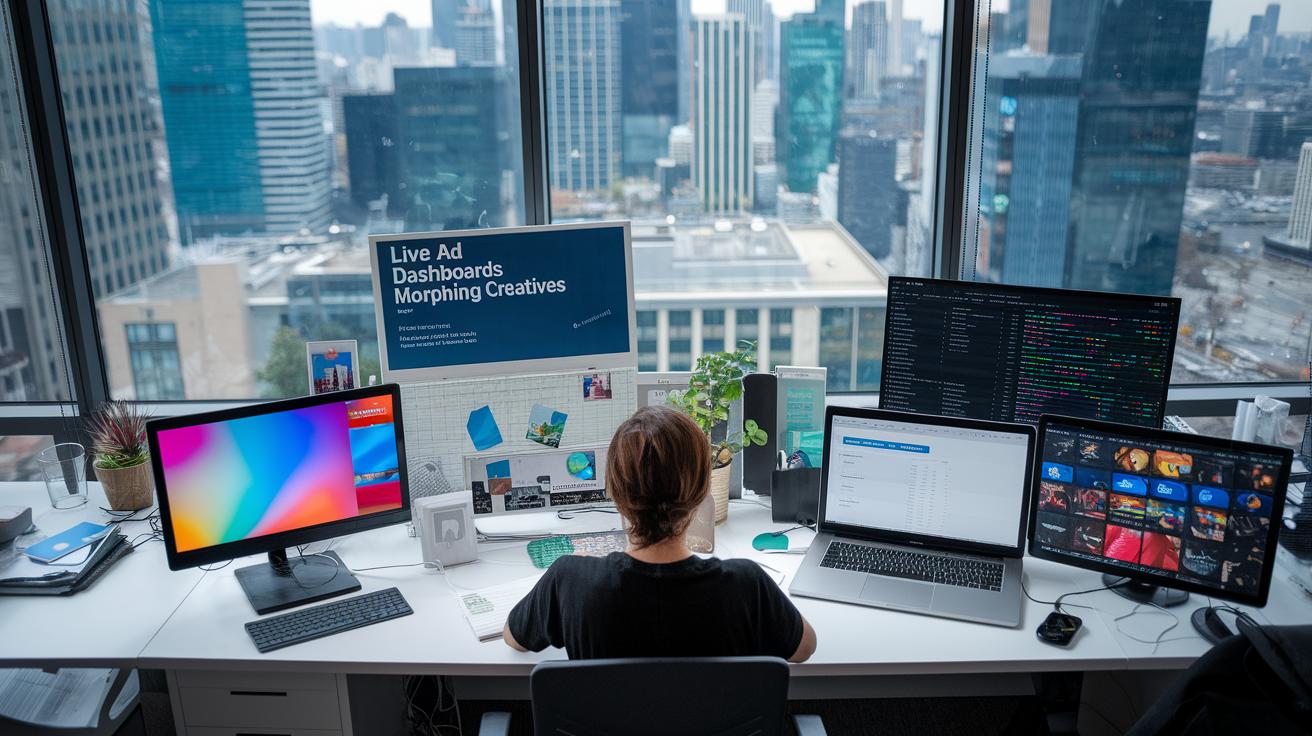
Digital advertising is constantly shaking up how campaigns run and fueling steady growth. Today, AI and machine learning power about 70–75% of marketing strategies, fancy tools that help brands tweak their approach through clear, data-driven insights. Imagine an ad campaign that changes its message on the fly, right as you watch. That's AI in action.
Modern campaigns lean hard on smart, data-focused tactics like programmatic ads. In fact, 73% of people expect personalized experiences built on up-to-the-minute data. On top of that, voice searches now top over 1 billion queries each month, and around 40% of Gen Z finds new brands on social media. These trends signal a move toward interactive, tailor-made marketing. Picture a campaign that instantly adjusts its creative to match how buyers behave, it truly sets a new standard.
- AI and machine learning integration
- Programmatic buying enhancements
- Hyper-personalization with real-time data
- Voice and visual search optimization
- Social commerce strategies
All of these trends lay out a clear path for marketers eager to boost campaign performance. By tapping into these drivers, brands can leave behind old tactics and explore fresh strategies that deliver sharper, more personalized experiences. It's an exciting time to dig deeper into what each of these trends can offer.
AI-Powered Digital Advertising and Machine Learning Innovations

AI is shaking up digital advertising, changing how ad platforms work. Marketers now see AI-powered ads as the driving force behind programmatic buying, a buzzworthy shift that lets brands quickly adjust to what audiences are doing in real time.
Today’s programmatic buying benefits from creative that adapts on the fly. Picture a campaign that switches up its images, text, and calls to action based on live feedback. This method uses machine learning (advanced computer learning) to deliver experiences that feel personal, tweaking each element to suit customer moods. When you picture ads working smart instead of just working hard, dynamic creative optimization is the star. It taps into live data to serve up different ad versions, fitting right in with modern targeting techniques that help refine market segmentation and boost engagement.
| Approach | Description | Performance Impact |
|---|---|---|
| AI-driven analytics | Real-time data breakdowns that help shift campaign strategies instantly | Sharpens decision-making and lifts ROI |
| Dynamic creative optimization | Personalizes ad elements using live audience insights | Boosts engagement and conversion rates |
| Predictive targeting | Machine learning models that forecast customer trends to refine segmentation | Enhances campaign precision and overall efficiency |
Machine learning-driven targeting helps brands reach the right audience at just the right moment. These smart tools dig deep into customer habits to refine campaign segments, sometimes boosting ROI by as much as 30%.
Data-Driven Strategies Elevating Digital Advertising

Visual and voice search data are driving modern campaigns. Search engines process around 10 billion visual queries every month. For example, one retail brand tweaked its site’s schema markup and added voice cues – and suddenly, its products were easier to find on devices like smart speakers.
Attention metrics now dig deeper than just clicks. They capture real engagement and reveal how audiences interact across different platforms, from online videos to social posts. One media company even discovered that a short video clip held viewers’ attention longer than expected, prompting a quick tweak in its content strategy.
The move from third-party cookies to first-party and zero-party data is changing the ad game. Marketers are now mixing unified analytics with rich, real-time consumer data from CRM tools (systems that help manage customer relationships). For instance, one tech brand found that sending targeted offers in the late afternoon – based on insights from its CRM – tripled user engagement, leading to swift adjustments in its strategy.
Social Commerce, Shoppable Video, and Influencer Campaigns in Digital Advertising
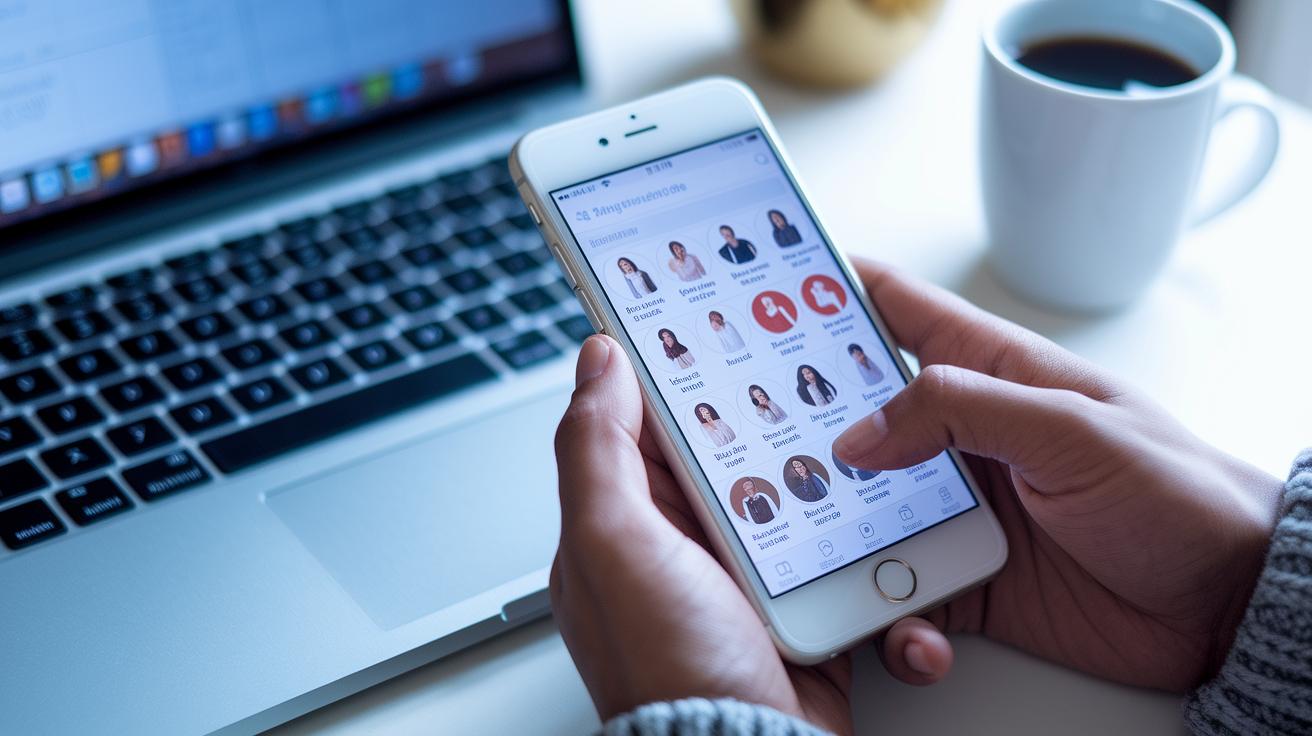
Social commerce is booming, with earnings predicted to surpass $1 trillion by 2028. Imagine scrolling on your favorite app and spotting an ad that lets you tap to buy, instant shopping that fits our fast-paced digital life.
Marketers now see social platforms as the go-to place for product discovery. Around 40% of Gen Z rely on these channels to find new must-have items. It’s like uncovering a hidden gem in your daily scroll.
Influencer campaigns have also taken on a new life. Micro- and nano-influencers are now leading live commerce and in-feed shopping, bringing authenticity and real-time interactions to the table. A sincere review shared in an Instagram reel can spark instant conversations and drive real purchases, showing that genuine connections can turn likes into sales.
Shoppable video ads add another layer, letting viewers make purchases right as they watch. These interactive formats can boost conversion rates by up to 25%, mixing engaging storytelling with seamless buying options. Picture a video that entertains you and invites you to click on products effortlessly, each moment creating a chance for a sale.
Privacy-First Methods and Ethical Standards in Digital Advertising

Starting January 27, 2025, new FCC rules mean brands must get your clear permission before collecting any data. Marketers are saying goodbye to third-party cookies and embracing first- and zero-party data methods (basically data you share directly with a company). This change builds a transparent way of handling your info and helps keep everyone on the right side of evolving rules. For example, one big retailer recently updated its policies to ask for permission first, showing they’re serious about compliance.
Across the board, digital ads are getting an ethical makeover. Companies today design their campaigns with ethics in mind, focusing on transparency, celebrating diversity, and showing social responsibility. They’re also using reliable ad fraud detection systems and secure data setups to safeguard your details. By putting inclusive messages and secure practices at the heart of their strategy, brands are forging genuine connections with their audiences.
Implementing Digital Advertising Trends: A 12-Month Roadmap

We start with a three-phase plan that builds up campaign performance over a full year. In the first three months, brands set up smart, AI-backed analytics, fine-tune both voice and visual search, and lay out basic programmatic frameworks. It’s a bit like getting your car tuned before a big race, everything is prepped for quick data checks and on-the-fly adjustments.
From months four to six, the focus shifts to personalization. Brands roll out dynamic creative strategies and include social commerce features that make campaigns feel like a friendly chat. Here, data insights from phase one start to take shape as you adjust creative elements to match the consumer’s mood, imagine changing tracks on your favorite playlist to fit the vibe.
As we move into the final phase, from month seven to month twelve, the plan zeroes in on refining targeting across all channels and managing bids in real time. Every touchpoint on the customer journey is optimized, creating a smooth, well-connected experience. The aim is simple: boost measurable revenue by consolidating data and making the campaign more precise, so every element works together harmoniously and drives success.
Final Words
In the action, the piece broke down top digital advertising trends from AI-powered insights to data-driven strategies that redefine campaign performance. It explored programmatic ads, hyper-personalization, and innovative social commerce methods.
We also mapped a clear 12-month roadmap to apply these insights practically, turning quick wins into lasting growth. Embracing digital advertising trends paves the way for smarter, more agile marketing moves that drive results and build lasting brand impact.
FAQ
What does Digital advertising trends PDF provide?
The Digital advertising trends PDF provides a concise overview of top strategies, including AI-driven techniques and data-focused approaches, aimed at elevating campaign performance and engaging audiences.
What trends in digital marketing 2025 are highlighted?
The trends in digital marketing 2025 highlight the growing use of AI, dynamic programmatic buying, hyper-personalization, and social commerce formats that create more engaging consumer experiences.
What do Digital marketing trends 2025 PDF cover?
The Digital marketing trends 2025 PDF covers key insights into technology integration, precise targeting methods, and the move toward real-time data applications, helping marketers streamline their campaigns.
What future digital marketing trends should businesses expect?
Future digital marketing trends point to deeper integration of AI and machine learning, more effective programmatic ads, personalized consumer journeys, and interactive social strategies designed for better engagement.
How do recent trends in marketing with examples demonstrate innovation?
Recent trends in marketing showcase practical examples—like dynamic creative development and data-driven decision making—that illustrate how interactive, tailored approaches can boost campaign effectiveness.
What are the social media marketing trends for 2025?
The social media marketing trends for 2025 include the rise of shoppable video ads, influencer-led initiatives, and interactive content formats, all of which drive higher engagement and conversion rates.
What marketing trends examples can guide strategy?
Marketing trends examples highlight methods like hyper-personalization and real-time analytics that help brands connect with consumers, improve targeting, and fine-tune overall campaign strategies.
What are notable future marketing trends?
Notable future marketing trends involve a clear shift toward using AI, programmatic ad buying, and enhanced personalization to create more interactive and responsive brand messaging in a competitive digital space.