
Ever noticed how a TV game can spark chats on your phone? In today’s busy world, we’re all juggling screens, watching, texting, and sharing at the same time.
We took a deep dive into social posts, streamers (people broadcasting live online), smart TVs, and even newspapers to see what audiences are really up to. Picture it like assembling a puzzle, where every little piece adds a new part to the story.
By mixing these clear data points, you can watch your audience in real time and fine-tune your campaigns on the fly. It’s like having a backstage pass to the buzz of your market.
Understanding Cross Platform Audience Insights

Gathering cross platform audience insights means tapping into data from spots like social media, mobile streaming, smart TVs, and even traditional outlets. It’s about understanding how people interact with content wherever they are. Imagine a live sports event on TV while fans spark up a conversation on their favorite social platforms. Combining these insights offers a real-time look at audience engagement.
When you bring together different data points, from set-top boxes, digital streaming, and even print channels, it creates a clear picture of digital reach. Picture checking a live dashboard that pairs mobile app energy with buzzing social media comments. Marketers can then see how each platform shapes audience behavior, both on a small scale and in the big picture.
At its core, cross platform insights ties together digital reach, consumer actions, and a unified narrative. Think of it like piecing together a puzzle: every bit of data from film, social media, or even games helps complete the overall story. This method makes it easier for marketers to react swiftly to changing audience habits and craft smarter, more connected campaigns.
Comparing Cross Platform Analytics Tools for Audience Insights
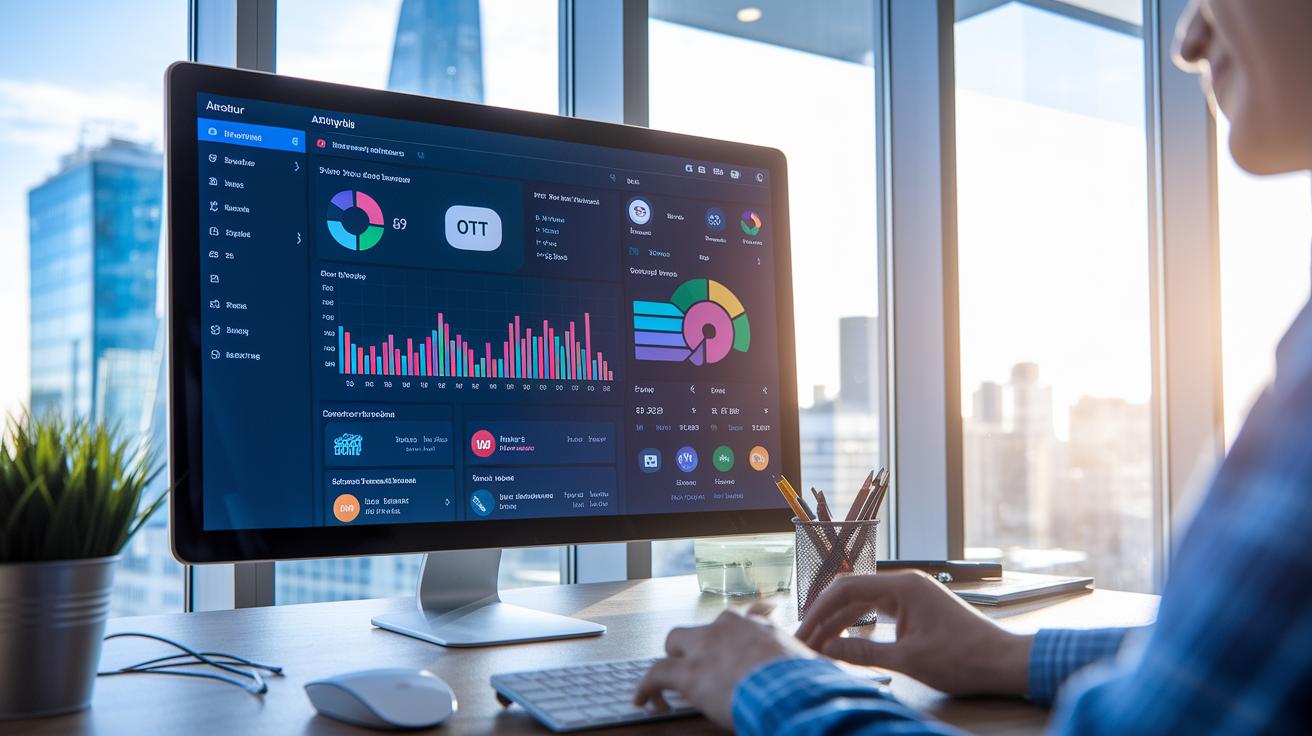
Choosing the right analytics tool is all about simplicity and clarity. You need one that mixes data from different devices and channels into a single, easy-to-read view. Today’s brands require a system that merges info from set-top boxes, OTT streaming, and social media to help measure channel performance and key metrics quickly. With clear, consolidated insights, marketers can easily adjust campaigns and track changes in audience behavior.
Unified Tracking Platforms
These platforms bring together data from TV, streaming, websites, and social media into one neat report. They let you see how campaigns perform at every touchpoint. For example, one tool might combine traditional TV data with online engagement numbers to give a full picture of digital reach.
Real Time Dashboard Solutions
Imagine having a dashboard that updates with every new viewer interaction. These tools offer live visual updates and dynamic metrics, so you see what’s working in real time. It’s like watching a live sports game, quick, energetic, and always in the moment.
AI-powered Social Listening Tools
These tools take social media chatter and use AI (artificial intelligence) to turn it into clear, useful insights. They break down audience sentiment, spot trends, and offer psychographic segmentation (grouping people by their interests and attitudes). This means brands can understand how social buzz ties into overall campaign success.
| Tool Category | Key Feature | Data Sources | Ideal Use Case |
|---|---|---|---|
| Unified Tracking Platforms | Composite metric integration | TV, web, streaming, social | Comprehensive cross-channel overview |
| Real Time Dashboards | Instant data visualization | OTT, live streaming, web | Real time performance monitoring |
| AI Social Listening | Sentiment and trend analysis | Social media | Audience mood and behavior insights |
| Hybrid Solutions | Combined analytics suite | Multiple channels | End-to-end audience insight management |
Best Practices for Data Integration in Cross Platform Audience Insights

Merging data from set-top boxes, mobile apps, and social networks isn’t a walk in the park. Each source speaks a different language, which makes it tricky to see the whole picture. Recent case studies at TMRE 2023 show that using programmatic measurement frameworks can help smooth things out by blending diverse logs into one solid pipeline. Without a clear integration plan and regular checkups (think of them like tune-ups), brands risk ending up with insights that are all over the place. In short, mapping multiple data sources and harmonizing them well turns raw numbers into a reliable picture of engagement.
- Start by setting common definitions and standards for every bit of incoming data.
- Standardize your data logs across platforms, so tracking stays consistent.
- Use AI-powered tagging (that’s automatic labeling) to grab the most accurate numbers.
- Rely on multi-source performance mapping to visually compare how each channel performs.
- Schedule regular reviews as part of your measurement interoperability study to keep your practices sharp.
Strong governance and compliance play a big role here. When you build digital marketing and data privacy into every part of your ETL process (that’s the step where you Extract, Transform, and Load your data), you protect your data and boost trust in your unified insights. This way, you get fast, effective decisions powered by reliable information.
Case Studies and Benchmarks in Cross Platform Audience Insights

The marketing world is buzzing as diverse data channels come together to offer a clear snapshot of audience behavior. Recent examples show that smart AI and advanced attribution (that’s just a fancy term for tracking campaign details) help fuse insights from TV, streaming, and social media. Think of it as breaking down audiences into easy-to-understand segments, checking the reach of your digital messages, and studying behavior across every screen. For instance, imagine a campaign pulling live broadcast stats alongside online stream data so marketers can tweak strategies in real time.
Programmatic Media Measurement at TMRE 2024
At TMRE 2024, conversations were full of talk about AI-driven media measurement that links every campaign touch, from TV to digital. This method uses blended metrics (a mix of data points) to shine a light on how content across different channels expands your audience. Picture a system that lines up data from smart TVs, websites, and social feeds to give an instant snapshot of campaign performance. It’s a fresh and reliable way to boost audience segmentation and fine-tune targeting strategies.
FAST Analytics Integration
FAST analytics integration is another exciting case in point. By combining broadcast signals, OTT streaming, and social media interactions, this approach uncovers even the subtlest shifts in audience behavior. One study linked live TV viewer numbers with online video interactions to paint a unified picture of trends. This hands-on integration not only makes it easier to gauge digital reach but also builds confidence in using mixed metrics across all platforms.
Brand Data Ownership in Multi-Channel Campaigns
Industry leaders are now saying that unified dashboards are key to mastering brand data ownership in multi-channel campaigns. These platforms pull together insights from everywhere, turning scattered numbers into a clear view of consumer trends. One major brand managed to merge traditional media with digital data, clearly mapping out its audience segments. This real-world success story shows that a cohesive data vision is essential for making smarter marketing moves.
Actionable Strategies to Leverage Cross Platform Audience Insights

Marketers should jumpstart their campaigns by honing in on tactics driven by customer insights. Start by using psychographic segmentation (that is, grouping audiences by shared interests and attitudes) alongside predictive profiling to craft a detailed customer journey. Conversational surveys offer live feedback, especially from Gen Z and Generation Alpha, giving brands that extra edge for remarketing. For example, one survey revealed that interactive content boosted engagement by over 30%, which helps refine both engagement and targeting strategies.
On the funnel optimization side, combining adaptive attribution frameworks with dashboard-driven reporting lets you reallocate budgets on the fly. Real-time metrics show which channels are driving conversions, so you can adjust your media planning to boost performance even further. Imagine a campaign that shifted funds to high-performing channels and saw a noticeable spike in conversions during a live test. In fact, data storytelling in digital marketing brings these dashboard insights to life, powering smarter funnel optimization techniques.
Final Words
In the action, this article showed how integrating data from social media, mobile apps, and traditional outlets can create a clearer picture of consumer behavior. We examined the tools and smart data integration techniques that sharpen our view of audience patterns.
The post also highlighted practical case studies and actionable tactics to boost campaign performance. With cross platform audience insights fueling bold strategies, it's an exciting time to refine approaches and watch results soar.


