
Ever wonder if your go-to brand really gets you? Right now, tailored content is turning the marketing world on its head. Picture this: messages that feel like they were picked out just for you. Brands are ditching generic copy to create special moments that speak directly to your tastes. Marketers are using this fresh approach to build genuine connections that boost trust, and yes, even your spending habits. Today, we dive into how a mix of smart tech tools and creative ideas is lighting up personal experiences that drive real growth.
How Content Personalization Trends Are Transforming Marketing Strategies

Personalization really matters now because folks crave experiences that seem made just for them. Brands are moving away from cookie-cutter approaches in favor of moments that match individual tastes and habits. Picture opening an email that suggests products perfectly suited to you, like a mini shopping adventure crafted just for your style. This shift makes every customer interaction feel more lively and memorable, boosting satisfaction and loyalty in a market that's more competitive than ever.
Since 2022, we’ve seen a 50% jump in the demand for personalized experiences. Research tells us that 81% of consumers expect a personal touch, while 92% of brands say they’re delivering it. Yet, 67% of online shoppers in the US feel that these efforts are just “okay.” And here’s the kicker, 57% of buyers are willing to spend more with brands that truly know them. Plus, 69% of brands plan to pump up their personalization budgets in 2024. These numbers show both the big promise and the real challenge of meeting high expectations.
This change isn’t just a trend; it’s part of a bigger digital marketing evolution. With smart tools like adaptive media and AI-powered tweaks (think of them as digital helpers), brands now adjust their interfaces in real time. The goal isn’t just to hit the right target, it’s to build genuine, personal connections. For more insights, check out the latest in digital marketing trends at https://adruckus.com?p=149.
AI and Machine Learning Advancements Shaping Content Personalization Trends

Almost 92% of businesses are using AI-powered personalization, a huge change in how brands connect with their customers. Smart machine learning systems are helping companies keep up with fast-moving markets, predicting what customers want and fine-tuning targeting along the way. New AI advances, like generative tools and smart agents, take personal touch to the next level by foreseeing customer needs before they even arise.
Imagine entering a store where facial recognition (tech that identifies faces) adjusts your shopping experience, almost like a friendly helper who knows your style even before you ask. These innovations aren’t just handy tools; they’re rewriting the playbook for personalized marketing in real time.
| Technology | Role in Personalization | Adoption Rate |
|---|---|---|
| Machine Learning Algorithms | Fuel tailored targeting and live data insights | Widely used |
| Generative AI | Powers hyper-personalization with smart, predictive tips | Growing fast |
| Facial Recognition | Customizes in-store experiences by spotting consumer behavior | New and emerging |
With these tools leading the way, businesses are shifting from waiting for trends to actively crafting personalized experiences. AI-driven customization not only sparks higher engagement but also makes marketing investments work smarter, setting an exciting, fast pace for future digital breakthroughs.
Data Strategies Fueling Content Personalization Trends

Data is the heartbeat of smart personalization. With third-party cookies disappearing, we now lean on first-party data (data collected directly from consumers) to shape campaigns that feel genuine. Marketers are diving into audience analysis, mapping customer journeys, and studying behavior to pinpoint what really clicks with users. In doing so, brands craft messages that match real-time interests and fresh trends. It’s like connecting the dots between what consumers do and what creative ideas spark engagement.
Customer Data Platforms make the process smoother by gathering varied data sources into one clear picture. They break down data silos and stitch together insights to give a true view of your customer. This unified approach lets companies tweak their messages on the fly and speak directly to consumers. These platforms are vital for tracking behavior patterns continuously and fine-tuning audience analysis using first-party data. Every step of the customer journey gets a detailed roadmap.
The 4 Ds framework – Data, Decisioning, Design, and Distribution – provides a straightforward path to personalization. It helps marketers shape content using a single view of customer insights while taking into account real preferences. This approach drives better campaign choices and quicker responses. For more on how data sparks creative marketing, check out content marketing trends. Embracing this framework lets brands hit their mark with precision and boost every consumer interaction with clear, measurable results.
Hyper-Personalization and Predictive Consumer Targeting Trends

Brands are shifting from general, one-size-fits-all strategies to creating personalized, one-on-one experiences using next-gen generative AI (advanced computer learning that creates content). It’s like getting advice from a friend who really gets you. Imagine your fitness app sending you a perfectly timed workout suggestion just when you need a push. Even more exciting, personalized loyalty programs now engage over 15 programs on average per U.S. consumer, a 10% increase since 2022, remaking how brands deliver value through these tailored interactions.
Predictive analytics (data tools that forecast trends) powers this change by helping brands fine-tune their messages before trends fully emerge. Picture a streaming service that starts hinting at your next favorite show days before you even search for one. Predictive consumer targeting uses smart data insights to anticipate your needs, driving up engagement and fueling campaign growth. The result? Real-time, hyper-personalized experiences that not only catch your eye but also build a lasting connection between brands and their customers.
content personalization trends Spark Dynamic Growth

Mobile e-commerce is completely reshaping how brands connect with their audiences. Experts predict that the global market will hit about $3.4 trillion by 2027, while U.S. mobile commerce is set to reach around $558.29 billion by 2025. That’s a massive wave of growth fueling the need for content that fits beautifully on every platform, whether it’s on websites, apps, emails, or even in physical stores.
Imagine this: your go-to shopping app not only knows your style but also syncs with in-store deals, creating a journey that feels just right, like walking into a store that understands you. Along with this, innovative immersive media tools like AR and VR (augmented reality and virtual reality that bring digital visuals to life) are being paired with adaptive publishing tactics to deliver content that looks and feels natural across any device.
Brands are fine-tuning their approach to make every customer interaction smooth and engaging. Ever notice the jarring shift when switching from desktop to mobile? Now picture an app that instantly mirrors the latest web offers as soon as you open it. This isn’t just smart, it’s a strategic overhaul that personalizes each touchpoint, keeping the experience timely, intuitive, and in tune with today’s fast-paced market vibe.
Privacy-Conscious and Ethical Frameworks in Content Personalization Trends

As customers become more aware of data safety, brands are turning to privacy-first personalization to win back their trust. We've seen that when data ethics take a back seat, even the most personalized experiences can miss the mark.
High-profile breaches remind us that one mistake can shake consumer confidence. So, with third-party cookies on their way out, companies are shifting to clear and consent-based methods. Think of zero-party data like sharing your own info directly with a friend, it’s all about building trust.
Brands are also smartly using automated tools to fine-tune customer interactions without overstepping. By weaving in consent-based practices, they manage to offer deep personalization while still respecting personal boundaries.
At the end of the day, when transparency and ethical data practices drive the experience, everyone wins. Ethical personalization isn’t just about following the rules, it’s the key to genuine connections and long-term success.
Measuring Impact: Customization Performance Indicators in Content Personalization Trends

When it comes to personalized campaigns, it’s not just about collecting numbers. Marketers track what really matters: how much better content connects with customer interests, upticks in clicks (that’s when people actually engage with your content), and increases in conversion rates (meaning more people complete the desired action). These stats clearly show what’s working and what needs a tweak. For example, some brands have seen a 57% jump in repeat purchases thanks to targeted messages, proving that smart personalization builds loyalty and boosts revenue. Keeping an eye on these performance indicators helps refine creative strategies and improves your marketing investment returns.
Beyond that initial spark of engagement, long-term customer sticking power and higher average order values are just as important. Companies who monitor these factors can fine-tune their campaigns with real-life results. Basically, blending solid engagement tracking with techniques to lift conversion rates makes every customer touchpoint count.
| Metric | Definition |
|---|---|
| Personalization Score Uplifts | Increase in how well content matches customer preferences |
| Click-Through Rate Improvements | Growth in customer clicks, showing better engagement |
| Conversion Rate Increases | More customers completing desired actions (like buying or signing up) |
| Customer Retention Rates | Frequency of repeat interactions or purchases |
| Average Order Value Growth | Rise in spending per transaction |
Case Studies Illustrating Leading Content Personalization Trends
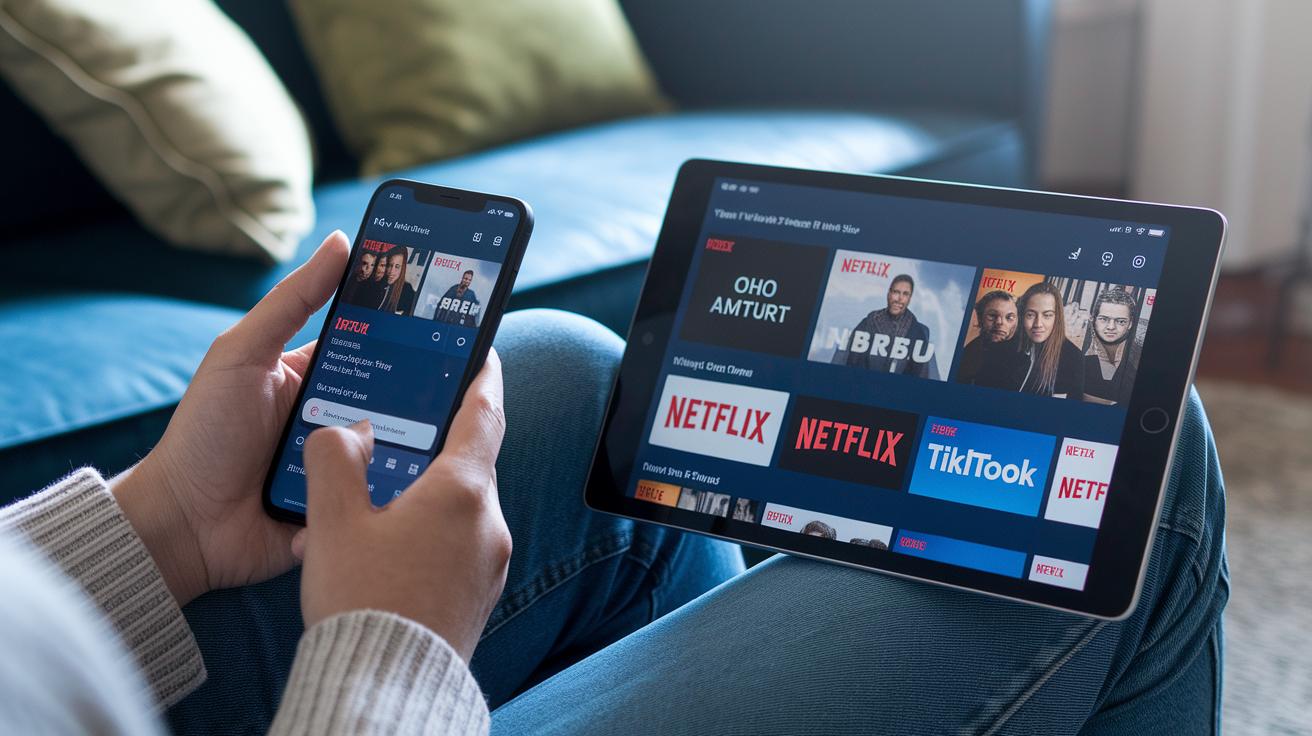
Today, personalized experiences are key to winning customers. Real-world case studies show us how top brands use smart segmentation and integrated marketing efforts to create a match that's hard to ignore. When a service feels custom-made, customer loyalty skyrockets. Think of it like reading a note that says, "This was built just for you."
Amazon Recommendation Engine
Amazon’s recommendation engine dives into what you do online, everything from clicks to searches, to suggest products that can boost sales by nearly 35%. It’s like getting advice from a buddy who truly knows your taste. When the suggestions match your recent searches or past buys, shopping stops feeling like a simple transaction and turns into a personalized journey.
Netflix Content Suggestions
Netflix has reshaped how we discover what to watch by leaning on smart algorithms. More than 80% of what we end up viewing comes from its tailored suggestions. Picture a movie buff quietly nudging you with the perfect show recommendation just when you need it. Every time you click, the platform hones your feed, making you feel understood and ready to explore more custom-made content.
TikTok For You Algorithm
TikTok’s For You feed taps into real-time data to handpick videos that snag your attention for about an hour each day. Imagine getting a personalized mixtape that changes with your mood, each scroll brings something fresh and exciting. This steady stream of spot-on content keeps viewers coming back for more, turning every visit into an interactive, personalized adventure.
Final Words
In the action, content personalization trends are shaking up marketing approaches. The post outlined how adaptive media advancements, AI-powered customization, and data strategies combine to shape personalized, cross-platform experiences.
These shifts drive real-time interface adjustments and actionable insights for a competitive edge. Brands are embracing ethical frameworks and smart data integration to boost consumer engagement. The buzz of innovative advertising strategies leaves us energized about the future of tailored marketing experiences.
FAQ
What are content personalization trends examples?
The content personalization trends include adaptive media, AI-powered customization, and real-time interface adjustments that create one-to-one experiences, leading to higher customer engagement and conversion.
What were the key content personalization trends in 2020, 2021, and 2022?
The trends advanced from basic customizations to sophisticated, data-driven methods, with demand growing significantly and improved consumer satisfaction emerging as a major focus during these years.
What insights does the McKinsey personalization Report offer?
The McKinsey personalization Report highlights that while many brands claim to offer tailored experiences, a sizable gap remains in customer satisfaction, urging businesses to refine their personalization strategies.
What are some personalized marketing examples?
Personalized marketing examples include targeted emails, custom recommendations, and dynamic content that shifts from general segmentation to individualized customer interactions, driving better engagement.
What are ecommerce personalization trends?
Ecommerce personalization trends involve syncing online and offline experiences, using real-time data for tailored shopping experiences, and boosting consumer spending through precise, adaptable marketing tactics.
What do personalization statistics reveal?
Personalization statistics reveal that a large majority of customers expect tailored experiences, with many willing to spend more when brands deliver relevant, engaging content, making it a key driver in modern strategies.