
Ever notice how some products create a buzz while others seem to fade into the background? Companies that really listen to customers turn daily feedback into smart, strategic moves. They mix surveys, click tracking (that’s watching where people click online), and genuine social chatter to uncover hidden needs and fine-tune details that matter. It’s like having a window into what customers really do and feel, guiding improvements that connect on a whole new level. Ready to see how these insights spark real success?
Driving Product Innovation with Consumer Insights

Consumer insights are more than just basic feedback, they dig deep into customer feelings and habits. They uncover trends, highlight pain points, and reveal needs that often go unnoticed. In simple terms, this is data-driven know-how that companies use to spark new ideas and improve products.
This information turns everyday feedback into smart, strategic advice. It shows which features customers love and pinpoints tiny areas that could use a boost. With this clear, focused intelligence, businesses make better decisions that refine products and keep users happy.
Surveys, analytics, and social listening are three key ways to gather this useful info. Imagine a survey packed with over 20 questions that really digs into customer opinions. One team even discovered that users longed for a friendlier interface before they revamped their product. Dashboards, on the other hand, capture live user actions, tracking clicks and scrolls to find any sticking points. Meanwhile, social media lets companies hear directly from customers as they share their experiences and ideas.
By weaving all these insights into the product development process, companies gain an edge in the market. When innovation is built on solid consumer feedback, product tweaks become more targeted, user-focused, and capable of solving real problems, making every new version a step forward in the competitive arena.
Consumer Insights Collection Techniques for Product Innovation

Smart product innovation starts with truly understanding your customers. It’s not enough to simply collect a bunch of numbers, you need to mix methods to catch every detail, from overarching trends to the little moments that explain why customers feel a certain way.
Imagine it like taking different photos of the same scene. Some techniques give you the entire landscape, while others zoom in on the details that bring the story to life. This blended approach means you don’t just have data, you have insights that spark real innovation.
Here are a few ways to get that full picture:
- Long-form surveys (more than 20 questions) let you dig deep into customer opinions and uncover underlying feelings.
- In-product feedback widgets grab spontaneous reactions right as users interact with the product.
- AI-driven synthesis tools (smart software that spots patterns) sift through large sets of data to reveal trends.
- Focus groups with 6 to 10 participants create a lively space for sharing ideas and sparking creativity.
- Ethnographic studies, where you observe behaviors for one to two weeks, capture natural actions in real-life settings.
Each method offers something unique. Long-form surveys peel back layers of thought, showing you what really drives choices. In-product feedback acts as a live pulse check, while AI tools help highlight patterns that might slip by unnoticed. Focus groups fuel creative energy through group dynamics, and ethnographic studies provide that authentic look at behavior in its natural environment.
By using this diverse mix, product teams can innovate with confidence, building on a well-rounded understanding of what customers truly need and expect.
Analyzing User Behavior Insights for Product Innovation

Session recordings and click-stream data offer a real view into how users interact with your product. They show where customers click, how far they scroll, and how long they focus on certain tasks. For example, a bunch of rapid clicks on a navigation menu might suggest that something is confusing or just not in the right spot. Similarly, scroll heatmaps can reveal whether users are really diving into the content or just breezing through it. These insights help pinpoint friction points that could harm the overall experience.
Mapping these data points along the customer journey uncovers even deeper insights into what users need. When you spot a sudden drop in engagement, it might be a sign of a missing feature or a design that’s not quite working. For instance, if session analysis shows users dropping off during checkout, it’s a clear signal to take a closer look at that step. Comparing click paths and the time spent on tasks with what users say they intended to do turns raw data into practical advice. This approach not only refines the product experience but also guides smart decisions to keep the product in tune with customer expectations.
Integrating Consumer Insights into the Product Innovation Process

Companies set their strategic direction by tapping into deep consumer insights and turning them into clear product decisions. Teams pore over customer feedback and data to figure out which features cause frustration and which ones hold real promise. They score each product element based on customer pain points and value, ensuring every update meets genuine user needs.
Collaboration across departments is key. When teams from innovation, marketing, IT, finance, and supply chain work together, barriers drop and decisions happen faster. Regular check-ins and shared dashboards mean everyone can spot and act on customer insights as a group. For example, one team noticed a spike in recurring interface issues and quickly fixed it after gathering ideas from different experts. This method not only refines today’s products but also paves the way for breakthrough innovations.
Defining an Insight-Driven Strategy
Scoring product features based on customer pain and market potential is a smart move. Take one study: 70% of users ran into a critical navigation flaw, which led to a rapid redesign. Each piece of feedback gets a score that reflects its impact on user satisfaction and overall market performance. This system helps teams zero in on the changes that will boost customer experience and drive growth.
Breaking Down Silos for Collaboration
Setting up routines like weekly review meetings and shared dashboards brings everyone together for joint problem-solving. Co-creation workshops mix diverse expertise and spark creative solutions that really hit the mark with customers. Plus, ongoing feedback loops after a product launch ensure the product stays aligned with evolving customer needs and market shifts.
Innovation Case Studies Leveraging Consumer Insights

Companies are finding big wins by really tuning into what their customers have to say. Listen close, as we break down these real-world shifts, you might see how simple feedback can power a complete transformation.
Take Company A for example. They rolled out quick in-product surveys, catching a recurring feature snag that was frustrating users. With a fast fix, they slashed customer churn by 15%. It’s proof that when you listen, even the smallest tweak can make a huge difference.
Then there’s Company B. They dove into social reviews to get a sense of customer sentiment (that means what people feel about their product). Their deep dive uncovered a missing feature, and they acted fast. The result was a 20% boost in their net promoter score, a clear win. It just goes to show that understanding the public’s pulse can steer your strategy to success.
In fact, these examples highlight the power of combining direct surveys with social sentiment analysis. Companies that act quickly based on what they hear not only improve customer satisfaction but also strengthen their market position. By keeping a constant loop of feedback, they refine their offerings and build a stronger bond with their audience.
Tools and Technologies for Consumer Insights in Product Innovation

Today’s digital tools are really changing the game for product teams trying to understand what consumers want. Companies can quickly sort through thousands of customer comments, picking out trends that spark new product ideas. Imagine an AI tool that catches recurring themes in feedback as easily as a chef slices veggies, fast, fresh, and reliable.
These tools range from detailed survey templates that capture user opinions to frameworks that test out product ideas even before a prototype is built. Some even help gauge how customers feel about pricing (price sensitivity shows how much people are willing to pay), fine-tuning competitive strategies in the process.
By using these innovations, teams can easily turn a mountain of raw data into clear, actionable insights. The blend of automation and precision not only makes analysis simpler but also fuels product tweaks that truly match user needs.
| Tool/Template | Purpose |
|---|---|
| AI Study Creator | Automates pattern recognition across feedback |
| Long-form Survey Template | Captures detailed user attitudes |
| Concept Test Framework | Validates product ideas pre-prototype |
| Van Westendorp Model | Assesses optimal price points |
Addressing Challenges in Applying Consumer Insights for Product Innovation
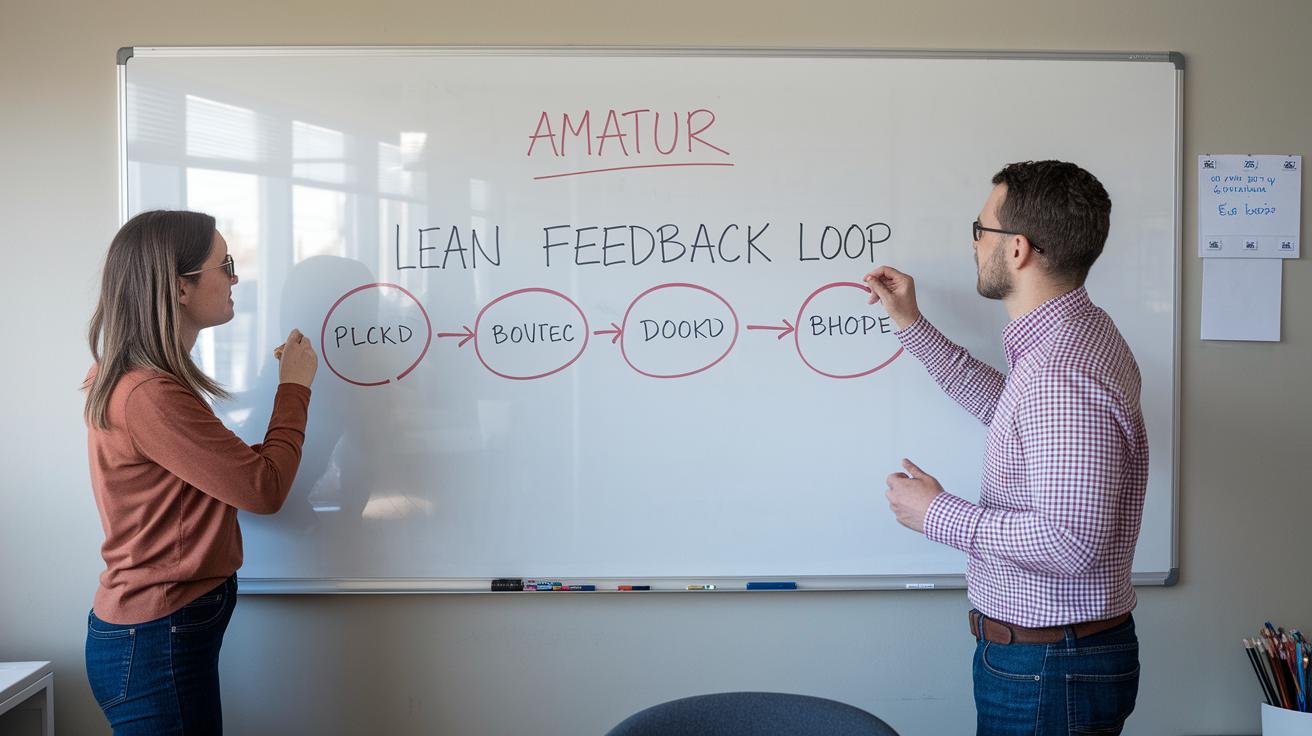
Organizations often face a flood of information and high costs when trying to harness customer insights. With so much data coming in, teams can feel swamped, and chasing after the perfect bit of feedback can slow everything down. It’s like trying to put together a puzzle when you’re given too many pieces at once.
A practical approach is to focus only on the data that truly matters and to work in regular, short cycles. Instead of waiting for perfect insights, companies can use lean feedback loops, small, simple gatherings of information that quickly spot problem areas. For example, rather than waiting for a big, heavy report, a team might set up a quick monthly meeting to discuss a few tweaks. This way, the focus shifts from endless data analysis to making nimble improvements, keeping product innovation lively and on track.
Final Words
In the action, this article highlighted how deep consumer insights for product innovation fuel real change. We broke down how the power of customer feedback and behavior data sparks new ideas and refines products. By using techniques like surveys, analytics, social listening, and practical tech tools, marketing teams can transform raw data into smart, actionable strategies. Embracing these methods not only powers creativity but also sets the stage for lasting, competitive success. Every insight is a step closer to more innovative products.
FAQ
Frequently Asked Questions
What are some consumer insights for product innovation examples, samples, or PDFs?
Consumer insights for product innovation include analyzed data from surveys, online reviews, and social media to spot trends and pain points, often presented in formats like PDFs or sample reports for practical use.
What frameworks guide customer insights for innovation in academic research?
Academic frameworks on customer insights combine analyzed feedback with market trends to build research agendas, frequently published via platforms like Google Scholar for further exploration.
How does generative AI influence innovation and marketing processes?
Generative AI impacts innovation by automating theme extraction and pattern recognition, enhancing marketing strategies with data-driven insights and saving time in research and development cycles.
What is a customer experience orientation conceptual model?
A customer experience orientation conceptual model maps how consumer touchpoints, feedback, and behavioral insights shape product improvements and marketing strategies, guiding businesses in better customer service.
What is a common method used to gather customer insights for innovation?
A common method for gathering customer insights is using long-form surveys with detailed questions designed to uncover unmet needs, alongside in-product feedback tools to get real-time input.
What is an example of a consumer insight?
An example of a consumer insight is realizing that users struggle with a specific app feature, prompting design tweaks to improve usability and satisfaction based on actual behavior.
What is consumer product innovation?
Consumer product innovation involves using detailed customer feedback and behavior data to enhance or create new products that resonate with market needs and improve user experience.
What is an insight in innovation?
In the innovation context, an insight is a clear, data-driven observation about consumer challenges and desires that drives effective product improvements and strategy shifts.