
Ever think that customer feedback might be the secret ingredient for true innovation? When you gather real opinions from social media, reviews, and surveys, you’re getting a peek into what your customers really feel and think.
Using these genuine insights can transform everyday interactions into smarter, more engaging experiences. Brands that listen can tweak their products and services to meet real needs, sparking creative changes that drive growth.
In short, blending solid data with the honest voices of customers sets the stage for fresh ideas and a more exciting journey for everyone.
Understanding Consumer Insights in Shaping Customer Experience

Consumer insights dig deep into what really drives customer behavior. Rather than just looking at simple numbers, this approach gathers feedback from over 30 different places, including social media, online reviews, and surveys. It helps uncover why customers feel a certain way, for example, a frustrated comment about a slow checkout might actually signal that pricing isn’t clear enough.
Unlike basic analytics that simply show what happened, consumer insights reveal the reasons behind those actions. Traditional market studies might focus on big trends, but they can miss those subtle clues that truly sway decisions. Imagine discovering from a brief survey that a small tweak in an interface can ease checkout hesitations. That blend of real-world feedback and solid data gives a richer picture.
New trends expected in 2025 underscore how vital these insights are. Simple behaviors like a moment of hesitation before making a purchase or a sudden click on a pricing page can flag deeper issues in the customer journey. With about 73 percent of buyers influenced by their overall experience, brands face a serious call to action. Poor customer experiences are estimated to cost companies billions each year. By weaving consumer insights into every part of their digital strategy, brands can create smoother and more engaging customer experiences.
Consumer insights and customer experience spark innovation

Deep, thoughtful data gathering is the backbone of creating smarter, personalized customer journeys. In today's rapidly shifting market, pulling in real-time feedback from many angles lights the path for fresh ideas in product and service design. Using a mix of research techniques gives a clear view into what your customers really think and need. For instance, a quick survey might spotlight a common issue, serving as a snapshot that can steer your next big move.
- Structured satisfaction surveys and feedback forms
- Online reviews and ratings
- Social listening on various platforms
- Website and app behavior analytics
- Customer focus groups
- One-on-one interviews
- Tracking user-generated content
- Community forums and passive data collection
Mixing demographic data with survey responses adds another layer of insight. By grouping customers according to age, location, or buying habits, companies can tailor messages that really hit home. Imagine planning a campaign like putting together your favorite playlist: you pick the best tracks (data points) that match your audience's vibe (demographics) and arrange them to keep listeners engaged. This method digs deeper into the reasons behind customer behaviors, offering both numbers and narratives that are crucial in today’s market research.
Quick, ongoing feedback loops keep insights fresh. Regular data trend checks, paired with fast survey feedback, let marketers try new ideas and adjust strategies on the fly. These cycles work like real-time quality checks, spotting small issues before they grow and allowing quick tweaks to keep the customer journey smooth. This lively process is key to refining services and sparking innovative solutions that align customer needs directly with business goals.
Leveraging Customer Journey Mapping with Consumer Insights

Mapping the customer journey gives you a clear blueprint of every interaction a customer has with your brand. It takes out the guesswork and shows how each touchpoint influences feelings and decisions. By laying out each step visually, teams can spot hidden gaps and bright opportunities that might otherwise slip by.
A big part of this is the Customer 360 view. Modern platforms now pull together details like product use, lifecycle stages, and key metrics into handy dashboards and reports (think of it as a real-time picture of your customer’s experience). Ever notice a hesitation before checkout or sudden, frustrated clicks on a page? That’s the kind of real feedback that helps marketers fine-tune real-time strategies and make improvements where they really count.
Ultimately, mapping isn’t just about collecting data, it's about turning it into smart, actionable moves. When teams use these insights to smooth out each touchpoint, they create personalized experiences that boost retention and drive more purchases. By tracking trends and key performance indicators, marketers can quickly spot shifting preferences and obstacles. In doing so, they create a roadmap for renewing interest, growing accounts, and upselling effectively. This thoughtful blend of data and insight helps brands stay connected, build lasting relationships, and achieve real business growth.
Enhancing Experiences Through Behavioral and Sentiment Analytics

Advanced analytics are changing how brands fine-tune the customer experience by blending hard data with real user behavior. It’s like having a secret helper that watches how people browse, interact on social media, and share survey thoughts. For example, if there’s a sudden burst of angry clicks on a pricing page, it might be the first sign of user frustration needing quick attention.
AI works hand in hand with predictive analytics to give us a deeper look into what users really feel and do. These smart tools dig through loads of data to pick up subtle signs, like hesitations at checkout or repeated clicks that show annoyance. Ever notice when shoppers abandon their carts? That could hint at a hiccup in the buying process. Spotting these trends means companies can adjust website layouts or tweak their messages to keep the journey smooth.
Sentiment analysis tools complete the story by tracking real-time emotional feedback. They keep an eye on reviews, social media chatter, and surveys to catch the mood behind every comment. When a new feature starts drawing a lot of negative vibes, teams can step in and make changes before it affects customer loyalty. This isn’t about quick fixes after a problem arises, it’s about constantly refining the experience to keep things engaging and comfortable for users.
Personalizing Digital Customer Experience with Data-Driven Insights

More than two-thirds of customers want experiences that feel tailor-made. Data helps brands flip ordinary interactions into smart, targeted moments without reusing old ideas. Imagine an onboarding system that takes a bunch of data and turns it into real-time, automated tweaks. That fresh, on-the-fly upgrade really makes a difference.
Think about a quick, four-week onboarding journey that turns detailed customer info into clear, action-driven steps. For instance, within just a month, everyday browsing habits can spark a chain of automated messages offering the right product at just the right time. It’s like listening to your favorite playlist where each track looks perfectly chosen to match your mood.
These smooth data-to-action methods do more than just streamline your process, they boost customer loyalty and retention. When brands craft every interaction as a smart, efficient moment, customers feel seen and valued. That feeling of being truly recognized builds a stronger, more lasting connection over time.
Key Metrics for Measuring Consumer Insights Impact on Customer Experience
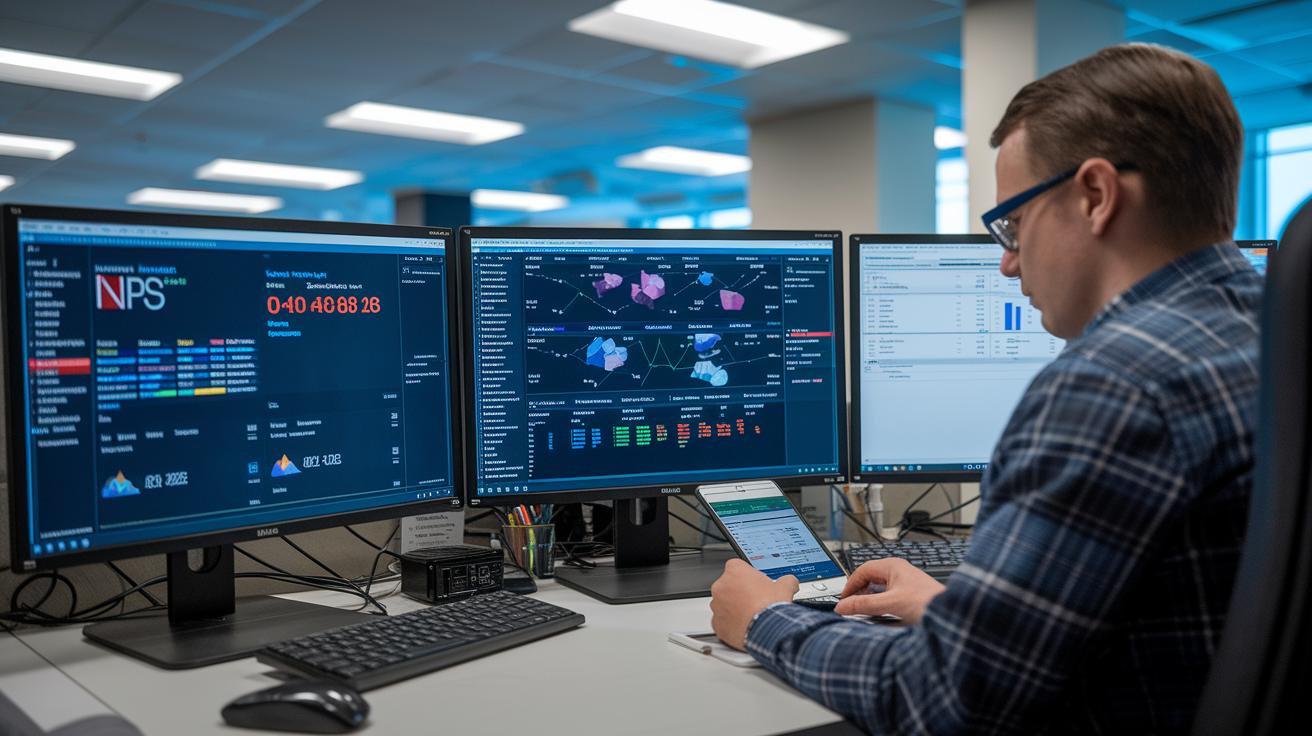
To really nail your customer experience, it's vital to track key metrics based on genuine consumer insights. For example, metrics like Net Promoter Score (NPS, which shows customer loyalty) and Customer Satisfaction (CSAT, a quick look at how happy customers are after an interaction) give you honest feedback on overall satisfaction. Tracking churn rate points out where you might be losing customers, while renewal and upsell rates shine a light on growth opportunities. In short, keeping an eye on these numbers helps you see how well your services match what customers expect. Plus, running regular surveys and quality checks makes those insights even clearer.
| Metric | Description |
|---|---|
| Net Promoter Score (NPS) | Measures customer loyalty and advocacy |
| Customer Satisfaction (CSAT) | Assesses satisfaction post-interaction |
| Churn Rate | Tracks customers lost over time |
| Renewal/Upsell Rate | Indicates opportunities for growth |
Modern dashboards let you view key data in real time. You can watch product adoption and customer health (basically, how engaged your customers are) as it happens. On top of that, regular surveys give teams the chance to fine-tune experiences and quickly fix any issues. In fact, routinely digging into these numbers sets up a cycle of smart adjustments that keep your service top-notch. When marketers use these insights well, they spot trends faster, understand user behavior better, and polish the customer journey. All of this plays a crucial role in keeping customers around.
Final Words
In the action, this article laid out practical ways to connect data, surveys, journey mapping, and digital tweaks that help shape clear strategies. We broke down solid research methods, online reviews, and behavioral cues that drive effective marketing decisions. Each section offered practical steps to measure impact and improve key touchpoints. Using consumer insights and customer experience as guiding lights, businesses can boost engagement and move forward with confidence. Positive changes are just around the corner.
FAQ
What are some consumer insights and customer experience examples?
The consumer insights and customer experience examples include analyzing real-time feedback from surveys, online reviews, and social media, along with mapping customer journeys to pinpoint friction points and drive targeted improvements.
Why is customer experience important and what are its benefits?
The importance and benefits of customer experience lie in building loyalty, boosting conversions, and strengthening brand reputation by delivering seamless and satisfying interactions that drive repeat business and positive word of mouth.
What are 5 ways to improve customer experience?
The 5 ways to improve customer experience include mapping the customer journey, leveraging deep consumer insights, optimizing digital touchpoints, integrating continuous feedback loops, and personalizing interactions to meet individual needs.
What insights does the PwC future of customer experience survey reveal?
The PwC survey reveals that evolving customer expectations push brands to invest in digital innovations, advanced analytics, and personalized strategies, all aimed at enhancing loyalty and fueling growth.
What is customer experience?
The customer experience refers to the total set of interactions between a customer and a brand across all touchpoints, shaping overall satisfaction and influencing decision-making through quality engagement.
What is the difference between customer experience and customer insight?
The difference is that customer experience covers every interaction a customer has with a brand, while customer insight digs deeper into understanding the behaviors and motivations behind those interactions using data analysis.
What are consumer insights?
Consumer insights are deep, data-driven understandings of customers’ behaviors, needs, and motivations gathered from channels like surveys, reviews, and social media, which guide effective strategy adjustments.
What are the 4 P’s of customer experience?
The 4 P’s of customer experience include product quality, process simplicity, people interactions, and the physical environment—all key factors that shape how customers perceive and interact with a brand.
What are the 3 E’s of customer experience?
The 3 E’s of customer experience encompass ease in navigation, emotional connection through personalized interactions, and active engagement that collectively foster loyalty and satisfaction.