
Ever wonder how a tiny tweak in shopping habits can totally flip your marketing results? Feedback from over 700 shoppers shows that today’s buyers crave quick answers, keep a sharp eye on their budget, and even lean towards eco-friendly choices. Think of it like adjusting your radio, just one small turn can clear up the whole signal. Brands are catching on fast, blending speedy offers with a genuinely personal touch. In this chat, we dive into how aligning with these simple consumer habits can boost your results and build lasting trust with your audience.
How consumer behavior marketing trends Shape Today’s Marketing Strategies

Recent insights from over 700 shoppers show our marketplace is shifting fast. Today’s consumers decide quicker and expect results instantly. Social commerce is heating up on platforms like TikTok and other fresh channels, painting a picture of both golden opportunities and new challenges for marketers. Many consumers are now shopping with their budgets in mind, 55% are spending more cautiously, while a whopping 80% are open to paying a tad extra for eco-friendly options.
Economic shifts are also stirring the pot. Almost half (47%) of consumers are bracing for a potential recession in 2025. All this buzz rides on a massive $16.1 trillion spending power, pushing brands to mix rapid discounts with personalized experiences backed by solid data. Marketers need to sync with these modern shopping habits not just to drive quick sales but to win long-term trust.
- Quick results expectation – Imagine launching a flash sale where discounts pop up instantly, sparking immediate excitement.
- Diverse payment methods – Consider adding options like Venmo or CashApp, letting buyers choose what suits their lifestyle best.
- Sustainability emphasis – Picture showcasing eco-friendly production methods, giving consumers a green choice that makes them feel great.
- Resilience of subscription models – Think about ramping up subscription offers for entertainment, like keeping a beloved TV show on repeat.
- Personalization via first-party data – Envision crafting campaigns that feel as personal as your favorite custom playlist.
In essence, tying these trends to actionable strategies means embracing nimble, data-driven tactics that speak directly to today’s fast-paced, choice-rich market.
Data-Driven Behavior Study in consumer behavior marketing trends

Marketers are diving into data to really understand why people buy and how to make their strategies sharper. In today’s fast-moving digital world, figuring out what sparks a purchase is more important than ever, blending the efficiency of tech with the warmth of personal touch.
When brands use first-party data to personalize their offers, they see a 2%–5% boost in conversion rates and win over 68% of consumers with increased loyalty. It’s like having a playlist that just gets you, each offer feels custom-made. These data insights give marketers a clear, real-time look at consumer actions, helping them design campaigns that speak directly to each individual’s habits.
Data privacy is still a major concern. In fact, 75% of consumers see it as a basic right. This means marketers must be smart about gathering insights without crossing personal boundaries.
AI is shaking things up too. While some folks (about 17%) really don’t trust AI, and another 16% are a bit wary, many businesses are still jumping on the direct-to-consumer train, 85% in fact. This mix of tech smarts and human judgment is key when capturing the fast-changing trends of the market.
Digital Purchase Patterns within consumer behavior marketing trends
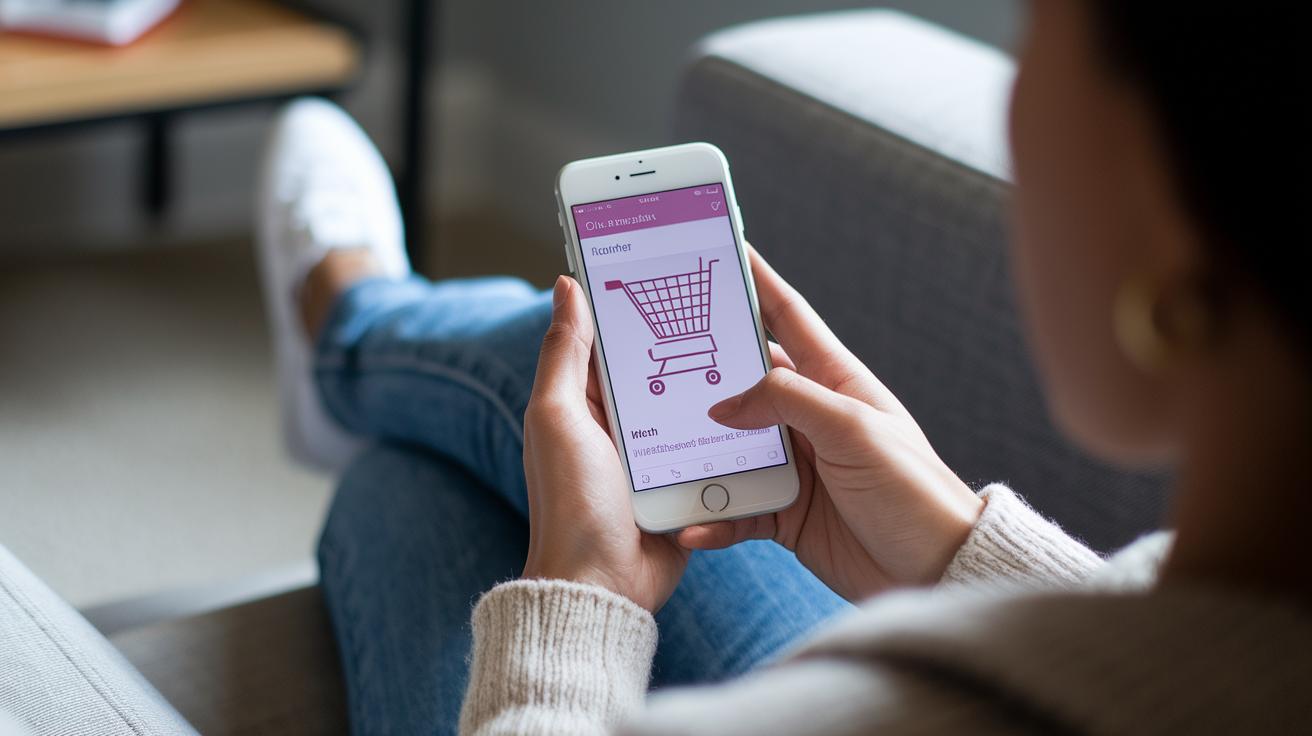
Mobile commerce now takes the wheel for online shopping, even for those big purchases. Consumers are leaving desktops behind for smartphones and tablets, making shopping more spontaneous and flexible. This shift is pushing brands to fine-tune their platforms so you can shop on the go, anytime, anywhere.
Social commerce is buzzing on platforms like TikTok, BeReal, and Twitch. Shoppers are hooked by real-time, engaging content that makes them pause and check out new products immediately. And with creative videos and live streams drawing in buyers, brands are using these moments to connect in a real, authentic way. When it comes to paying, convenience rules the day with options like Venmo, CashApp, Zelle, and even cryptocurrency, each adding a fresh twist to the buying process.
The expectation for a seamless omnichannel experience is higher than ever. About 75% of consumers now expect the same ease in a physical store as they get online. This means brands have to work hard to blend digital interfaces with brick-and-mortar experiences, keeping the journey smooth and personalized at every step. By mixing smart mobile setups, interactive social commerce, and flexible payment methods, retailers create a shopping vibe that's unified and totally customer-focused. These trends aren’t just meeting expectations, they’re setting the stage for ongoing engagement and future growth.
Shopper Psychology Research Guiding consumer behavior marketing trends

Today, shoppers are steered by genuine emotions and real connections. Their choices come from honest interactions and messages that truly resonate. It’s like having a friendly chat instead of watching a stiff ad. Picture a brand that reveals its behind-the-scenes story, making you feel as if you’re catching up with an old friend.
Roughly two out of three buyers prefer down-to-earth content over perfectly polished ads. Meanwhile, opinions on social issues differ, 43% of consumers feel that brands should remain neutral, while 36% believe they ought to speak up. This split tells us that people really value sincerity and expect transparency from the brands they support. A campaign that openly and vulnerably addresses social topics can strike just the right chord.
Emotions make a big impact. For example, 80% of consumers are willing to pay a little extra, up to 5% more, for eco-friendly products. And subscription services are gaining ground, with beauty products up 15%, food services by 10%, and health offerings by 6%. These trends show that when brands commit to ethical practices and offer smooth, hassle-free experiences, they not only engage their audience better but also build lasting loyalty.
Behavioral Segmentation and Targeted Client Segmentation in consumer behavior marketing trends

Breaking your audience into clear groups helps marketers zero in on distinct needs. When you slice a broad customer base into smaller, targeted segments, it’s easier to speak directly to each group in a way that truly resonates. This method not only ramps up your campaign’s performance but also gives you a sharp edge over competitors.
We sort consumers into five main groups. For instance, eco-friendly shoppers love products with a green twist and expect brands to show real care for the environment. Then there are deal hunters who keep a close eye on spending and value, along with those who trust recommendations from well-known voices. Another group is very protective about how their data is handled, they need clear, honest communication. Lastly, a segment that isn’t ready to rely on technology alone prefers a fresh human touch mixed in with digital processes.
These distinct groups help marketers decide the best approach for each one. Take eco-conscious buyers, for example, a campaign for them might kick off with a striking eco fact, such as how companies innovating with green products have built strong loyalty among people who deeply care about the planet. Meanwhile, budget-minded consumers might respond best to messages focusing on cost-saving deals without sacrificing quality. Similarly, when targeting influencers or privacy-focused clients, you need to blend authentic storytelling with clear reassurance, all while balancing tech with a genuine human feel.
This unique segmentation model uncovers trends that are easy to act on. Each group points to straightforward strategies, from crafting tailored messages and choosing the right channels to designing content that speaks directly to their concerns, making your marketing plan both smart and effective.
Forecasting Techniques in consumer behavior marketing trends

Forecasting techniques have become a must-have in today’s unpredictable market. Almost half (47%) of consumers are getting ready for a possible recession in 2025, and about a third (33%) are anxious about rising inflation. This data tells us that shoppers are shifting to value-based choices, for example, many prefer to hold on to their film and TV subscriptions even when budgets tighten. Marketers now need to tap into these insights to predict spending shifts and adjust their strategies in a fast-moving landscape.
To navigate this terrain, marketers lean on methods like digging into past spending data, tracking consumer feelings, and using predictive analytics (fancy talk for using data to forecast future trends). If nearly half of the buyers continue with their subscriptions during tough times, it’s a clear sign that these services hold real value. By blending solid numbers with up-to-the-minute market reactions, brands can quickly adapt their offers and messaging. This smart, flexible approach not only sheds light on changing spending habits but also keeps companies ahead in competitive, ever-evolving markets.
Final Words
In the action, this article showcased how survey stats, buyer insights, and shifting digital habits shape marketing strategies today. We examined consumer behavior marketing trends with real numbers that steer smart decisions in an ever-changing market.
• Quick results expectation
• Diverse payment methods
• Sustainability emphasis
• Resilience of subscription models
• Personalization via first-party data
These drivers keep strategies fresh and practical, empowering brands to adjust tactics and spark innovative campaigns for a bright and dynamic future.
FAQ
What are the recent trends in consumer behavior?
The recent trends in consumer behavior show an increase in digital shopping via social platforms like TikTok, a shift toward budget-friendly online purchases, and more consumers willing to pay a little extra for sustainable options.
What are the 10 trends in consumer behavior?
The 10 trends in consumer behavior include mobile commerce growth, social media shopping cues, a mix of new payment choices, sustainable purchasing patterns, budget awareness, and a clear demand for personalized experiences.
What are some examples of consumer trends?
Examples of consumer trends include the rise of mobile and social commerce, shifts toward eco-friendly products, diversified payment options such as crypto and digital wallets, and increased preference for fast, personalized service.
What consumer trends are predicted for 2025, including Gen Z insights?
The consumer trends projected for 2025 feature Gen Z’s push for authentic online experiences, a focus on sustainability, wider adoption of varied payment methods, and a continued drive toward personalized, home-centric shopping.
What do consumer behavior statistics reveal about spending trends?
Consumer behavior statistics reveal that many shoppers are shifting online with tighter budgets, while a large portion is ready to pay extra for eco-friendly products, reflecting substantial changes in digital shopping habits.
How does the McKinsey consumer trends report shape predictions for 2025?
The McKinsey report points to a future with greater digital purchasing, new payment options gaining traction, and an emphasis on sustainability and personalization that will influence marketing and product strategies toward 2025.
What do current trends in consumer behavior research show?
Current research on consumer behavior highlights a demand for quick results, multiple payment options, home-centric lifestyles, and tailored experiences, all of which provide clear guidance for future digital marketing tactics.