Have you ever stopped to think why some products grab your attention while others just pass you by? Consumer behavior isn’t just about buying and selling. It shows us our true habits, feelings, and what influences us every day.
When companies take the time to really understand these actions, they build strategies that speak directly to our hearts and our wallets. It’s a bit like mixing the perfect recipe, each ingredient is a little nudge from a customer’s impulse.
Our article explains how tuning into these signals can help shape offers and messages that feel like they were made just for you.
Core Consumer Behavior Insights: Patterns, Motivations, and Drivers

These insights help us understand how people decide to buy things by looking at what customers actually do. Businesses use this information to adjust their products, offers, and messages so they can better meet customer needs. For example, if you spot a surge in online shopping during a major holiday, you might decide to boost your promotions right then and there.
Consumer behavior is influenced by four key factors: cultural (the shared traditions that shape our choices), social (the impact of friends and community), personal (individual circumstances like income or lifestyle), and psychological (the emotions and attitudes that drive us). Imagine picking your favorite meal; cultural cues set the table, social influences create the mood, your own tastes decide on the dish, and your feelings add that special flavor. Fun fact: Many customers stick with a brand simply because it fits well with their personal identity, even when similar alternatives are available.
Combining hard data with genuine customer stories creates insights you can actually use. Numbers like total spending and which channels are used give you a quick snapshot of customer activity, while softer details, like how loyal customers feel about a brand, explain the "why" behind the figures. It’s like a chef tasting both the ingredients and spices before finalizing a recipe, this blend of hard stats and customer experience turns insights into clear, actionable steps.
Consumer Behavior Insights in the Decision-Making Process
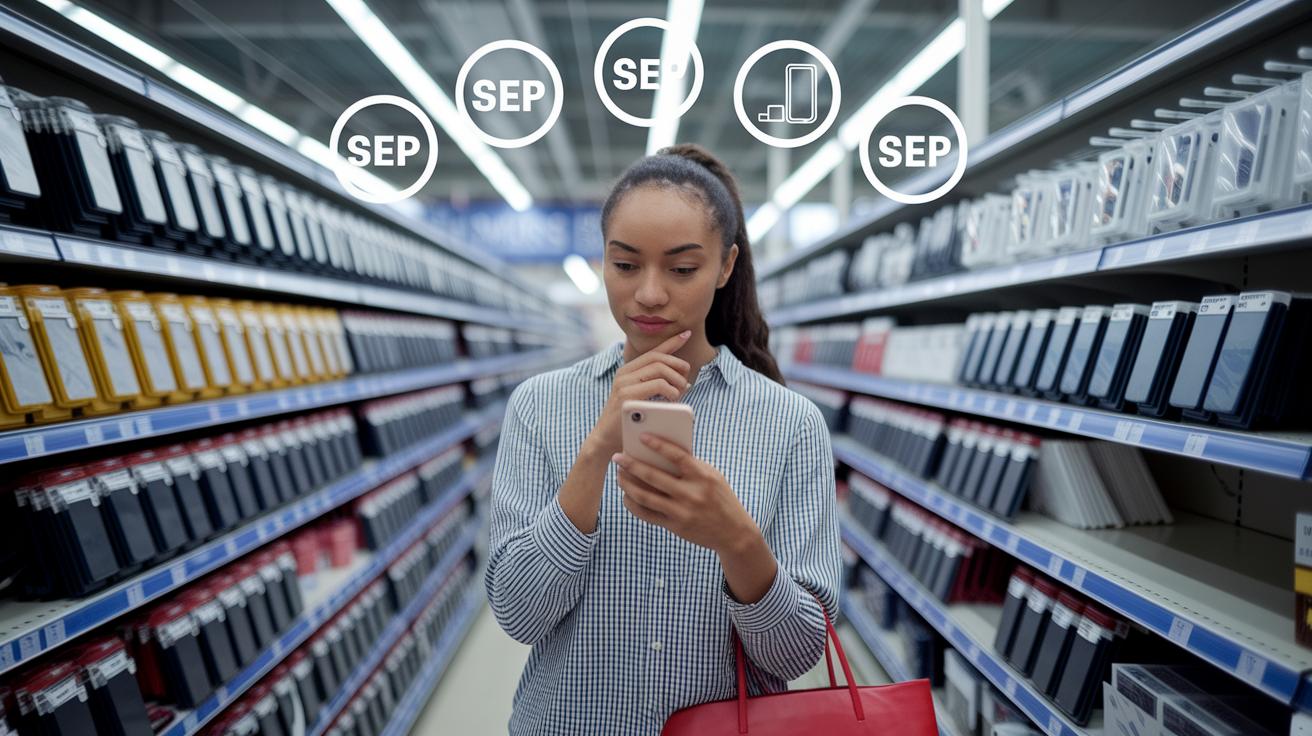
Consumers usually go through five clear steps when buying something. First, they notice a need, like realizing their smartphone is tired. Next, they start looking up options or chat with friends about what might work. Then comes the weighing phase, where they line up features, prices, and overall value until a decision is made. Finally, after the purchase, they check if it was the right call and might even share their thoughts. Marketers use this whole process to know when to send a timely, targeted message.
At each step, practical details and gut feelings combine to shape the final choice. Shoppers look at things like cost and functionality, yet they also rely on a warm, positive vibe from a brand or a good word from someone they trust. Sometimes, biases creep in, like favoring info that backs up what they already believe or getting drawn by the buzz of a limited-edition release. By blending these clear, logical points with a bit of emotion, marketers can create campaigns that resonate deeply, speaking to both the head and the heart.
Segmenting Shoppers with Consumer Behavior Insights

Segmenting shoppers gives you a real edge when crafting campaigns that speak directly to each group’s needs. By grouping audiences by age, income, values, lifestyle, and cultural influences, brands can fine-tune their messages and offers like mixing tracks into a perfect playlist, each one set to match a particular mood or moment.
| Type | Definition | Example |
|---|---|---|
| Limited decision-making | Quick picks from a short list of options | Choosing your regular brand of bottled water during a short stop |
| Complex decision-making | Research-driven decisions for big-ticket items | Comparing several car models before making a purchase |
| Variety-seeking behavior | Regularly switching choices even when prices are low | Trying out different flavors of a snack pack every few times |
| Habitual buying | Sticking to the same purchases out of routine | Always buying the same detergent without much thought |
Mixing hard data like spending levels and channel usage with insights into shopper motivations creates smart, actionable intel. By comparing solid numbers with real-life clues, marketers can shape campaigns that truly mirror shopper behavior. This approach not only boosts relevance but also makes your campaigns feel naturally in tune with what your customers want.
Digital and Analytics-Driven Consumer Behavior Insights

Digital footprints have been around since Sting’s “10 Summoner’s Tales” CD went on sale online in 1994. That moment kick-started the journey toward today’s slick data analysis. Today, big data drives innovations with machine learning (computers that learn like humans) and AI-powered recommendation engines capturing every click. It’s a whole new way of turning raw data into clear insights. Picture this: a marketer notices a pattern in a user’s browsing and thinks, “Why not show them something unexpected?” That real-time tweak changes the way businesses look at each interaction.
These smart insights are reshaping marketing with spot-on personalization and predictive models. Brands now tap into digital buyer journeys to guess what shoppers might need, often before they even say a word. For example, imagine a retailer seeing that users checking out certain features are likely to buy, and then sending them a tailored offer just right on time. In fact, Amazon’s AI-driven suggestions now add over 35% to its revenue by making every shopper feel like the offer was made just for them. By blending hard data with customers’ feelings, companies can fine-tune their messages and create shopping experiences that really hit home.
Consumer Behavior Insights in Action: Case Studies
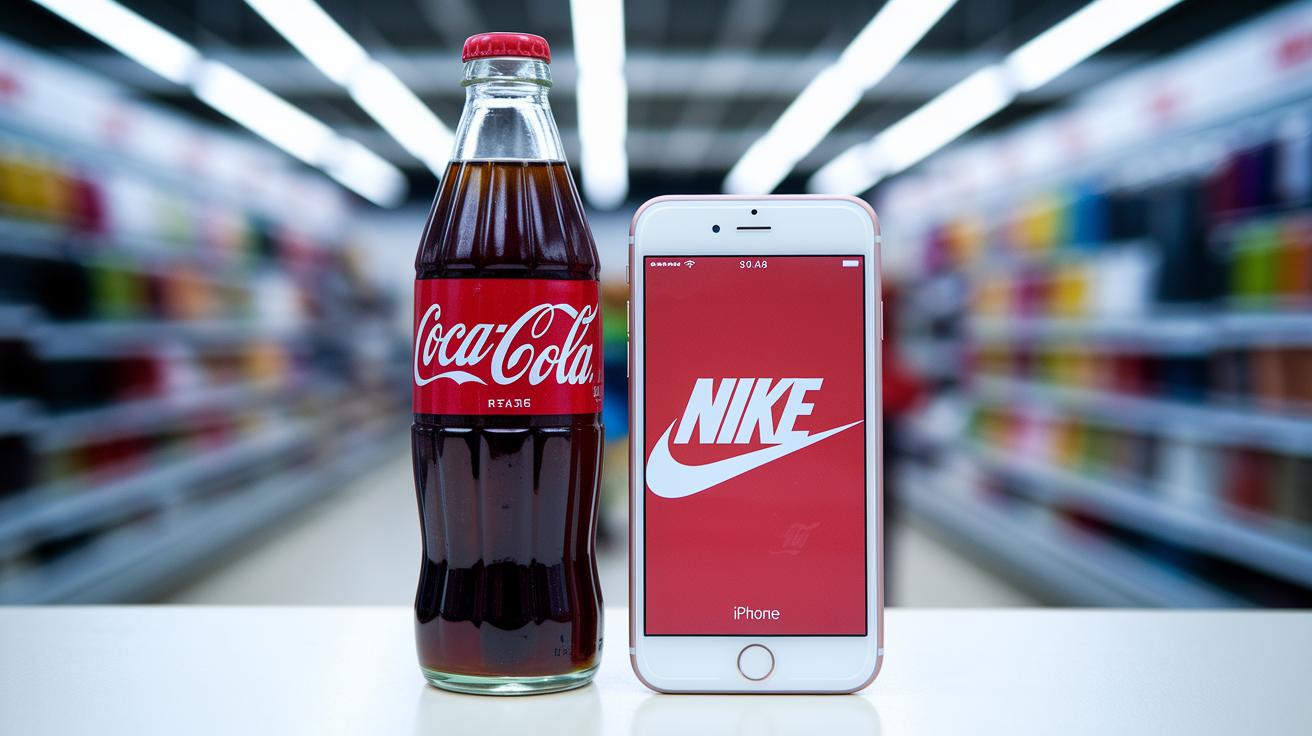
Top brands are using deep insights into consumer behavior to achieve remarkable results. They dive into what makes customers tick and craft campaigns that feel personal and drive solid revenue gains. Check out how a few well-known names made it happen:
-
Coca-Cola launched its Share a Coke campaign by printing individual names on bottles. Imagine grabbing a bottle with your name on it and feeling that instant connection. This clever idea lifted U.S. sales by 2% after years of decline.
-
Nike shifted its focus to a digital approach, enhancing its app and online presence. By studying how shoppers interact with digital content (think of it as the buzz of a trending campaign), Nike boosted its direct-to-consumer sales by 82%.
-
Tesla leaned on word-of-mouth and community advocacy. They showed how recommendations from friends and social media chatter can move the needle, with 82% of sales driven by community endorsements.
-
Amazon uses a smart AI recommendation engine to predict customer needs. These tailored suggestions mean over 35% of their total revenue comes from personalized shopping tips.
Ethical and Privacy Considerations for Consumer Behavior Insights

Privacy rules like GDPR (General Data Protection Regulation) and CCPA (California Consumer Privacy Act) set the stage for how companies gather and handle consumer data. Marketers need to be super clear when collecting behavior info, letting customers easily opt in or out. For instance, imagine a checkout page that says, "Your data is yours: decide what you share." This friendly, upfront approach not only checks off legal boxes but also puts shoppers at ease, knowing their details are safe and managed with care.
Ethical marketing isn’t just about data, it’s about keeping things sustainable, too. Brands that are transparent about how they use data often promote eco-friendly shopping by laying out their policies in plain language. Picture a note on a website proclaiming, "We care about your privacy and our planet." Simple messages like this forge trust and loyal bonds with customers, turning ethical practices into a real competitive advantage.
Applying Consumer Behavior Insights to Marketing Strategy

When kicking off a new campaign, marketers start by asking clear questions to pinpoint exactly what customers need. They gather quality data from different sources and, with a solid analytical team, sort customers into groups based on demographics and behavior. It's like organizing your playlist so every track hits the right note. Then, they use predictive models (tools that forecast future actions based on past behavior) to see what comes next. And yes, A/B testing, trying two versions to see which works best, keeps the approach flexible and data-focused.
Next, it's all about keeping your finger on the pulse. Marketers watch how audiences react and engage across multiple channels, refining their campaigns on the fly. They also measure the success of loyalty programs using ongoing metrics, tweaking offers to boost satisfaction and build repeat interest. Think of it as a continuous experiment where each test makes your strategy sharper and more responsive.
Regular reviews and adjustments mean the campaign evolves along with customer expectations, paving the way for long-term, profitable relationships. By tracking performance closely, marketers not only meet today's market needs but also set up a foundation for future success, constantly driving improvements that keep campaigns fresh and effective.
Final Words
in the action, we explored how consumer behavior insights guide smart marketing moves, from understanding culture to mapping digital trails. Our article broke down key decision stages, smart segmentation, and ethical practices that keep brands on track. We saw real case studies and discussed how data meets human touch in each strategy. This blend of clear analysis and relatable examples offers a fresh look at consumer behavior insights and sets the stage for exciting, informed marketing tactics ahead.
FAQ
What are consumer behavior insights?
The consumer behavior insights refer to patterns and motivations behind purchase decisions. They help brands understand cultural, social, personal, and psychological influences to create messaging and products that truly resonate with shoppers.
What is an example of a consumer insight?
The consumer insight example could be noticing that customers are drawn to weekend promotions, indicating price sensitivity and timing preferences. This observation guides promotions and pricing strategies to meet customer needs.
How are consumer behavior trends evolving from 2021 to 2025?
The consumer behavior trends show a shift toward digital engagement and personalized shopping. Insights from 2021 fuel predictions for 2025, helping marketers adjust strategies to match changing habits and customer expectations.
What are the 4 C’s and 4 P’s in consumer behavior analysis?
The 4 C’s highlight consumer wants, cost, convenience, and communication, while the 4 P’s focus on product, price, promotion, and place. Both frameworks help marketers shape effective strategies tailored to consumer needs.
Which companies are recognized for their consumer insights research?
The consumer insights research is provided by firms like GfK, Nielsen Holdings, NielsenIQ, Mintel, Kantar Group, and IPSOS. Their data supports brands in understanding market behavior and developing sharp, customer-driven tactics.