
Ever notice how some digital ads feel like they're speaking directly to you? Marketers split their large audience into smaller groups so each message fits just right. They look at factors like age, online habits, and lifestyle to create campaigns that resonate on a personal level. In this post, we’ll chat about how smart audience splits can boost your engagement and drive better campaign results, setting the stage for real, targeted success.
Understanding audience segmentation strategies for targeted marketing
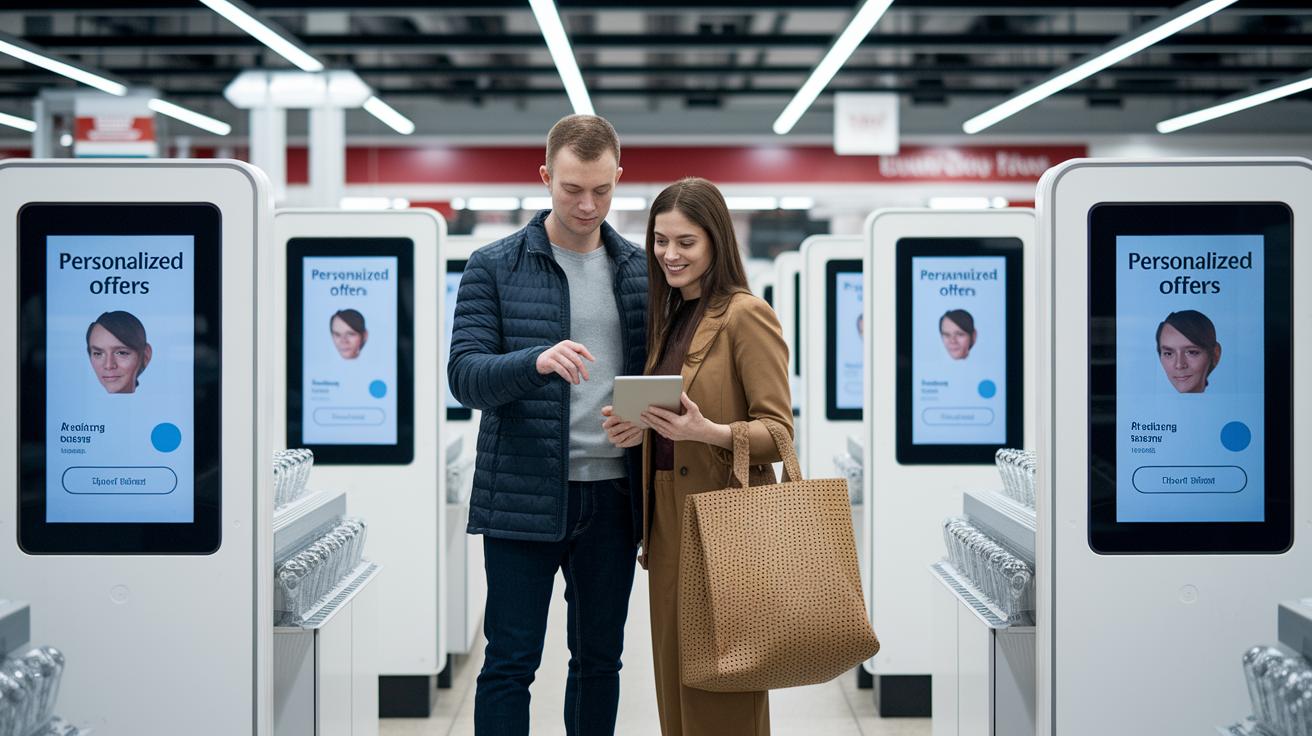
Audience segmentation breaks a big customer base into smaller, focused groups using things like age, gender, income, or even how they interact online. It also looks at interests, lifestyles, where customers live, tech habits, transaction history, and even predictive behavior (a guess at what they might do next). This strategy moves away from one-size-fits-all methods. Think of a retail store that tweaks its messages based on your age and buying trends – like getting product suggestions that feel made just for you!
Tailored messages hit the mark by letting each group know they’re seen and heard. When a campaign speaks directly to a group's unique traits, people are more likely to engage. Imagine a snack brand dialing up a fun reminder during your mid-afternoon slump. That personal touch can really drive up engagement and boost campaign success!
Segmenting audiences works hand in hand with inbound marketing, too. By breaking audiences down, you can share content that fits each group perfectly instead of sending out generic ads. This approach not only builds trust but also drives natural, organic engagement by meeting customers exactly where they are.
audience segmentation strategies Spark Targeted Success

Marketers now have a buffet of segmentation methods that let them craft messages as unique as each customer. It’s like chatting over coffee and knowing exactly what conversation to have with every friend. With a mix of segmentation techniques, from tracking behavior patterns to diving into demographics, brands can design messages that truly hit home.
Demographic segmentation
This style uses everyday info like age, gender, income, and more to tailor each message. Think of it this way: a brand might say, "Our collection is perfect for young professionals starting out," which directly appeals to that crowd.
Behavioral segmentation
Here, the focus is on how customers interact with products or their online journeys. For instance, after spotting frequent site visits, a brand might send a special offer, showing that real-time behavior shapes smart messaging.
Psychographic segmentation
This method digs into personality traits, values, and interests to echo the customer’s lifestyle. Imagine a campaign urging you to "Embrace your adventurous spirit with our outdoor gear", it’s all about matching the vibe of the audience.
Technographic segmentation
By grouping customers based on the gadgets they use and their tech preferences, this tactic nails communications to the digital natives. Picture a message that reads, "For the avid smartphone user who loves the latest apps," connecting perfectly with that tech-savvy group.
Transactional segmentation
Built on past buying patterns, this approach looks at how often and how much someone purchases. It helps brands say things like, "Thank you for being a loyal customer, with a special offer just for you," which makes customers feel truly noticed.
Contextual segmentation
This strategy leverages real-time details such as location, weather, or even time of day. A timely campaign might note, "Beat the heat with our summer sale," perfectly matching the offer to the moment.
Lifecycle segmentation
Messages here are tuned to where a customer is on their journey, whether they’re just learning about a brand or have been loyal forever. An example might be, "Explore our beginner’s guide to get started," which warmly welcomes new customers.
Predictive segmentation
This clever method uses past data and trends (sometimes with machine learning help) to guess what customers might need next. It could prompt a message like, "Get ready for what’s next, products curated just for you," setting the stage for future success.
Firmographic segmentation
Ideal for business-to-business scenarios, this type groups business customers by things like industry or company size. This allows marketers to say, "Scale your business with solutions designed for enterprises," speaking directly to the business world.
Steps to create a robust audience segmentation strategy

-
Goal setting
Start by setting clear SMART goals (that means specific, measurable, achievable, relevant, and time-bound targets). Think of it as drawing a roadmap before your adventure begins. These goals give you a clear direction and set up benchmarks so you can see your progress along the way. -
Data collection
Dig into your audience data using tools like analytics, customer surveys, and journey maps. This isn’t just about numbers; it’s about really understanding your customers – their website clicks, buying habits, and feedback. It’s like piecing together a puzzle that shows you exactly what your audience is doing and saying. -
Criteria selection
Pick the right criteria for splitting up your data. Whether you’re looking at behavior, location, or something else, narrow it down to the points that really matter for your campaign. It’s like preparing a recipe – you only add the ingredients that bring out the best in your marketing dish. -
Segment creation
With your criteria in place, create distinct segments in your marketing tools. Group your audience based on their traits and interests, then tailor your message for each group. This step is all about crafting a personal approach for people who share similar needs and behaviors. -
Campaign rollout
Finally, launch your campaigns and keep a close eye on key metrics like click-through and conversion rates. Monitor these results as if you're tuning a guitar; each small adjustment can bring you closer to a perfect harmony. This feedback loop lets you tweak your strategy and keep improving over time.
Tools and platforms for audience segmentation strategies

Businesses that want to sharpen their approach to audience segmentation have a lot of handy tools to consider. Imagine chatting over coffee about the buzz of a freshly launched campaign, tools like Google Analytics 4 let you dig deep with event-based segmentation (building groups from specific user actions). Then there's Twilio Segment, which ties together customer details from different channels, making it easier to target your audience with consistent messages.
Other tools add their own flavor to the mix. Meltwater, for instance, delivers up-to-the-minute consumer insights and social listening metrics, so you can adjust your campaign on the fly. And if data privacy is top of mind for you, Matomo provides a privacy-first, open-source solution that still packs a punch with its robust segmentation features.
| Tool | Key Features |
|---|---|
| GA4 | Event-based segmentation, audience builder, detailed user properties |
| Twilio Segment | Unified customer data, multi-channel integration, scalable targeting |
| Meltwater | Real-time insights, social listening, trend analysis |
| Matomo | Privacy-first analytics, open-source, customizable segmentation |
When you pick a platform, think twice about your specific data needs and privacy concerns. Some platforms excel at digging into user behaviors, while others offer seamless, real-time integration and trend spotting. Matching the tool to your segmentation goals can help you create smarter, data-driven strategies that really boost your marketing campaigns.
Measuring and refining audience segmentation strategies

- Click rates for each segment
- Conversion rates
- Average order value
- Engagement metrics
Keeping an eye on these numbers lets you see which segments are really clicking with your message. Sometimes, duplicate data or outdated numbers can throw a wrench in the works. Taking a moment to clean up your data sharpens your campaign and stops your messages from overlapping.
Next, think about scheduling quarterly check-ins to update your segments so they match the latest consumer behavior and trends. This makes it easy to adjust your strategy as fresh data rolls in, kind of like fine-tuning your favorite playlist as new tracks drop.
And don’t forget, sticking to privacy rules like GDPR (General Data Protection Regulation) and CCPA (California Consumer Privacy Act) keeps your efforts both smart and responsible. Regular reviews give you dependable insights to make your marketing game as sharp as ever.
Audience segmentation strategies in action: real-world examples

A fitness apparel brand needed to connect with a wide variety of customers, from the casual gym-goers to the serious athletes. So, they decided to break their audience into smaller groups based on interests, age, and fitness levels. They then crafted custom email campaigns and product suggestions for each segment. For instance, trend-conscious young buyers received upbeat, style-centered updates, while long-time athletes got in-depth details on product benefits and performance tips. This hands-on approach boosted engagement and lifted their return on investment (ROI) noticeably, because every message hit home for the right people.
VERB Brands faced a similar puzzle when trying to attract high-quality leads from affluent consumers in the UK and U.S. They teamed up with a research firm, collecting insights from over 1,000 people to fine-tune their audience groups. With this data in hand, they focused their marketing efforts on the segments that held the most promise. The result? A striking 36% increase in top-tier leads. By matching their messages to the unique traits of each group, VERB Brands turned market insights into real, tangible growth.
Final Words
In the action, this article broke down how audience segmentation strategies sharpen marketing efforts by splitting groups by demographics, behavior, psychographics, and more. It walked through setting goals, gathering data, using top tools, and shared real-life examples that show how focused messaging makes a difference.
These insights serve as a reminder to keep your approach fresh and measured. Small refinements in grouping tactics can spark noticeable gains. Stay positive and watch your campaigns thrive!
FAQ
What are some examples of audience segmentation strategies?
The audience segmentation strategies examples include grouping customers by demographics, behaviors, psychographics, technographics, transactional history, and contextual factors. These approaches help target messages effectively and boost campaign engagement.
What are the best audience segmentation strategies?
The best audience segmentation strategies combine data from customer profiles, website behavior, and purchase history with psychographic insights to create personalized campaigns that capture attention and drive better results.
What are the different types of audience segmentation and targeting strategies?
Audience segmentation includes common types like demographic, behavioral, psychographic, geographic, and firmographic grouping. Targeting strategies then refine these groups further, often categorizing them into four key segments for precise campaign execution.
How is audience segmentation applied in digital marketing and media?
Audience segmentation in digital marketing and media uses customer data—such as online activity and purchasing patterns—to craft personalized messages. This approach boosts relevancy and elevates the impact of media campaigns.
What is a good synonym for audience segmentation?
A good synonym for audience segmentation is customer grouping, referring to the practice of dividing a broad customer base into smaller, similar groups for more focused and effective messaging.
What are the benefits of audience segmentation?
Benefits of audience segmentation include improved message relevancy, increased engagement, smarter spending on campaigns, and sharper insights into customer behavior, leading to more effective overall marketing.
What are the key segments of the target audience?
Key target audience segments typically include groups based on demographics, behavior, psychographics, and position along the buying cycle. These segments guide marketing messages and enhance campaign precision.