
Ever wondered if you could ditch the guesswork and get real answers for your ad campaigns? Audience insights help clear the fog by showing not only what people are doing, but also why they’re doing it.
Imagine this: data explains that sudden jump in clicks on your special offer or the buzz around interactive posts. With these details about how consumers behave, marketers can tweak creative messages and improve campaign performance.
Switching to a data-driven approach makes every ad feel personal and powerful. It’s like having a secret recipe for digital success.
How Audience Insights Drive Digital Advertising Effectiveness
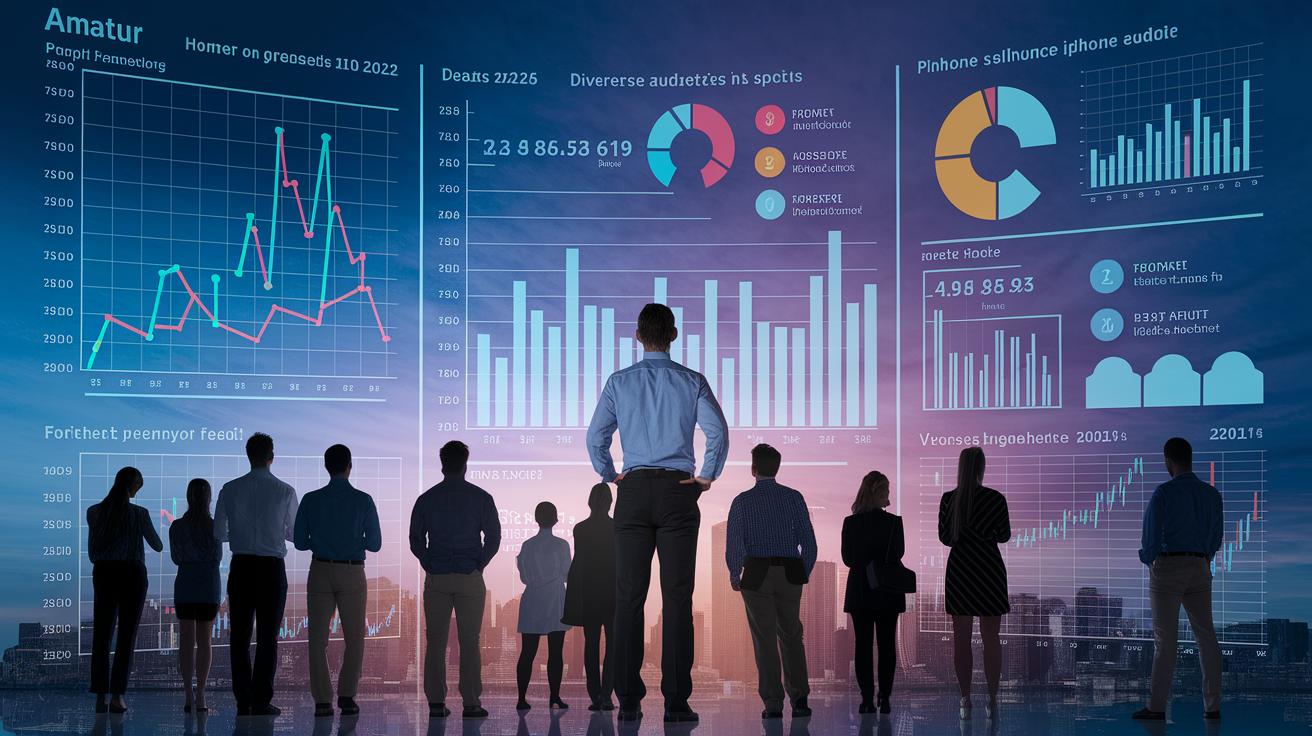
Audience insights take the guesswork out of decision-making. Instead of leaning on gut instincts, marketers are now looking at loads of data points that show not only what people do, but why they do it. Picture this: you see a spike in clicks on a special offer, and survey feedback reveals that affordability is a big deal. That mix of behavior and opinions cuts through the noise and steers campaigns in the right direction.
Data-driven insights let brands fine-tune their messages and pick just the right platforms for maximum buzz. Imagine 230,000 Gen Z consumers chatting about everything from AI (artificial intelligence) to mental health to money and media. That diverse chatter gives brands a crystal-clear picture of their target audience. In one case, a startup discovered via detailed analytics that folks preferred interactive content over static ads, so they reworked their creative approach before a full-blown launch.
Digging into granular insights really pays off with improved ROI (return on investment). By constantly tweaking campaigns based on real-time data, brands can ensure their ads really resonate. Marketers using sophisticated analytics tools aren’t just watching numbers bounce around, they’re actively refining targeting and messaging. With decisions backed by real consumer behavior, every ad feels personal and powerful, replacing old guess-based methods with smart, data-driven strategies.
Collecting Robust Audience Insights for Digital Advertising

Marketers are shaking up the digital ad space by blending smart analytics with new tech. Think of machine learning working side by side with insights from everyday interactions like internet-connected device use and social media buzz. One company even found that users who played with interactive demos were more likely to buy after receiving a real-time, personalized offer. They discovered a 25% engagement spike by tracking how long users spent on interactive media.
Next, new data collection methods are making waves. Automated survey triggers and real-time mood checks are replacing old-fashioned survey forms. Imagine a pop-up asking, "What made you stay on this page?" right after someone spends extra time browsing. That small tweak can reveal huge insights.
Then there’s the magic of AI-driven data fusion. Studies show that combining behavioral data with personal cues helps brands create super-detailed customer profiles, sidestepping common integration pitfalls.
| Advanced Technique | Example |
|---|---|
| Machine Learning Integration | Using click patterns and time spent to fine-tune ad delivery |
| Sentiment Tracking | Digging into social media to catch real-time moods |
| Automated Survey Triggers | Launching smart pop-ups that adjust questions based on user actions |
Analyzing Audience Insights with Cutting-Edge Consumer Analytics Tools

Digital advertising is all about understanding what users do and how they interact. Today’s smart tools keep an eye on every click and split performance into clear sections that anyone can grasp. This means that instead of raw numbers, you get little stories that help you tweak your campaign on the fly. For example, one team discovered that users who interacted with short, focused lessons boosted their conversion rate by 30%. It’s like having a digital classroom that lets teams learn the art of listening to their audience, forging stronger bonds and crafting messages that really resonate.
Mixing different tools together takes your insight game to the next level. Stories from the field show that live data combined with easy-to-read reports can sharpen your targeting. Many marketing teams even take hands-on training from digital courses to hone their data-reading skills. And when you pick the right tool – like the ones detailed in this guide on advanced data analytics for consumer insights – spotting trends and fine-tuning strategies becomes a breeze.
| Tool | Primary Function | Data Type | Best Use |
|---|---|---|---|
| AnalyticsPro | User Behavior Tracking | Clickstreams | Campaign Performance |
| BehaviorTrack | Segment Analysis | Engagement Metrics | Audience Segmentation |
| DataViz Master | Visualization | Reporting Dashboards | Trend Identification |
| InsightFusion | Tool Integration | Live Data | Real-Time Adjustments |
| RealTime Monitor | Immediate Analytics | User Interaction | Instant Reporting |
Bringing these tools together gives you a full view of the digital landscape, merging what users do with clear visual trends. Marketers then get a trustworthy snapshot of how their campaign is really performing, which shows how meaningful details lead to better targeting. Plus, training modules, bite-sized lessons, and quick tests help teams roll out these smart tools with ease, making sure every effort hits home with the audience.
Segmentation and Target Market Evaluation Using Audience Insights

Audience insights let you break down your crowd into neat groups based on age, interests, and buying habits. They make it easy for teams to run demographic checks, like figuring out age, location, and income levels. For example, imagine a brand discovering that urban young professionals really dig mobile-first campaigns; picture how 65% of users under 30 might lean toward quick video clips over regular text ads.
Behavioral segmentation zooms in on what people actually do. By keeping an eye on website visits, app clicks, and how people interact online, marketers find out what really grabs each segment's attention. Think of it like adjusting weekend deals for those who shop online often, then fine-tuning specific offers that feel custom-made just for that crowd.
Blending these methods cuts out the guesswork and fills your strategy with solid, actionable data. Drawing insights from hundreds of data points means your messaging speaks directly to the habits and needs of each group. When you use audience insights for segmentation, every campaign becomes more relevant, timely, and impactful. This targeted approach not only boosts engagement but also builds a personal touch with customers, turning each campaign into a success story.
Applying Audience Insights to Optimize Campaign Performance

Knowing your audience is like having the key to a treasure chest. Marketers use these insights to time their messages perfectly, just when people are most likely to listen. For example, one team found that folks often check their social apps mid-morning. So, they sent out targeted messages during that time, and interactions shot up noticeably.
Data is our best friend when it comes to picking the right communication channels. Whether it’s email, Facebook, LinkedIn, YouTube, or another digital network, everything is based on how the audience acts. Imagine this: A top brand tweaked its email game using conversion tracking systems (tools that check how well a campaign turns interest into action). A little change in the subject line boosted engagement by 18%. This shows how a smart, data-driven strategy can perfectly match messages to the right moment.
Audience feedback is gold, especially when a campaign isn’t living up to its promise. When things aren’t clicking, marketers dive deep into advertising metrics to spot what’s working and what isn’t. For instance, conversion tracking might reveal that some creative elements snag more clicks, which then guides teams to shift their budgets for better results.
By mapping out communication and tweaking tactics with audience insights, marketers not only manage their budgets better but also see higher conversion rates. Every piece of feedback is a chance to adjust messages so they fit consumer habits like a glove. It’s this fine-tuning that turns an ordinary campaign into one that truly shines in today’s fast-paced digital world.
Measuring and Benchmarking Audience Insights for Continuous Improvement

Marketing insights can be uncovered by digging deeper than what everyday monitoring shows. Advanced analytical techniques help reveal early shifts in audience behavior, shifts that simple real-time tracking might miss. For instance, one agency used predictive modeling (a technique using machine learning to forecast outcomes) to adjust its targeting across different channels before the changes were even visible. Imagine a retailer predicting a 30% jump in mobile engagement from past data and shifting its budget before launching a new product. That’s savvy planning.
The way we measure success has evolved. It’s not just about comparing engagement from one month to the next. Marketers now rely on anomaly detection, a tool that spots sudden changes in traffic and conversion rates, alerting teams to examine issues immediately. One team noticed a quick surge in click-through rates and used that as a signal to review and adjust a new ad variant, which quickly enhanced their overall performance.
There’s also a growing trend in harmonizing all data on one unified dashboard. Syncing information from social, email, and display channels can reveal hidden connections. For instance, one case study showed that a specific email subject line consistently boosted engagement in a certain region, prompting a creative strategy overhaul across platforms. These insights drive continuous improvements in campaign planning.
Techniques like cohort analysis (grouping your audience by shared characteristics over time) and trend forecasting are at the heart of ongoing optimization. They help marketers fine-tune budget allocation and tailor creative messaging based on deeper, data-backed insights.
| Technique | Example Benefit |
|---|---|
| Predictive Modeling | Anticipates engagement boosts |
| Anomaly Detection | Quickly spots unexpected shifts |
| Cohort Analysis | Highlights long-term audience trends |
Future Trends in Audience Insights for Digital Advertising

Predictive consumer modeling is about to shake up how brands plan their campaigns. Imagine looking at past purchase data like a weather forecast for consumers, it's as if your historical spending habits help pinpoint the best time to spark interest in that next must-have gadget.
Programmatic advertising now acts like your go-to smart gadget, automatically tweaking ad delivery in real time. It’s a bit like a smart thermostat that adjusts when the room gets chilly, letting you fine-tune your campaigns on the fly as market trends shift.
AI-driven virtual campaign insights bring a whole new level of personalization. Think of it as a tool that’s constantly fine-tuning audience segments so every message feels like it’s tailor-made, hitting the perfect note right when it matters most.
Predictive trend forecasting takes things even further by using current data to glimpse future audience moves. Imagine setting up a playlist that smoothly evolves with your mood, each campaign is dialed in to resonate perfectly with your audience's changing vibes.
Structured learning resources are stepping up too, offering omni-channel insights that empower teams to make smart, proactive adjustments in today’s fast-moving market.
Final Words
In the action, this article showcased how transitioning from guesswork to data-driven strategies reveals the real value of audience insights in digital advertising. It explored detailed methods to collect robust data, use advanced analytics tools, and segment target markets for optimal campaign performance.
We then examined practical applications and continuous measurement techniques that keep strategies fresh and responsive. It’s a dynamic reminder that smart, actionable audience insights can boost results and inspire creative digital moves.
FAQ
What are audience insights, and what are some examples?
Audience insights reflect data gathered from consumer behaviors and attitudes, using methods like surveys and profiling. For example, studies of Gen Z preferences reveal nuanced buying patterns that help shape effective campaigns.
Why are audience insights important in digital advertising and marketing?
The importance of audience insights in digital advertising and marketing comes from their ability to replace guesswork with data-driven decisions, enhancing targeting precision and overall campaign success.
How does Google support audience research with tools like Google Ads Insights page, Google Insights Finder, and Performance Max audience insights?
Google supports audience research by offering tools like the Ads Insights page, Insights Finder, and Performance Max insights, which deliver real-time data that helps refine targeting and boost campaign performance.
What are insights ads and how does an audience research tool help?
Insights ads use detailed audience data to craft personalized messages, and an audience research tool gathers this data to guide creative strategies and improve campaign connections with target consumers.
What is the 3 3 3 rule in marketing?
The 3 3 3 rule in marketing defines a simple framework of three seconds to capture attention, three key messages to deliver value, and three calls-to-action to drive engagement.