
Ever wondered if each click hides a secret map to bigger profits? Advanced data analytics helps you uncover what your customers really do. Imagine reading every review and transaction like piecing together a fun puzzle. Studies show that when companies catch these little hints, they can see a big boost in their return on investment (ROI, or the money you earn compared to what you spend). In this post, we're chatting about how turning raw numbers into clear, on-the-spot decisions can really drive your revenue.
Delivering actionable consumer insights with advanced analytics

Using advanced data analytics to understand your customers means really diving into how people behave, what they like, and how they engage. It’s about gathering everyday clues, like transactions, feedback, and online reviews, to shape smarter business decisions. Research shows companies harnessing these insights enjoy a 2.6 times higher chance of a strong return on investment (ROI, which measures profit versus spending). In short, you get a real-time pulse on your audience, where every click and comment tells a story.
By turning raw data into clear, actionable insight, businesses can zero in on what truly matters to their customers and even speed up decision-making by up to 30 times. This nimble approach helps companies keep pace with changing trends, ensuring every tweak in a campaign rests on solid numbers and genuine customer feelings. Major benefits include:
- Improved ROI
- Faster decisions
- Deeper understanding of customer sentiment
- More targeted campaigns
When these insights blend seamlessly into a company’s overall strategy, you don’t just get a more efficient marketing plan, you see a direct boost in revenue. Data-powered decisions lead to personalized campaigns that speak straight to consumer needs. Picture a retailer fine-tuning their product lineup or a streaming service refining its recommendation engine; both end up with higher engagement and more sales.
Predictive modeling techniques for consumer insights

Predictive analytics uses past records and some clever computer tricks to guess what customers might need next or when they might slip away. It’s like checking old receipts to spot hints of a trend. For instance, one famous retailer saw that seasonal shopping habits could lead to a 20% jump in sales and wisely adjusted their stock ahead of time. This smart approach not only helps shape marketing steps but also makes sure resources go exactly where they are needed.
Breaking down customer behavior is just as important. By watching data closely and using methods like predictive marketing analysis (a way to study customer actions based on past browsing and buying habits), companies can group their customers and predict what they might do next. This means companies can turn live digital hints into actions that hit the mark, making campaigns more timely and effective while later boosting overall results.
Machine learning segmentation and multivariate analysis for consumer insights
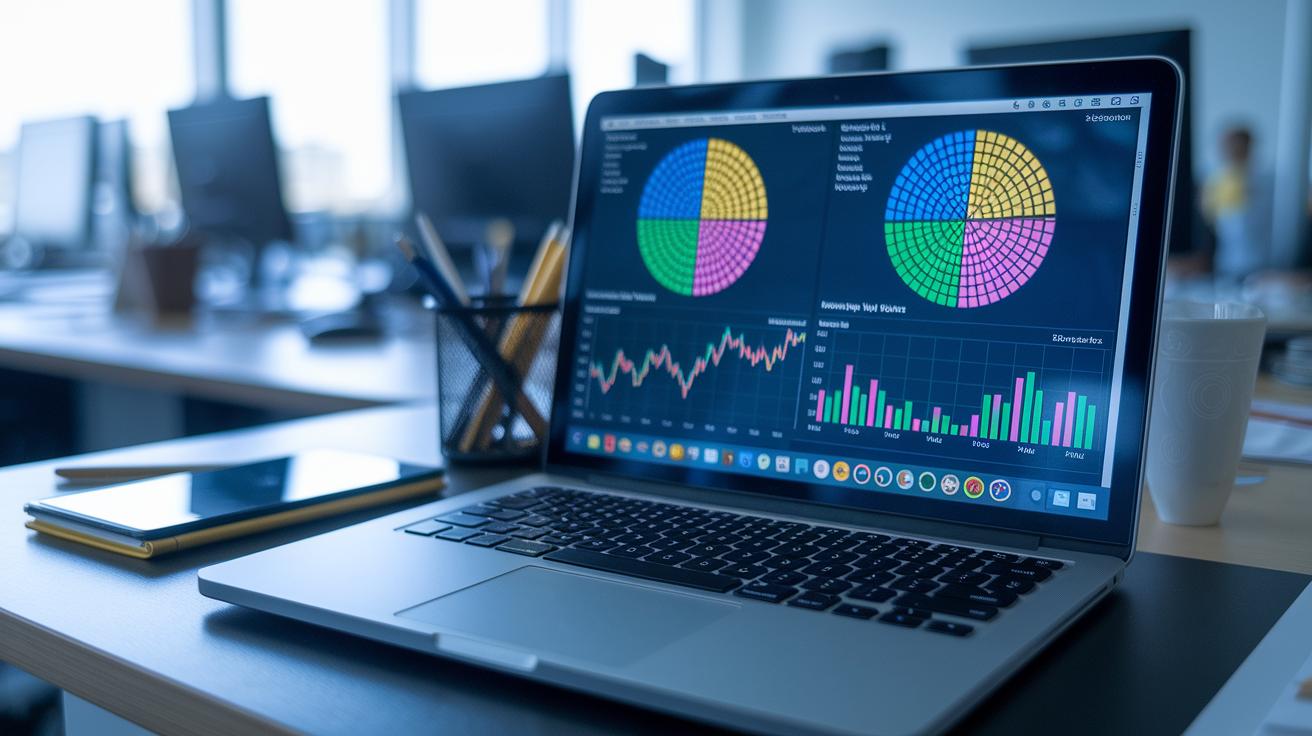
Machine learning segmentation and multivariate analysis help reveal clear customer groups by sorting them based on real behavior signals, think simple details like age, location, and shopping habits. They mix grouping techniques with smart number crunching to show what really drives a customer’s actions.
Unsupervised segmentation methods
Unsupervised learning, using tools like k-means and hierarchical clustering, dives into large piles of data without any pre-set labels. It picks up on natural clusters by comparing behaviors and preferences. Imagine grouping people by their online activity and purchase records, which can uncover hidden buckets like bargain seekers or devoted brand fans. This natural approach lets companies design marketing that truly speaks to each group.
Supervised classification strategies
On the flip side, supervised classification uses methods such as decision trees, support vector machines (SVM) (a tool that finds the best boundary between groups), and neural networks to sort customers into already known groups. It starts with labeled past behaviors, learns the patterns, and then predicts where new customers should fit. This method brings sharp targeting so that campaigns match perfectly with what customers have shown they like.
Combining both these strategies means businesses get more actionable insights, leading to smarter targeting and the kind of boosted ROI that really makes a difference.
Real-time decision support and dynamic market segmentation for consumer insights

Real-time analytics platforms let businesses instantly adjust their offers and messages when customers interact online. They track live clicks, page time, and app usage, giving you a constant, clear pulse on customer behavior.
Mixing in dynamic segmentation is like updating your playlist as new hits drop. Companies can refresh their consumer groups on the fly as fresh data streams in from every channel. Picture watching a customer's journey in real time, suddenly, you might see a spike in mobile activity or a shift in browsing habits. Mapping these digital signals lets brands quickly spot pain points and hidden opportunities, so they can fine-tune interactions and deliver custom responses that really click.
By merging real-time decision support with dynamic segmentation, brands can immediately refine customer journeys and respond to shifting needs with confidence.
Key tools and platforms powering advanced analytics for consumer insights

When it comes to handling huge streams of data from various channels, advanced analytics tools are essential. These platforms help businesses organize messy information into insights that truly matter. Take Savant AI Agents, for example. They offer automated, no-code tools that transform raw, unorganized data into clear, actionable trends. They cover everything from data prep to blending and cleaning, and they connect easily with files, apps, and databases. Plus, they harness machine learning (basically, computer programs that learn patterns) to spotlight recurring behaviors in customers. While Savant AI Agents are great at making sense of unstructured data, many companies also look for tools that shine in digital consumer profiling and visualizing insights smartly.
Businesses also need systems that are secure and built to scale. They rely on robust governance methods, single sign-on (SSO is a way to access multiple applications with one login), Virtual Private Cloud (VPC, a secure cloud environment), and adherence to standards like SOC 2 and HIPAA. Whether you’re in finance, retail, logistics, or tech, you want dynamic visualizations, think bar charts, pie charts, heat maps, and scatter plots, that turn hard numbers into engaging visuals and clear trends. These platforms not only drive key insights but also integrate well with external data and advanced simulation techniques to perfectly match the needs of industries with complicated data challenges.
| Tool/Platform | Key Features | Primary Use Case |
|---|---|---|
| Savant AI Agents | Data preparation, blending, cleaning, connectors, machine learning & predictive modeling | Turning messy, unstructured data into clear insights |
| Fullstory | Session replay, mapping user journeys, spotting friction points | Enhancing digital experiences |
| Kapiche | Natural language processing (tech that understands text), automated text analysis | Uncovering sentiment and feedback from complex data |
This table gives you a handy snapshot of what each tool brings to the table. When you’re picking a solution, think about what your business really needs, whether that's seamless integration, top-notch security, or easy-to-digest visuals. Matching these features with your goals can boost your ROI and keep your data game as sharp as it gets.
Case studies in advanced analytics for consumer insights

Real examples show how clever companies turn everyday customer data into smart strategies that boost returns and spark fresh ideas in consumer research. They keep an eye on real-time activities and catch new market chances by blending details from sales records, feedback, and online chats to guide better business moves.
Starbucks personalization
At Starbucks, loyalty program info and mobile app data team up to craft offers that just feel right. They check out your purchase routines and app habits to understand what you like. Imagine your favorite coffee order being recognized and rewarded with a timely, tailored deal, it's that personal touch that makes you feel valued.
Amazon product guidance
Amazon listens close to what customers say in reviews and what they search for online. They sift through that everyday feedback and trending searches to fine-tune product recommendations and manage their inventory smartly. It’s like turning general chit-chat into clear signals that help shape new products and keep the offerings on point.
Netflix content optimization
Netflix pays attention to how viewers interact with its shows, from what grabs their attention to when they hit pause or leave a rating. This close tracking gives them real insights into viewer habits, leading to spot-on recommendations and informed decisions on original content. The result? Every viewer feels like the next great hit is just waiting for them.
Best practices and platform selection for actionable consumer insights

When you’re diving into advanced analytics, a streamlined approach is essential. Tackling messy, scattered data up front not only cuts down IT headaches but also gets your insights moving fast.
Here’s a simple roadmap:
- Start by cleaning and standardizing your data to keep it accurate.
- Mix together input from social media, sales numbers, and trusted third-party sources to really understand your customer.
- Leverage no-code automation tools (these let you automate without writing code) to speed up the process.
- Use ROI measurement methods to see which changes truly boost revenue, like tracking monthly shifts to spot effective tweaks.
- Stay on top of security by following standards like SSO (single sign-on), VPC (virtual private cloud), SOC 2, and HIPAA.
When choosing your analytics platform, look for one that supports smart decision-making and scalable algorithms. Check if it includes features like predictive risk assessments and forecasting tweaks that match your strategic goals.
Final Words
In the action, this post laid out the power of advanced data analytics for consumer insights, from customer behavior analysis and predictive modeling to machine learning segmentation and real-time decision support.
We saw how robust tools and real-world case studies drive faster, sharper marketing decisions. The insights shared can boost ROI, enhance campaign precision, and fuel revenue growth. Keep embracing these smart strategies for winning results.
FAQ
What do Wharton revenue analytics and related courses cover?
Wharton courses span price optimization in revenue analytics, real estate investing analysis, online programs, generative AI labs, and business scaling. They prepare professionals to make data-driven decisions that boost growth.
Is the Google Advanced Data Analytics course worth it?
The Google Advanced Data Analytics course is worth it when you need hands-on training that improves your skill set, helping you decipher data patterns, accelerate decision-making, and stay competitive.
What are the 5 C’s of data analytics?
The five C’s of data analytics are clarity, context, connection, consistency, and collaboration. They guide teams to transform raw data into clear, actionable insights for better marketing strategies.
What are the four types of advanced analytics?
The four types of advanced analytics include descriptive, predictive, diagnostic, and prescriptive. Each type builds on data to explain past events, forecast trends, identify causes, and recommend actions.
What is consumer data analytics?
Consumer data analytics involves collecting and assessing customer behavior and preferences. It turns buying patterns into actionable insights that improve satisfaction, loyalty, and overall revenue performance.