
Ever notice how many marketing messages just don’t hit home? Picture getting an offer that feels tailored just for you. Account based marketing (a strategy that focuses on key accounts to boost revenue quickly) does exactly that. With custom messages and a tight-knit collaboration between sales and marketing, every campaign comes off as personal and spot-on. Focusing on high-value targets turns broad outreach into a sharp, focused strategy that can drive real growth and measurable results.
Understanding Account Based Marketing: Definition and Advantages

Account based marketing, or ABM, is all about zeroing in on a select group of top-tier accounts to boost revenue fast. The idea is simple: focus on high-potential accounts and craft messages that feel like they were made just for them. Think about getting an invitation that seems designed exactly for you, targeted, thoughtful, and spot on.
ABM works best when sales and marketing teams are closely in tune. When these teams sync up, every email, call, or presentation is tailored to the specific needs of the account. This kind of teamwork turns a one-size-fits-all approach into a personal conversation that builds strong customer bonds and keeps the sales process moving quickly.
For B2B companies, especially those working with a few key clients, the benefits are crystal clear. By concentrating resources where they matter most, companies can see a really good return on investment. And even larger organizations with several valuable customers can find a measurable boost with a well-planned ABM strategy.
Key steps in setting up an ABM program include:
- Identifying high-value accounts using clear criteria like deal size and growth potential.
- Mapping out decision-makers to see who really influences buying decisions.
- Creating targeted campaigns that speak directly to each account’s unique needs.
- Choosing the channels that best reach these key individuals.
- Developing a strategic playbook where roles and responsibilities are clearly defined.
- Executing personalized tactics, think tailored emails or strategic direct mail.
- Measuring the progress of the overall account instead of focusing only on individual leads.
In short, ABM takes marketing away from broad, generic outreach and turns it into a focused, high-impact strategy that drives engagement and accelerates revenue growth.
account based marketing: Ignite Success Instantly

Finding the right, high-value accounts is really the heart of account based marketing. Experts call these strategic accounts because they offer big revenue opportunities and strong growth potential. Start by setting clear benchmarks like deal size, market influence, and how well a company’s needs match what you offer. One neat trick is using a scoring model (a way to rate accounts) to focus on the best prospects. I once heard about a firm that saw its conversion rate soar by zeroing in on accounts with bigger projected deals.
Building a strong client list goes far beyond jotting down any names. It means mapping out your industry, spotting key company traits, and understanding the decision-makers behind the scenes. This thoughtful approach makes sure your marketing is always on target. It’s all about balancing your resources and potential returns so you concentrate your energy on just the right number of key accounts.
Imagine turning a jumbled list of prospects into a carefully curated group of companies ready for personalized outreach. Use factors like revenue potential and market presence to sharpen your list over time. By leaning on data-driven insights and a smart scoring system, you can transform old-school targeting into a strategy that really works. This setup ultimately leads to more compelling messaging and better overall campaign results.
Aligning Sales and Marketing for Account Based Marketing Success

Bringing sales and marketing together means everyone speaks the same language and works in sync. When both teams share a unified system, like a CRM that everyone uses, it speeds up decisions and helps pick the best accounts. For example, one company shared their CRM between sales and marketing and saw response times drop dramatically.
Sharing data between tools breaks down walls and gives real-time insights. Regular catch-ups keep everyone updated on target accounts and any needed changes in strategy. This simple routine not only shortens the sales cycle but also lifts conversion rates, as every team member stays tuned into which accounts matter most.
Target Account Planning
When the whole team pitches in on planning target accounts, technical skills meet smart strategy. Collaborating means focusing on high-potential customers and setting clear success goals. Key steps are:
| Step | Action |
|---|---|
| 1 | Clearly define roles and account planning responsibilities |
| 2 | Create shared dashboards to track progress |
| 3 | Hold regular cross-team meetings to review strategies and performance |
This joint approach speeds up the sales process and builds stronger customer relationships through focused, personalized engagement.
Exploring Account Based Marketing Models and Campaign Frameworks

Account-based marketing comes in three main types that can fit different business needs. Strategic ABM is a one-to-one method where every detail is made just right for each key account, kind of like crafting a gourmet meal for a VIP guest.
ABM Lite, on the other hand, takes a one-to-few approach by lightly personalizing campaigns for a small group of similar accounts. This works well when you’ve got a handful of promising leads with common qualities.
Then there’s Programmatic ABM, which uses technology to power one-to-many campaigns. This lets you stretch personalization over a wider audience while keeping the process smooth and efficient.
Choosing the right ABM model comes down to your company’s size, ambitions, and available resources. A startup might pick ABM Lite to test the waters without breaking the bank, while a bigger firm with a well-defined list of high-priority targets would lean towards Strategic ABM to make every interaction count.
If you have access to cutting-edge tech and solid data, Programmatic ABM can be a game-changer. Think of it like fine-tuning a high-performance car, each part must work together flawlessly to drive success. With this clear approach, your campaign framework will align perfectly with your business goals and resources.
Crafting Personalized Campaigns and Tactics in Account Based Marketing

Personalization is really what makes ABM stand out. When you tailor your message and map out the key decision-makers, your communications feel like they were written just for one person, almost like a friendly note offering exactly what they need. This turns a routine outreach into a warm, custom conversation that boosts engagement and grows revenue.
In ABM, mixing up your channels is crucial to keep your message consistent. You might use everything from digital interactions to in-person events. Picture blending a dynamic website experience with carefully targeted online ads, your message pops up wherever your prospect hangs out. Think of targeted ads like digital billboards that follow your key accounts around the internet, constantly reminding them of your unique value.
Here’s a quick list of tactics you might use:
- Email nurture sequences
- Direct mail campaigns
- LinkedIn account targeting
- Targeted display ads
- Web personalization
- Events and webinars
- Retargeting ads
Putting all these tactics together in a multichannel campaign creates a cohesive experience at every touchpoint. It’s a bit like curating a special playlist, each tactic is a song that builds the right mood and supports your overall brand story. Web personalization and targeted display ads grab attention online, while events and webinars build trust through real-time interaction. When these elements work in harmony, every interaction, whether it’s an email or a retargeting ad, contributes to a consistent journey that nudges decision-makers toward conversion. The goal is to craft an environment where every personal touch feels genuine and intentional.
Measuring Account Based Marketing Performance with Data-Driven Metrics
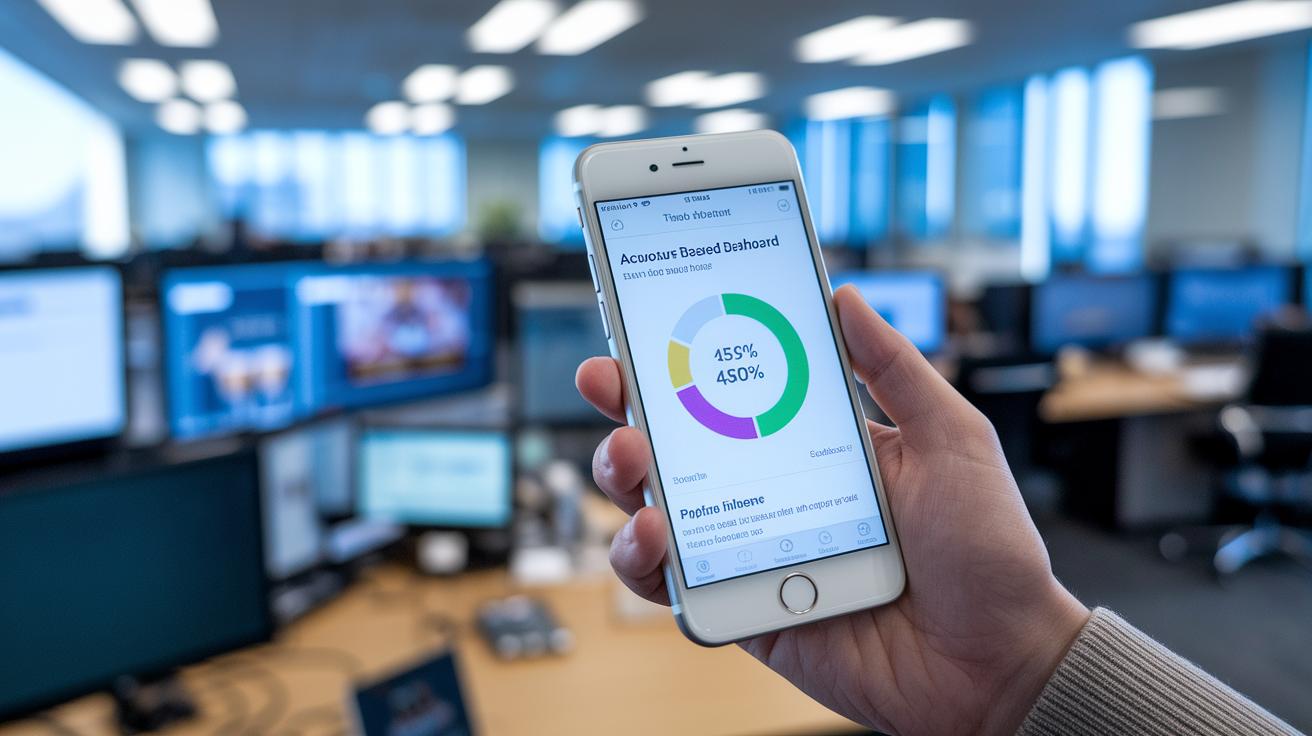
In Account Based Marketing, we shift our focus from tracking lone leads to understanding how entire accounts engage with your messaging. It’s like watching a movie, each account has its own storyline as it moves through the buying journey after receiving your custom outreach. Data-driven insights let you see the bigger picture, so you can gauge how well your strategy is working overall.
Real-time tracking is a game changer. When you spot trends early, you can quickly adjust your approach. Key metrics you’ll want to watch include the account engagement score, which shows overall interaction; pipeline influence, helping you see how much ABM pushes deals forward; deal velocity, which tells you the speed from the first touch to closing; and campaign ROI to measure the financial return (basically, profit compared to the investment).
| Metric | Purpose | Measurement Method |
|---|---|---|
| Account Engagement Score | Gauge overall account interaction | Aggregate of multi-channel touchpoints |
| Pipeline Influence | Assess ABM’s contribution to deals | Attribution models linking accounts to revenue |
| Deal Velocity | Measure speed through stages | Time elapsed from first touch to close |
| Campaign ROI | Evaluate financial return | (Revenue−Cost)/Cost |
Plus, real-time dashboards empower your team to keep a constant pulse on performance, so you’re always ready to tweak and improve your campaigns.
Leveraging Technologies for Account Based Marketing Effectiveness

Mixing custom CRM connections with your marketing automation tools totally changes the game for Account Based Marketing (ABM). When you connect your CRM (Customer Relationship Management) to automated personalization tools, data silos simply disappear and every customer profile gets updated instantly. Picture it like syncing your phone with your smartwatch – everything updates without a hitch. Top ABM platforms like HubSpot Marketing Hub, Demandbase, RollWorks, Terminus, and Adobe are built for pinpoint targeting. They comb through millions of company profiles for smart ad delivery, much like LinkedIn’s account targeting that sifts through 13 million company pages to find the right decision-makers. This setup not only supports real-time personalization, but it also backs every interaction with solid, up-to-date data.
Using predictive analytics in sales, combined with intent data (which shows what a prospect is interested in), helps you fine-tune your account scoring and get the timing of your messages just right. These advanced targeting tools turn raw numbers into insights you can act on, letting you zero in on high-value opportunities with laser focus. Picture this: a predictive tool signals that a prospect is ready to engage, a green light to kick off a tailored campaign right away. Integrated marketing platforms join forces with automation to create campaigns that scale and flex as the market shifts. They give marketers the nimbleness to tweak tactics on the fly. Thanks to smooth integration and constant tweaks, your ABM strategy turns into a dynamic engine that fine-tunes your outreach to engage key accounts and deliver solid results.
Account Based Marketing in Action: Success Stories

Restaurant Furniture Plus sped up its sales by zeroing in on 50 key accounts with custom-made messages, like sending out a personal letter that says, "Your success matters. Here’s a solution made just for you!"
HealthLink Dimensions put together a tight ABM team and used stakeholder mapping (a way to identify key decision makers) to boost its deal close rate by 25%. Imagine a small team where each member writes messages that speak directly to a client’s unique challenges.
BlueYonder focused on building real connections with top executives and ran smart LinkedIn ads, a channel trusted for reaching the right people. Picture an ad popping up with the message, "Connect with industry leaders like you to create real impact!"
Key best practices include:
- Start small with a dedicated team
- Use account planning templates for clear guidance
- Align teams to ensure your message is consistent
- Track progress based on overall account success
- Grow your campaign gradually as you see positive results
This hands-on approach, full of real examples and smart tactics, shows that targeting key accounts with clear planning builds strong client relationships and long-lasting success.
Final Words
In the action, we covered account based marketing’s core elements, from identifying target accounts to joining sales and marketing efforts for one-to-one personalization. We broke down different campaign models, discussed personalized tactics, and reviewed data-driven metrics that turn insights into wins. Real-world examples showed how clear strategy and smart tech drive faster results. Keep these insights in mind to make swift, informed decisions. Focus on account based marketing to supercharge your approach and build lasting connections.
FAQ
What is account-based marketing?
The account-based marketing approach is a targeted strategy that focuses on high-value accounts. It brings together sales and marketing teams to tailor messages and campaigns for selected clients, driving faster revenue growth.
What is an example of account-based marketing?
The account-based marketing example shows targeted, one-to-one outreach—where a business creates personalized emails, ads, and direct interactions for a handful of important accounts—to boost engagement and shorten sales cycles.
What does an account-based marketing job involve?
The account-based marketing job involves planning and executing targeted campaigns for select high-value clients. It combines strategic outreach, collaborative sales-marketing efforts, and continuous measurement to drive revenue quickly.
What is involved in an account-based marketing course?
The account-based marketing course covers core ABM principles, campaign planning, personalized outreach techniques, and performance metrics. It equips professionals with skills to execute focused marketing initiatives for key accounts.
What does an account-based marketing strategy entail?
The account-based marketing strategy involves identifying high-value clients, mapping key decision-makers, and crafting tailored campaigns. It emphasizes collaborative sales and marketing efforts to accelerate deals and enhance customer engagement.
What are account-based marketing platforms?
The account-based marketing platforms are specialized digital tools that help businesses identify, target, and track high-value accounts. They streamline cross-team collaboration and provide real-time engagement metrics for precision targeting.
What is account-based marketing HubSpot?
The account-based marketing HubSpot solution integrates ABM functionality within HubSpot’s platform, enabling businesses to target key accounts with personalized campaigns, automate outreach, and align sales and marketing efforts effectively.
What are account-based marketing tools?
The account-based marketing tools include software for targeted advertising, CRM integration, and campaign tracking. They empower marketers to deliver personalized outreach and monitor key metrics to optimize engagement with top accounts.
What are account-based marketing books?
The account-based marketing books offer insights into ABM frameworks, case studies, and step-by-step guides for planning and executing focused marketing efforts. They serve as valuable resources for refining personalized client strategies.
What is the difference between marketing and account-based marketing?
The difference lies in focus: traditional marketing targets broad audiences with general messages, whereas account-based marketing concentrates on a select group of high-value accounts with personalized, coordinated outreach by sales and marketing teams.
What are the different types of account-based marketing?
The different types of account-based marketing include strategic ABM for one-to-one personalized engagement, ABM Lite for more general targeting of similar accounts, and programmatic ABM that uses technology to scale personalized outreach.