
Ever wonder what gives some brands that extra spark? A solid competitive analysis framework might be just the ticket. It works like a playbook, taking messy market data and turning it into clear, actionable steps.
This approach lets you see where competitors shine and where they hang back. In other words, you get a smarter plan to drive your business forward. Imagine it like setting up your favorite playlist: you pick the best tracks (ideas), arrange them to create a vibe (strategy), and hit play (launch).
competitive analysis framework powers smart strategies

The competitive analysis framework is like a smart playbook, turning loads of market data into a clear plan. It helps businesses spot what their rivals do well and where they might stumble, along with hints of what they could try next. This method breaks down into three simple parts: Assess, Benchmark, and Strategize.
In the Assess phase, you gather raw market info and sift through it, kind of like curating your favorite playlist where each song (or data point) sets the mood for your overall strategy. Think of it as gathering customer feedback as if you were assembling the perfect secret recipe.
Next up is Benchmark. Here, you compare your numbers to those of your competitors, much like checking scores in a friendly sports match where every point really matters. This step helps you see exactly where you stand.
Then comes Strategize, the phase where all those insights turn into actionable moves. It’s like planning your chess game, each decision is carefully mapped out to gain an edge over the competition.
It’s crucial to align these steps with your own business goals. When your analysis directly supports objectives like testing new market ideas or refining brand image, every phase becomes laser-focused. The data isn’t just numbers, it transforms into smart, strategic insights that guide product decisions, marketing moves, and your overall business direction. In short, a simple report becomes a dynamic blueprint for success.
Core Competitive Analysis Framework Models: SWOT, Porter’s Five Forces, and Beyond
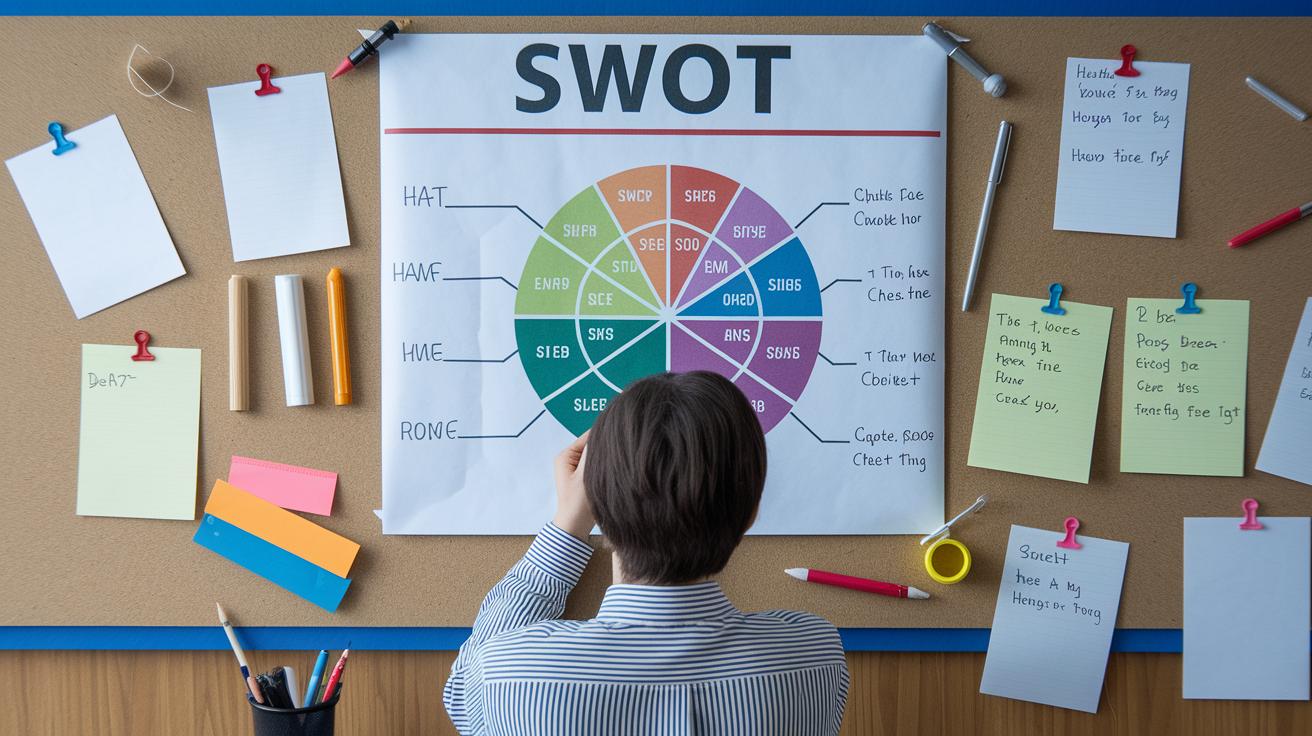
When diving into the competitive market, core models are like your trusty toolkit for turning everyday market data into smart, actionable insights. They let you spot where you excel and where there’s room to grow, while also uncovering opportunities and risks that could shape your next move. Whether you’re taking a deep look at your internal operations or scanning the entire industry scene, these models bring clarity and direction.
| Framework Model | Focus Area |
|---|---|
| SWOT Analysis | An inside-out look at strengths, weaknesses, opportunities, and threats |
| Porter’s Five Forces | Takes a broad view by assessing supplier and buyer power, competitive rivalry, substitution, and entry challenges |
| Perceptual Mapping | Visualizes customer opinions to pinpoint market gaps |
| Strategic Group Analysis | Clusters competitors based on similar strategies |
| BCG Growth-Share Matrix | Helps manage product portfolios by categorizing items as question marks, stars, dogs, or cash cows |
| Marketing Mix / 7Ps Model | Examines product, price, place, promotion, people, process, and physical evidence for a full picture |
Choosing just the right model is vital because each one offers a unique angle on your market challenges. For example, if you’re zoning in on overall strategy, you might lean on SWOT Analysis and Porter’s Five Forces. These models combine a clear look at your internal strengths with an understanding of external pressures.
Then, if you’re more curious about what your customers think and where your brand stands, Perceptual Mapping and the 7Ps model can shine a light on improvement spots and ways to set yourself apart. And in a fast-paced market where juggling multiple products is the norm, the BCG Growth-Share Matrix steps in to evaluate each product’s potential against market growth and share.
In short, mixing these models lets you answer the specific questions your business faces and supports your big picture goals. This blend of insights transforms everyday market data into a strategy that’s both dynamic and actionable.
Designing Your Competitive Analysis Framework: Step-by-Step Execution

Kick off your analysis by imagining you’re setting up a new campaign, where every detail matters. Start by jotting down all your competitors – both the obvious direct ones and the sneaky indirect ones. Each entry in your list is like a track on your favorite playlist, contributing to the overall vibe of your strategy.
First, sort your competitors into clear groups. Next, figure out which data points to collect, such as market share, pricing, and customer reviews (think of customer reviews as a pulse check for your market). Then, choose the right research tools; fun fact, about 33% of marketers rely on AI for this very step, speeding up insights like a turbo boost.
After you’ve gathered your data, take a moment to shape it neatly. Use your chosen framework to arrange all the insights you’ve collected, just as you would organize your thoughts before a big campaign launch. Finally, turn these insights into a hands-on action plan that your product, marketing, or sales teams can run with.
Remember, reviewing your framework regularly is key. A quarterly refresh keeps your strategy nimble, just like updating a smartphone app to match the latest trends. This ongoing process not only hones your analysis but also uncovers fresh opportunities and potential risks. By transforming raw data into a concrete strategy, you keep your competitive edge sharp and your business in tune with the market’s rhythm.
Templates and Tools for Your Competitive Analysis Framework

Templates are the heart of any sharp competitive analysis. They come as ready-made blueprints, like SWOT (which uncovers strengths, weaknesses, opportunities, and threats), Porter’s Five Forces (a tool to study market competition), and battlecards, that streamline your market insights. Imagine cracking open a free cheat sheet that helps you spot gaps in your strategy like a quick playbook aligning your tactics with your goals. Customizable templates and visual comparison tools give you the freedom to fine-tune your report, almost like sketching out your unique market position on a digital canvas.
AI-powered platforms really kick your analysis up a notch by automating boring tasks and serving up fast insights. With a smart semantic search, you can ditch the old CTRL-F routine as it pulls key data straight from heavy documents. Color-coded sentiment analysis turns crowd feedback into clear visuals, making trends easy to spot. And with generative AI that’s been refined over a decade, you get solid, business-grade strategies, ready to take action immediately. Integrated systems that blend OKRs (objectives and key results) and portfolio performance management give you real-time metrics and alignment scores. It’s like having your very own digital assistant that not only organizes data but also keeps your strategic roadmap in perfect sync with your core goals.
Download these ready-to-use templates and walkthroughs to supercharge your competitive analysis toolkit.
Competitive Analysis Framework in Action: Case Studies

Case studies give clear proof that smart, data-led analysis can spark real market wins. They mix theory with action, shedding light on the strategies that deliver measurable results.
One B2B startup revamped its go-to-market plan by blending SWOT analysis (a tool for weighing strengths, weaknesses, opportunities, and threats) with Porter’s Five Forces (a framework to assess industry pressures). This focused shift nursed a 15% bump in market share, showing that even lean teams can make big moves without breaking the bank.
Another retail brand redefined its core product using perceptual mapping, a technique that visually charts customer perceptions. By tapping into this method, the brand lifted satisfaction scores by 20%, proving that aligning a product’s vibe with market needs truly pays off.
A SaaS company armed its sales team with battlecards (compact, quick-reference insights on competitors) to stay ahead in the game. This clever tactic boosted win rates by 10%, reminding us that concentrating on a few direct rivals can unveil fast, actionable insights.
These stories remind us that effective competitive analysis isn’t about amassing endless data, it’s about spotlighting the elements that truly drive success. By focusing on just a couple of key players, you can uncover vital trends and target improvement areas. Each example demonstrates how tailored, savvy strategies can tap into deep market insights and deliver real, measurable business gains.
Advancing Your Competitive Analysis Framework with AI and Real-Time Insights

AI-powered research tools do more than scan documents, they predict changes in customer behavior before they fully unfold. Picture this: a tool that quickly reviews competitor sites and spots fresh trends in real time. I once saw one flag a subtle shift before it became the next big thing, turning mountains of raw data into clear, ready-to-use insights.
Then there are advanced systems that mix competitor impact reviews with easy-to-read visuals. Imagine charts that update on the fly, turning piles of numbers into engaging, real-time graphics. One platform might flash a quick note like "Sales dipped 5% – time to adjust strategy" so you instantly know what happened and what might happen next.
Real-time competitive intelligence platforms blend automatic data collection with solid predictive tools. They send out alerts that help teams in sales, marketing, and R&D adjust their plans on the spot. These smart systems integrate analytics deeply, offering fresh insights in a flash while keeping everything secure so everyone works from the same trusted source.
Avoiding Common Pitfalls in Your Competitive Analysis Framework

Relying on old data can really weaken your analysis. Keep your market info up-to-date by checking in every few months. Think of it as giving your report a quick tune-up so outdated facts don’t lead you astray.
Analysis paralysis is another big trap. When you try to study too many competitors, it’s easy to lose focus in the mess. Instead, zoom in on 2 or 3 main rivals so you can get a clear, structured view without drowning in details.
Also, don’t skip out on battlecards or fail to turn your insights into action. Make it a habit to pull out the key takeaways and shape them into clear, step-by-step plans. This way, your competitive analysis isn’t just a pretty report, it actually drives real business results.
Final Words
In the action, we broke down the art of setting up your competitive analysis framework into clear stages, Assess, Benchmark, and Strategize, while exploring core models like SWOT and Porter’s Five Forces. We looked at actionable steps for execution and practical templates that bring market data into a winning strategy.
This discussion reinforces how integrating a competitive analysis framework can drive smarter decisions, helping you pinpoint strengths and plan ahead. Embrace these insights and watch your marketing strategies thrive.