Have you ever wondered if your marketing plan is ready for 2025? The trends on the horizon will change the way we connect with customers in an online world that never stops moving.
Imagine a clear roadmap leading to smarter, more personal campaigns, powered by clever tech (that’s the kind of smart technology that adapts to your needs) and data that puts privacy first. This is the kind of guide that can really light the way forward.
With ad budgets on the rise and creative tools evolving every day, now is the perfect time to rethink your strategy. This post walks you through key trends designed to keep you one step ahead and help you thrive in a fast-changing market.
Key Forecasts and Predictions for Marketing Trends 2025

Forecasts for 2025 aren’t just wild guesses; they’re a straightforward playbook for how to spend your budget and refine your tactics in our fast-paced digital world. These insights help you stay ahead of shifts in how people shop and adopt new tech, setting up campaigns that truly click.
Imagine this: before AI became a game changer, keeping your message consistent was a real headache. Today, generative AI is shaking up content creation, letting businesses craft personalized ads on a big scale. And here’s a fun fact, Connected TV ad spend is on track to hit nearly $30 billion in 2024, up by 22.4% compared to last year! At the same time, companies are moving away from third-party cookies (small data trackers that companies once relied on) and leaning into privacy-first methods with first-party data. Tools like multi-touch attribution (MTA, which helps measure every customer touch point) and media-mix modeling (MMM, a way to gauge the mix of marketing channels) are now crucial in judging how well a campaign performs, while incremental testing tightens every dollar spent.
Key trends to watch include:
- Generative AI for content personalization at scale
- Privacy-first data strategies with a focus on first-party data
- A surge in programmatic and Connected TV ad spending
- Seamless integration across devices and platforms
- Real-time campaign tweaks using MTA and MMM
Getting your budget and strategy aligned with these trends isn’t just smart, it’s necessary. Investing in AI tools, privacy-centric analytics, and cross-channel ad solutions can lead to campaigns that are nimble and efficient. In today’s rapidly changing market, having the foresight to adapt isn’t just about survival; it’s all about thriving in tomorrow’s digital marketing landscape.
Digital Advertising Innovations Shaping Marketing Trends 2025

Digital advertising is moving at lightning speed. Automated targeting, AI-driven bidding (using computer programs to adjust bids in real time), and fresh tracking methods are changing the way brands connect with audiences. Old tactics are stepping aside for tech that delivers ads almost instantly, with smart algorithms that tweak delivery as events unfold. Imagine an ad auction finishing in a matter of milliseconds; that’s real-time bidding in full swing, where every blink really matters. This burst of creativity is making digital ads smarter, more lively, and engaging like never before.
The industry is seeing a quick jump in programmatic spending, yes, that means using software to buy ads automatically. Algorithms now match ads to people with laser accuracy. Marketers are linking things together using tracking tags like fbclid (a tracking ID from Facebook) and UTM parameters (simple URL-based tags) across different channels. Browser-based advertising is gaining ground as a solid alternative to cookie-based methods, keeping ads relevant while respecting user privacy. Consider dynamic creative optimization: it can instantly switch up an ad’s visuals so they really speak to a viewer. And with real-time bidding, campaigns get a boost from fast, data-driven decisions that push performance and fill rates to new levels.
| Innovation | Description | Expected Impact |
|---|---|---|
| Programmatic Ad Developments | Uses AI to target audiences automatically | Boosts spend efficiency by 30% |
| Real-Time Bidding Systems | Ad auctions closing in milliseconds | Increases fill rates by 20% |
| Browser-Based Advertising | Delivers contextual, cookie-free ad formats | Keeps reach strong post-cookie era |
| Dynamic Creative Optimization | Refreshes ad visuals on the fly | Enhances engagement by 15% |
Social Platform Evolution in Marketing Trends 2025
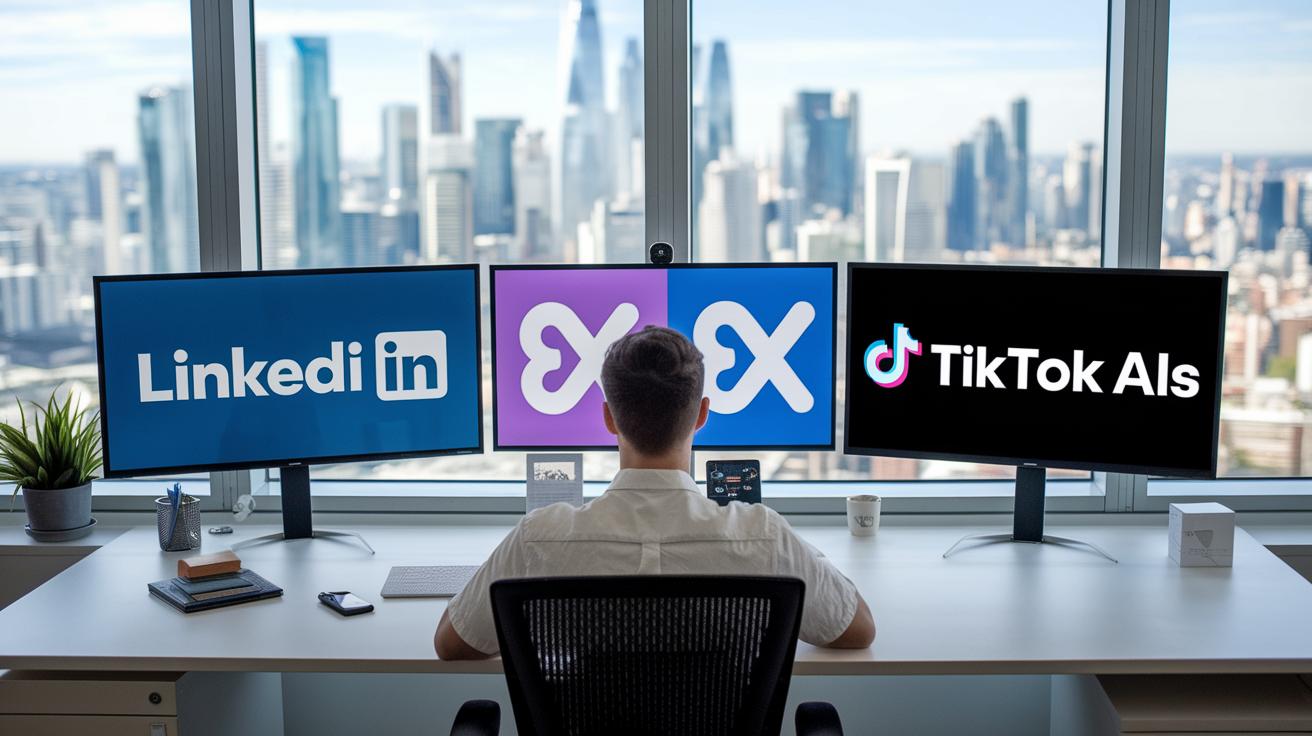
LinkedIn's incredible journey is pretty hard to ignore. By 2023, the platform hit a billion users, and content shares jumped by 41%. This shows it's not just about professional networking anymore, it's where brands are telling their stories. Meanwhile, Twitter, now called X, is having a rough patch with ad revenue falling 55% and significant cuts in staff. And then there's TikTok, caught at a turning point with possible new U.S. rules that could force the company to sell by January 2025. Platforms like Instagram Reels and YouTube Shorts are grabbing the spotlight with their quick, fun videos, adding even more excitement to the social media arena.
Social commerce is also stepping into its moment. Nearly one-third (29%) of shoppers are now discovering brands through social platforms. At the same time, influencer networks are changing the game. Marketers are mixing big-name partnerships with more focused collaborations, and micro-influencers are stepping up with authentic connections that really drive engagement and better returns on investment. These shifts are reshaping social media trends and challenging brands to re-align their strategies with platforms that are evolving quicker than ever, ensuring their messages stay fresh and on point.
AI and Automation in Ads: Marketing Trends 2025

AI is stepping up its game in ads. Marketers are chatting about tools like ChatGPT and Google AI Overviews that do more than write copy or wrap up campaigns. They also help flag potential pitfalls such as misinterpreting data or creating misleading messages. For example, one car company fine-tuned its bids in real time and saw better spending efficiency while tracking consumer mood shifts. This proves that generative AI isn’t just for routine tasks, it tackles real industry challenges.
In 2025, refined algorithms are making bid and budget optimization a breeze. Advanced analytics now give instant adjustments geared to specific sectors. In retail, for example, dynamic creative personalization has noticeably lifted conversion rates. It’s clear that while AI drives these smart changes, creative expertise is still key to interpreting data and navigating risks.
- Automated ad copywriting and content ideation – Think of it like kicking off a chat with an interesting fact: "Did you know that AI insights helped one retailer boost online engagement by 25% in just weeks?"
- Predictive audience targeting models – Picture a tool that zeroes in on your high-conversion audience, similar to a smartphone campaign targeting tech enthusiasts based on real-time data.
- Real-time bid and budget optimization – Imagine algorithms adjusting your spend instantly, much like a travel brand shifting its budget during a sudden travel surge.
- Dynamic creative personalization – Envision a system that refreshes visuals and messages on the fly, just as a fashion label updates its ad images mid-campaign to catch emerging trends.
Marketers now need to mix sharp analytics with a bit of storytelling flair to harness these AI tools effectively. Case studies show that managing these nuances not only drives better results but also helps control the risks that come with automated content and bid changes.
Data-Driven Strategy Insights for Marketing Trends 2025

Today’s analytics go beyond the usual models. AI-driven forecasts and real-time conversion tracking help us catch quick changes in what customers want. Marketers, especially in retail and finance, are trying out new ideas like controlled conversion lift studies that keep privacy in mind. Imagine a seasonal brand tapping into AI predictions to tweak its message during a sudden spike. A local bakery, for example, used a real-time data alert that boosted orders by 30% overnight.
Different industries are finding their own ways to measure success without giving up privacy. Some use on-site behavior dashboards to see how they’re doing internally. Others rely on solid predictive models that only need their own customer data, so they aren’t stuck with outside trackers. Picture a telecom company that uses its own performance dashboard based solely on direct customer feedback to quickly shift its campaign mix.
Emerging Digital Platforms and Omnichannel Approaches for Marketing Trends 2025
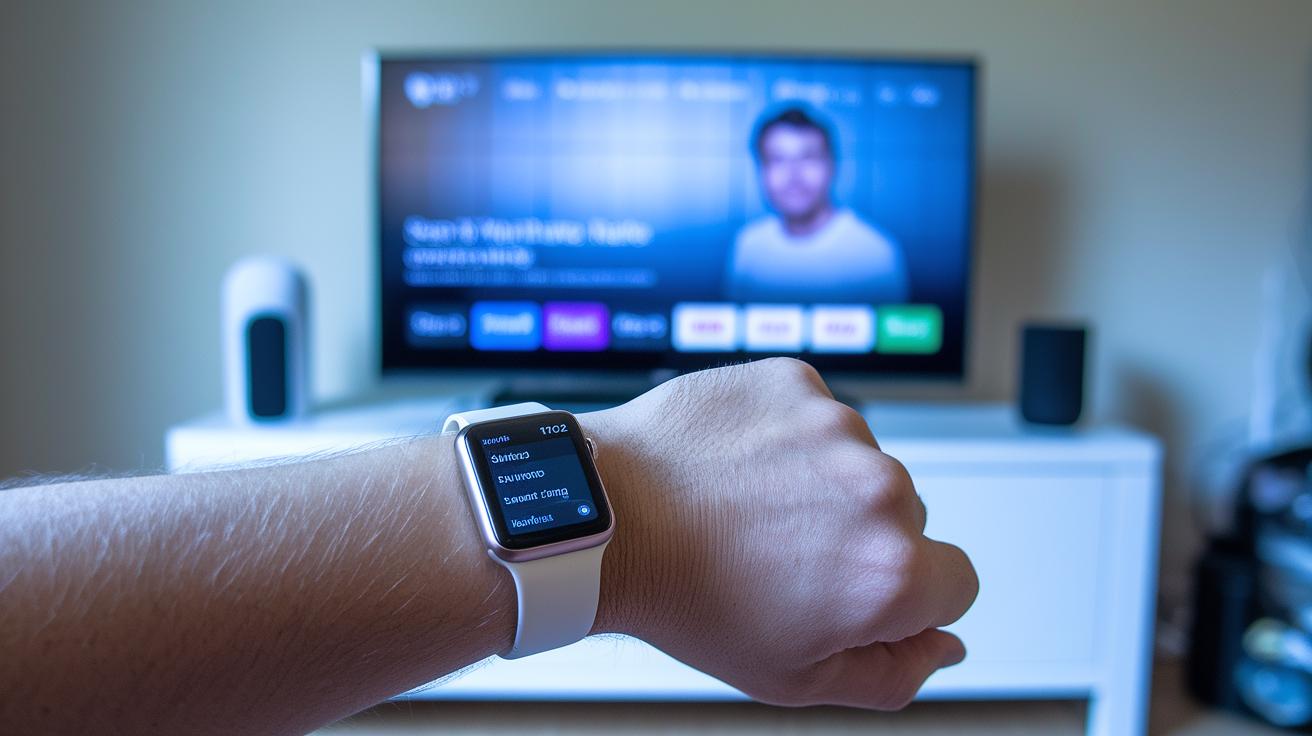
New digital platforms are changing how brands chat with their customers. Think about Connected TV making your living room a hub of fresh experiences, while smart speakers and wearables bring you custom messages right when you need them. These tools create a fun, interactive space that goes far beyond old-school media. Marketers now have a chance to connect through devices that are already part of everyday life, whether it’s a quick update on your wrist or a hands-free chat on a smart speaker, opening the door to some truly exciting customer connections.
Marketers are also busy crafting smooth, all-around experiences by linking up strategies across all devices, both in stores and online. They use secure user data from logins to follow how you interact and keep messages consistent whether you’re on a mobile app, Connected TV, or any smart gadget at home. Imagine planning a campaign like putting together your favorite playlist, where each device plays its own special tune in telling your brand’s story. This connected plan not only pulls in more engagement but also makes sure every touchpoint feels like part of one big picture. These smart moves help brands stay flexible and in tune with today’s fast-changing market.
Personalization Techniques and Customer Experience Strategies for Marketing Trends 2025

Personalization frameworks are truly shaking up how brands connect with customers in 2025. Marketers are tapping into CRM and CDP data (that’s customer relationship management and customer data platform info) to build detailed profiles that power messages made just for you. By leaning on first-party data, brands create content that feels tailor-made, turning broad strategies into interactions that hit close to home. Think about it: A/B testing lets teams compare different message styles and visuals live. Picture a campaign that switched its offer after noticing a 20% boost in response with one version. Remarkable, right? Every step builds a smooth journey where every touchpoint reflects real customer insights and a personal touch.
Retention tactics are also getting a major upgrade alongside these personalization moves. Automated drip sequences now serve up a chain of custom messages that feel like one-on-one chats, gently turning leads into loyal fans. Loyalty programs kick in by rewarding ongoing engagement, making every customer feel truly valued. Conversion funnel upgrades (that’s the step-by-step path from interest to purchase) work to clear out the bumps along the way by matching content to what customers have shown they need. These strategies help boost conversion rates, ensuring that every phase, from catching attention to sealing the deal, flows in a natural, enjoyable rhythm. In fact, this method delivers quick wins and builds a lasting, elevated experience over time.
Brand Innovation and Case Studies in Marketing Trends 2025

Brands that dare to experiment set themselves apart by taking bold risks and zeroing in on real results. They use creative ad formats, track clear campaign outcomes, and switch up quickly when audiences speak up. Think of a campaign that dives deep to show how a simple idea can turn into a standout success. For example, one connected TV (CTV) campaign boosted viewer engagement by 25 percent, a solid sign that mixing fresh ideas with measurability works.
LinkedIn offers a great B2B example of this approach. One business tapped into the platform’s vast network to share detailed industry research, sparking noticeable lead growth and stronger trust. This shows that when a brand sticks to genuine insights and plays with new formats, it can tie smart messaging directly to measurable wins.
Local and environmentally conscious campaigns are also grabbing attention. In regional markets, brands are shifting budgets toward programmatic ads that speak directly to community interests. Eco-friendly brands are striking gold, too, with 57 percent of consumers willing to pay extra for green products. And in the health field, companies are rethinking email outreach by sending targeted messages that really hit home. This kind of innovation in even traditional channels is setting the stage for fresh success in 2025.
Actionable Strategies and Tools for Implementing Marketing Trends 2025

First, take a good look at your current marketing setup to see what’s working and what could use a boost. Try out some of the latest AI tools that help automate your outreach (that means they do the repetitive work for you) and spark fresh growth. Run small tests first, like using an AI content generator to create different ad copies, and compare how each performs. Imagine it like testing two versions of a sales pitch: one tweak led to a 20% jump in conversions. At the same time, dig into your customer data and review every touchpoint to add a personal touch. Use tools like MMM (Marketing Mix Modeling, which shows how marketing activities contribute to sales) and MTA (Multi-Touch Attribution, a method to assign credit to each touchpoint) so you can budget wisely and focus on the channels that matter most. Check out our marketing analysis for more insights that back up these moves.
Mark your calendar for April 22, 2025, as a key date to roll out these changes. Here’s a simple, step-by-step checklist to guide you:
| Step | Action |
|---|---|
| 1 | Find the right automation tools to simplify routine tasks |
| 2 | Set up online event platforms to interact live with your audience |
| 3 | Team up with affiliate networks to widen your product’s reach |
| 4 | Integrate lead generation tools that catch interest from multiple channels |
| 5 | Organize quick training sessions and case studies to keep your team on their toes |
With this clear roadmap, tweaking your strategies and investments becomes a breeze, setting your marketing efforts on a path to shine in tomorrow’s fast-changing world.
Final Words
In the action, we examined forecasts and tech shifts shaping tomorrow’s ads and consumer engagement. We broke down the impact of generative AI, privacy-first approaches, and real-time bidding, linking them to unified digital platforms. With clear examples and timely data, the post offers actionable steps for fine-tuning strategies in the digital space. These insights empower marketing pros to stay agile and ready for change. As marketing trends 2025 guide innovative paths forward, the future looks bright.
FAQ
Q: What are the top marketing trends for 2025?
A: The top marketing trends for 2025 include AI-powered content personalization, privacy-first strategies, rising programmatic ad spend, omnichannel integration, and real-time campaign optimization using advanced attribution.
Q: How can I access a PDF on marketing trends 2025?
A: You can often find a PDF on marketing trends 2025 through leading industry analysis sites and market research reports, which detail shifts in digital, social, and content marketing strategies.
Q: What will marketing look like in 2025?
A: Marketing in 2025 will focus on data-driven personalization through AI, integrated digital strategies across channels, and refined privacy measures that create a more interconnected customer experience.
Q: Which is the best marketing idea in 2025?
A: The best marketing idea in 2025 will blend innovative AI-driven personalization with omnichannel tactics and advanced attribution methods, enabling campaigns to connect with customers in meaningful ways.
Q: What trends are emerging in digital ads for 2025?
A: Emerging trends in digital ads for 2025 include increased programmatic ad spend, real-time bidding innovations, a shift to browser-based advertising as cookies phase out, and dynamic creative optimization.
Q: What trends could impact B2B and event marketers in 2025?
A: B2B and event marketers in 2025 will benefit from refined LinkedIn strategies, tailored digital platforms for professional engagement, and hybrid models that blend virtual and in-person experiences.
Q: How does emerging AI reshape marketing trends in 2025?
A: Emerging AI reshapes marketing trends in 2025 by automating ad copywriting, optimizing bids in real time, and driving personalized content creation, making campaigns more efficient and responsive.
Q: How are digital marketing components integrated in 2025?
A: In 2025, digital marketing components like content creation, social media outreach, search engine optimization, and AI analytics are merging to form unified strategies that deliver measurable campaign impact.