
Have you ever wondered whether a TV commercial can really hold its own against a simple online ad click? Traditional marketing, like local ads and print media, builds trust in a more familiar, established way. Meanwhile, digital campaigns grab attention with super-precise targeting (basically aiming right at the folks you want) and clear, measurable results.
Today, let’s break down these two approaches. We’ll compare their costs, reach, and overall impact to see which one fits modern business needs better. Stick with us and picture this like a relaxed coffee chat where we sift through insights to help you choose the strategy that might just give your marketing game that extra kick.
Traditional Marketing vs Digital Marketing: Bold Insights

Traditional marketing still relies on offline channels like TV commercials, print ads, billboards, direct mail, and radio. For example, a newspaper ad in 2024 might cost around $750 per run and helps build local trust. It’s not surprising, direct mail ranks high in consumer trust surveys, and 76% of people tune in to AM/FM daily. Back in the day, marketing budgets were devoted entirely to these tried-and-true channels.
Digital marketing, on the other hand, embraces the online world. Think email campaigns, SEO (which boosts your website’s ranking on search engines), pay-per-click advertising (where you pay each time someone clicks), social media, and influencer collaborations. These methods are super cost-effective, online ad clicks can cost as little as 3 to 5 cents. It’s all about precise targeting; imagine zeroing in on women aged 25 to 34 with a college degree who love cosmetics. Plus, digital provides real-time, data-driven insights that traditional channels just can’t match.
Emerging channels are always on the move. For the latest digital marketing trends, check out https://adruckus.com?p=149.
- Traditional media offers solid credibility and a strong local presence.
- Digital channels shine with pinpoint audience targeting and instant feedback.
In essence, while traditional marketing builds trust through repeated, local exposure, digital marketing delivers adaptable, measurable campaigns that speak to audiences around the world. Fun fact: TV commercials once dominated ad budgets, but today a single online ad click might cost just a few cents.
Understanding Traditional Marketing Methods and Costs

Traditional marketing relies on proven channels that have built trust locally for decades. For example, print media like newspapers and magazines usually run about $750 per insertion, a price tag that reflects the value of quality local exposure. TV and radio spots still work wonders too, delivering the repeated impressions needed to build consumer trust.
Then there’s direct mail, a method that many people still prefer, and even phone telemarketing has its special niche appeal. Outdoor advertising, such as billboards and posters, gets your message seen in busy public spaces, while event marketing and creative guerrilla strategies spark genuine buzz.
These approaches shine when you’re targeting local audiences with a personal feel. Case in point: despite the digital surge, cold calling has shown improvement, jumping from around a 2% success rate in 2023 to nearly 4.82% in 2024. Budgeting carefully across these channels is essential, making every dollar count.
| Channel | Cost/Effectiveness |
|---|---|
| Newspaper Ads | ~$750 per insertion |
| Direct Mail | High consumer trust |
| Cold Calling | Success rate up to 4.82% in 2024 |
Reviewing these cost details helps clarify why traditional methods still hold a pivotal role in local campaigns. For more insights on how to distribute your budget, check out the latest marketing spend data.
Exploring Digital Marketing Channels and Techniques

SEO still plays a critical role by making sure your website shows up high in search results. And then there’s pay-per-click advertising, a budget-friendly way to attract visitors because you only pay when someone clicks your ad, much like only ordering your coffee when you’re ready for it.
Email campaigns now come with the power to target specific groups, meaning you can send custom offers that really speak to your audience. On top of that, social media platforms like Instagram and Facebook keep conversations lively and interactive. Imagine a fun brand challenge that invites followers to share their favorite weekend moments, turning your social media into a bustling community.
Content marketing is also evolving. Whether it’s through engaging blogs or dynamic videos, it builds a lasting connection with your audience. Trusted influencers help spread your message, boosting your brand’s credibility. Meanwhile, advanced data-driven segmentation, using insights like age, location, and interests, lets you fine-tune your message globally. Think of it like crafting a perfect playlist, where every track (or message) strikes just the right note.
- SEO drives steady organic growth
- PPC delivers targeted, pay-per-click results
- Email campaigns hit home with personalized messages
- Social media sparks real-time, interactive engagement
- Content marketing deepens audience connection
- Influencer partnerships lend trusted voices to your brand
- Data-driven segmentation refines your messaging to resonate
Together, these channels form a well-rounded digital strategy that feels as natural as a good conversation over coffee.
Comparative Cost Breakdown and ROI: Digital Marketing vs Traditional Marketing

Digital marketing is like having a bright neon sign in a bustling city, clear and immediate. Recent stats show that online ad auctions hover around 3 to 5 cents per click, and companies are now funneling about 72% of their ad budgets into digital strategies. This shift gives marketers an instant look at how each click performs, much like tuning a vintage radio to catch your favorite song exactly when it plays.
On the flip side, traditional marketing feels more like setting up a classic billboard. Prices are fixed; think of a $750 newspaper ad or set rates on TV or radio. Here, results come in slowly, often measured through things like coupon redemptions or the total value a customer brings over time. Even old-school approaches, like cold calls, are showing better results, with ROI climbing from roughly 2% in 2023 to 4.82% in 2024.
| Channel | Cost Pattern | ROI Tracking Method |
|---|---|---|
| Traditional Marketing | $750 per newspaper ad; variable TV/radio rates | Delayed metrics like redemption rates and lifetime value |
| Digital Marketing | 3–5 cents per click; $10–$1,000/month for email platforms | Real-time cost-per-acquisition data and emerging tracking trends |
Digital methods offer quick, precise insights that let you adjust on the fly. Traditional tactics, meanwhile, build trust slowly with results coming in over time. New ROI figures are giving us a fresh look at how much bang for our buck each strategy really brings.
Measuring Effectiveness: Analytics and Metrics in Digital vs Traditional Marketing

Digital marketing feels like watching a live game. With tools like Google Analytics 4 (a powerful marketing analysis tool that tracks everything from clicks to conversions as they happen), you see real-time feedback. Marketers can instantly monitor important numbers like cost-per-click (the amount spent each time someone clicks an ad) and click-through rate (the percentage of people who click on an ad). For instance, one campaign saw a tiny 0.5% lift in click-through rate turn into a big surge in conversions because the data rolled in immediately. This live insight means teams can tweak their messaging on the fly, ensuring every ad dollar is used smartly.
Traditional marketing, however, plays by a different set of rules. Instead of live feeds, it relies on methods like customer surveys, coupon redemption tracking, and broad brand lift studies. Think about radio ads: we know that 76% of people tune into AM/FM daily, and print ad success is often judged by circulation numbers. These metrics take time to compile but offer a wide-angle view of a campaign’s long-term impact.
| Digital Channels | Traditional Channels |
|---|---|
| Real-time metrics that allow immediate tweaks | Scheduled surveys and fixed estimates |
| Quick decision-making guided by data | Longer feedback loops that build over time |
In short, digital analytics help you fine-tune campaigns as they unfold, while traditional methods deliver a broader view that builds your brand slowly but steadily. It’s all about choosing the right tool for the job to make every marketing move count.
Real-World Case Studies: Traditional Marketing and Digital Marketing Success
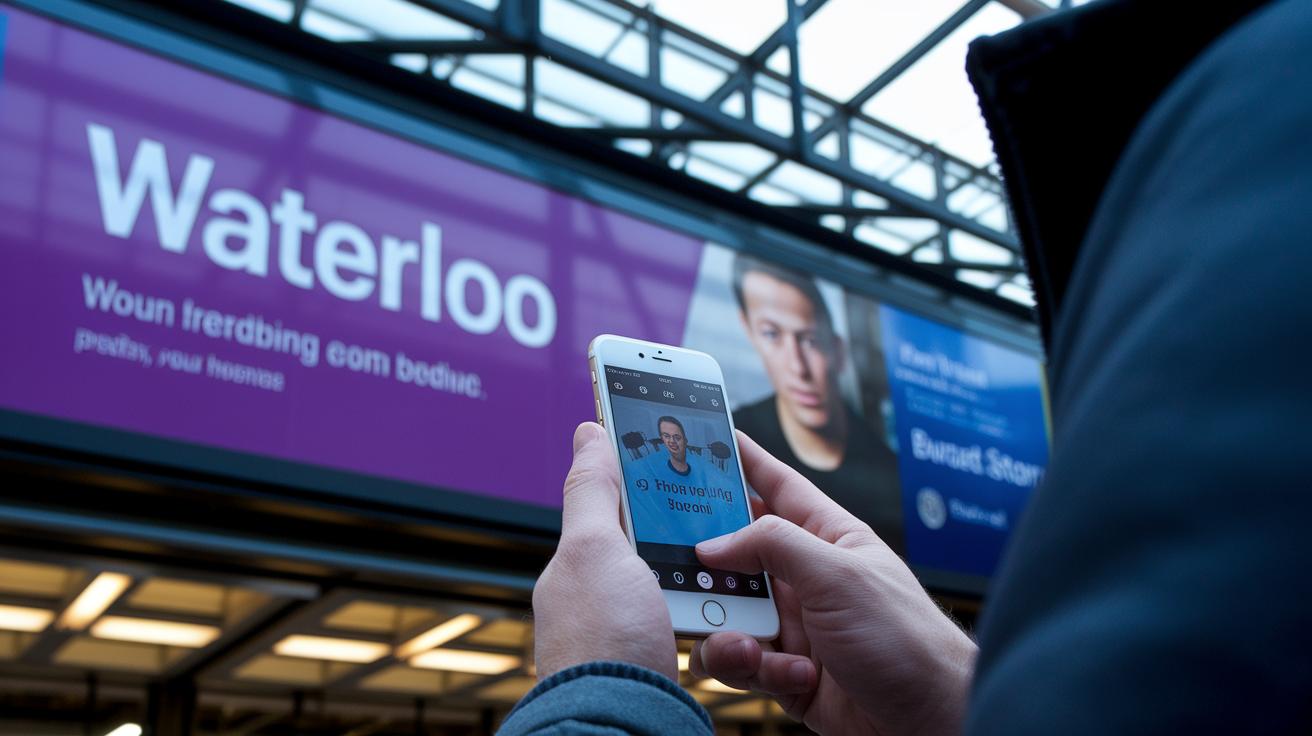
A design firm recently mixed old-school and new-school tactics with amazing results. They set up billboards at London’s Waterloo Station and ran Instagram story ads at the same time. The combo of a real-world display with an online connection sparked a 120% jump in website visits and a 35% boost in leads. Imagine strolling by a striking billboard and then checking out an engaging Instagram story that fills in the details, it's a lively example of how cross-channel efforts can work wonders.
In another story, a retail brand took a step back to basics. They sent direct mail postcards featuring special coupon codes. This simple move led to a 4% response rate and brought in an eightfold return on investment. Just picture getting a postcard in your mailbox that feels personal and sparks you to take action. With a unique offer and a clear call to action, every postcard became a mini invitation to engage.
These stories show that when you blend traditional methods with digital moves, they work like a well-oiled machine. Whether it’s tracking website traffic or response rates, the clear results prove that combining these tactics creates powerful, measurable outcomes that really stand out in any marketing campaign.
Integrating Traditional and Digital Marketing for Cohesive Campaigns
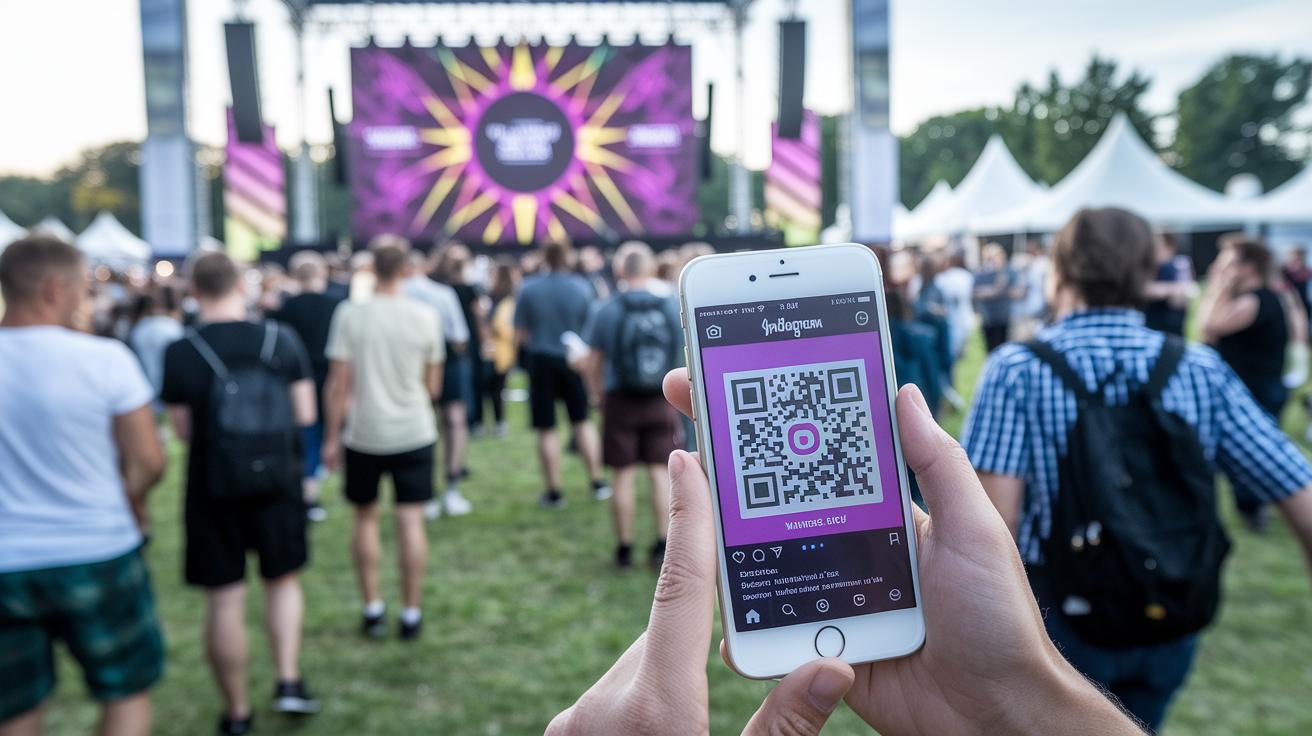
Mixing traditional and digital strategies can truly boost how your campaign performs. One handy idea is to put QR codes on print ads. Imagine scanning a code from a magazine ad and landing on a special page. That small tweak can really lift real-life engagement.
Live social updates during events are another neat trick. Picture an event outdoors with a live Instagram stream that brings the excitement directly to your followers. It not only shines a spotlight on your event but also fires up online buzz.
Then there’s the power of retargeting. After someone sees your billboard or poster, you can follow up with customized digital ads (automated ads that adjust based on audience behavior) to reinforce your brand message. It’s like giving your campaign a digital handshake.
Finally, pulling all your campaign data into one dashboard makes a big difference. When you see everything in one place, you can fine-tune your spending across both traditional and digital channels. This way, every marketing dollar really counts.
Here are some key steps to get started:
- Add QR codes to printed materials to drive instant online actions.
- Use live social updates during events to capture and share the excitement.
- Retarget ad viewers with digital ads after they see out-of-home content.
- Consolidate your data for better insights and smarter spending.
Final Words
In the action, we broke down the essentials of offline channels and digital campaigns, spotlighting impressions, cost efficiency, and measurable outcomes. We walked through detailed cost comparisons, audience analytics, and real-world case studies that show how aligning print and online methods creates a strong marketing mix. This quick recap highlights the strengths of traditional marketing vs digital marketing, paving the way for smarter, more integrated strategies. Keep experimenting and refining tactics for bold results ahead.
FAQ
What is the difference between digital marketing and traditional marketing?
The difference between digital marketing and traditional marketing lies in the channels used. Traditional marketing uses offline mediums like TV, radio, and print ads while digital marketing harnesses online tools like social media, PPC, and SEO for measurable results.
What are some examples of traditional marketing?
Traditional marketing examples include TV commercials, print ads, radio spots, billboards, and direct mail. These channels build local trust and offer repeated exposure to target audiences.
What are examples and types of digital marketing?
Digital marketing includes search engine optimization (SEO), pay-per-click ads, email campaigns, social media marketing, content marketing, influencer collaborations, and affiliate marketing. These strategies enable precise targeting and real-time performance tracking.
What are the pros and cons of traditional versus digital marketing?
Traditional marketing provides high local credibility and trust, while digital marketing excels in targeting and measurable performance. However, traditional methods often incur higher costs and offer limited analytics compared to the data-driven insights of digital channels.
Is traditional marketing still effective?
Traditional marketing remains effective by building consumer trust and producing strong local exposure. Many people still rely on print, TV, and radio, making it a valuable complement to modern digital campaigns.
How can integrating traditional and digital marketing benefit a campaign?
Integrating these methods blends the credibility of offline media with the precision of online targeting, leading to a more cohesive campaign that maximizes audience reach and enables detailed performance tracking.