
Ever wonder if your marketing data is really giving you that extra push? Nowadays, a lot of folks say it’s the numbers that steer every decision.
Imagine starting your day with a hot cup of coffee while your dashboard updates itself like clockwork. It’s almost like watching the buzz of a live campaign unfold right before your eyes.
In this post, we explore how trends such as automation and smart algorithms (basically, programs that help make decisions on their own) are shaking up campaign strategies. We break it down into clear, actionable insights that turn plain data into a story of growth.
Get ready to discover ideas that might just change the way you look at marketing analytics.
Key Marketing Analytics Trends Shaping Strategy

Data is steering today's marketing strategies, and as we approach 2025, seven clear trends are setting the pace for smarter decision-making. Marketers now depend on data so much that the buzz of a freshly launched automated reporting tool feels like a game changer.
Automation is shaking things up. Imagine watching your performance dashboards update in real time without lifting a finger. This rapid, hands-off approach not only saves time but also lets teams fine-tune their campaigns on the fly.
Here’s what’s driving the shift:
- Automation of analysis: Fast data crunching and easy reporting mean campaigns get optimized faster than ever.
- Multi-touch attribution and predictive analytics: Instead of relying on a one-off data point, modern techniques track every customer interaction, giving you a fuller picture (similar to piecing together a fun puzzle).
- Adoption of AI and ML: These smart tools help break down your audience into clear segments and even predict upcoming trends, turning raw numbers into clear strategies.
- Expanding digital and mobile touchpoints: With more platforms than ever, sophisticated tools are essential to manage the growing variety of data sources.
- Self-service analytics growth: New interactive dashboards let anyone dig into live data, meaning you can adjust strategies on the go without needing a tech expert.
- Enhanced data privacy and security: With tighter rules, especially in sectors like healthcare and finance, keeping data safe is a top priority.
- Emotional analytics emergence: Beyond simple click counts, this trend digs into how customers actually feel, sharpening your messaging and overall experience.
The roadmap released on September 22, 2025, highlights these top priorities, automation, emotional insights, broad engagement strategies, and robust data protection.
For a closer look at these evolving trends, have a peek at the latest digital marketing trends at adruckus.com?p=149.
Automation’s Role in Modern Marketing Analytics Trends
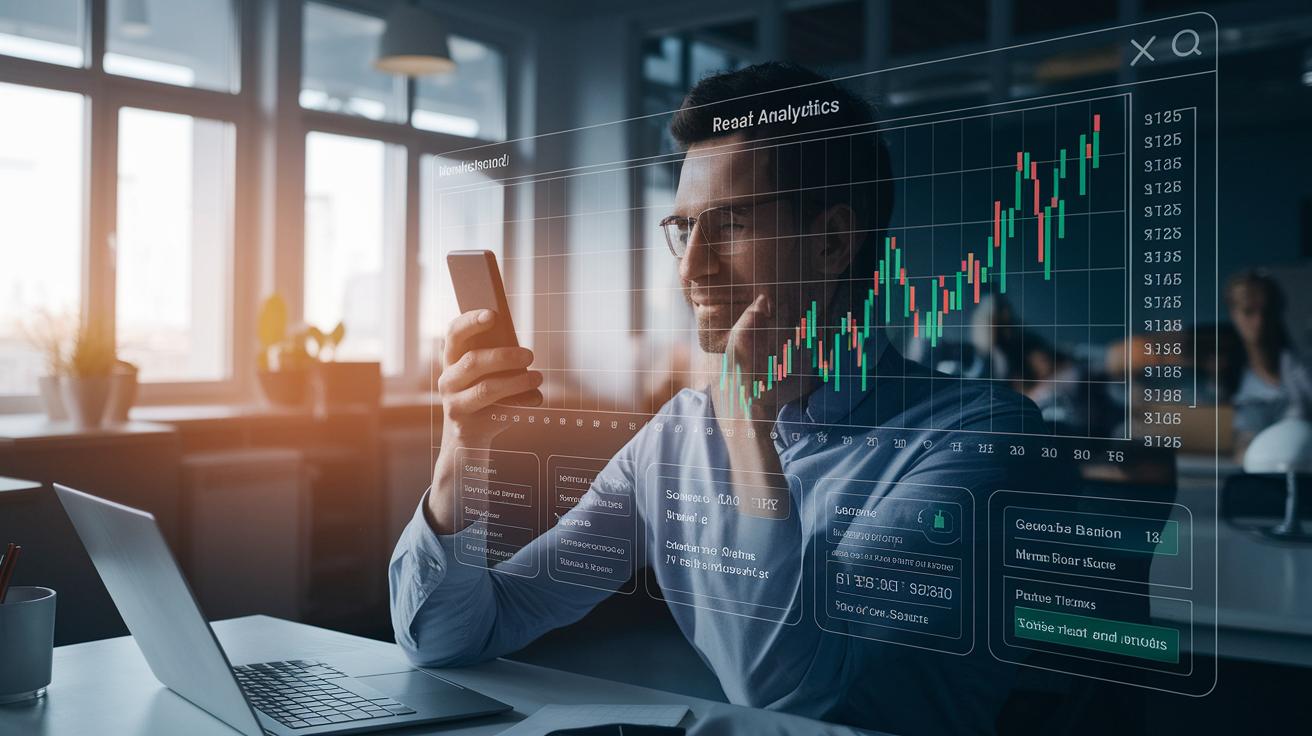
Automation is completely reshaping how we look at marketing analytics. It’s not just about speeding up tasks; it’s mixing in smart, advanced techniques that give you richer insights. Marketers now have tools that do more than just collect and clean data, they use machine learning (technology that lets computers learn from data) to catch small trends as they emerge. Picture this: mid-campaign, your dashboard lights up when a micro-influencer buzz starts, letting you quickly adjust your bids.
Key innovations include:
- Real-time social listening integration: Some brands now mix automated data with live social chatter, giving them a clear edge when trends shift unexpectedly.
- Machine learning for predictive insights: Imagine a system that warns you about potential dips or surges in campaign performance before they even occur, like getting a weather update for your ad spend.
- Case studies showing measurable impact: One global retailer slashed reporting time by 55% through automation, turning hours of decision-making into just minutes.
| Metric | Before Automation | After Automation |
|---|---|---|
| Data Reporting Time | 6 hours | 2 hours |
| Decision Speed | Slow | Real-time |
AI and Machine Learning in Marketing Analytics Trends

Brands are jumping on the AI and machine learning train because they want smarter ways to connect with their audiences and get campaigns running like a well-oiled machine. Algorithms now dig through huge piles of data to spot patterns, split up audiences, and even send out personalized messages, all in the blink of an eye. Imagine a machine learning tool that watches customer actions to catch early hints of someone about to leave, giving you the chance to reach out before it’s too late. It’s like turning a bunch of raw numbers into clear, tactical moves.
Think about a system that fine-tunes ad placements in real time. It constantly adjusts bids and targets fresh segments based on new trends. One retailer recently saw big gains by using an AI-driven platform that kept a close eye on engagement data, leading to smarter spending and a wider market reach. With AI-powered models, understanding the customer journey is no longer a guessing game; it’s precise, quick, and a game changer compared to old-fashioned manual analysis.
Experts say enterprise AI is only going to get bigger through 2025, as more companies leap into advanced data science. Marketers who embrace these tools can expect quicker automation cycles and sharper segmentation strategies. For a deeper dive, check out ai marketing and see how these innovations are reshaping campaign strategies.
Machine learning models not only make handling complex data a breeze, they also set up a constant loop for improvements. That’s why AI is quickly becoming a cornerstone in modern marketing analytics trends.
Predictive Analytics and Forecasting Trends in Marketing Analytics

Predictive analytics is quickly becoming a marketer’s best friend. Instead of merely crunching old numbers, savvy brands now lean on algorithmic forecasting models to peek into the future. These smart models blend current campaign data and live market signals to predict when sales might spike or dip. Imagine having a system that alerts you to a spending surge before it even kicks in.
Using these forward-thinking techniques, companies can sharpen their resource allocation and boost ROI by homing in on high-impact channels. Sales forecasts shaped by predictive methods help nail down budget plans and craft strategies that hit the mark. Even multi-touch attribution models, which track every customer interaction (that is, every step along the customer journey), are stepping up with forecast features. This all-around approach lets marketing teams pinpoint key moments with greater precision and agility.
Take it from one retail firm that, after tweaking their spending based on predicted trends, enjoyed a 12% revenue jump in a single quarter. It’s a clear win, showing that swapping out old reports for cutting-edge analytics leads to smarter, real-time decision making.
Evolving Attribution Models in Marketing Analytics Trends

Marketing teams are moving away from counting just one customer touchpoint and are now embracing models that look at every single interaction along the way. These multi-touch methods, like time-decay (where recent clicks count for more), position-based, and algorithmic approaches (using smart formulas to spread credit), offer a fuller picture of how a campaign performs. Picture this: a potential buyer clicks on three different ads in a short time, and the last click might carry the most weight in their final decision.
Now, by tracking interactions across multiple channels, imagine combining social media, email, and website visits, brands can measure their return on investment with greater precision. For instance, a retailer switched to this approach and discovered that linking social media with email not only improved their spending efficiency but also helped pinpoint what truly sparked a conversion.
Using these updated techniques, marketers can easily spot the crucial moments that make all the difference in a campaign. Teams can turn scattered data into clear strategies, helping them decide where to focus their efforts and maximize growth across both digital and mobile channels.
Data Privacy and Security in Marketing Analytics Trends

Companies today are really honing in on keeping customer data safe. With strict rules like GDPR (General Data Protection Regulation) and CCPA (California Consumer Privacy Act) in full swing, marketers are stepping up by using smart, privacy-friendly methods. They’re using techniques like anonymizing data, managing consent carefully, and storing information securely, all while still getting the clear insights they need.
By mixing in these practices, brands keep data trustworthy and hold on to the customer trust that matters. For instance, imagine looking at campaign results using anonymized data so personal details never get exposed. This approach not only keeps analytics spot-on but also does right by customer privacy, helping to build a strong, ROI-driven strategy.
As cyber risks keep evolving and rules get even tighter, investing in serious data security is more crucial than ever. Companies that stick to safe storage and clear consent methods see their customer relationships and campaign accuracy grow hand in hand. In fact, this move is changing how analytics systems work, making sure that fresh, smart reporting doesn’t come at the cost of the trust that fuels effective marketing.
Rise of Self-Service and Visualization Trends in Marketing Analytics

Imagine a world where anyone on your team can turn dry data into a lively story without being a tech whiz. Self-service platforms are taking center stage by letting marketers easily pull up-to-the-minute data, set alerts for key numbers, and run reports automatically. Even small startups have seen campaign efficiency jump by over 30% using simple drag-and-drop dashboards.
Live dashboards now make data review feel interactive and fun. Marketers can effortlessly switch between detailed views and quick snapshots to spot the trends that matter most. A clear, mobile-friendly dashboard is more than just a nice feature, it's a game-changer in today's fast-moving market.
Here’s what makes these tools stand out:
| Feature | Benefit |
|---|---|
| Automated Reporting | Generates full reports on schedule with one click, cutting down manual work. |
| Advanced Visualization | Makes it easy to see trends and spot outliers at a glance. |
| Real-Time Engagement Stats | Monitors audience behavior live, so you never miss a beat. |
With these tools, decision-makers can act instantly, tweaking strategies as fresh insights roll in. That ability to visually explore data not only builds confidence, it streamlines analysis and sets the stage for real growth in competitive markets.
Emotional and Consumer Sentiment Analytics Trends

Emotional analytics is a new way to truly understand what customers are feeling. Today’s tools pick up on facial expressions, voice tones, and even text sentiment, painting a lively picture of how people react to a brand. Imagine a brand watching a video ad and catching that genuine smile, that single moment can speak volumes.
Marketers are now blending customer sentiment with social engagement trends to fine-tune their messaging. They adjust ad copy, visuals, and offers in real time based on what people seem to feel. Tools that pick up on the tone of a feedback call or dig deep into online reviews help brands turn raw feelings into smart decisions. When messaging connects with true customer emotion, the whole experience gets a boost and campaigns tend to perform better.
Future Outlook: Next-Gen Marketing Analytics Trends

A roadmap from September 22, 2025, hints at a major shift in marketing analytics. Think of augmented analytics as a tool that mixes human creativity with smart data techniques, automatically fine-tuning its analysis to spot trends you might otherwise miss. It's like adding a secret weapon to your marketing strategy.
Real-time tracking across smartphones, tablets, and desktops is changing the game for understanding consumer behavior. Imagine a system that follows a customer's journey seamlessly, helping brands adjust their messages as consumers switch devices. This means your marketing stays sharp and consistent no matter where people are.
Then there are AI-driven prescriptive models, smart systems that tell you exactly what to do next. They not only forecast trends but also suggest actions, such as tweaking ad copy during a campaign or shifting budget when opportunities arise. It’s a swift, strategic pivot that could make all the difference.
On top of that, privacy-first architectures are revolutionizing data collection. By building secure data practices right from the start, businesses can earn customer trust and keep information safe. In this evolving landscape, marketers need to gear up for a future where agile, intelligent analytics drive growth across every channel.
Final Words
In the action, we covered top marketing analytics trends shaping strategy, from automating analysis and integrating AI and ML to evolving attribution models and boosting data privacy. We unpacked predictive techniques, real-time self-service tools, and the fresh take on emotional analytics. The roadmap released on September 22, 2025, laid out a clear path for automation, multifaceted engagement, and robust data protection. Innovative ideas drive progress in marketing analytics trends, leaving us ready and excited for what’s ahead.
For further reading on broader shifts, check out digital marketing trends: https://adruckus.com?p=149
FAQ
What are some current marketing analytics trends and examples?
The current marketing analytics trends include automation, multi-touch attribution, AI and machine learning enhancements, self-service tools, and even emotional analytics that allow teams to quickly adjust campaigns based on clear, data-driven insights.
What does marketing analytics analysis of trends involve?
Marketing analytics analysis of trends involves measuring campaign performance, evaluating data with automated workflows and predictive models, and uncovering customer behavior patterns to guide strategic modifications for improved results.
What is the future of marketing analytics?
The future of marketing analytics is set to integrate advanced AI-driven models, predictive techniques, reinforced data privacy measures, and real-time self-service tools, empowering agile strategies as digital data volumes continue to grow.
What are some marketing trends right now?
Some marketing trends right now include utilizing real-time dashboards, AI-enhanced personalization, self-service reporting tools, and sentiment analysis methods that help refine messaging and boost overall customer engagement.
What are some examples of digital marketing trends?
Digital marketing trends include predictive analytics, automated reporting systems, multi-channel attribution techniques, and AI-powered personalization strategies that enable marketers to optimize tactics quickly and efficiently.
How do social media and content marketing contribute to current trends?
Social media and content marketing rely on analytic insights, real-time data visualization, and responsive reporting that fine-tune messaging, improve targeting, and measure campaign performance effectively.
What are examples of statistics in marketing analytics?
Examples of marketing statistics involve conversion rates, multi-touch attribution figures, sentiment analysis scores, and campaign performance metrics which are essential for optimizing spending and tracking ROI.
Further reading on digital marketing trends: digital marketing trends