
Ever notice how first-time visitors often hesitate before they hit the buy button? Almost 92% of them take their time, so having a full funnel marketing strategy is like holding a secret ace up your sleeve.
This approach works by catching the eye with appealing content and steadily building trust. It gently nudges each potential customer toward feeling sure about their choice, turning a small spark of interest into lasting growth.
Stick with us and see how every step of this process creates momentum and lights up your business success.
Full Funnel Marketing Strategy Ignites Growth
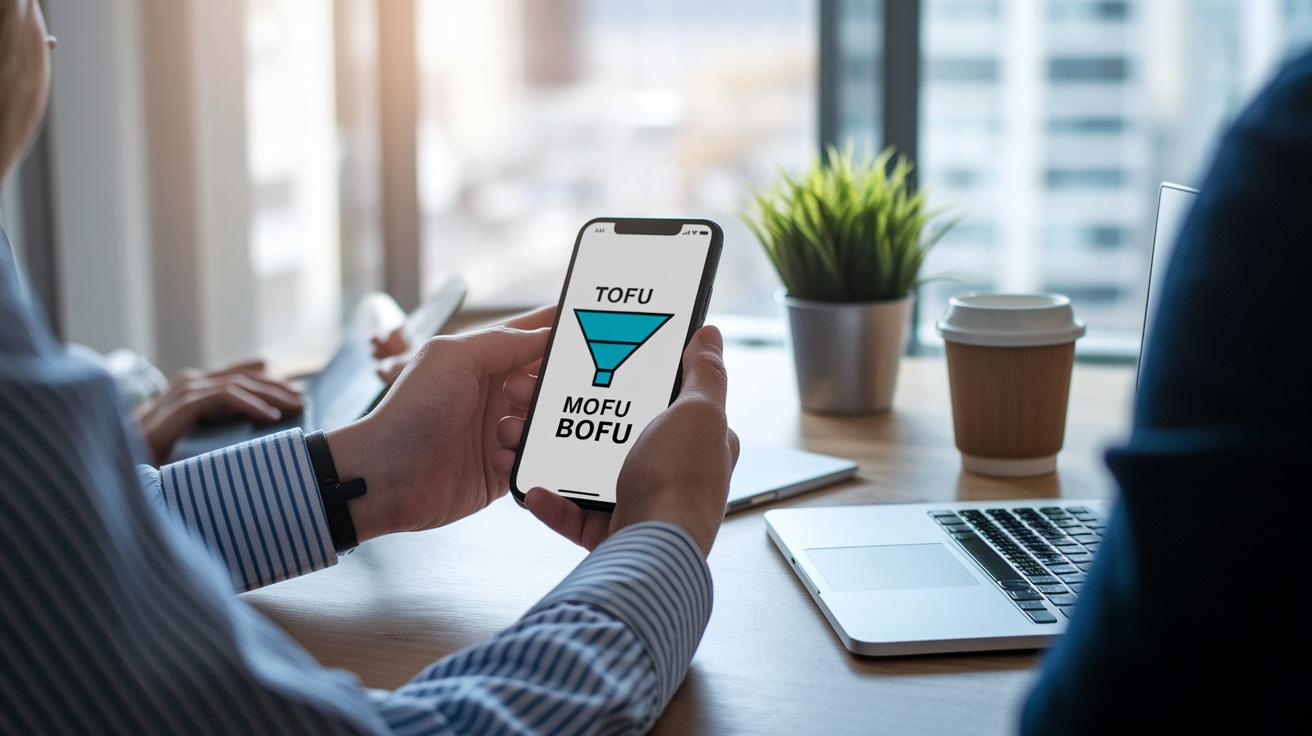
Full funnel marketing strategy takes a holistic view by adjusting your message based on where your customer is in their journey. Fact: 92% of first-time visitors aren’t ready to buy right away, with only 3% converting immediately. This tells us that prospects need nurturing at every step, which is why starting with a striking statistic like that sets the stage for a smart plan.
Next, this strategy breaks the journey into clear stages. In the Awareness stage (often called TOFU), the goal is to grab attention using channels like social media, content marketing, and email. It’s the time for creative ads, catchy blog posts, and dynamic infographics. You track success with simple metrics like traffic, impressions, and reach.
As prospects move to the Consideration stage (MOFU), trust becomes the focus. Here, detailed content such as case studies, webinars, and targeted email series add value and build reliability. A solid customer journey map helps deliver tailor-made messages that speak directly to informed buyers. Imagine an email series that smoothly guides and educates before nudging prospects with a timely case study.
Then comes the Conversion stage (BOFU), where the aim is to seal the deal. Streamlined checkout flows, personal proposals, and timely offers help remove any obstacles. Performance is measured using key indicators like conversion rates and cost per acquisition (CPA, which is how much you spend to gain a customer).
But the journey doesn't stop after purchase. The loyalty phase keeps the momentum going with clever tactics like referral programs and rewards to keep customers coming back. Data analytics and marketing automation ensure that every touchpoint hits at just the right moment, while predictive AI enhancements (tools that forecast and optimize outcomes) provide actionable insights to boost your campaign even more.
Top-of-Funnel Awareness Tactics in Full Funnel Marketing Strategy

Almost every visitor, about 96%, lands on your website without immediate plans to buy. So, it’s crucial to hook them early on. Think of top-of-funnel tactics as a friendly invitation rather than a hard sell. Native ads, for instance, craft a story that feels relatable, imagine an ad saying, “Step into our world of creativity,” inviting viewers to explore without the pressure to purchase right away.
Video ads work like a spark, catching attention in seconds with a brief message like, “Watch how small ideas turn into big breakthroughs.” It’s these quick, engaging snippets that grab the viewer’s interest instantly. Social media posts and blog articles play their part too; they mix education with entertainment and slowly guide potential customers along the brand journey, much like a well-planned story unfolding.
Infographics break down numbers and facts into easy-to-understand visuals, giving audiences clear and attractive snapshots of useful insights. And then there are introductory webinars, casual online sessions that let prospects learn more about your brand in a relaxed setting, adding a personal human touch.
To see what’s working, marketers track simple metrics like traffic, impressions (the number of times an ad shows up), reach, and share of voice. These numbers help us understand how people are responding and let us fine-tune our approach for the best impact.
Middle-Funnel Engagement Strategies within a Full Funnel Marketing Strategy

This stage is all about educating your audience and earning their trust. Here, you're not just throwing out information, you’re starting a genuine relationship. Think of it like sharing real-life success stories on your website or through emails that paint a clear picture of outcomes. Webinars on LinkedIn add an interactive twist, making it feel like you're hosting a mini online event where prospects can learn and ask questions without any pressure. Imagine kicking off a session with a line like, "See how one campaign turned challenges into wins." It's engaging and invites curiosity.
Email drip campaigns play a big role here, delivering tailor-made messages over time to specific groups. This steady flow of content makes people feel more at ease with your brand as they get to know it better. And then there are interactive quizzes or assessments, which offer a fun way to get involved while collecting valuable insights about their interests. It’s about crafting an experience that gently leads them toward making a decision.
Tracking your progress is key at this point. You want to keep an eye on everything from new leads and marketing-qualified leads (MQLs – leads deemed likely to buy) to webinar sign-ups, email opens, and even how long folks stick around on your page. The table below breaks down some core tactics:
| Tactic | Channel | Objective | Metric |
|---|---|---|---|
| Case Studies | Website, Email | Build Trust | MQLs, Time on Page |
| Webinars | Educate Prospects | Registrations, Attendance Rate | |
| Email Drip Campaign | Nurture Leads | Open Rate, Click Rate | |
| Interactive Quizzes | Website | Boost Engagement | Completion Rate |
Each of these tactics works together to keep your audience engaged and help them feel confident as they edge closer to a purchase decision.
Bottom-Funnel Conversion Optimization in Full Funnel Marketing Strategy

When prospects hit the final stage, a well-timed incentive can be the tipping point to seal the deal. Smooth checkout paths and clear calls to action are critical, but adding a burst of urgency with a last-minute email can really make a difference. Think of an email that says, "Final hours, claim your exclusive discount now!"
Letting potential customers try before they buy, via free trials or demos, invites them to experience your product with no strings attached. Imagine a message like, "Start your 14-day free trial today and see the difference!" On top of that, offer extra value with limited-time bundles, picture, "Buy two, get one free today!"
Keep an eye on key metrics like conversion rates, cost per acquisition (CPA, which shows how much you spend to gain a customer), and customer lifetime value forecast. These numbers help you smooth out the decision-making path, making it as effortless as possible.
- Promotional Emails with Time-Sensitive Discounts
- Free Trials and Demos
- Personalized Sales Proposals
- Limited-Time Product Bundles
Post-Purchase Engagement and Retention in Full Funnel Marketing Strategy

Keeping customers on board doesn't end when they buy. Instead, it's about nurturing the connection through things like exclusive invites to product launches, loyalty rewards, referral perks, and special promos. Think of it like sending a newsletter with member-only goodies or fun referral bonuses, sparking a conversation that turns one-time buyers into lifelong fans.
Business success in this phase can be seen in numbers like retention rates (how many stick around), churn rates (how many leave), and referral sign-ups (how many bring friends along). By regularly checking these figures, brands can tweak their plans to keep customers smiling and ready to advocate for them.
Referral Programs
A great referral program starts with clear, friendly rewards that encourage customers to share the word. Picture sliding a referral link into an email or offering a small bonus discount for every friend a customer brings. It’s like saying, "Hey, share the love and enjoy a reward on your next buy." Using automated systems for tracking makes sure every chance to win new fans is not missed.
Loyalty Offers
Loyal customers deserve a little extra love. Building reward tiers or organizing exclusive events can really make them feel special. Imagine a cozy event where VIPs get a sneak peek at the newest products, this kind of exclusivity fires up excitement and keeps them coming back for more, ensuring their loyalty stays solid.
Measuring Performance and ROI in Full Funnel Marketing Strategy

Tracking how well your campaigns perform is more than a simple check, it’s about turning numbers into smart moves. First, lock in on the key performance indicators (KPIs) that steer your strategy. Think about everyday metrics like click-through rate (the percentage of visitors clicking on your link), engagement rate, conversion rate, cost per acquisition (CPA, which tells you how much you're spending to earn a new customer), and return on investment (ROI). For instance, if you see a 5% click-through rate, that means 5 out of every 100 visitors are engaging with your content.
Next, set up analytics tools that help you follow a customer’s journey at every step of the funnel. These tools offer a behind-the-scenes look at multi-touch attribution (showing how every interaction, like an ad click or a website visit, builds up to the final sale). Picture a dashboard that tracks pipeline velocity, showing you how quickly leads move from one stage to the next, so you can make real-time tweaks to your plan.
Regular check-ins are key to keeping your strategy nimble. Schedule routine reviews that pit your actual results against expectations and keep an eye out for seasonal changes or economic shifts that might change customer habits. For example, if your conversion rate drops during a known seasonal lull, a quick review might prompt you to launch a timely, targeted promotion. This steady cycle of review and fine-tuning ensures that your full funnel tactics are always aligned with your sales goals and that every marketing dollar works as hard as possible.
Final Words
In the action, this overview broke down a full funnel marketing strategy from sparking awareness to solidifying loyalty. Each stage, from catching attention with native ads to nurturing trust through interactive content, feeds into a smooth customer journey.
The insights here blend concrete tactics with real-world metrics. Embracing a complete conversion approach can fuel growth and help shape smart, profitable campaigns. Optimism and clarity drive us forward.
FAQ
What is a full funnel marketing approach?
The full funnel marketing approach uses targeted messaging for each stage of the customer journey. It engages users from the first interaction through post-purchase retention while tracking performance across channels.
What is a full funnel marketing strategy?
The full funnel marketing strategy aligns creative content, customer journey mapping, and performance tracking to guide prospects from awareness to loyalty. It creates a smooth path that supports conversions at every touchpoint.
What does full funnel marketing mean?
Full funnel marketing means applying tailored tactics at every customer stage—from initial awareness to post-purchase retention—using diverse channels like social media, email, and content to drive conversions.
What are the key stages of the marketing funnel?
The key stages include awareness, interest, consideration, conversion, and retention. Each stage features specific tactics designed to educate, engage, and ultimately convert visitors into loyal customers.
What are some upper funnel marketing examples?
Upper funnel marketing examples include native video ads, social media posts, and informative blog articles. These tactics aim to generate awareness, drive traffic, and set the stage for deeper audience engagement.
How can a full funnel marketing agency help my business?
A full funnel marketing agency crafts strategies that cover every customer touchpoint. They combine audience research with creative tactics and data analysis to boost conversion rates and improve long-term customer engagement.
What is the best full funnel marketing strategy?
The best full funnel marketing strategy blends customer journey mapping with targeted content and real-time analytics. It adapts messaging to meet prospects’ needs at each stage, paving the way for effective conversions.
What are the main types of marketing funnels?
The main types of marketing funnels include those for awareness, engagement, conversion, and retention. Each funnel is designed to address specific customer phases, guiding prospects from initial interest to loyal clients.