
Ever wonder if your SaaS marketing is missing that spark? Think of your plan like a set of building blocks that, when put together just right, can fuel real growth.
Start with a few smart goals, a clear picture of who your customers are, and the right ways to reach them. Each piece matters, like tools in your kit that work in harmony to drive sign-ups and keep users coming back.
This post breaks it down step by step. You'll see how a little creativity paired with some solid analytics can transform your strategy into a vibrant path to lasting success. Ready to light up your marketing game?
Building a Core SaaS Marketing Strategy Framework

SaaS marketing isn’t your typical one-and-done advertisement, it’s all about building relationships that last. Instead of just making a sale, you’re on a constant journey of nurturing and guiding your users as your product grows. Think of it like a living, evolving tool: each update means you have to refresh your message and help customers adjust. In short, pulling together your strategy means really understanding this ongoing process (for more details, check out the "what is marketing strategy" guide).
- Setting goals with lifetime value to customer acquisition cost targets (LTV:CAC) to measure long-term success
- Crafting detailed ideal customer personas
- Shaping your product’s position and pricing insights
- Picking the right channels for your message
- Mapping out the entire customer journey
- Relying on data to keep optimizing
In the world of SaaS, your value has to click with both big businesses and everyday users. Business solutions need to show clear, measurable benefits, while consumer products focus on a smooth, engaging experience right from the start. A smart strategy mixes clear metrics with creative ideas and tech know-how to drive both new sign-ups and loyal retention. Imagine a campaign where every step, from that first hello to a nurturing follow-up email, is clear, measurable, and speaks directly to your audience.
By linking solid goal setting, clear customer profiles, and smart channel choices with tactical product positioning and ongoing engagement, every part strengthens the whole picture. This approach makes sure that every customer touchpoint flows naturally into the next, boosting subscriptions while keeping user satisfaction front and center.
Tracking SaaS Marketing Metrics and Analytics

Analytics are the secret sauce behind smart spending and perfecting your approach to reaching new customers. By breaking down key numbers like customer acquisition cost (CAC – what you spend to win a customer), customer lifetime value (CLV – the total profit you earn from a customer over time), and churn rate (the percentage of customers you lose), you can quickly see which channels are really moving the needle. It’s like having a trusty map that guides every dollar to show real results.
| Metric | Definition | Example Calculation |
|---|---|---|
| CAC | The cost to acquire one customer | $60 per customer |
| CLV | Total revenue generated from a customer over time | $180 over 6 months |
| CLV:CAC Ratio | A comparison of customer lifetime value to acquisition cost | 3:1 ratio |
| Churn Rate | The percentage of customers lost in a given period | 10% monthly churn |
| MRR | Monthly recurring revenue from subscriptions | $10,000 monthly |
Tracking these figures lets you tweak your budget and marketing tactics on the fly. When you keep tabs on everything from your CLV:CAC balance to churn percentages, every campaign becomes a fresh chance to recalibrate your strategy and take your SaaS growth to the next level.
Inbound Content Tactics in a SaaS Marketing Strategy

Inbound content works wonders for subscription models by gradually building trust with potential customers. It offers a steady stream of helpful info that lets users dig deep into your product before they commit. Did you know prospects interact with about 11 content pieces before converting? Every blog, video, and email becomes a small step toward securing a lasting subscription.
Blog and SEO Content
Creative, keyword-based articles and polished product pages form the core of a smart content plan. Picture a blog post like "5 Ways to Boost Your Team’s Efficiency" catching the eye of a busy manager; it not only informs but also invites them to learn more through easy-to-find contact forms. This approach gently lures interested readers right into your sales funnel.
Video and Webinars
There’s something special about video content, it turns complex ideas into clear, engaging stories. Live demos and well-crafted storytelling videos show off your SaaS product without the clutter of heavy text. Then there are interactive webinars that walk viewers through real use cases while gathering contact details from those who care. It’s like blending education with entertainment, smoothing the journey from lead to customer. And really, the shift towards immersive content underscores just how vital visual media has become in our field.
Email Nurture Sequences
Imagine a simple, friendly email welcoming someone into your world, followed by useful product tips that guide them deeper into your funnel. With automated email sequences, you can keep the conversation going effortlessly. A quick note like, "See how our solution transforms everyday tasks," helps potential customers stay curious and engaged along the way.
When you integrate blogs, videos, and smart emails, you create a smooth and memorable journey for your audience. This consistent, touchpoint approach not only drives new sign-ups but also builds lasting relationships by continually offering the right information at the right time.
Multi-Channel Outreach in SaaS Marketing

When it comes to multi-channel outreach in SaaS marketing, it’s all about knowing who you’re talking to. Start by segmenting your audience and matching each channel to the right buyer persona and product feature. Take email campaigns; for example, they might bring in up to $36 in revenue for every dollar spent, making them a real powerhouse. Paid search and social media ads spread your message far and wide, while micro-influencers (small-scale influencers with dedicated followers) add that authentic touch to appeal to niche audiences. Imagine sending out a personalized email flow that ramps up trial sign-ups, perfectly paired with social posts that catch eye after eye.
Spending smartly is crucial too. Many SaaS companies set aside a modest budget for micro-influencer partnerships, using their networks to extend their reach. A balanced plan might set funds aside for paid search while also fueling finely tuned email campaigns that convert curious trial users into dedicated customers. When every spending decision is based on clear buyer segmentation and the specific needs of your product, every dollar works hard to boost those subscription numbers and elevate your overall campaign impact.
Lifecycle Marketing and Automated Retention in SaaS Marketing
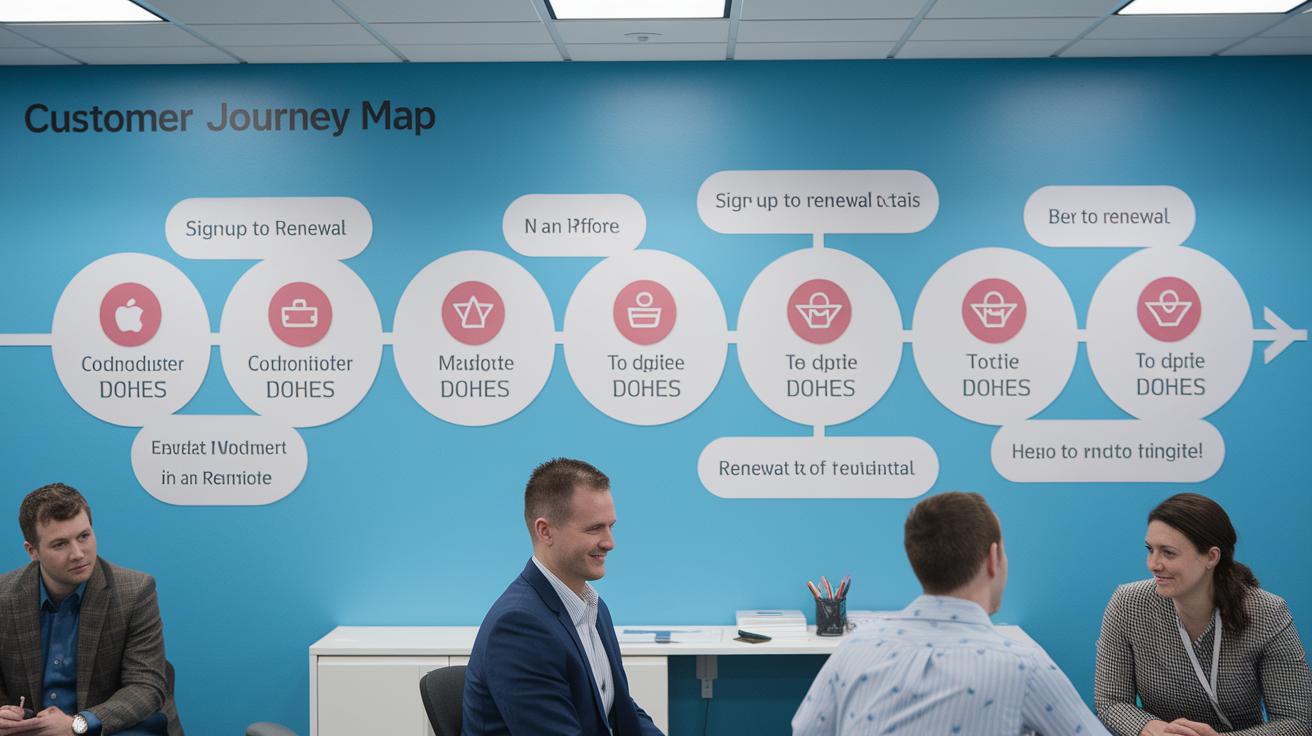
Mapping each customer touchpoint is the secret to keeping users onboard from day one. From the first sign-up to regular usage and the crucial renewal stage, every moment counts in cutting down churn. Think of it like drawing a step-by-step map that starts with a friendly welcome and then guides customers with easy, actionable tips. This approach not only makes the journey clearer but also builds trust, customers always know someone’s there when they need a hand.
Automated workflows add an extra layer of support by sending out timely emails. Imagine receiving a note with tips, updates on new features, or a gentle reminder about renewal right when you need it most. Custom email flows help each user feel like the message was made just for them, boosting long-term engagement. Plus, launching loyalty and referral programs with real incentives for sharing the good news turns satisfied users into your best advocates. The outcome? A cycle of continuous support that transforms trial users into loyal subscribers, steadily growing your base.
Advanced Growth Strategies for SaaS Marketing
Using account-based marketing (ABM) to target enterprise prospects can truly boost your chances of locking in high-value deals. When you design campaigns that speak directly to specific companies and key decision-makers, you align your effort with what genuinely matters to each prospect.
Scalable Referral Programs
Think about crafting referral incentives that reward your customers, like offering discounts or bonus features when their referral signs up. Tracking tools help you monitor these referrals and automatically distribute rewards. This kind of loop builds a self-sustaining growth engine that keeps drawing in new users.
Customer Advocacy and Influencer Models
Tap into the buzz created by micro-influencers and loyal customers by encouraging them to share their honest experiences. When users who really love your product talk about it on social media or in case studies, it adds a genuine human touch that often outshines traditional ads.
Growth Hacking Experiments
Take a scientific approach with your campaigns by running A/B tests on landing pages and promotional offers. Experiment with interactive ideas like live demos or limited-time offers that invite direct user engagement. Mixing up your variables can uncover surprising insights that boost your conversion rates.
Combining ABM, referral incentives, customer advocacy, and continuous testing creates a multiplier effect that pushes each campaign beyond its baseline, driving steady and sustainable growth in your SaaS marketing efforts.
Optimizing and Iterating Your SaaS Marketing Strategy

Start by setting up performance dashboards and multi-touch attribution models to keep an eye on every conversion. These handy tools offer a clear snapshot of your funnel’s flow, almost like watching a control room come alive with glowing data, showing you exactly where each segment of your audience connects best.
Then, make it a habit to run regular tests and closely track each stage of your funnel. Think of agile sprints as quick tune-ups for your marketing engine, they help you adjust in real time. You get to reallocate resources based on what works best (like shifting funds from one channel to another when their returns differ) and polish your user journey. With steady tweaks guided by real numbers, these small improvements build up to major gains. In short, mix action with careful review so your strategy stays as nimble and profit-focused as your goals demand.
Final Words
In the action, we broke down a solid saas marketing strategy, from core building blocks and performance metrics to engaging inbound content and multi-channel outreach. We touched on lifecycle tactics that keep customers connected and growth strategies that spark genuine results. Each section offered straightforward tips on refining your campaigns with agile tests and clear feedback loops. Keep these insights in mind as you fine-tune your approach and watch your subscription base grow. Here's to making smart moves that build lasting momentum!
FAQ
What is SaaS marketing?
SaaS marketing is the strategic approach for promoting subscription-based cloud services, focusing on continuous customer engagement and retention rather than one-time sales.
What are some examples of SaaS marketing strategies?
SaaS marketing strategies include using content marketing, multi-channel outreach, automated retention workflows, and data analysis to improve customer lifetime value and conversion rates.
How is B2B SaaS marketing strategy different from B2C SaaS marketing?
B2B SaaS marketing focuses on conveying significant value to enterprise buyers through relationship-building and detailed value propositions, while B2C SaaS emphasizes ease of use and broad consumer appeal.
How should one market a SaaS product?
SaaS product marketing involves clear messaging, free trials, educational content, and targeted channel outreach—practical steps to showcase benefits and ease the user onboarding process.
What are the five P’s of a marketing strategy?
The five P’s are Product, Price, Place, Promotion, and People, each playing a critical role in constructing a well-rounded approach that addresses market needs.
Is there a SaaS marketing course available?
Yes, many online courses offer comprehensive training on SaaS marketing fundamentals, providing real-world examples and tactics to help you boost your marketing skills.
Where can I find a SaaS marketing strategy PDF?
A SaaS marketing strategy PDF is typically available on industry websites and educational portals, offering detailed frameworks and actionable insights for planning successful campaigns.
How does salary work in SaaS marketing?
A SaaS marketing salary varies by role, experience, and location, with competitive compensation reflecting the expertise required to drive subscription growth and measurable campaign success.