Ever noticed how old ad campaigns just don’t hit the mark anymore? Today, marketing is all about putting people first and ditching the cookie-cutter approach. Instead of blasting out one-size-fits-all messages, brands now craft experiences that feel like a warm note from a good friend.
By mixing clear digital insights with creative strategies, companies are sparking real connections with their audience. It’s not just about selling a product, it’s about launching ideas that stick and spark fresh trends. And who wouldn’t want their favorite brand to feel this personal and engaging?
Stay tuned to see how these innovative strategies turn outdated ideas into customer-driven successes.
Modern Marketing Concepts Explained
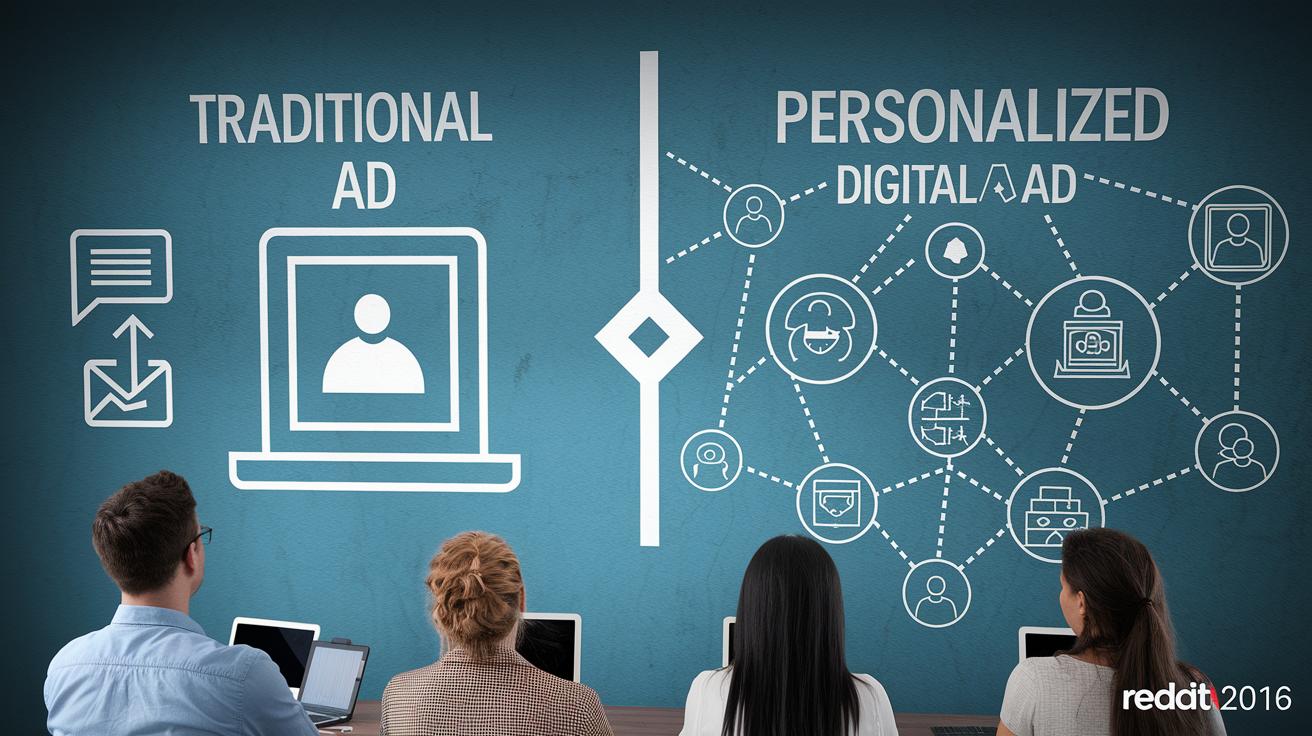
Traditional marketing used to blast one-size-fits-all messages and rely on mass production, where consumers were seen as mere targets. Today, there’s a big shift toward a lively, customer-driven approach. Imagine swapping out a generic newspaper ad for a personal note that really hits home. That’s the heart of today's marketing change.
This shift is fueled by fresh insights from digital marketing trends (which track online consumer habits). Brands are learning to listen before they shout. Strategies now are built on careful market research and clear goals, making sure that every campaign talks directly to what customers need.
Each of these five core frameworks is a step closer to putting the customer first. The production idea is all about streamlining operations so efficiency brings lower prices and more volume, giving buyers extra value. The product idea shows that even a great item needs the right mix of affordability, accessibility, and functionality to really win over customers. The sales idea banks on strong promotions to drive quick sales, even if it sometimes misses the chance for long-term connections. Meanwhile, the marketing idea flips the script by highlighting customer desires in every design and message, which sparks genuine engagement. And finally, the societal marketing idea wraps it all up by weaving in social good, like eco-friendly practices and community values, along with customer focus.
Core Elements of Modern Marketing Concepts

Today’s marketing is like crafting your favorite playlist. Every idea, no matter how scattered, gets together to form a smooth strategy that draws people in and builds lasting bonds. When you mix consumer insights with smart, integrated tactics, your campaign starts to hit all the right notes and creates connections that really stick.
Each ingredient in your marketing mix plays a special part. First off, being customer-focused means doing solid market research and setting clear, simple goals to connect with your audience. Imagine putting together a playlist where every song adds its unique vibe. Then, thinking long-term shifts your view from quick wins to steady, sustainable growth and ongoing engagement. Next, blending creative, sales, and analytical minds is like different instruments jamming together to create a hit. Also, putting money into research and development (that’s R&D) helps fine-tune your product and sparks fresh, unexpected ideas, much like an unexpected twist in a campaign that surprises and delights. Finally, keeping an eye on real-time data lets you adjust your approach fast when trends take an unexpected turn, keeping your campaign as agile as the latest groove.
| Element | Description |
|---|---|
| Customer Orientation | Using focused research and clear goals to line up your products with what your customers really want. |
| Long-term Perspective | Prioritizing sustainable growth and building deep, lasting customer connections over quick wins. |
| Cross-departmental Integration | Bringing creative, sales, and analytics teams together so they all play in harmony across channels. |
| Investment in R&D | Fueling innovation and improving products through dedicated research and development efforts. |
| Data Analytics | Using live data to adjust and fine-tune campaigns for the best possible impact. |
Innovative Tactics in Modern Marketing Concepts

Innovation is the secret sauce that keeps campaigns fresh and lively. By trying new approaches, brands can stand out from the everyday noise, sparking genuine engagement and allowing for quick tweaks that really boost results.
- When you collaborate with influencers, you’re teaming up with a trusted voice whose personal nod instantly builds trust, kind of like when your favorite local chef raves about a hidden gem restaurant.
- Think about launching campaigns designed to go viral. It’s like word-of-mouth on steroids, where the content connects so deeply that people can’t help but share it.
- Picture a PPC campaign where you’re constantly fine-tuning bids and keywords on the fly (in PPC, you’re paying for clicks on your ad). This nimble strategy ensures you shine during peak moments.
- SEO isn’t just about sprinkling keywords; it’s like tuning your website to hit the perfect note that search engines love, driving more organic visits.
- Today's audience loves to engage. Interactive tools like quizzes and polls invite users in, imagine a playful quiz that makes everyone curious enough to stick around longer.
- Virtual reality isn’t just futuristic, it offers a hands-on, interactive way to explore products, like stepping into a real-life showcase.
- Automated email sequences are like having a friendly assistant who sends personalized messages just when your customers need them.
- A real-time performance dashboard acts as a control panel for your marketing engine, offering insights on ROI and conversion metrics that help you steer your strategy smartly.
Together, these tactics form a dynamic strategy that not only grabs attention but also sharpens your campaign as it goes. By mixing compelling storytelling with clear, actionable data, marketers can create adaptable campaigns that truly engage and deliver top-notch results in today’s fast-paced market.
Comparing Traditional Marketing and Modern Marketing Concepts

Traditional marketing used to be all about high volume, cutting costs, and reaching as many people as possible. Companies would pump out print ads, TV spots, and big billboards to deliver one-way messages that aimed to drive quick sales while keeping production expenses low. Think simple slogans like "Buy more, save more" that focused more on efficiency than making you feel personally engaged. It was like treating everyone as part of one giant, uniform group without room for feedback or customization.
Modern marketing, on the other hand, puts you right at the center. Today’s brands work across departments, sales, creative, and analytics all on the same team, to create campaigns that actually speak to your personal needs and current trends. Instead of generic messages, they build detailed customer profiles to offer you tailored experiences. They also mix in eco-friendly practices and community-focused goals, building trust and a sense of goodwill along the way.
Times have also changed when it comes to measuring success. Traditional strategies focused mainly on sales figures and quick wins, while modern marketing digs into engagement analytics (tools that track how you interact with a campaign) and multivariate testing (running multiple versions at once to see what works best). Now, success is measured by long-term customer loyalty and overall brand impact, allowing brands to adjust their messages and strategies on the fly for sustained growth.
Modern marketing concepts Spark Winning Trends

Today, smart planning includes forecasting tools powered by AI (artificial intelligence) that help set clear, measurable goals. Marketers now rely on computer algorithms to figure out realistic targets, like boosting a conversion rate by 15% in just a few months. Imagine an AI tool that digs into past trends and recommends tweaks; one winter, such a tool predicted that personalized emails could lift engagement by 12%.
Mapping out the customer journey has also gotten a boost from advanced personalization techniques. You can break down your audience using data segmentation (organizing customers into groups) to pinpoint key moments, from the very first site visit to the follow-up after a purchase. Picture a brand that sends a custom promo text just as you’re gearing up for a shopping spree, timing is everything.
Campaigns now run with a level of agility thanks to real-time AI testing. Quick-launch mini-campaigns let you try out different creative ideas and offers instantly, refining messages as you go. For example, one fashion retailer tested several ad versions over a weekend and saw a 20% increase in engagement, a surprising win that shows the real impact of on-the-fly adjustments.
Keeping track of how well your efforts are working is simpler with predictive analytics dashboards (tools that forecast future trends). These dashboards monitor shifts in customer behavior, so campaigns can be fine-tuned immediately. One brand’s system spotted a small dip in interest and suggested a quick refresh of its content. Think of it as a smart alert that says, "Try tweaking your landing page if session times drop."
Final Words
In the action, this article broke down modern marketing concepts by contrasting time-tested methods with today's customer-first strategies. We touched on key frameworks, from production to societal marketing, and dug into the core elements driving customer orientation, agile execution, and smart data use. Modern marketing concepts, blended with innovative tactics, empower businesses to refine messaging while driving measurable success. The insights shared here offer clear guidance to fine-tune your strategy, leaving you on a bright path ahead.
FAQ
Q: What are modern marketing concepts?
A: Modern marketing concepts refer to a client-first approach where business strategies center on product quality, customer satisfaction, and social welfare rather than solely on cost and volume.
Q: What are the 7 P’s of modern marketing?
A: The answer covers the 7 P’s: product, price, place, promotion, people, process, and physical evidence, which together guide marketers in meeting customer expectations comprehensively.
Q: What are the 5 main and 4 basic marketing concepts?
A: These concepts include production, product, selling, marketing, and societal perspectives. They help businesses balance efficiency, quality, persuasive efforts, customer needs, and ethical responsibilities.
Q: What is the societal marketing concept?
A: The societal marketing concept aligns business strategies with social and environmental welfare, encouraging ethical practices that benefit both customers and the community at large.
Q: How do modern marketing concepts differ from traditional approaches?
A: Modern concepts emphasize personalized, data-based methods and long-term customer relationships, unlike traditional models that focused on mass production, cost reduction, and one-way messaging.
Q: How is digital marketing integrated within modern strategies?
A: Digital marketing leverages online channels, social media, and real-time data to enhance brand engagement and campaign optimization, driving stronger connections between businesses and consumers.
Q: How does marketing management incorporate modern concepts?
A: Marketing management now relies on thorough customer research, data analytics, and team coordination, ensuring that strategies are adaptable and consistently aligned with customer preferences.
Q: What key digital tactics are used in modern marketing?
A: Tactics include influencer collaborations, real-time PPC adjustments, SEO improvements, interactive content, email automation, and performance dashboards, all aimed at boosting engagement and measurable results.