
Ever thought that ignoring voice queries might be losing you customers? Voice search is taking the marketing world by storm with over a billion spoken questions every month. Picture a busy customer asking a quick question and getting the perfect answer right on time. Smart businesses are already using this trend to boost engagement and build real connections. In a world buzzing with mobile chatter, a well-planned voice search strategy not only drives results but also helps you shine in a fast-paced market.
Why Voice Search Marketing Trends Matter in 2025

Voice search is booming, over one billion searches every month show us just how loud and clear customer queries have become. Mobile devices now account for more than half the online visits, meaning marketers must shift gears to answer these spoken questions fast and effectively.
Imagine this: every day, a billion voices are asking questions, each one opening a door to a new customer. It’s like tuning into a busy coffee shop where every conversation matters. Marketers need to serve up quick, voice-friendly answers that match the fast pace of mobile use.
Featured snippets and that top-tier Position Zero spot have turned into real game changers. By 2020, nearly half of the responses in voice searches came from these special spots, proof that clear, conversational content wins. Picture a customer asking, “What’s the best local coffee shop near me?” and your site pops up right away, offering exactly what they need.
Voice search isn’t just about catching attention; it builds lasting relationships. Agencies say that when they optimize for voice, over 90% of their clients stick around into the second year. This shows that a well-tuned voice strategy not only drives quick engagement but also earns long-term loyalty.
In today’s fast-moving digital world, investing in voice search is like having a secret edge. It helps businesses not just keep up with the trends, but also set the pace for what’s coming in 2025 and beyond.
Optimizing Featured Snippets and Position Zero in Voice Search SEO

Voice search is mostly powered by featured snippets and Position Zero content these days. Marketers are shifting their focus away from the old page-one ranking race and aiming for that top snippet. This means writing in a way that sounds natural and conversational, like chatting over coffee.
The trick is to really listen to how people speak. When you understand the way users frame spoken questions (think: everyday language rather than formal text), you can craft answers that hit home. It’s all about matching your content to how people really ask for help.
So, how do you snag these valuable snippets using voice search SEO tactics and sonic engine ranking techniques? Try these simple strategies:
- Structure FAQs in a natural question-answer format.
- Use clear, chatty headings (like H2 or H3) that feel like a conversation.
- Optimize schema markup to create answers that work well with voice search.
- Include long-tail keywords written as questions.
- Monitor snippet performance with Search Console (a tool that shows you how well your site is doing in search).
Experimentation is key. Try different ways to phrase your responses and watch your search performance change. Use insights from Search Console to find out which approaches work best and adjust your structure or wording accordingly. Sometimes, just a small tweak in your questions or headings can give your visibility a significant boost. Keep refining your content, and you’ll be well on your way to staying at the top in voice search.
Leveraging AI Speech Content Strategies for Voice Marketing

AI is reshaping how marketers understand the way people speak their queries. Every month, over a billion spoken queries are processed by AI and machine learning (tools that help computers learn from data) to pick up on natural conversation and the intent behind voice searches. This analysis gives clear clues on how we naturally ask questions, helping content creators craft answers that match what users actually say. Clark Boyd’s guide even dives into real-world examples and video lessons on SEO keyword evaluation for speech, showcasing a fresh, modern take on voice search.
Machine learning fine-tunes content topics by picking up everyday language. It breaks down how people actually speak into bite-sized insights, so marketers can shape their messaging to sound more like casual conversations. With these insights, your content becomes friendlier and more inviting, like talking with a buddy rather than reading a dry manual.
| Tool Name | Feature | Benefit |
|---|---|---|
| VoiceSense AI | Conversational keyword clustering | Highlights natural query language patterns |
| SpeakRank | Real-time voice snippet performance | Tracks top search positions for voice queries |
| AudioOptimizr | Automated schema and markup injection | Speeds up voice-optimized content rollout |
Bringing AI insights into your content workflow means you’re always testing and tweaking. Marketers should regularly check performance data and adjust the way they phrase their copy to keep up with how voice search evolves, ensuring that every word resonates perfectly with today’s audience.
Enhancing Local Voice Search SEO with Smart Assistant Digital Growth

Smart assistants like Alexa and Google Assistant have become our friendly neighborhood guides for local searches. Imagine asking, "Where’s the best pizza spot nearby?" and hearing the answer instantly. This speedy connection turns everyday queries into golden opportunities for local businesses.
Mobile devices now account for over half of all Internet activity, and voice searches are only getting louder. Picture a commuter saying, "Find a nearby gas station," and getting a quick, tailored response. By embracing these voice commands, local businesses can attract customers right when they’re on the move.
Micro-moments truly make a difference. These short, focused searches capture immediate needs and spark fast decisions. Leveraging location data and trending queries, local businesses can provide exactly what customers are looking for, almost as if they’re joining in on a lively, ongoing conversation.
Forecasting Future Sonic User Queries and Emerging Voice Search Trends
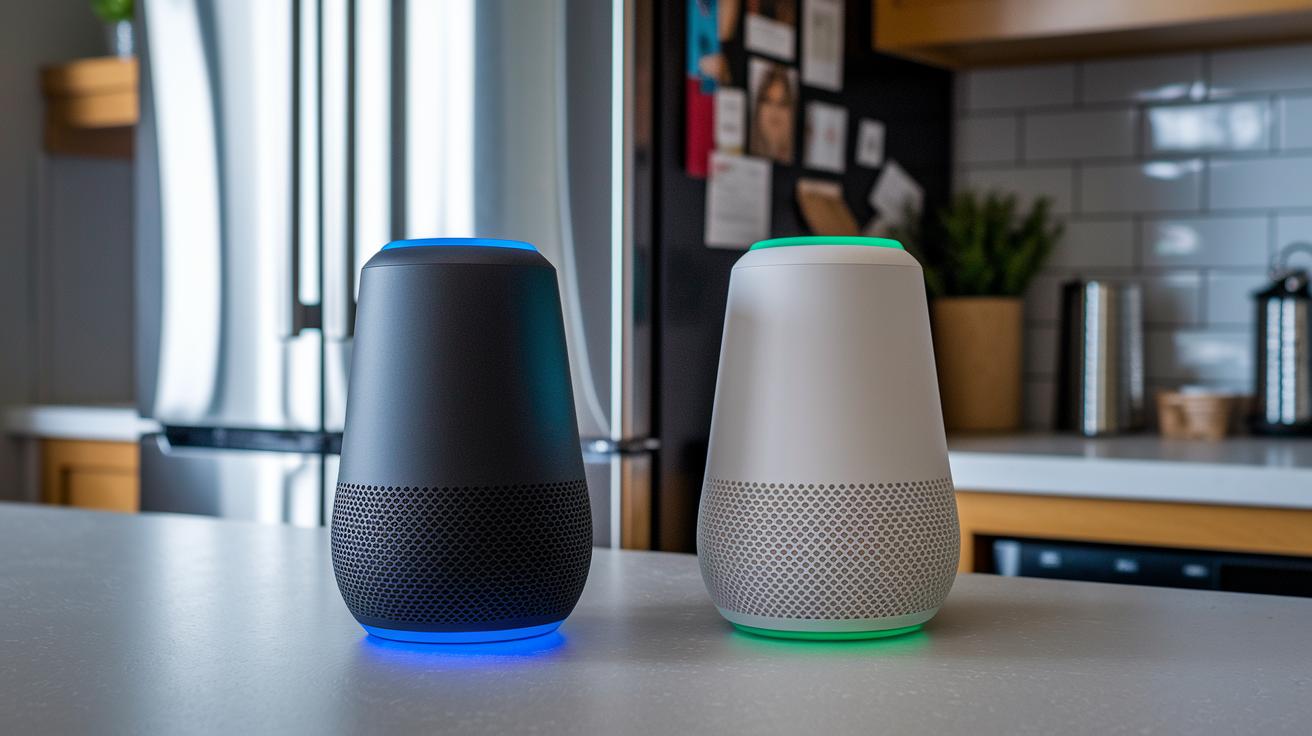
Voice search is booming and could grow by more than 20% each year. With smart devices becoming a natural part of our day-to-day lives, talking to technology is quickly becoming the norm. Picture your smart speaker chatting with your fridge. It’s a future where voice commands spark immediate actions, which means businesses need to plan for a world that goes cross-platform.
The way people search is also evolving. Now, it’s not just simple questions like "Where’s the nearest store?" but detailed commands like "Find a gym with personal training nearby that opens early." This shift means marketers must refresh their strategies so that responses feel natural and friendly, almost like explaining something to a good friend.
Metrics are becoming more important than ever for voice search. Think about session duration, how accurately a device converts speech to text (that is, how well it understands what you say), and how fast it responds. Keeping an eye on these numbers shows you how effectively your voice strategy connects with users during those quick, split-second moments of need.
Looking ahead, preparing for a voice-first future means designing flexible plans that can adjust to changing consumer behavior. Start by evaluating where you are now and setting realistic goals. Consider testing platforms that measure voice command performance and refine your content to be clear and concise. By staying ahead of predictive speech response trends, you’ll be ready to capture the evolving search habits before your competitors do.
Final Words
In the action, we unraveled voice search’s rapid growth and its impact on mobile and local strategies. We explored the power behind featured snippets and Position Zero, and how AI is sharpening content for natural queries. Small business insights on smart assistant optimization added extra depth.
This guide connects digital marketing trends with hands-on techniques for real outcomes. Embracing voice search marketing trends will keep you ahead, driving smarter campaigns and lasting results.
FAQ
What do voice search statistics for 2025 indicate?
The voice search statistics for 2025 indicate that about 20.5% of users worldwide rely on voice search. This growth reflects increased convenience and improved smart assistant technology driving hands-free queries.
What were the voice search statistics reported for 2024 by Google Trends?
The voice search statistics from 2024, as shown by Google Trends, highlight steady growth and a shift toward mobile use. These trends show consumers increasingly favoring hands-free digital interactions.
How does voice search optimization impact digital marketing?
Voice search optimization enhances digital marketing by targeting natural language queries and featured snippets. This approach helps marketers improve visibility and engage with users who prefer hands-free, conversational search methods.
What insights define the voice assistant market and its use cases?
The voice assistant market covers smart devices used for everything from local search to task automation. This broad range of use cases highlights the trend toward hands-free interactions and a more convenient digital experience.
What factors influence voice search ranking?
Voice search ranking relies on quality content structured for featured snippets and Position Zero results. Optimizing with natural language and schema markup increases the chances of content appearing in voice search outcomes.
What is the future of voice search?
The future of voice search looks promising, with rising usage and integration with IoT devices. Advancements in AI promise more natural, conversational interactions that will benefit both consumers and digital marketers.
Is voice search usage increasing?
Voice search usage is rising steadily as mobile engagement and smart assistants become more commonplace. This trend shows a growing preference for quick, hands-free query responses among digital consumers.
Are 27% of searches in the Google app performed by voice?
Reports reveal that 27% of searches in the Google app are now done by voice. This statistic highlights a significant shift toward spoken queries, emphasizing the expanding role of voice technology in search behavior.