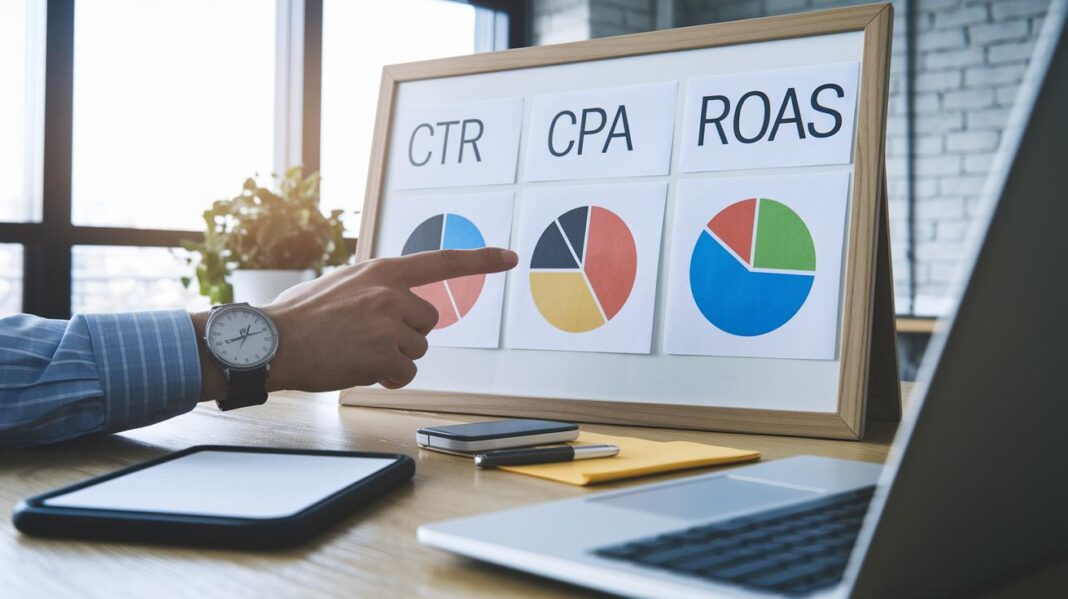
Have you ever stopped to wonder if your ads are truly making an impact? It’s not just about tallying clicks; it’s knowing that every dollar you spend adds real value. Imagine tweaking a campaign just a little and watching engagement spike almost overnight.
Let’s dive into three key numbers that can turn your ad budget into quick, winning results. These insights could change your approach, turning everyday ads into powerhouse strategies that drive tangible success.
If you’re curious about how a few simple figures can boost your campaign’s performance, read on and discover the secrets behind impactful advertising.
Advertising Effectiveness Defined and Scope

Advertising effectiveness is really about checking if a campaign meets its goals and truly connects with its audience. Instead of just logging impressions, we look at how far the message spreads, how much people engage with it, and the return on investment (ROI, which is a measure of profit compared to what you spent). Metrics like brand lift and conversion outcomes show us if the ad is more than just background noise.
Digital outreach tells us not only who saw your content but also who jumped in to interact with it. Think of it like noticing more likes, shares, or comments when a campaign is on fire. For example, one test ad saw a 40% jump in click-through rates, clearly pointing to an unexpected connection with the audience. Real-life examples like this remind us that these numbers really matter.
By tracking how often ads appear to potential customers and keeping an eye on conversion results, marketers can highlight the standout moments in a campaign. Mixing personal feedback with hard data gives a full picture of how each channel performs. This hands-on approach helps fine-tune strategies, boost performance, and turn everyday ads into measurable success.
3 advertising effectiveness metrics spark swift ROI

Keeping an eye on how your ads perform is key for smart marketing moves. Marketers track these details to know which campaigns are hitting the mark and which ones might need a little fine-tuning. One standout metric is campaign performance. It tells you whether your ad has been seen enough by the right people to spark an impact. For example, a quick pause mid-campaign boosted engagement by over 25% overnight, small changes can really shake things up.
Next, a marketing efficiency review dives into your spending versus the returns. In simple terms, it checks if every dollar is working hard. Advertisers often look at cost per click (CPC, which means the cost each time someone clicks your ad) and cost per conversion (the cost to get someone to take an action) to make sure funds are well spent. Fine-tuning budgets this way means every choice is backed by clear data.
Then there’s media spend ROI analysis. This metric breaks down the gains and losses from your ad spend, basically asking, "Are we making money?" A recent test showed that investing in a targeted video ad greatly boosted ROI compared to a more generic ad spot.
| Metric | Description |
|---|---|
| Campaign Performance | Checks if the ad reached the right audience and sparked engagement. |
| Marketing Efficiency | Compares ad spend to returns so every dollar counts. |
| Media Spend ROI | Assesses if your ad spend is driving financial gains. |
Blending these insights helps marketers pivot quickly and confidently. With these tools, you’re not only setting up for immediate wins but also laying the groundwork for solid, long-term growth.
Key Advertising Effectiveness Metrics and KPIs

Real reach, based on survey data, tells you exactly how many people truly saw your ad, not just the digital count that pops up. It gives you a clear look at your ad’s actual exposure. For example, one campaign found that its real reach was 30% lower than they expected, which was a big hint to tweak their targeting strategies.
Click‐through rate (CTR) shows if your creative really gets people to take action. A higher CTR means your ad isn’t just being seen, it’s drawing people in. Then there’s the conversion rate, which reveals the percentage of those clicks that turn into a desired action, like a sale or a signup. This combo helps you see if your landing pages and follow-up messages are really hitting the mark.
Consumer engagement metrics add even more color to the picture. They record likes, shares, and comments, showing whether your message is resonating beyond just the clicks. And don’t forget about finding the right frequency sweet spot. Too many exposures might tire your audience, while too few might leave them unmoved. Balancing this is key.
Return on investment (ROI) metrics break down how effectively your spending turns into profit. A solid ROI, measured across different channels like social, banner, or video ads, points you in the right direction for refining and boosting your campaign’s overall success.
| Metric | Description |
|---|---|
| Real Reach | Shows the actual number of people who notice the ad based on survey results. |
| Click‐Through Rate | Measures the number of viewers who take the step to click on the ad. |
| Conversion Rate | Calculates the percentage of clicks that lead to a defined action. |
When you combine these hard numbers with insights about consumer behavior, you get a complete view that can help hone every part of your campaign.
Advertising Effectiveness Measurement Methods and Tools

Imagine you’re grabbing coffee with a friend and chatting about how to really know if an ad is hitting the mark. A smart way to do this is with a simple three-step survey method. First, before you even roll out the campaign, run a survey to get a baseline, ask something like, "What comes to mind when you hear [brand name]?" This sets the stage for what’s to come.
Then, once your ad is live, check in midway. A quick question such as, "Did the recent ad make you curious about the product?" lets you see if your creative assets and messages are connecting with people. Finally, after the campaign wraps, do another survey. This one measures shifts in how folks see your brand, any boost in sales, or changes in engagement.
Besides surveys, keeping tabs on the brand continuously is a great way to see how effectively your ad holds consumers’ interest over time. You might also try a control versus exposed test, comparing feedback from those who saw your ad with those who didn’t, to really pinpoint if your message is cutting through the noise.
There’s also the magic of combining survey insights with hard digital analytics like click-through rates and conversion numbers. Many marketers lean on trusted tools that pull all these points into one dashboard. This makes it super straightforward to evaluate everything from promotional tests to brand message impact.
In a nutshell, blending these methods gives you a well-rounded view of your campaign’s performance. It’s all about knowing what works and steering your strategy in the right direction.
Advertising Effectiveness Case Study: Tequila Avión in Action

Tequila Avión’s media agency, Fullsix, rolled up its sleeves to track ad performance during a brand awareness campaign. They kicked things off by surveying people before the campaign to find out how they felt about the brand. For example, one survey question asked, "Before trying this tequila, how aware are you of its unique charm?" This set a clear starting point for later comparisons.
During the campaign, Fullsix mixed digital analytics with live tracking of audience engagement. They kept an eye on simple metrics like unique impressions, click-through rates (the percentage of people who click an ad), and video ad completions. Their main focus was on checking how well ad spend boosted overall brand recognition.
Once the campaign wrapped up, they ran another survey to see how consumer opinions had shifted. The results clearly showed a jump in brand sentiment, proving that small tweaks in messaging really hit home with the audience. In a nutshell, their approach of checking before, during, and after the campaign tied creative ideas directly to better business results.
| Measurement Stage | Key Insight |
|---|---|
| Pre-campaign | Baseline brand awareness |
| During Campaign | Engagement and digital performance |
| Post-campaign | Brand lift and ROI impact |
Common Advertising Effectiveness Pitfalls and How to Avoid Them

Marketers can easily trip up when they evaluate their ad campaigns. One big pitfall is leaning too hard on surface numbers, those flashy vanity metrics that look great but don't show if the ad truly connected with its audience. Often, it's all about likes or shares without checking if the ad really boosted engagement or conversions.
Another common mistake is getting the exposure all wrong. Too much exposure can tire out your audience, while too little means your message might get lost. For instance, an ad might rack up millions of impressions, but if people can't recall it in surveys, the real impact just isn't there.
Sometimes, misleading promotional claims can throw you off course. An ad might boast about big wins, yet a closer look shows the numbers don’t back it up. Without genuine consumer feedback, you’re left wondering if your creative really hit the mark.
Marketers can dodge these traps by:
- Mixing digital analytics with direct consumer surveys.
- Regularly reviewing performance across media channels.
- Checking claims verification cases to make sure the numbers are real.
For example, one campaign looked like a hit with thousands of views until a mid-campaign survey revealed that most viewers barely remembered the ad. That insight served as a wake-up call to adjust the strategy and make the message clearer.
Best Practices and Future Trends in Advertising Effectiveness

Blending solid digital stats with heartfelt survey feedback remains the foundation of today’s top practices. Marketers lean on dynamic brand tracking and careful reach evaluation to catch the true pulse of their audience. I heard about one brand that changed its ad frequency by just 10% and saw live engagement jump by 20% overnight. Moments like that fuel smart strategies which deliver clear, measurable results.
Looking ahead, the way we forecast digital marketing is changing fast. AI-powered tools (that means technology which mimics human intelligence) and syncing data across channels are making campaigns even smarter. Marketers now mix hard numbers with real consumer feelings to ensure every advertising dollar makes an impact. By gathering live interaction stats alongside regular survey insights, they can pinpoint what drives conversions and spot areas that might need a rethink.
Innovation is on the horizon thanks to deep, data-rich consumer research. For example, insights pulled from 230,000 Gen Z voices are reshaping how brands predict next year’s media trends. This shift pushes us to take a whole-picture approach where every channel, be it social, video, or banner, plays a part in one cohesive story. Today’s marketers even experiment with control versus exposed models, blending tried-and-true metrics with fresh methods to capture the emotional side of consumer behavior.
Key practices to watch include:
- Integrated marketing performance measurement that links hard data with human feedback.
- Media mix optimization strategies that fine-tune ad placements.
- Keeping an eye on digital marketing trends at https://adruckus.com?p=149 to set the stage for future campaign innovations.
Final Words
In the action, we dove deep into how advertising effectiveness measures campaign success by reviewing definitions, key metrics, and real-world case studies like Tequila Avión. We talked about why brands need to track performance, explored measuring techniques, and flagged common pitfalls. The guide showed how a mix of digital analytics and consumer feedback drives smarter marketing choices. With these insights, marketing professionals can confidently improve ROI and steer strategies toward more effective, data-rich campaigns. Let's keep pushing for positive growth in every campaign.
FAQ
What does an advertising effectiveness pdf cover?
An advertising effectiveness pdf explains measurement techniques, key metrics, and case studies that show how a campaign meets its goals. It offers clear guidelines for evaluating promotional performance.
What do advertising effectiveness statistics reveal?
Advertising effectiveness statistics highlight performance factors like conversion and click-through rates, along with ROI measures. They provide tangible data on a campaign’s ability to engage its intended audience.
What are some examples of advertising effectiveness?
Advertising effectiveness examples show campaigns boosting web traffic, conversion rates, and overall engagement. They reveal how targeted efforts lead to measurable brand lift and improved marketing results.
What does advertising effectiveness research involve?
Advertising effectiveness research investigates various evaluation methods, including survey analysis and digital analytics. It gathers insights on campaign performance and guides data-driven marketing adjustments.
How is advertising effectiveness applied in marketing?
Advertising effectiveness in marketing tracks campaign success using engagement, conversion, and ROI metrics. It guides brands to refine strategies and maximize promotional spend based on clear performance indicators.
What do methods of measuring advertising effectiveness PDFs include?
Methods of measuring advertising effectiveness PDFs detail techniques like pre-campaign baselines, mid-campaign assessments, and post-campaign surveys. They help marketers track key performance indicators methodically.
How is advertising effectiveness important in business?
Advertising effectiveness in business uses metrics like ROI, consumer engagement, and conversion rates to quantify campaign success. This insight drives strategic spending and supports informed decision-making.
What defines social media advertising effectiveness?
Social media advertising effectiveness evaluates ad performance through click-through rates, engagement measures, and conversion tracking on platforms. It offers actionable insights to optimize online promotional content.
How effective and efficient is advertising really?
Advertising efficiency is seen in a campaign’s reach, conversion outcomes, and ROI. When well-executed, campaigns demonstrate high efficiency by significantly boosting engagement and delivering solid business returns.
How do you test advertising effectiveness?
Testing advertising effectiveness involves pre-, mid-, and post-campaign assessments using surveys, digital analytics, and control groups. This comprehensive approach reveals performance strengths and areas for improvement.