
Ever thought your purchase might make a real difference? Green marketing shows that choosing recycled materials and shipping methods that balance out carbon emissions (methods that help our atmosphere) can cut down waste and win trust.
Think of it like one tiny spark lighting up a whole community. In this post, I'll share how clean practices can drive success for both businesses and buyers alike.
Green marketing isn't just a nice extra, it fuels a healthier planet and a winning business model.
Understanding Green Marketing: Definition and Importance
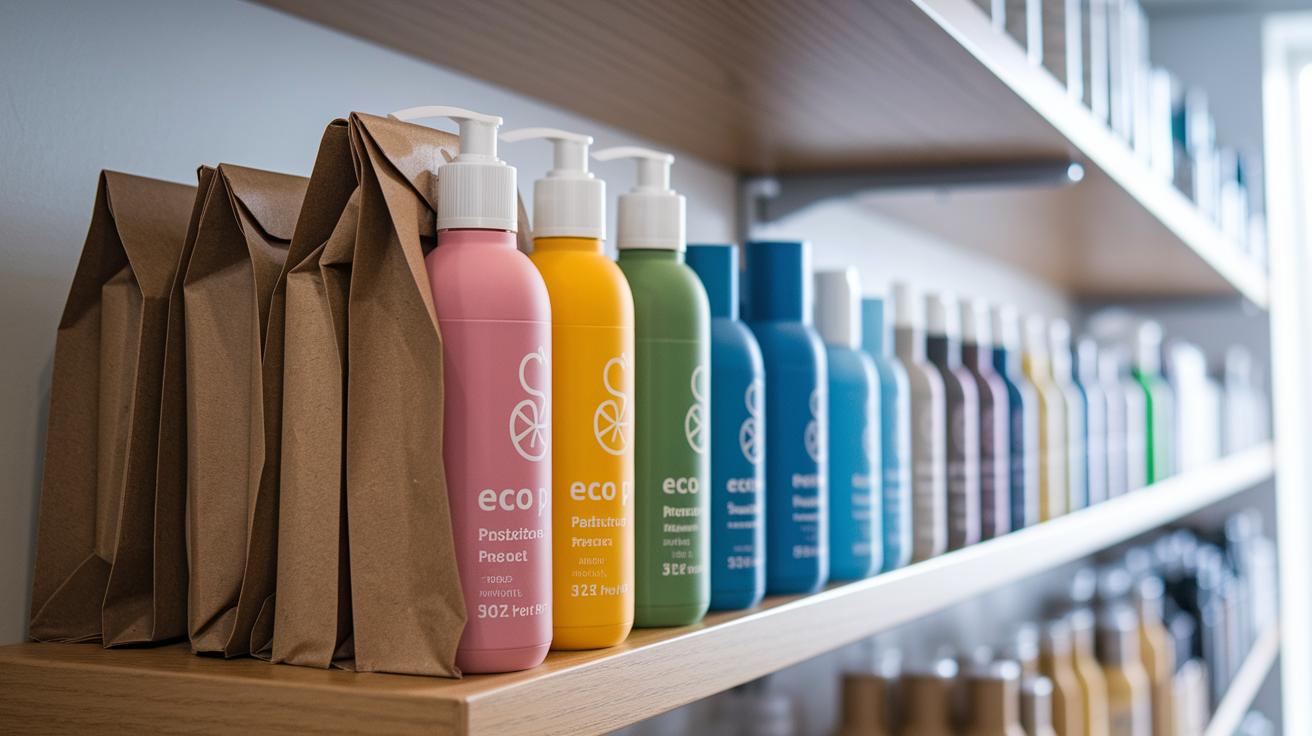
Green marketing is all about showcasing products and services for their positive impact on the environment. It’s the buzz behind using recycled materials, low-waste packaging, carbon-neutral shipping (which means no extra carbon released during transport), and ethical sourcing. Companies aren’t just selling a product here, they’re telling a story of cleaner practices and less pollution. Ever heard the one about a small business that cut its waste so much it powered a community center for a day? That’s the kind of impressive impact we mean.
Unlike sustainable marketing, which juggles environmental care, social fairness, and economic health much like balancing a three-legged stool, green marketing zooms in solely on eco-friendly features. Its main goal is to clearly show how a product eases our environmental footprint. While sustainable marketing covers the whole picture, green marketing sticks to the green side of things, ensuring every step a company takes is a step toward a healthier planet.
This approach really matters for both companies and everyday buyers. When you spot products with low-waste packaging or carbon-neutral delivery, it kind of feels like a sign, they match what you care about. This openness builds trust and makes brands memorable. In fact, studies even show that when companies highlight these green benefits, they not only win over eco-conscious consumers but also stand out in a sea of competitors.
By putting eco-advertising and honest corporate green communication at the forefront, brands can share real stories about their sustainable practices. In turn, this genuine approach fuels consumer confidence and helps build a cleaner, healthier world.
green marketing ignites eco success

Green marketing is all about using four key elements to connect with shoppers who care about the planet. It starts with smart product design. Companies now use sustainable materials and cutting-edge waste reduction techniques that turn ordinary products into eco-friendly choices. Then comes green price, setting a premium because buyers appreciate products that truly help the environment. Next, green place means choosing clear, efficient ways to get products from the factory to your door, keeping the whole journey honest and eco-aligned. And green promotion wraps it all up by offering real, straightforward messages about environmental benefits, no overblown claims, just genuine actions.
The numbers back this up. More than 75% of shoppers factor in sustainability when buying, and eco-friendly products grew nearly three times faster than traditional ones from 2015 to 2022. Plus, strict new standards like the EU Corporate Sustainability Reporting Directive will soon nudge almost 50,000 companies to report detailed environmental data. Even small changes in design, pricing, or distribution can make a big difference by strengthening brand trust and credibility.
| 4 Ps Element | Green Marketing Insight |
|---|---|
| Green Product | Using sustainable design and materials |
| Green Price | Setting a premium for true eco benefits |
| Green Place | Choosing clear, efficient distribution channels |
| Green Promotion | Sharing honest, straightforward environmental messages |
Effective Green Marketing Strategies and Tactics
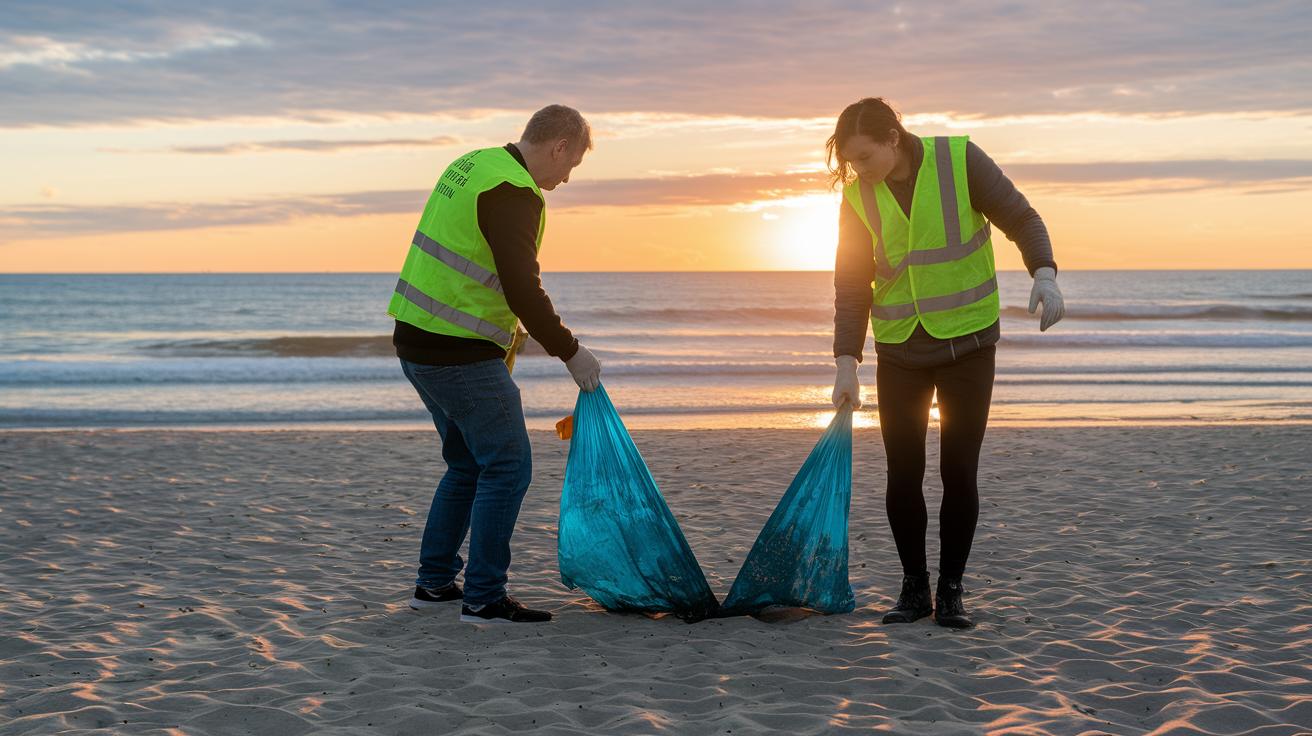
Marketers can boost their eco-friendly campaigns by blending practical, earth-conscious ideas with genuine actions. Today’s tactics go beyond noisy promotions, they’re all about clear, environmentally minded moves that earn trust. For example, hosting beach clean-ups or eco-events not only helps the community but also offers fresh, relatable content that appeals to busy eco-buyers. These LOHAS shoppers (people who lead healthy lifestyles and care about the environment) already make up a $472 billion market, hungry for products that really care about the planet.
Using bulk emails and social media in a smart way can spark genuine interest. Offering promotional items made from recycled materials adds a layer of authenticity. It’s key to avoid greenwashing (making false environmental claims); every eco-friendly statement needs real, backed-up proof to truly resonate.
Marketers can try these practical approaches:
- Build campaigns that tell a nature story, think forests or oceans.
- Use renewables in outreach, like carbon-neutral shipping.
- Craft honest messaging with proof behind every claim.
- Run eco-friendly promotions through bulk emails and recycled giveaways.
- Analyze customer trends focused on the planet to fine-tune campaigns for LOHAS audiences (consumer insights impact on marketing).
- Highlight products that use biodegradable or upcycled materials.
- Boost customer loyalty with green rewards and referral programs.
When these strategies click together, they form a strong plan that drives sustainable results and real marketing wins.
Green Marketing Case Studies and Campaign Insights
Blueland’s Carbon-Neutral Campaign
Blueland’s July 2024 campaign is a great example of smart planning that creates real green wins. They built their campaign on honest eco claims and ended up with 23.6 million carbon-neutral orders. By streamlining logistics and using clear green messaging, they slashed over 15,000 tons of shipping emissions. Think about it: launching a campaign and watching orders soar while your environmental footprint shrinks is pretty exciting.
Allbirds’ Resale Capsule Collection
Allbirds made a splash with its Earth Day 2024 capsule collection. They chose an exclusive release via their resale channel, which not only boosted their eco-friendly image but also directly reached buyers who care about the planet. This limited-edition drop turned scarcity into a powerful statement of resourcefulness and waste reduction. It’s like planning a special event where every little detail speaks to your commitment to the environment.
Wild Cosmetics’ Strategic Acquisition
Wild Cosmetics took a bold leap with a $300 million strategic acquisition to grow its sustainable beauty lineup. This big move opened doors to a wider market and showed a strong dedication to eco-friendly practices. It also paved the way for further green initiatives and deep market research that benefits consumers. When you put Wild Cosmetics alongside brands like Patagonia, known for repair-and-reuse efforts, and The Body Shop, famous for natural-ingredient campaigns, you can see how genuine green marketing builds both trust and success.
How to Execute a Successful Green Marketing Plan

Start by doing a full sustainability checkup that digs deep into your company’s environmental footprint and sets clear green targets. Imagine this: a quick audit revealed our process pumped out as much CO₂ as a small neighborhood. That reality hit hard and told us, "Time for a change."
Next, tell your product’s green story from start to finish. Walk your customers through every step, how raw materials are sourced, the manufacturing methods used, and even what happens when the product’s life ends. It’s like sharing a behind-the-scenes tale of how you’ve managed to trim down your carbon footprint.
Then, talk to the media using solid, fact-based numbers. Keep it real with data and real-life examples without overselling. I once saw a campaign where sharing verified emissions cuts made eco-conscious buyers sit up and take notice.
After that, shape your logistics and packaging messaging to show off low-emission initiatives. Think of it this way: "We've switched to renewable energy for our deliveries and use recycled packaging that matches our green promises." It’s all about keeping your message consistent.
Lastly, measure your progress with straightforward metrics like increased sales and lowered emissions. Check your numbers regularly, and tweak your strategy as you learn what works. Each step builds toward a truly sustainable future.
Measuring Green Marketing Success and Emerging Trends

Green marketing isn’t just about throwing ideas out there, it’s about knowing exactly what resonates with your audience. Instead of reusing old stats, today's marketers are turning to live conversion tracking and sentiment analysis (a simple way to sift through consumer reactions) to catch the real impact of eco-friendly actions. Imagine watching a campaign light up social media with positive vibes right after switching to reusable packaging. That’s proof enough that green moves can win hearts.
Marketers are also getting smarter with AI-driven personalization. By tapping into real-time behavioral data, they adjust sustainability messages on the fly to hit the right note with eco-conscious buyers. Think about it: a smart algorithm tweaking ad spend in real time, matching the perfect eco-friendly message with the perfect audience. It’s like having an instant feedback loop that makes your campaign truly dynamic.
Today’s reporting isn’t one-dimensional. It blends eco consumer insights, organic market trends, and outreach forecasts with advanced data analytics to give a full snapshot of a campaign’s performance. This holistic view helps brands zero in on which green initiatives spark real customer enthusiasm and which ones need a little extra polish.
Recent case studies back up this approach. Marrying traditional consumer insights with AI-based techniques not only sharpens your targeting but also builds trust. When every eco claim comes with solid, data-driven evidence, it becomes clear: success in green marketing means staying agile, data-focused, and ready to adjust on the go.
Final Words
In the action, the post explored green marketing from its definition and core principles to hands-on tactics. We saw how the 4 Ps, product, price, place, and promotion, shape campaigns. Real-world case studies brought clarity to these strategies in action. Step-by-step guidance further explained planning effective green marketing plans and measuring their success with solid data. The article wraps up with inspiring takeaways for creating impactful, honest campaigns that drive success and boost consumer trust. It's a refreshing look at making sustainable choices work in the marketplace.
FAQ
What are green marketing products and examples?
The green marketing products and examples refer to eco-friendly items designed with sustainable materials, low-waste packaging, and carbon-neutral shipping. Real-life examples include campaigns promoting recycled products and ethical sourcing.
Why is green marketing important?
The importance of green marketing lies in boosting consumer trust and preference, reducing environmental waste, and enhancing brand reputation through honest and sustainable practices that align with growing eco-conscious values.
What strategies are involved in green marketing?
The green marketing strategy involves using sustainable promotion methods like ethical product positioning and transparent pricing. It also focuses on eco-friendly distribution and authentic messaging to highlight environmental benefits.
Who are green marketing companies?
The term green marketing companies describes businesses that prioritize environmental benefits. They adopt ethical sourcing, low-waste packaging, and responsible production practices to appeal to consumers focused on sustainability.
What is green marketing research and how is it defined by authors?
The green marketing research paper and definition by authors study how eco-friendly practices influence consumer behavior. They outline methods to measure sustainable branding, consumer demand, and the environmental impact of marketing efforts.
What are the 4 P’s of green marketing?
The 4 P’s of green marketing refer to product, price, place, and promotion. Marketers apply these elements to emphasize sustainable design, eco-friendly pricing, transparent distribution channels, and authentic environmental messaging.
Is green marketing the same as greenwashing?
The green marketing versus greenwashing question explains that genuine green marketing relies on honest, evidence-backed environmental claims, while greenwashing falsely inflates green credentials without supporting proof.
What are the 4 R’s of green marketing?
The 4 R’s of green marketing highlight reuse, reduce, recycle, and restore as guiding principles. They emphasize working toward minimizing waste and promoting responsible product life cycles for a healthier environment.