
Ever wonder why some marketing strategies just don’t hit the mark? The inbound playbook flips the script by breaking the customer journey into four clear stages, from that first friendly hello to converting visitors into loyal fans.
Picture it like a straightforward map guiding you from awareness to action. It cuts out the confusing fluff of old-school tactics and focuses on real, smart lead strategies that actually work.
In today’s market, where old methods often let us down, this fresh approach feels like a breath of fresh air. It’s all about keeping things genuine and effective while building lasting marketing success.
Core Principles of Your Inbound Marketing Playbook
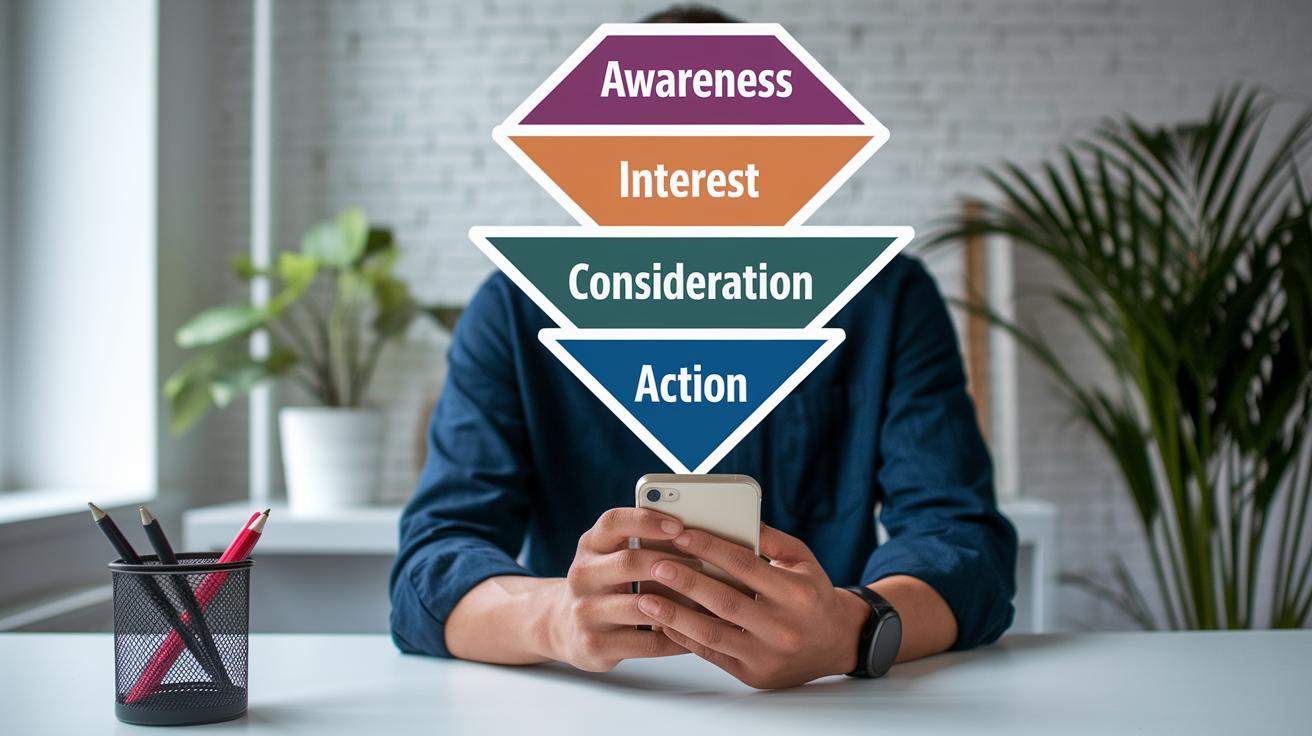
The inbound marketing playbook breaks down the customer journey into four simple steps that take someone from their first visit to turning them into a true fan. Imagine it like a map showing every step a buyer takes, it’s all about turning confusing strategies into clear, manageable actions. This plan uses four key stages: Awareness, Interest, Consideration, and Action. Instead of sticking with outdated cold calling, it focuses on creating content that genuinely meets the needs of today's buyers.
This framework helps turn broad ideas into a solid strategy that attracts quality leads and guides them forward. Think of the buyer journey roadmap as a handy cheat sheet that splits the process into bite-sized, manageable parts, making planning and execution a whole lot easier. For example, many marketers rely on a digital marketing planning guide (a step-by-step tool for online strategy) to build their playbook around these core steps.
- Attract: Craft engaging content and targeted messages that grab potential leads from the start.
- Convert: Use smart offers, well-designed landing pages, and live interactions to change casual browsers into interested leads.
- Close: Fine-tune your sales approach so that every step of the buying process is clear, cutting through doubts with straightforward communication.
- Delight: Keep in touch with personalized follow-ups that turn customers into enthusiastic promoters.
Today’s AI-driven software picks up market trends in real time, helping teams, tools, and processes work together seamlessly. Automation covers every touchpoint along the buyer journey, figuring out what works best and quickly adjusting the strategy as needed. This smart, responsive method not only streamlines content creation but also continually improves how prospects move through the funnel, ensuring every lead hears just the right message at the right moment.
Attract Phase Strategies in the Inbound Marketing Playbook

Creating buyer personas using real data is the first step in a successful inbound marketing playbook. Start by collecting simple info, things like job title, interests, and the problems your prospects face. Use surveys, past purchase records, and website behavior as building blocks to form your ideal customer profile. For example, picture a mid-level manager who needs better team communication. Did you know many professionals favor tools that fit right into their daily routines? This little fact can help you shape messages that truly speak to your audience's needs.
Picking the right channels is the next smart move. Think about top social networks like Facebook, Twitter, Instagram, LinkedIn, YouTube, Google+ and Snapchat. Also, consider regular blogs, PPC campaigns (that’s paid advertising where you pay for each click), and on-site SEO to boost your search results. Each of these channels has its own charm, from the quick buzz of live social posts to the depth of a well-written blog. Find out where your audience hangs out and match your content style to that space.
At the top of the funnel, it’s all about great, tailored content and smart distribution. Imagine this as crafting a digital blueprint that uses your researched buyer personas to guide every decision. With the right mix of message and platform, you create a smooth process that draws in quality leads and kick-starts a lively conversation with potential customers.
Convert Phase Tactics of an Inbound Marketing Playbook

In this stage, the goal is to take casual website visitors and turn them into promising leads with quick, warm interactions. Think of live chat as that friendly greeting when you walk into your favorite shop. It’s all about creating a smooth experience that invites visitors to take the next step.
Imagine landing pages that pick up where your ads left off, simple design and clear, inviting prompts that guide you without a hitch. Online meetings and demos, complete with automated booking and handy reminders, let you showcase your product in a hands-on way. A website built with user experience in mind and premium content that makes visitors eager to share their details intensifies this approach.
Live chat engagement, landing page conversion rates, and demo bookings become your go-to signals. They show you, in real time, that your conversion tactics are doing the trick and turning interest into action.
Close Phase Best Practices in the Inbound Marketing Playbook

When sales and marketing teams join forces with a smooth pipeline management system, every qualified lead gets the constant attention it deserves. Clear communication and organized steps make sure everyone understands how to guide prospects forward. This practical approach cuts down on confusion and keeps everything running seamlessly from one team to the next.
Segmented email nurturing campaigns really are the engine behind personalized messaging during this phase. Each campaign is set up to speak directly to different customer groups. For example, one group might get fresh insights on pricing updates, while another receives case studies that tackle common concerns. By tapping into data from previous interactions, companies can tweak emails to address specific challenges, making each message feel timely and relevant. Regularly scheduled nurture emails, teamed up with automated follow-ups, create a steady rhythm that educates potential buyers and gently nudges them toward a purchase.
Detailed product and service pages play a key role in building buyer confidence. Including pricing examples or standardized fees alongside clear service benefits helps prospects feel informed and secure as they decide which solution best fits their needs.
Delight Phase Techniques in Your Inbound Marketing Playbook

Kick things off with social listening. It’s about tuning into your customers in real time using tools that catch every bit of feedback. This way, you can fix issues on the fly and join in the celebration when positive buzz fills the air.
Then, share content that truly helps. Imagine creating easy-to-follow how-to guides or tutorials, like a simple walkthrough on getting the most out of your software. It’s like sitting down over coffee with your audience, offering advice that makes them feel cared for and well-informed. The mix of active listening and practical tips sets the stage for a conversation where everyone feels heard.
To keep that loyal vibe going, lean into retargeting and smart content. Check out past buyer behavior and then tailor messages to match their interests. For instance, if someone has shown interest in a specific feature, automatically highlight any fresh updates related to it. These gentle reminders keep your top ideas in front of them, encouraging repeat business and nurturing a community that sticks around.
Data-Driven Automation and Metrics in the Inbound Marketing Playbook

Marketing automation has completely changed how we work. It cuts out repetitive tasks and gives us easy-to-read performance numbers. Custom automation has saved over 9,000 hours and $300K across more than 300 websites. That's a serious win for both efficiency and cost savings.
With AI-powered tools (AI means artificial intelligence, which helps computers learn and make decisions), teams can quickly tweak campaigns, react on the fly, and pinpoint the perfect buyer groups. Every step, turning a curious visitor into a loyal customer, is mapped out like a clear roadmap.
For example, one AI tool boosted patient engagement by 139%, increased referrals by 123%, and raised booking rates by 50%. In other words, smart automation not only cuts down manual work but also drives real, measurable results.
Automated workflows remove the guesswork from outreach by converting 35% of leads and managing over half of the interactions automatically. That means every potential customer gets timely follow-ups and content that truly speaks to them.
Mixing real-time performance data with these automated tasks is like having a live report card. It keeps marketers informed and ready to adjust strategies at a moment’s notice.
| Metric | Outcome |
|---|---|
| Hours Saved | 9,000+ |
| Patient Engagement Increase | 139% |
| Enrollment Growth | 252–418% |
Having a dashboard that keeps an eye on key numbers is crucial. With an ROI calculator (a tool that measures your return on investment) and a results monitor, teams can see real-time progress and quickly adjust their tactics. These dashboards bridge the gap between the automated tasks we rely on and the big-picture strategy.
By spotting trends as they happen, marketers can fix underperforming campaigns before they cause any real damage. This continuous visibility into how campaigns are doing shows why smart automation is so important. Every step, from creating content to analyzing leads, is efficient, data-driven, and insight-rich.
Industry-Specific Playbook Templates and Case Studies

Across industries, inbound marketing playbooks are making a real difference. Companies from SaaS to senior care are using smart, hands-on strategies – like free trials (offers that let you try before you buy), engaging learning materials, and savvy cost-saving moves – to keep growing even when funds are tight.
SaaS
SaaS companies kick things off with free trial offers and easy-to-follow onboarding guides. These tools quickly show product value, spark genuine interest, and set the stage for steady organic growth.
Finance
Finance teams use tailored educational content and clear value messages to break down complex offerings. It's much like turning a tricky puzzle into simple pieces that everyone can understand, all while sparking demand.
Manufacturing
Manufacturing businesses build trust through detailed case studies and interactive demos. These real-life examples spotlight operational efficiency and give a clear picture of how they stay ahead of the competition.
Senior Care
In the senior care field, personal stories and straightforward service showcases help ease concerns. These cost-effective and relatable tactics not only win trust but also build lasting loyalty.
In the end, clear themes link these sectors. Marketers design plans that are transparent, budget-friendly, and rooted in real demonstrations. Whether you're crafting a detailed content guide or adopting proven tactics from another field, every strategy is all about building a reliable playbook for success. Often, the lessons learned in one area can be the game-changer in another. For even deeper insights, be sure to check out some consumer case studies.
Final Words
In the action, this piece covered the core elements of our inbound marketing playbook, from attracting and converting leads to closing deals and delighting customers. It tied together the buyer journey, mapping each phase with smart, customer-first tactics and AI-driven tools that boost efficiency. Each step, from crafting engaging content to seamless pipeline management and data-driven automation, paints a clear picture of effective modern marketing. With these insights, the inbound marketing playbook is poised to power actionable strategies and spark fresh ideas.