Ever wondered if a quick video can hit harder than a hundred TV ads? Today, marketing pros are shaking up the old playbook. With smart new tools like chatty AI (artificial intelligence that engages instantly) and social commerce where shopping is just a click away, brands are rewriting the rules. It’s not just a small tweak, it’s a bold leap where smart data blends with creative storytelling. Get ready to see marketing transform, turning every moment into a win.
Future of Marketing: Inspiring Bold Shifts
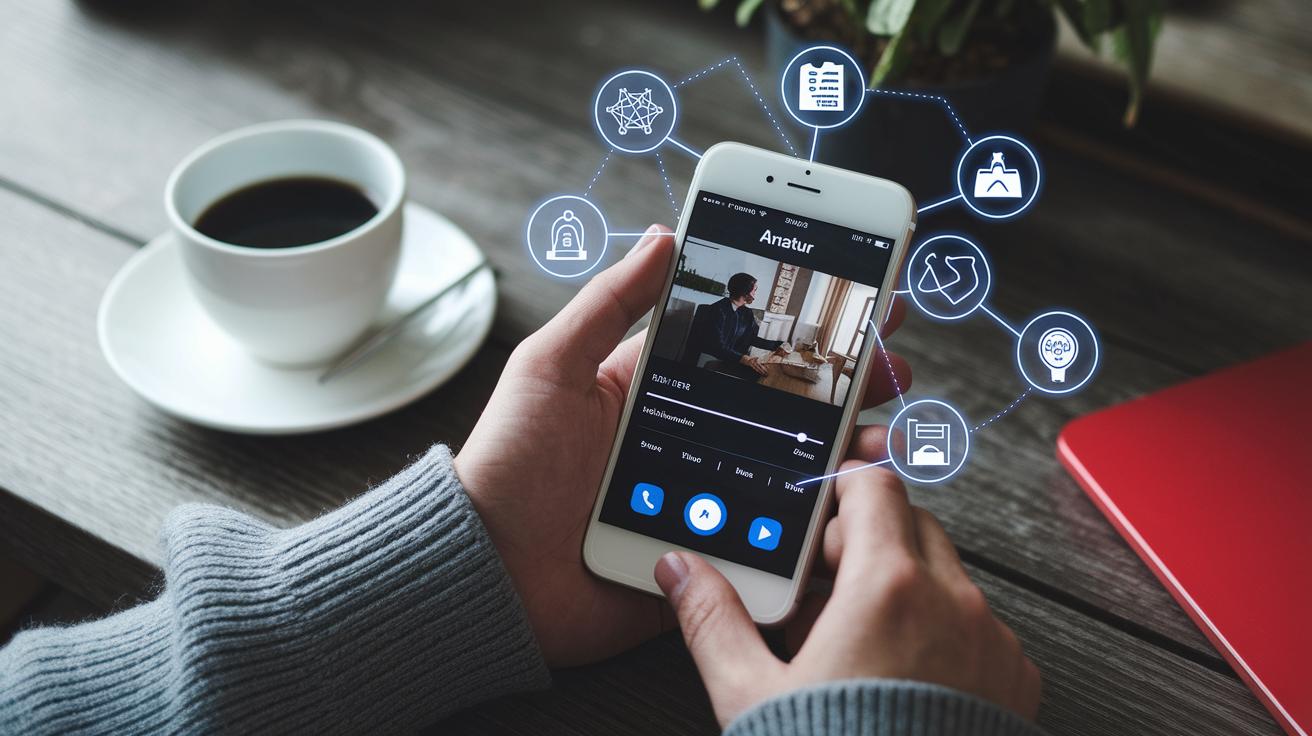
Short-form videos are truly shaking things up in the marketing world. TikTok, Instagram Reels, and YouTube Shorts aren’t just stealing the spotlight, they're setting new rules for engagement. Believe it or not, by 2025 one viral clip might outdo traditional TV ads in audience reach. Marketers must pivot fast, shaping quick, shareable content that resonates.
AI is stepping in to boost customer interactions in real time. Chatbots and virtual assistants are making service smoother and more efficient. Meanwhile, AI tools that help with everything from content creation to data insights are simplifying the marketer’s workload. On the other hand, voice search is still finding its footing, and while AR/VR teases us with immersive experiences, most are waiting on the sidelines.
Social commerce is turning shopping into a seamless experience. With in-app checkouts on Instagram and TikTok, you’re often just one scroll away from buying something new. This evolving digital scene is pushing brands to innovate their storytelling, creating messages that hit instantly and keep you engaged.
Predictive analytics (tools that forecast trends) and hyper-personalization are transforming how we connect with audiences. By harnessing data, every interaction can feel like it was made just for you. It’s like turning a one-size-fits-all ad into a curated experience.
- Key takeaway: Blend real-time data with creative storytelling.
- Next move: Embrace a multi-channel approach to build lasting customer trust.
All of these trends point to an exciting future in marketing. Brands that dive into tech-driven strategies and smart digital transitions are carving out a space where every touchpoint is informed by data, and every message is crafted with purpose.
AI and Machine Learning Shaping the Future of Marketing
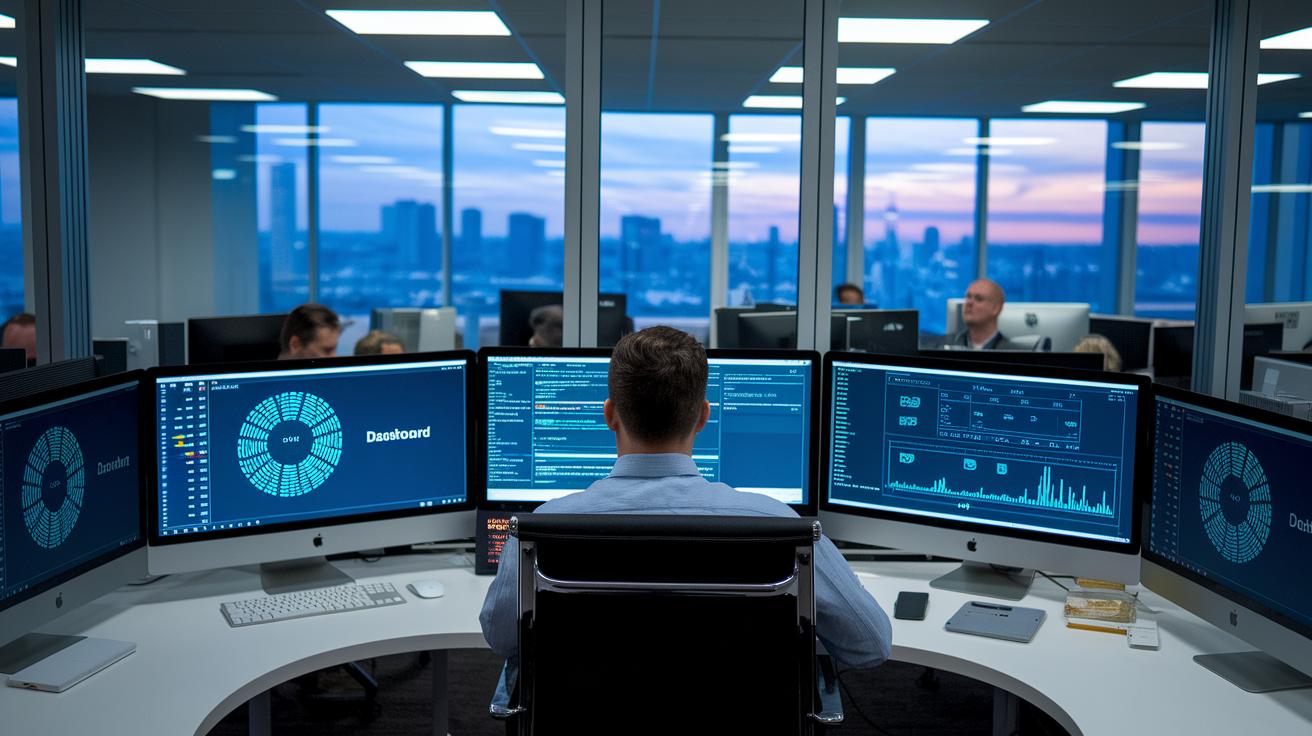
AI and machine learning are no longer just background players. They’ve stepped into the spotlight and become key parts of modern marketing strategies. Today’s AI tools can whip up content, dive into analytics, and even tailor messages to individual tastes, like having a smart assistant that writes copy just the way your brand sounds.
Take platforms like Adobe Sensei and Google Marketing Platform. These tools mix deep data insights with campaign control and clever forecasts (predictive modeling means guessing future trends based on current data). Now, marketers get real-time feedback. Imagine a system that tweaks your ad spending during a live event as trends change. Cool, right?
AI now lets brands make decisions on the fly. It turns slow, reactive tweaks into sharp, proactive moves. Machine learning campaigns are setting new standards, delivering concrete results quickly and cutting the gap between knowing something and doing something about it. Yet, these advances also come with questions about privacy and fairness. Firms must watch how they handle data and keep their strategies ethical to keep customers’ trust.
In today’s fast-paced digital world, using AI for content creation and market predictions isn’t just a neat trick. It’s a must-have strategy for any brand ready to take on tomorrow.
Personalization and Data-Driven Customer Journeys in Future Marketing

Personalization is shaking up how brands connect with customers. Brands now use smart AI to sift through purchase records and even casual social posts, turning mixed-up data into clear, friendly insights. Imagine a shopping journey that knows your past habits and offers just what you need, right when you need it.
Tailor-made experiences built around individual preferences are building real trust and inviting community vibes. For example, think of a system that tweaks a special offer as you browse, so you're shown something timely. It’s like getting a nudge just when your interest peaks, keeping you engaged without missing a beat.
Ads, too, are getting a personal makeover. With real-time content adaptation, a standard ad transforms into an experience that feels custom-made. Using smart methods that look at what you’re already interested in, brands can serve up promotions that hit the mark every time. Fun fact: one retailer bumped up conversion rates by 30% merely by switching from a generic email to one that was personalized with fresh consumer data.
Blending these smart consumer insights with digital marketing creates a smooth ride from the first click to long-term loyalty. It’s all about meeting your needs right now while laying down the groundwork for ongoing, meaningful connections.
Immersive Technologies: AR, VR, and Experiential Advertisements for the Future of Marketing
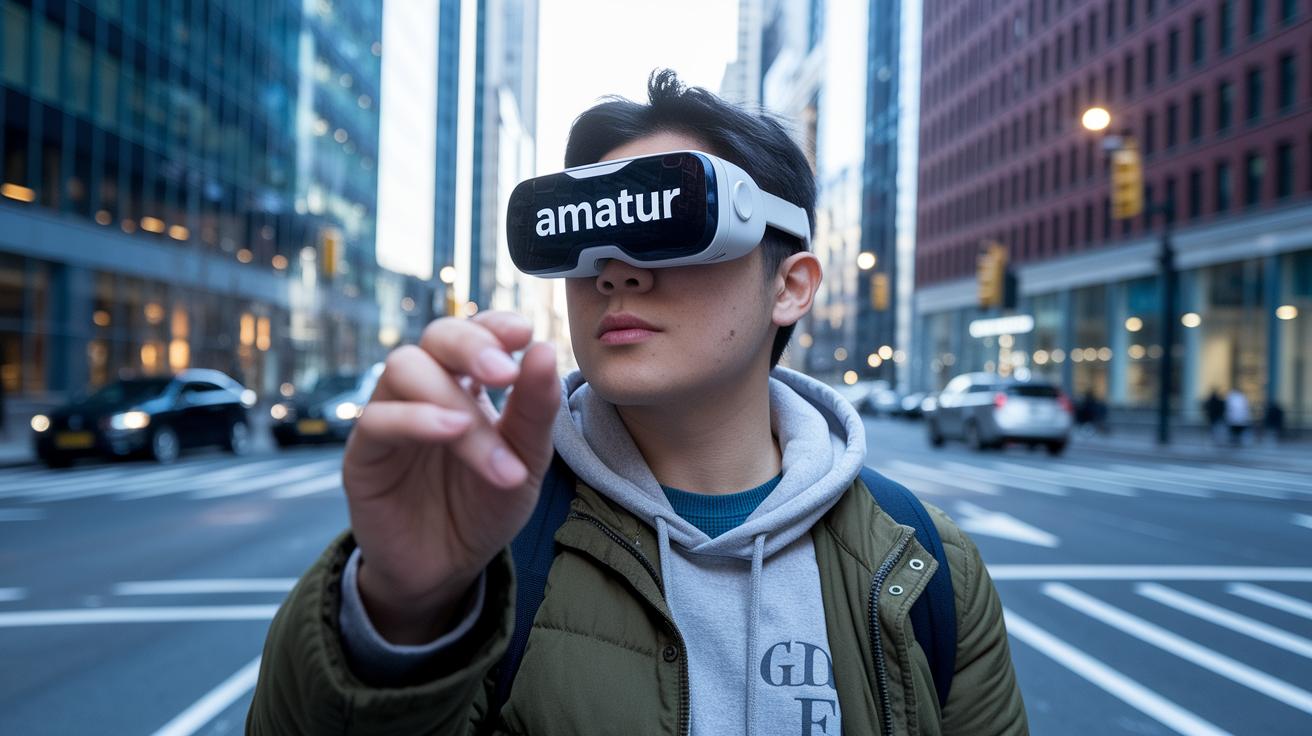
Brands are diving into AR and VR to create ads that really grab your attention. On apps like Snapchat and Meta, AR filters add digital magic to our everyday world, while VR lets you step into entirely new realms. In fact, early tests showed that immersive ads could boost memory by nearly 70%. Impressive, right?
But even with such promising numbers, AR and VR are still in the experimental phase. Marketers are grappling with issues like making sure different devices work together and helping users adapt to new tech. Still, platforms like Niantic are stepping up with AR ads that mix real-world experiences with interactive features. Picture an ad during a live event that transforms a regular storefront into a vibrant, immersive scene with real-time graphics, it’s that kind of innovation sparking emotional and sensory connections.
In this evolving landscape, marketers need to keep testing and learning. They’re laying out a roadmap that could bring these creative, tech-forward campaigns into the mainstream. When creative vision meets digital innovation, ads become something you not only watch but actually feel.
Multi-Channel and Omnichannel Integration Trends for the Future of Marketing

Marketers today are busy crafting campaigns that cut across all channels to deliver one smooth, continuous conversation with customers, no matter where they interact with a brand. They’re using short-form videos on TikTok, Reels, and Shorts (quick, engaging content) that blend together like each instrument in a band, coming together to tell a unified, real-time story.
Imagine scrolling through your favorite app and being able to make a purchase instantly, thanks to in-app checkout. It’s shopping made effortless, like the app just knows what you need right when you need it.
These days, brands mix emails, mobile messages, social posts, and website content to send out a message that truly sticks. And with real-time social listening, they can adjust their campaigns on the fly, think of it like fine-tuning a recipe based on live taste-tests. A little tweak here or there can really boost engagement and drive results.
Key building blocks include:
- Multi-Channel Integration Trends
- Cross-Platform Synergy Approaches
- Omnichannel Outreach Systems
- Cross-Device Engagement Boosts
- Real-Time Social Tracking
This approach turns every customer interaction into a chance to strengthen a brand’s identity.
Ethical and Sustainable Practices in the Future of Marketing
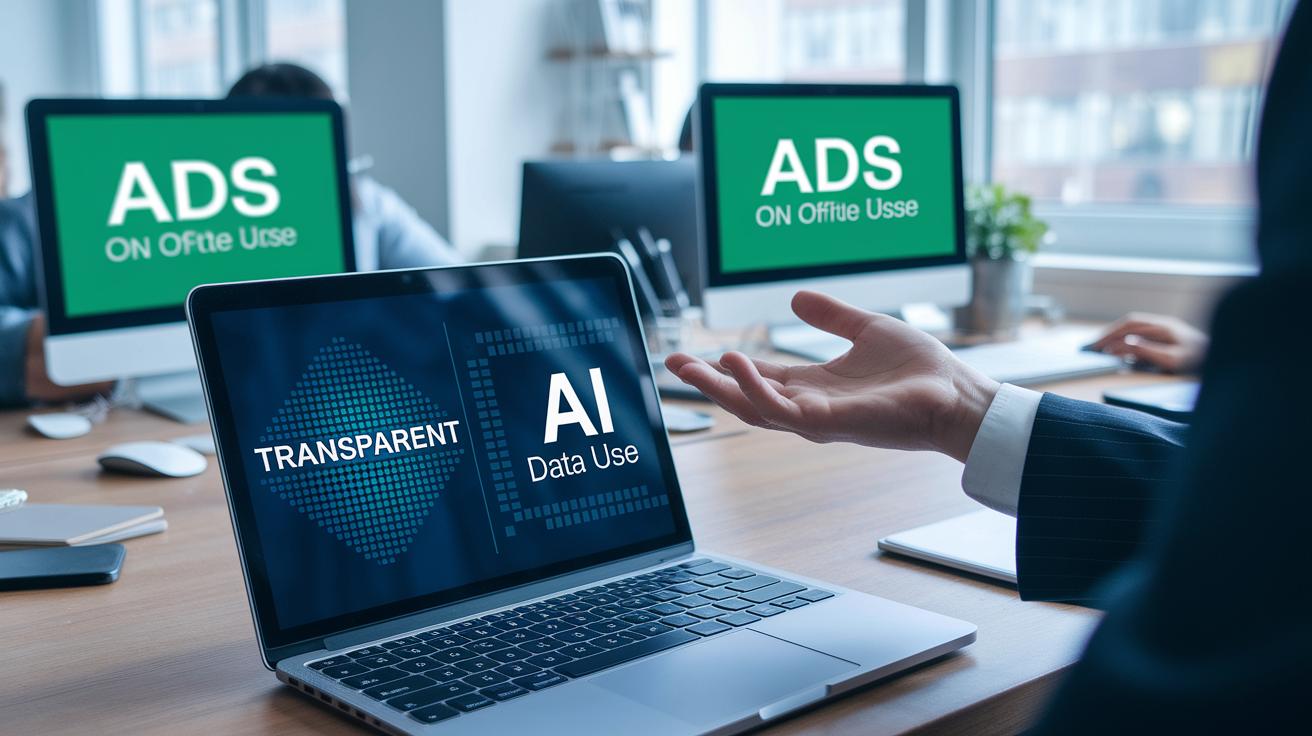
AI usage isn’t just about quick insights anymore. It’s about companies setting clear, honest rules to protect your data and prevent biases in their algorithms. Imagine a business that tells you straight up, "We only use the data you share, nothing extra." It feels fair, right?
Digital ads are stepping up as eco-friendly alternatives to old-school print ads. Think of them as green billboards that catch your eye without adding to waste. It’s a win for the brand and a win for our planet.
Consumers now expect brands to take social responsibility seriously. Picture a well-loved local shop that proudly gets involved in community projects. This kind of genuine care creates a bond that goes way beyond just selling products.
Brands built around data now make trust their top priority. Some even share their data practices openly and invite customer feedback. This approach turns regular marketing into a real connection between the company and its customers.
Preparing Your Organization for the Future of Marketing: Strategies and Skills

Building a forward-thinking marketing team means keeping up with the fast pace of change and staying on top of AI skills that evolve every day. It’s like mixing a fresh cup of coffee with the buzz of the latest trends, continuous learning and teamwork between departments keep you ahead when the market shifts. Think of training as more than just sessions; it’s about learning programmatic media buying (basically, using automated tools to buy ad space) and data analysis while sharpening your ability to adapt on the fly.
Investing in solid training really shows results. Companies that support digital marketing apprenticeships (hands-on learning opportunities blending tech with creativity) notice a jump in both engagement and conversion rates. These marketing pros get the best of both worlds, deep technical know-how teamed up with creative storytelling that drives digital brand evolution.
Key initiatives include:
- Hosting scenario planning sessions to forecast future trends.
- Encouraging the mix of creative, technical, and analytical skills.
- Rolling out ongoing training programs that spark forward-thinking, creative approaches.
Strategic foresight pushes you to look beyond today’s tactics and prepare for tomorrow’s shifts. By building these cross-functional skills, your campaigns not only perform better but also cement your reputation as a forward-looking, responsive marketing leader, setting the stage for bold moves and lasting success.
Final Words
in the action, the blog broke down key trends from short-form video hits to AI-powered analytics, hyper-personalization, and immersive AR/VR ads. Each section showed how real-time tech and smart, ethical campaigns redefine our approach across multiple channels. This recap highlights how organizations can upskill and refine strategies to embrace the future of marketing. The insights remind us that innovative, data-driven approaches lead to smarter decision-making. Keep this momentum, stay curious, and look forward to the bright, transformative road ahead.
FAQ
What does the future of marketing in 2025 hold?
The future of marketing in 2025 holds a mix of AI-driven automation, short-form video prominence, and streamlined social commerce that refines consumer engagement while predicting trends from real-time data analysis.
What key trends define marketing by 2030?
Marketing trends by 2030 include hyper-personalization, immersive digital experiences, and integrated cross-channel strategies that combine AI insights with evolving consumer preferences to boost engagement and conversion rates.
How will AI shape the future of marketing, and is marketing likely to be replaced by AI?
AI will drive real-time decision-making and automated content creation, enhancing overall strategies without replacing human creativity; marketers will continue to build brand narratives and maintain vital consumer connections.
What are the emerging marketing strategies for the future?
Emerging strategies blend dynamic content adaptation, multi-channel integration, and data-driven personalization to create seamless customer journeys that instantly respond to shifting consumer behaviors.
Where can I access detailed future marketing resources like PDFs and McKinsey insights?
Detailed resources such as industry PDFs and McKinsey research provide data-driven overviews and projections, sharpening strategic planning and inspiring proactive marketing initiatives for forward-thinking professionals.
How will marketing job roles evolve in coming years?
Marketing roles will evolve with growing demand for digital skills, AI literacy, and cross-functional collaboration, ensuring teams remain agile and responsive to rapid technology-driven shifts.
What will the marketing landscape look like in the next five years?
In five years, marketing will be more tech-integrated with digital campaigns, real-time analytics, and advanced personalization, all transforming how brands tell their stories and connect with audiences.