Ever wonder what really fuels online growth? A lot of marketers scratch their heads over whether a broad digital strategy or a focused social media game is the secret sauce.
Digital marketing packs a punch with tools like SEO (helping your site show up higher in search results), PPC (or paid ads that catch your eye), and email campaigns that pull in customers from every corner. Meanwhile, social media marketing zeroes in on platforms like Facebook and Instagram where you can spark direct, lively chats with your audience.
In this post, we break down how both approaches work. Even though they share some ground, each plays its own distinct role in giving your business that extra boost.
Definitions and Scope of Digital Marketing vs Social Media Marketing
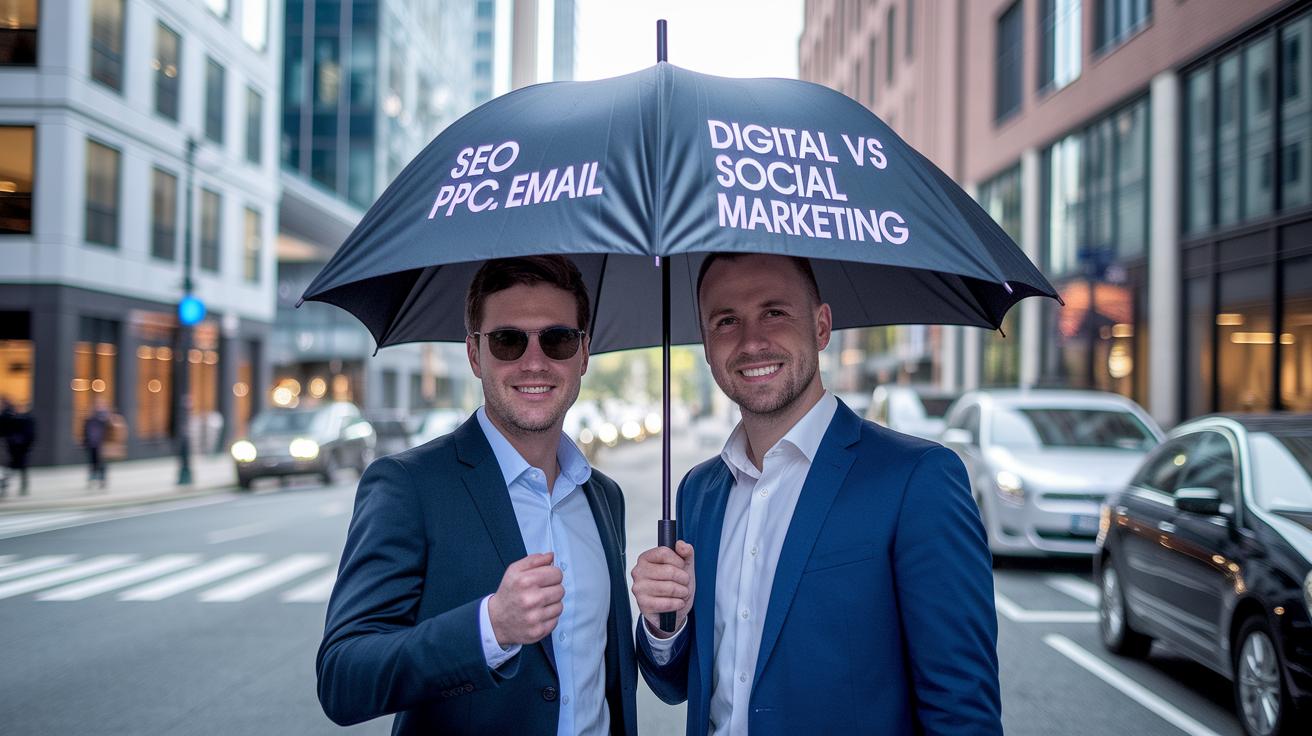
Digital marketing versus social media marketing is a hot topic many marketing pros chat about when planning their online game. Digital marketing is like a big umbrella that covers lots of channels, think SEO (search engine optimization, which boosts your site’s rank on search engines), PPC (pay per click, where you pay for ad clicks), affiliate marketing, email campaigns, and content strategy. Each part works to draw more people to your website and turn casual visitors into customers. For example, a well-crafted email campaign can grab attention, much like sharing a neat fact that "Email campaigns can drive up to 5 times more revenue compared to traditional marketing methods."
Social media marketing, on the other hand, is a focused branch within that broader field. It zeroes in on platforms like Facebook, Instagram, Twitter, and LinkedIn. Here, the goal is to boost brand awareness and engage with customers directly. Imagine posting a video that quickly captures attention because it tells an authentic story through eye-catching imagery.
Digital marketing pulls together a mix of channels to form a complete strategy that converts curious visitors into loyal fans. In contrast, social media marketing is all about building a community, sparking conversations through likes, shares, and comments. This shows that while both approaches drive business success, digital marketing casts a broader net, and social media marketing focuses on creating close connections.
Even though these two areas sometimes overlap, they serve different roles. Digital marketing leverages a variety of tactics to drive actions like purchases and sign-ups, while social media marketing nurtures engagement and loyalty. Both need careful planning and ongoing review to keep up with changing trends and deliver steady, effective results.
Core Channels and Processes in Digital vs Social Media Marketing
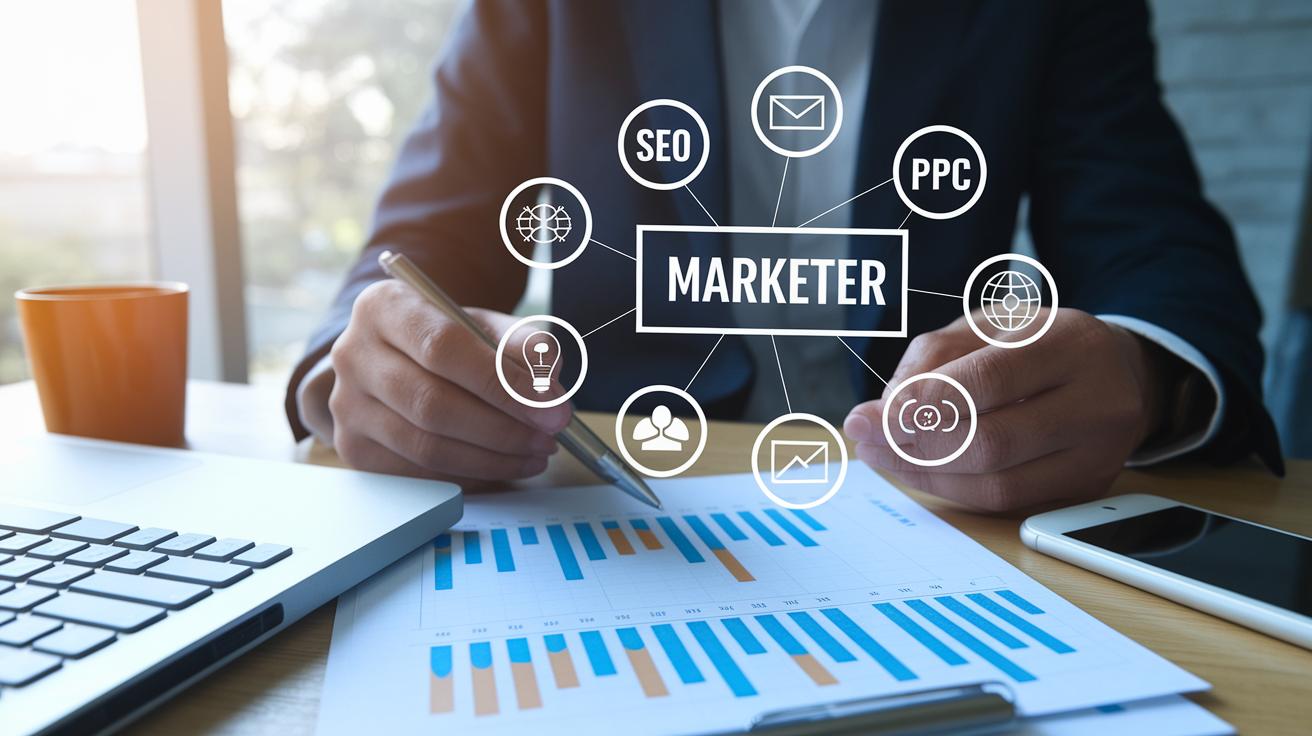
When you kick off digital marketing, you start by setting clear campaign goals and figuring out who you're talking to. It’s like planning a meal; first, you know what dish you want to make, then you gather your ingredients. In digital marketing, that means sorting out your budget, choosing channels such as SEO (boosting your website’s visibility), PPC (paying for each click on your ads), and email campaigns, and finally, launching and tracking the campaign every step of the way. For instance, a business might decide its main aim is to increase sign-ups and then pick SEO and PPC to drive the right kind of traffic, keeping a close watch on the numbers as the campaign unfolds.
On the flip side, social media marketing starts with a friendly check-in called a social media audit. This step is all about taking a good look at how you’re performing on platforms like Facebook, Instagram, LinkedIn, and Twitter. Once you know where you stand, you move on to assessing each platform’s strengths, planning a content calendar, scheduling your posts, and monitoring how your audience engages. It’s a bit like tuning into a series of conversations, seeing which topics get the most cheers and then shaping future posts accordingly.
To sum it up, both strategies hinge on a few simple steps:
- Set clear and specific objectives.
- Pick the channels that fit your needs (digital sites versus social platforms).
- Launch campaigns that speak to each channel’s unique audience.
- Keep a regular check on performance using data.
In both approaches, having someone in charge, like a hands-on platform manager, is key to keeping an eye on how ads are doing and whether your content reaches the right people. Digital marketing is mostly about driving conversions, while social media marketing is all about building real connections and active engagement.
Comparing Goals, Metrics, and Performance in Digital vs Social Media Marketing

Digital marketing leans on a mix of number-crunching measures to see how well campaigns turn interest into action. Think about basic stats like organic traffic (visits coming from search engines), conversion rates (the percentage of visitors who take action), and cost per lead (money spent to gain each potential customer). For instance, one SEO push lifted organic visits by 652% in just one week, while a PPC campaign (pay per click advertising) brought down lead costs by 85% and boosted monthly leads nearly six times. These figures give decision makers strong evidence to back up online advertising spend and ROI claims.
Social media, on the other hand, zooms in on customer interaction. Here, you’re looking at things like engagement rate, share of voice, and brand mentions, basically, how much and how well your audience is talking back to you. Tracking likes, comments, and shares gives a clear picture of community vibes and helps you tweak your strategy so your content really hits home.
Both approaches need ongoing checks to keep improving. Marketers typically:
- Review conversion rates across different channels
- Monitor cost per lead to see if spending is on track
- Analyze social media engagement patterns for audience insights
By comparing these numbers, you can decide whether to focus on driving direct conversions with digital channels or to strengthen brand interactions on social media. In the end, each set of data tells a story, not just about raw numbers but also about the quality of customer connections. Regular performance reviews and data-driven tweaks ensure every campaign stays sharp and aligned with business goals.
Cost Considerations and Resource Requirements for Digital vs Social Media Marketing
Digital marketing costs can really vary depending on the approach you choose. For example, a pay-per-click (PPC, which means you only pay when someone clicks your ad) campaign might need a hefty budget for ad spend. On the other hand, strategies like SEO (techniques that help boost your site's position on search engines) often mean paying for premium tools and email services. In short, your spend should reflect your campaign goals. Think of it like planning a meal – every dish (or channel) works together to create a full, satisfying experience.
Social media marketing usually focuses on investing in content creation, paid boosts, and tools that help you keep your community engaged. Imagine crafting a series of catchy posts, stunning visuals, and interactive campaigns that not only look good but speak directly to your audience. It’s a lot like making sure every post is as polished and timely as a live conversation with your followers.
| Strategy | Key Cost Drivers |
|---|---|
| Digital Marketing | PPC budgets, SEO tool subscriptions, email platform fees |
| Social Media Marketing | Content development, paid promotions, community management tools |
- Set your budgets based on clear, defined campaign goals.
- Keep an eye on spend efficiency to ensure your investments really pay off.
- Weigh each channel’s strengths, whether it’s digital advertising or network promotion, to get the best bang for your buck.
Case Studies and Best Practices in Digital Marketing vs Social Media Marketing
Real-life examples show how digital and social efforts work hand in hand. One B2B client used SEO and PPC (paid ads, which help lower your cost per lead) to achieve remarkable results, a 652% jump in organic traffic in just one week, an 85% drop in CPL, and a sixfold increase in monthly leads.
Meanwhile, a global coffee brand ramped up its online profile by riding the wave of trends and tapping into user-generated content on Instagram. They even advise starting with an unexpected fact, like, "A well-timed Instagram post can spark thousands of conversations among your target group." It’s a blend of sound digital tactics with creative social storytelling.
| Method | Approach | Outcome |
|---|---|---|
| Digital Marketing | SEO improvements and PPC (paid ads) enhancements | 652% traffic boost, 85% CPL reduction, sixfold lead increase |
| Social Media Marketing | Trend-chasing combined with user-generated content | Heightened brand relevance and active online engagement |
Key best practices? First, set clear objectives for every campaign. Next, rely on data insights to refine your approach, whether you’re tweaking SEO keywords or crafting engaging social posts. Finally, mix proven digital methods with creative social content to build strong, measurable connections with your audience.
Selecting and Integrating Digital and Social Media Marketing Strategies
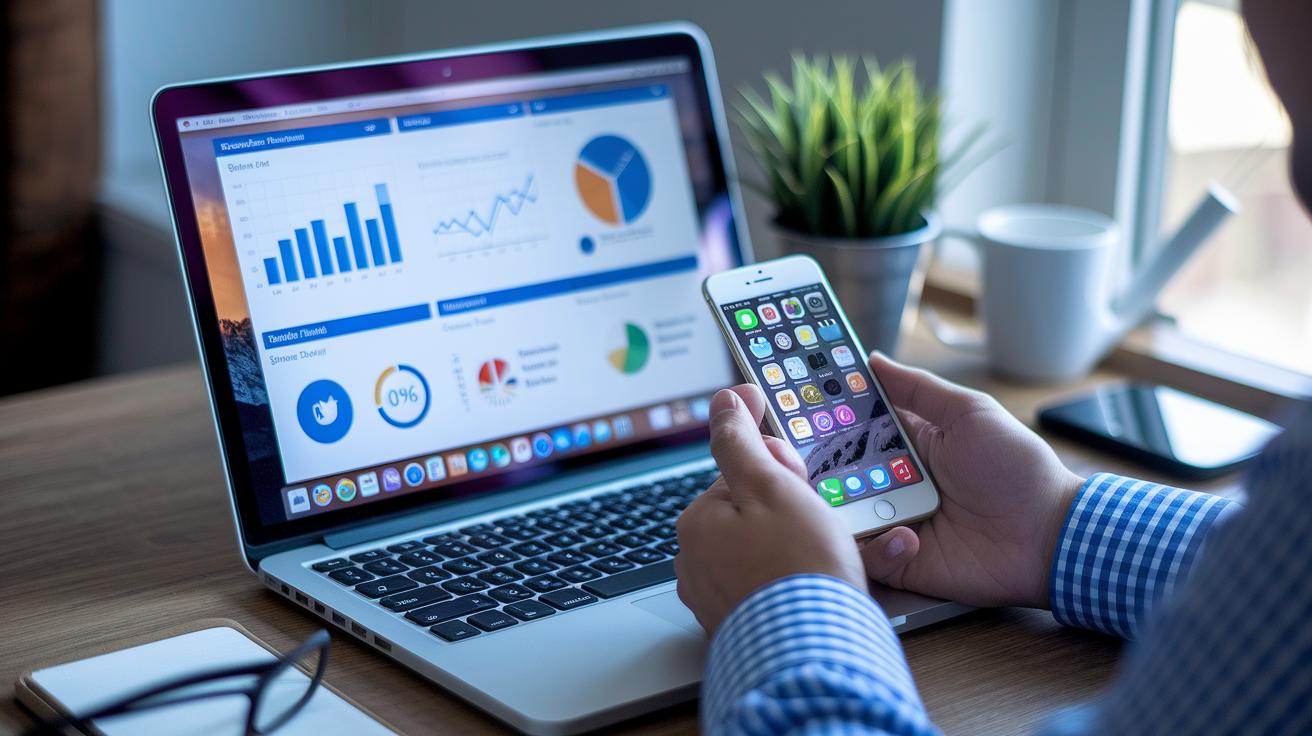
When you set up your marketing mix, picture digital channels as the reliable workhorses that drive traffic and conversions, while social media builds a vibrant community and collects priceless customer feedback. You need a blend that fits your business goals, your team’s skills, and your audience’s habits. Imagine a campaign where your digital strategy nudges users to sign up for a newsletter, while your social media approach sparks lively conversations about that content. It's like pairing a hearty main course with a zesty dessert.
Blending these channels well is crucial. It means aligning your strategies so each platform shines in its own way. For example, consider who clicks on your cost-per-click (PPC) ads versus who comments on your posts, and match your tactics accordingly. Mix in some conversion rate optimization techniques, like tweaking your landing pages with digital analytics, and keep an eye on social insights to better segment your audience.
Ask yourself a couple of key questions:
- Which platforms deliver the quickest leads?
- Where does your community feel the most engaged?
Once you have those answers, dive into multi-channel content distribution. This might mean tailoring your message to fit your website, email campaigns, and posts on platforms like Facebook or Instagram. Suppose you notice a trending topic driving peak engagement, use that insight to adjust your digital ad copy and social media posts in real time.
Remember, both digital and social media marketing offer powerful entry points into the field with clear paths toward leadership. When your team leverages each channel fully, not only do you drive conversions, but you also build deeper customer relationships every step of the way.
Final Words
In the action, this post broke down digital marketing vs social media marketing with clear definitions, channel comparisons, and cost considerations. We highlighted real-world case studies and shared steps that guide campaign setup through performance tracking.
These insights offer practical ways to assess goals, measure performance, and compare costs across channels. They invite you to experiment, refine your tactics, and confidently choose strategies suited for your objectives. Keep experimenting and stay positive, every tweak is a step toward more effective campaigns.
FAQ
What does the discussion “Digital marketing vs social media marketing reddit” mean?
The conversation highlights that digital marketing covers all online strategies—like SEO and PPC—while social media marketing zooms in on building engagement on platforms like Instagram and Facebook.
What is the difference between social media marketing and digital marketing with examples?
This difference shows that social media marketing centers on engaging audiences on specific platforms, while digital marketing uses varied tactics including SEO and PPC; for example, one campaign may drive traffic with SEO and build community via Instagram posts.
How do salaries compare in digital marketing versus social media marketing, and who earns more?
Salary data indicates digital marketing roles often command higher pay due to broader technical responsibilities, though earnings depend on experience, job scope, and location for both fields.
What digital marketing and social media marketing courses are available?
Courses range from online certifications to in-person workshops, teaching broad digital strategies like SEO and PPC as well as social network content creation and engagement best practices.
Should I learn digital marketing or social media marketing?
Choosing digital marketing offers a wide scope of online tools, while social media marketing emphasizes brand storytelling and community building; your choice depends on whether you prefer a broad or more focused approach.
What are the 7 types of digital marketing?
The seven types typically include search engine optimization, pay per click, content marketing, social media marketing, email marketing, affiliate marketing, and online advertising, each designed to drive traffic and conversions.
What is the 5 3 2 rule for social media?
The 5 3 2 rule suggests sharing five curated posts, three original pieces, and two personal updates, helping keep your social feed balanced and engaging without overwhelming your audience.
How can I understand digital marketing, social media marketing, SEO, online advertising, content marketing, and overall marketing?
Digital marketing covers a spectrum—from SEO to online ads—while social media marketing hones in on platform-specific engagement, and content marketing uses narrative to build trust; together, they create a full strategy for brand growth.