
Have you ever wondered if influencers are truly upfront about sponsored posts? When you spot a clear tag like #ad (which means advertisement), it's like a firm handshake that tells you nothing is hidden.
When influencers and brands mention their partnerships right away, it builds trust. It feels as genuine as chatting over your favorite latte.
This article breaks down easy rules and straightforward guidelines that keep every post clear and honest. By embracing these practices, audiences feel more confident and the bond between creators and fans grows even stronger.
Transparent Influencer Marketing Practices: Guidelines and Regulatory Frameworks

Transparency is a must in influencer marketing. When influencers mix brand promotions with their daily posts, they need to be upfront so followers know what's going on. That means using simple tags like #ad or #sponsored to show right away that the post is a paid promotion. For example, a creator might start a post with "In partnership with [Brand]" to quickly let followers know it’s a paid deal. This clear approach not only prevents any confusion but also keeps everyone in line with FTC guidelines and local ad rules.
Some key tips include:
- Use well-known, approved tags like #ad or #sponsored
- Place disclosures at the very start of captions or videos
- Clearly mention every paid partnership in each post
- Use built-in disclosure features (for example, the "Paid partnership" label)
- Keep your language direct and to the point
This honest framework works well for both influencers and brands. Research shows that 63% of shoppers trust influencers who make their partnerships clear. Additionally, 67% of consumers favor posts that feel genuine over overly polished ads, while 88% feel that influencers should truly love the products they promote. By being transparent, influencers not only avoid legal headaches but also build stronger, more trustworthy connections with their audiences. In the end, this boosts a brand’s reputation and helps drive business success.
Disclosure Types and Platform Requirements in Transparent Influencer Marketing Practices

When influencers handle their own disclosures, they might simply add a hashtag like #ad or mention that a post is sponsored. On the flip side, social platforms offer tools to make this easier. For example, Instagram shows a "Paid partnership" label and TikTok automatically flags posts with a "Sponsored" badge. These two approaches aren’t always used the same way, which can leave audiences guessing whether a post is an honest share or a paid message. This uneven mix makes it clear: everyone should stick to the rules to keep things transparent.
| Platform | Disclosure Method | Key Requirement |
|---|---|---|
| “Paid partnership” label | Must appear at top of posts/stories | |
| YouTube | In-video statement + tag | Must appear in video and description |
| TikTok | Native “Sponsored” badge | Automatically flags paid content |
Following each platform’s rules is key to building trust and steering clear of penalties. When influencers use the right labels at the start of a post or add clear tags in their videos, it’s much easier for viewers to know what’s sponsored. This not only protects the creator from trouble but also keeps a brand’s image solid, building a real connection with their audience. Platforms like Instagram, YouTube, and TikTok have set these methods to help everyone stay on the same page. By following these guidelines, legal risks shrink and a culture of clear, honest influencer collaborations grows.
Transparent influencer marketing practices Boost Trust

Brands and influencers kick off clear partnerships by using solid contracts that lay out specific rules. These agreements might include a clause like "In partnership with [Brand]," which tells everyone exactly what to say. They serve as a checklist for each post and help set legal expectations right from the start.
Next up, training matters. Influencers learn the ropes on how to reveal paid alliances with simple, consistent language. And when they share posts, they mirror the brand’s values while keeping their authentic voice. Keeping posts focused on one partnership at a time helps avoid confusing the audience.
Then, it’s all about keeping track. Using real-time analytics and campaign-management tools, brands can see if disclosure rules are followed. These tools give quick insights to fine-tune the process and make sure every campaign feels honest and open.
Case Study: Blueland’s Micro-Influencer Campaign Demonstrating Transparent Influencer Marketing Practices
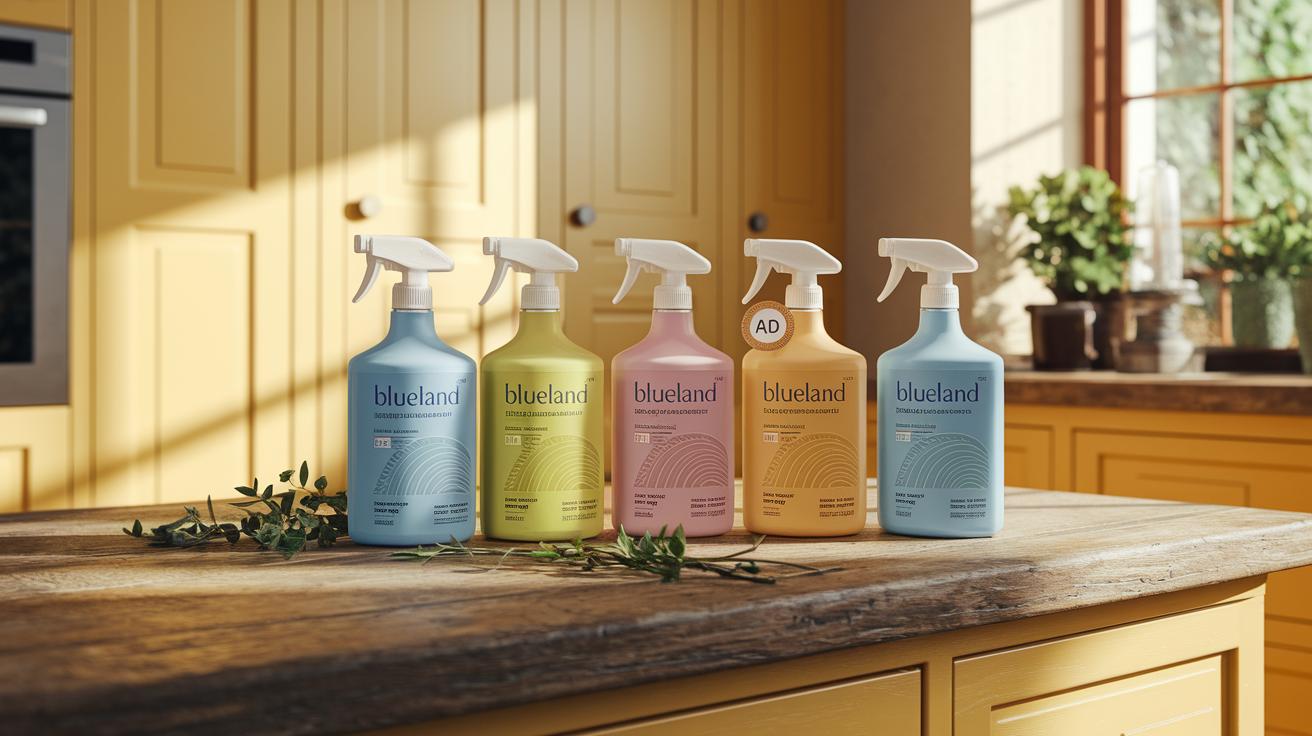
Blueland's latest campaign teamed up with 211 micro-influencers who have anywhere from 5K to 100K followers. They chose these creators because of the genuine content they share and their natural ability to connect with audiences. Every influencer was carefully selected based on how well they engage with their followers and how closely their eco-friendly vibe matches Blueland’s own values.
The influencers were super clear about their paid partnerships, they marked their posts with #ad tags and even mentioned it in their messages. They also pointed their followers to special landing pages loaded with product details. This kind of openness sparked real, organic buzz and led to a pile of high-quality user content. One creator kicked off their message by saying, “In partnership with Blueland,” setting a refreshingly honest tone right away.
With a stellar 13× ROI, the campaign clearly showed that being upfront not only builds trust but also drives solid business results. It’s a great reminder that transparency in influencer work can really pave the way for long-term brand loyalty.
Role of Platforms and Oversight in Maintaining Transparent Influencer Marketing Practices

Social media channels make it easy for creators to mark sponsored posts clearly. Take Instagram and Facebook, for example, they automatically tag posts with "Paid partnership" so everyone sees when a brand is involved. YouTube even uses smart algorithms (computer instructions that check for mistakes) to spot content missing these notes.
In addition, these platforms let users report posts that seem off. When flagged, a review kicks in pretty quickly. If things go too far, penalties like fines, taking down the content, or even suspending an account come into play. This system pushes both influencers and brands to stick to proper disclosure rules each time they promote a product.
Beyond what the platforms do, groups like the FTC keep a close eye on things too. They run regular audits and hand out legal punishments when needed. Plus, updated rules and occasional guideline tweaks help everyone stay on track with the latest standards. Nowadays, many brands also use third-party compliance tools built into influencer marketing platforms, like the one at https://adruckus.com?p=1720, to keep a real-time check on influencer posts.
When strict platform policies mix with active legal oversight, the result is an industry where transparency is the norm. This not only upholds solid advertising standards but also builds trust and protects both brands and influencers against any compliance slip-ups.
Measuring the Impact of Transparent Influencer Marketing Practices on Consumer Trust and ROI

Metrics like disclosure view-through rates, sentiment analysis scores (which simply show how consumers feel) and conversion lift are like signposts, they tell us that honesty really lifts consumer confidence. Marketers capture these insights using surveys and analytics tools that track how openly labeled posts sway consumer choices. For example, you often see changes in how satisfied people are with a product and their view of a brand when posts come with clear labels.
Studies even reveal that posts marked with clear disclosures pull in 20–30% more engagement. Consumer surveys also show that brands sticking to honest communication win better sentiment scores. In other words, these numbers not only back up compliant advertising but also prove that clear disclosures bump up overall campaign performance.
It makes sense for marketers to weave these audit metrics into regular campaign reviews. Keeping tabs on engagement, sentiment, and conversion gives you concrete clues to tweak your content and disclosure strategies. By using these insights to fine-tune future plans, brands can boost consumer trust and keep influencer collaborations rock-solid.
Emerging Trends in Transparent Influencer Marketing Practices to Watch

Micro-influencers are really shaking things up these days. They build tight-knit, engaged communities and bring a level of genuine authenticity to brand partnerships that you just can’t fake. Even the newer AI tools, think of them as smart assistants, are stepping in to automatically spot any posts that might hide a paid relationship. Ever thought about this? AI can now pick up on subtle hints that might slip past a human eye.
The scene is buzzing with change. For example, many industry players are uniting behind a push for consistent standards. Groups across the field are working hard to create universal labels that make it easy for both creators and audiences to know exactly what's going on. Then there are blockchain tests where each sponsorship is recorded securely, much like an unchangeable digital diary. Imagine setting up your favorite playlist: each collaboration is a track carefully arranged to give you a full picture.
This mix of rising micro-influencer influence and clever AI oversight is rewriting the rulebook. It’s not just about catching mistakes; it’s about building trust and transparency in every online interaction. These fresh ideas are paving the way for a more honest and accountable influencer marketing world.
Final Words
In the action, we walked through key ideas like ethical endorsement guidelines, platform rules, and contract clauses designed to foster consumer trust. Each section highlighted how clear disclosures, like #ad tags and native labels, boost campaign integrity and legal safety.
This discussion clearly shows how transparent influencer marketing practices help build brand loyalty while protecting both influencers and brands. The blend of real-life examples and fresh metrics gives a reassuring glimpse into a future where honest, respectful marketing wins every time.
FAQ
What are transparent influencer marketing practices PDF?
The transparent influencer marketing practices PDF explains detailed guidelines for clear influencer disclosures. It covers essential regulatory requirements and offers step-by-step instructions to help influencers and brands follow legal ad rules.
What do transparent influencer marketing practices PPT presentations cover?
The transparent influencer marketing practices PPT presentations lay out visual guidelines. They illustrate proper ad labeling, platform-specific disclosure techniques, and compliance protocols to foster trust between influencers, brands, and consumers.
What are some examples of transparent influencer marketing practices?
The transparent influencer marketing practices examples show how influencers use clear tags like #ad or #sponsored. They also highlight placing disclosures at the start of captions or videos and employing platform-endorsed labels to maintain authenticity.
What are the key elements of transparent influencer marketing practices in 2020?
The transparent influencer marketing practices of 2020 focused on clear ad disclosures and native labeling tools. They stressed the importance of upfront, honest communication in every post to align with FTC guidelines and build consumer trust.