Have you ever noticed how just a handful of ingredients can set your business growth on fire? Way back in the 1960s, a smart shift using Product, Price, Place, and Promotion changed the game entirely.
Today, we mix in fresh ideas like real customer feedback, streamlined processes, and a people-first approach to create strategies that truly click. In this post, you'll see how combining time-tested techniques with new insights can drive real, measurable growth. Stick with us, and you'll discover how every element adds its own spark to ignite success.
Marketing Mix: Winning Tactics Ignite Growth

The marketing mix first hit the scene in the 1960s and has shaped our understanding of strategy ever since. It all began with four key elements: Product, Price, Place, and Promotion. Think of Product as crafting a recipe that perfectly balances flavors, each ingredient designed to solve a real consumer problem.
Over time, marketers realized there was more to the story, especially for service industries. Now, People, Processes, and Physical Evidence join the mix. People aren’t just the front-line staff; they’re anyone who shapes how a brand feels. Processes cover every step of the customer journey, from that first curious click to the friendly follow-up after a purchase. And Physical Evidence gives you something tangible, like customer reviews or a behind-the-scenes glimpse that shows the quality in action.
Today, real-time data and firsthand insights are the fuel for smart strategies. Marketers lean on analytics (tools that break down numbers to spot trends) to tweak every element. This means your Product fits what customers need, Price feels just right, Place connects directly with those who shop, and Promotion speaks to people in a way that gels across channels. Ever noticed how a surprising fact can shift an entire campaign’s vibe?
By blending these classic and modern pieces, the marketing mix turns into a robust toolkit that drives growth and keeps strategies in tune with today’s ever-changing market pulse.
Product Element of the Marketing Mix: Developing Core Offerings

The product is the heartbeat of any business, it’s what you sell and how it fixes real problems for customers. It all begins with gathering insights from surveys and behavior data, which then guide how new ideas are shaped. Think of product development like putting together a custom playlist that matches every mood of your audience. Your product needs to work well every time and deliver on its promise.
Good core product development comes from careful product portfolio management. Marketers need to regularly check that product features really match what customers want. For instance, imagine tweaking a smartphone so its camera not only snaps a picture but truly captures a moment. This mix of solid performance and real customer insight builds lasting brand value.
Businesses that nail this element benefit from a clear product innovation plan, one that anticipates market trends and customer needs. They test new features, adjust settings, and update offerings all the time. The best approach includes getting feedback often, making steady improvements, and keeping open communication with users. These steps help every product become a building block for a trusted and growing brand.
Price Element of the Marketing Mix: Strategies and Models

Price acts like the engine of profitability, setting the tone for how consumers view value. Marketers play with numbers to strike that golden balance between making money and staying fair. They rely on price elasticity (which shows how much customers change their spending when prices shift) to gauge how much room there is to adjust. For instance, imagine testing a brief price drop to see if the boost in sales covers the slimmer margins.
Using solid data, companies figure out the sweet spot by comparing costs, what competitors are charging, and what customers are willing to pay. It’s quite like lining up price tags to see which one fits best with the market’s vibe.
Dynamic pricing comes into play when brands need to be quick on their feet. They shift prices in real time based on current demand and stock levels. Think about a big holiday sale where these adjustments helped spikes in conversion rates by about 25%.
Then there’s segmented pricing. Marketers set different price points for various customer groups, ensuring everyone feels they’re paying a fair rate. This approach not only lifts profits but also builds trust and a sense of fairness.
- Dynamic pricing tactics that adjust rates based on peak demand
- Comparative pricing models that benchmark against competitors
- Using elasticity in pricing to fine-tune customer response
By leaning on analytics, every pricing decision becomes a step toward building a more competitive, value-driven brand.
Promotion in the Marketing Mix: Advertising and Communication Channels

Promotion fuels a marketing plan by connecting companies with their audiences in engaging, real-life ways. It covers everything from classic PR and engaging content marketing to lively social media and immersive campaigns. One marketer even shared, "Did you know that before smartphones, sending a text nearly cost as much as a phone call? That little fact changed how we see communication forever."
Today, promotion takes on a digital twist. Brands use online outreach to send messages that feel personal and timely. By breaking audiences into smaller groups and studying their interests (that’s what we call psychographic analysis), marketers craft messages that really speak to each group. Instagram visuals, catchy email newsletters, and even podcasts all join the mix to keep people engaged. Marketers often try out creative campaign ideas to grab attention and build lasting connections.
Tactics include:
- Crafting stories that match each platform
- Experimenting with video content and interactive posts
- Analyzing audience data to fine-tune messages
Digital outreach helps brands not only reach more people but also see the impact right away. This flexible approach lets them adjust strategies on the fly, much like swapping a lead instrument in a band to hit the right note. And with consumers craving genuine interaction, blending traditional PR with modern digital techniques keeps campaigns fresh, diverse, and perfectly in tune with today’s fast-paced market.
Every touchpoint, whether it’s a quick podcast snippet or a vibrant Instagram campaign, boosts the overall brand experience and highlights the key role of promotion in a complete marketing mix.
Place in the Marketing Mix: Distribution and Channel Optimization

Place means making sure your product meets your customers right where they are. It’s like blending the buzz of online shopping with the charm of a local store. Smart marketers dive into research to find out where folks love to shop, then set up their channels, both digital and physical, to connect with them. Imagine placing a food truck at the busiest corner during lunch; it’s all about being there when your customers are ready.
When it comes to distribution, keeping stock steady and slashing wait times is key. Data helps pinpoint which online sites or physical stores spark the most interest. Mixing digital paths with face-to-face touchpoints creates a seamless, omni-channel experience that really clicks with customers.
Take a clothing brand, for example. They run an online store and also host pop-up shops. This setup means customers can browse at home and pick up their favorite items in person, keeping pace with today’s fast-moving trends.
- Reliable inventory tracking across all channels
- Smart product placement that meets real customer needs
- A fresh mix of digital and physical shopping spots
This strategy gives businesses a clear edge, ensuring that products are always available when and where customers want them.
Extended Service Marketing Mix: Understanding the 7Ps Framework

The 7Ps framework takes the classic marketing mix one step further by adding People, Processes, and Physical Evidence, giving service businesses a fuller toolkit to connect with customers. It’s like mixing the familiar with a few fresh ingredients to make your brand really stand out.
People bring in the human touch, showing how a friendly team or a sincere attitude can change a regular outing into something unforgettable. Think about that retail associate whose warm smile turns a quick shop into a genuinely uplifting experience.
Processes are all about smoothing the customer journey. Imagine ordering your favorite meal online with each step flowing effortlessly, from picking the dishes to tracking delivery. When every interaction feels seamless, customers stick around.
Physical Evidence offers proof of a brand’s promise. This could be glowing customer reviews, behind-the-scenes snapshots, or quality marks on brochures. Picture a restaurant proudly featuring photos of its award-winning dish that not only tempt your taste buds but also build trust.
By blending these extra Ps with the original mix, companies can build strategies that truly resonate. Marrying the personal vibe of People, the clarity of Processes, and the authenticity of Physical Evidence ensures that service businesses deliver experiences that continuously impress.
Applying the Marketing Mix: Case Studies and Practical Examples
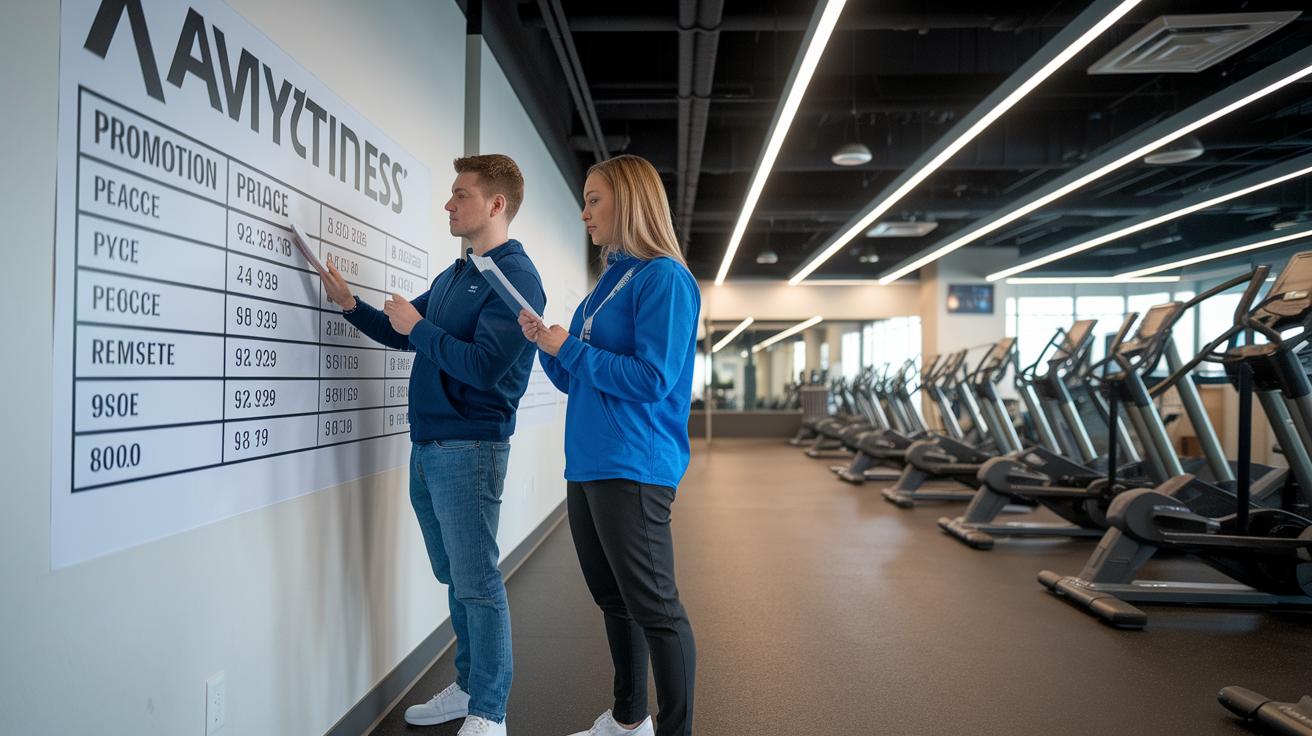
When you blend all the pieces of your marketing plan, you create one powerful strategy. Real-life examples show that mixing Product, Price, Place, and Promotion turns separate tactics into a smart, unified approach. Marketers combine online outreach with easy price comparisons (simple side-by-side checks) to fine-tune every move. Even a little price tweak, paired with a refreshed message, can transform a basic campaign into a success story.
Take Anytime Fitness, for example. This brand sticks to steady pricing, local promotions, and a presence that reaches over 5,000 locations. Their membership process is smooth, so every customer interaction is in sync. Think of it like choosing the perfect song for your favorite playlist, a small price change that drives a solid 20% boost in memberships.
Now, consider Example Brand B. This brand shakes things up by launching new product features and flexible pricing, all wrapped in a high-energy online campaign. Their approach shows how tying together different actions into one plan can drive impressive results. They use live data to adjust their tactics, making sure each channel, from online ads to social media posts, supports the brand’s goals.
| Brand | Mix Elements | Outcome |
|---|---|---|
| Anytime Fitness | Steady pricing, local promotions, omni-channel presence | 20% membership boost |
| Example Brand B | New product features, flexible pricing, online campaign | 15% sales increase |
These stories show that when every part of the marketing mix is in tune, small actions add up to a strong, growth-driving strategy. Real-life applications like these remind us that smart, data-based tweaks can make all the difference.
Common Pitfalls in Marketing Mix Implementation

One big trap in marketing is treating every part of your mix as a separate duty instead of a connected system. When pricing, positioning, and team performance operate in isolation, your overall brand message might start to unravel. Without a united strategy, even the best elements can undercut your brand’s impact.
Marketers, here are five common pitfalls you should steer clear of:
- Siloed planning: When each department works on its own, strategies can easily clash. Think about one team launching a promotion while another adjusts pricing, the result? A jumbled message and missed opportunities.
- Data neglect: Skipping over essential consumer insights means your campaigns risk feeling outdated and disconnected from what your audience truly wants.
- Poorly timed promotions: Launching promotions at the wrong moment can really throw a wrench in your plans, making you miss out on potential sales.
- Distribution gaps: If you don’t carefully research how well each channel performs, customers might struggle to access your product, lowering overall satisfaction.
- Under-optimized service elements: Ignoring the finer points, like the people behind the work, the processes in place, and the visible proof of your quality, diminishes the strength of your initiatives.
In short, missing these links can weaken a strategy that should otherwise be built on keen competitive analysis and solid market audits. Keep every piece in tune, and you’ll ensure your marketing mix works together in harmony.
Future Trends Influencing the Marketing Mix

AI personalization is changing the game, making marketing feel uniquely tailored. Marketers are tapping into predictive analytics (tools that forecast what customers might do) to guess needs before they even arise. They use real-time data to quickly tweak their game plans, which is a bit like adjusting your favorite playlist on the fly. And when it comes to campaign execution, teams can switch up tactics on a whim using clever marketing tools. Prices? They’re updating in real time, so every offer stays sharp and competitive.
Next, advanced trend forecasting and data-driven decisions are the secret sauce for those rapid pivots. Disruptive trend analysis digs deep into new customer habits and even predicts shifts in buying behavior. More businesses are discovering the magic of cross-channel optimization, where every touchpoint works in harmony, much like instruments in a well-tuned band. Plus, AI doesn’t just make customers happier; it also strengthens marketing strategies to keep pace with lightning-fast tech changes.
As decision cycles get quicker, the marketing mix is set to become even more agile, sustainable, and spot-on when reaching today’s savvy consumer. Smart data integration paired with rapid testing is reshaping strategies, ensuring marketers stay ahead as technology and customer demands continuously evolve.
Final Words
In the action, we traced how the marketing mix lays out a solid plan from product ideas and smart pricing to creative promotion and optimal placement. We explored its growth from simple beginnings to a robust system that unites every step in campaign planning. Each section highlighted practical insights, real-life case studies, and common missteps to watch out for. Reflect on these points as a guide to inform smarter decisions and spark fresh strategies that boost your campaigns and drive better results.
FAQ
What is the marketing mix?
The marketing mix represents a strategic framework that organizes key components like Product, Price, Place, and Promotion—along with extended elements such as People, Processes, and Physical Evidence—to create balanced, effective marketing plans.
What is the 4P marketing mix, and why is it called that?
The 4P marketing mix refers to Product, Price, Place, and Promotion. The name stems directly from these four essential elements, which guide brands in crafting compelling offers and reaching their target audiences.
What are the 7Ps in the marketing mix?
The 7Ps framework builds on the original 4Ps by adding People, Processes, and Physical Evidence. This extended approach delves into service aspects and customer experience, allowing for more nuanced, service-oriented strategies.
How does Price fit into the marketing mix?
Price in the marketing mix serves to balance revenue objectives with customer value perceptions. Marketers use data analysis and flexible pricing models to set competitive rates that reflect market demand and fairness.
How does Promotion shape the marketing mix?
Promotion in the marketing mix covers advertising, content marketing, and digital outreach. It connects brands with consumers through engaging messages and creative campaigns designed to spark interest and drive interaction.
Where can I find a marketing mix PDF?
A marketing mix PDF is a downloadable resource that details the key elements and strategies of the framework. It provides a quick reference guide that helps simplify complex concepts for effective marketing planning.
Why is the marketing mix important?
The marketing mix is important because it offers a clear structure that unites product development, pricing strategies, distribution channels, and promotional efforts. This streamlined approach helps businesses craft cohesive, consumer-focused strategies.