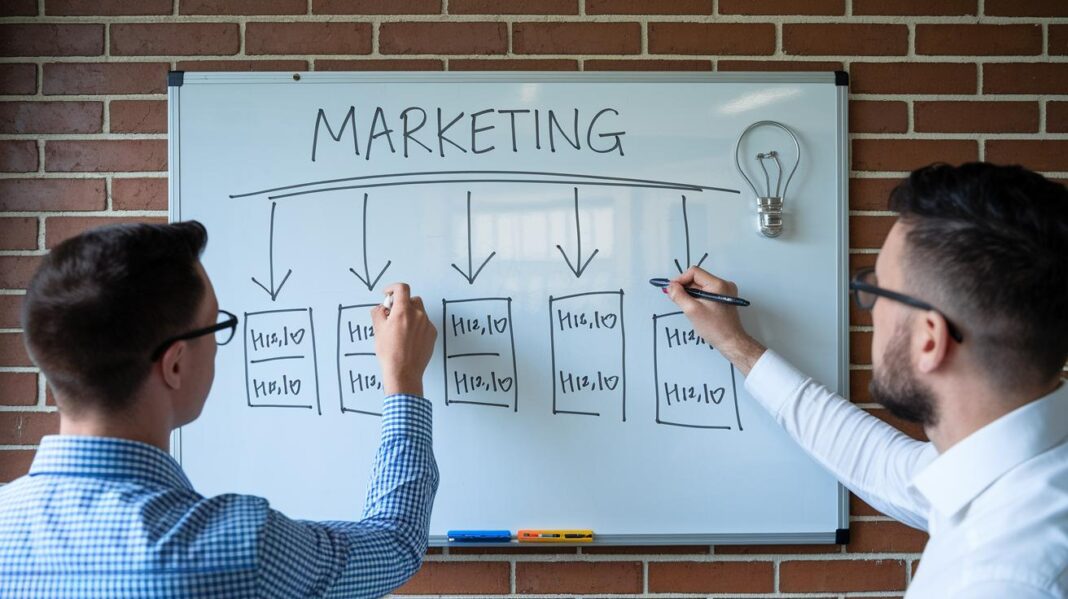
Ever noticed how some surveys really hit the mark while others just fall flat? Imagine trying to mix the perfect color blend without the right hues, consumer insights measurement does just that by merging numbers with real opinions to reveal what drives people to buy.
Think of it like mixing paints to capture the true picture of your customers. With a mix of structured surveys, friendly focus groups, and real-time feelers (tracking the mood of consumers as it happens), you get both cold, hard facts and the warm vibe behind each decision.
This post digs into each method and shows how they work together to spark smarter research, helping your business discover what truly matters.
Comprehensive Overview of Consumer Insights Measurement Techniques

Structured surveys are a classic way to tap into what buyers really think. Typically, these surveys collect responses from anywhere between 200 and 2,000 people, which makes spotting trends a breeze. For example, one study revealed that 85% of participants valued ease of use, a clear, hard number that shows what really matters to consumers.
Focus groups take things a step further by inviting smaller numbers of folks (usually 6 to 12) to share their thoughts face-to-face. This setup encourages lively discussions where one person might say, "This design feels intuitive because it mimics how I shop online." Such personalized feedback helps you get a richer picture than raw statistics ever could.
Sentiment tracking tools add another cool layer to your insight arsenal. These tools listen to social media chatter in real time, using simple algorithms to score whether the mood is positive or negative. Imagine seeing a flurry of upbeat comments after a fresh campaign tweak, it’s a clear sign that your brand is resonating.
Reviewing transaction data is another smart move. It shows you when and how customers buy, like noticing a spike in purchases between 7 and 9 p.m. This kind of data helps you segment customers based on buying behavior and even suggests which product bundles perform best.
Finally, web analytics ties everything together by tracking metrics such as page views, unique visitors, and session durations, along with a bounce rate hovering around 45%. When this quantitative data is mixed with demographic details, you get a comprehensive method that blends solid numbers with insightful, human nuances.
Quantitative Data Analysis Techniques in Consumer Insights Measurement

Quantitative research techniques light up the world of consumer insights by turning big numbers into clear answers. Surveys, for example, capture metrics like page views, unique visitors, and bounce rates; they even boast completion rates above 80%. This method gives us real, hard numbers about purchase behavior through well-built web surveys. Meanwhile, mobile polling mixes the best of big data and quick feedback to show exactly when customers are most active.
Transaction data analysis also plays a vital role. It helps break down different customer groups and pinpoints peak shopping hours, usually between 7 and 9 p.m., while highlighting the product bundles that really click with each segment. And, thanks to algorithmic trend analysis (that’s automated software sifting through data), no key insight slips through unnoticed.
A/B testing is another standout tool. Marketers often work with sample sizes of over 1,000 to see which creative approaches and messaging strategies hit the mark. Coupled with predictive analytics models (tools that forecast future trends based on current data), this method fine-tunes campaign strategies. When you add machine learning models from platforms like Azure ML or Google Cloud into the mix, forecasts can achieve a prediction accuracy between 75 and 90%. This blend of predictive techniques and big data makes it easier than ever to track shifts in consumer behavior using the latest marketing trends.
| Technique | Key Metric | Sample Size | Tools |
|---|---|---|---|
| Surveys | Page views, unique visitors, completion rates | 200-2,000 | Qualtrics, SurveyMonkey |
| Transaction Analysis | Peak hours, product bundles | Variable | SQL dashboards |
| A/B Testing | Conversion rate, consumer preference | 1,000+ | Tableau |
| Machine Learning Forecasting | Predictive accuracy (75-90%) | Large-scale | Azure ML, Google Cloud |
| Web Analytics | Unique visitors, bounce rates | High volume | Power BI |
Qualitative Feedback Evaluation Techniques in Consumer Insights Measurement

Qualitative research is like getting the backstage pass to buyer behaviors. It goes beyond numbers by capturing personal stories you can almost feel. For example, researchers often set up one-hour in-depth interviews, usually 10 to 15 sessions, where they ask simple questions like, "What part of your shopping journey made you smile today?" This way, they uncover the little details that drive our choices.
Then, there's focus group testing. Here, 6 to 12 folks gather for a 90-minute conversation that feels more like a friendly chat than a formal study. Picture a room buzzing with ideas where someone casually mentions, "This product layout just feels natural." That comment sparks more insights, and soon everyone is sharing thoughts that help refine the product design.
Ethnographic studies take things further by joining consumers in their everyday settings. Imagine a researcher spending time in a local market, quietly observing how people interact with products. This hands-on method is perfect for when packaging and messaging need real-time reactions. A quick, "What do you think of this package design?" can bring out immediate and honest feedback.
Lastly, shopper diaries let consumers jot down their feelings and thoughts during daily use. Together, these approaches weave a rich narrative that transforms raw data into a story you can really relate to.
Emerging Hybrid Consumer Insights Measurement Techniques

AI-driven social listening platforms scan millions of social mentions in real time, transforming everyday chatter into actionable insights. They use smart language tools (NLP, which stands for Natural Language Processing) to track the mood and spot trends fast. Imagine a sudden burst of positive comments around a new product launch, marketers can quickly pivot their strategy when they catch that buzz.
Automatic call transcription and tone analysis also bring a fresh twist to customer feedback. When conversations from support calls turn into text, a subtle change in tone can hint at emerging issues with a new feature. It’s like catching a whisper before it turns into a shout.
Eye-tracking studies add another layer by pinpointing exactly where customers look on a package, typically achieving accuracy between 60 and 80%. At the same time, biometric sensors pick up on skin responses during product trials, highlighting moments of genuine excitement or hesitation. These details give a real sense of how emotions guide buying decisions.
Machine learning steps in to wrap it all together by spotting pattern shifts in unstructured text. With techniques that mix human emotions from biometric data and clear digital sentiment signals, researchers are turning complex info into clear trends. This blend of tech and touch is pushing consumer insights measurement into an exciting, new era.
Implementation Best Practices for Consumer Insights Measurement Techniques
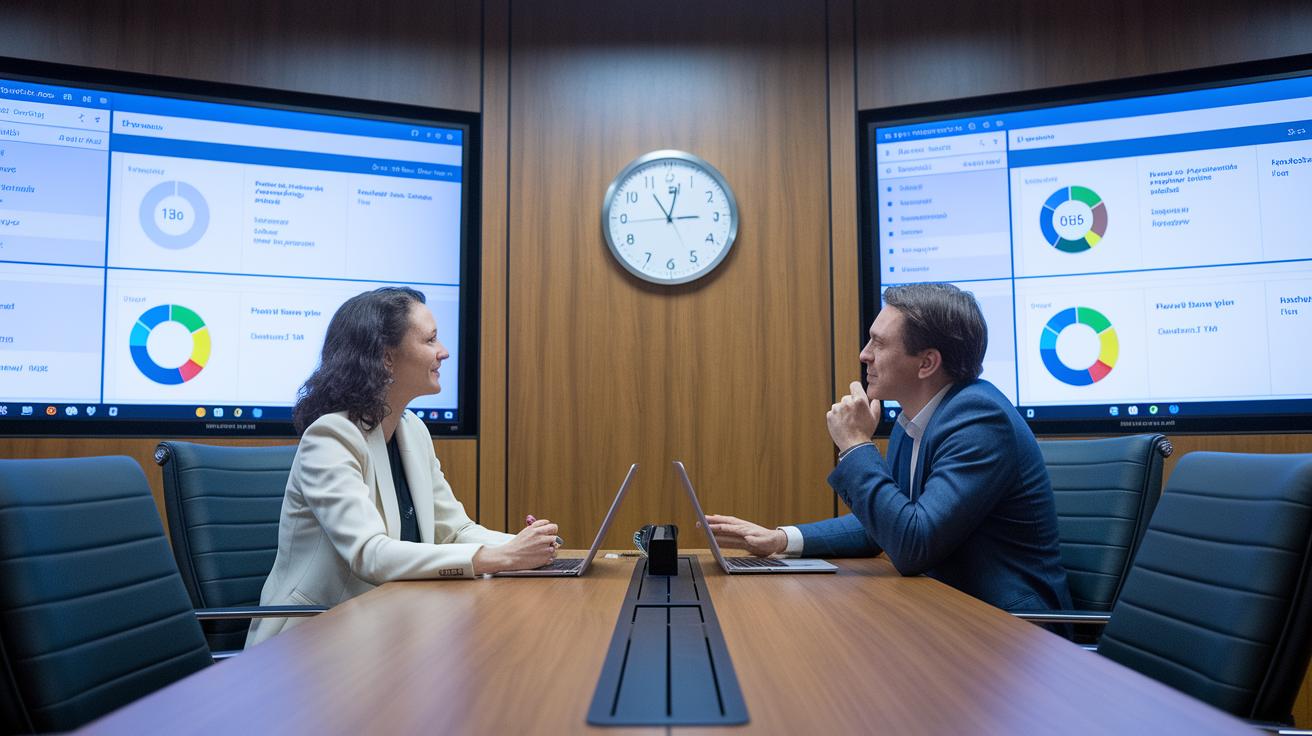
Building a strong framework for measuring consumer insights means getting marketing, operations, and IT working side by side. When these teams share ideas and feedback, the process becomes not only streamlined but also super effective. Think of standardized data pipelines as a way to cut out errors and speed up decisions. One manager put it simply: "After streamlining our data flow, our reports became both faster and clearer in revealing customer trends."
Regular checks, like validation audits, help boost survey reliability above 90%. And by regularly reviewing for sampling errors and fine-tuning our methods, we keep our data trustworthy. It’s crucial to stick to ethical research practices and follow privacy rules using tools like anonymization procedures and GDPR compliance checks. One audit remark summed it up: "Maintaining strict privacy and clear data helps us achieve reliable insights."
Next, interactive dashboards made with tools like Tableau or Power BI let us see feedback in real-time. These user-friendly visual tools make trends pop up clearly and help decision-makers act fast. With regular tweaks to our models, we can push predictive accuracy up by 10–15%, while careful respondent engagement techniques capture real consumer voices. It’s like mixing the precision of data with the lively pulse of everyday insights, all coming together to create a measurement system that adapts as the market changes.
Consumer insights measurement techniques energize research

Real-world stories show how solid data can spark real change. For example, ING Bank ran structured online surveys that ramped up their satisfaction scores by 12% in just six months. Their approach not only gathered honest feedback but also helped them zero in on the exact spots that needed a fix.
Jet Import took a different route by digging into transaction data. They found key windows when customers were most active, which led them to polish their sales strategy and bump up the average order value by 8%. It’s like discovering the secret time when your favorite song plays on repeat.
Just Eat mixed advanced sentiment tracking (which measures how people feel) with A/B testing to fine-tune their messaging. This trial resulted in an 18% jump in weekly orders. Imagine comparing two ad ideas and seeing one of them boost orders overnight, pretty exciting, right?
Meanwhile, Lantmännen UK used gaze-tracking in their packaging trials to learn where shoppers looked first. By tuning into these visual habits, they increased shelf visibility by 25%, giving their products an extra spark of appeal right when you need it most.
The Youth Pulse Study took a long-term look by hosting interviews twice a year. These sessions helped them track shifting consumer tastes and provided ongoing insights that kept strategies fresh and relevant.
| Example | Outcome |
|---|---|
| ING Bank | Satisfaction increased by 12% in six months |
| Jet Import | Order value grew by 8% through peak-hour analysis |
| Just Eat | Weekly orders rose by 18% through sentiment tracking and A/B testing |
| Lantmännen UK | Shelf visibility improved by 25% using gaze-tracking |
| Youth Pulse Study | Biannual interviews tracked changing consumer trends |
Final Words
In the action, this article broke down various methods from structured surveys to advanced AI tools for tracking consumer sentiment and behavior. It explored core quantitative and qualitative approaches, blending narrative data with statistical analysis. Business leaders and digital strategists now have a clear view of how consumer insights measurement techniques drive smarter decisions. Ending on a high note, these insights help build clearer, more actionable marketing strategies that spark growth and inspire fresh campaign ideas.
FAQ
What methods are used to gather and measure consumer insights?
Gathering consumer insights involves structured surveys, focus groups, social listening, and web analytics, followed by analyzing data with dashboards and A/B testing to refine strategies throughout the research process.
What are examples of customer or consumer insights?
An example of a customer insight is noticing that shoppers favor flexible payment options after targeted promotions, revealing deeper behavior patterns and guiding future marketing strategies.
What roles are available in consumer insights jobs?
Consumer insights roles include market research analysts, customer experience managers, and data scientists who track consumer behavior, interpret data trends, and recommend actionable marketing improvements.
What does customer insights mean?
Customer insights mean understanding buyer behaviors, needs, and motivations by combining quantitative data with qualitative feedback to inform and enhance marketing decisions.
How does qualitative research in consumer behavior work?
Qualitative research uses interviews, focus groups, and observational methods to collect rich, narrative data that explains why customers choose certain products or services.
How do you measure the effectiveness of your customer insights initiatives?
Effectiveness is tracked through response rates, engagement scores, conversion metrics, and ROI analysis from campaigns, ensuring insights lead to clear improvements in marketing performance.
What are the four types of insights?
The four types of insights include consumer behavior, market trends, competitive dynamics, and brand perception; each offers a unique angle to fine-tune strategic decisions.
What are the 4 P’s of consumer Behaviour?
The 4 P’s consist of product, price, place, and promotion, which collectively shape purchase decisions and influence overall market appeal.